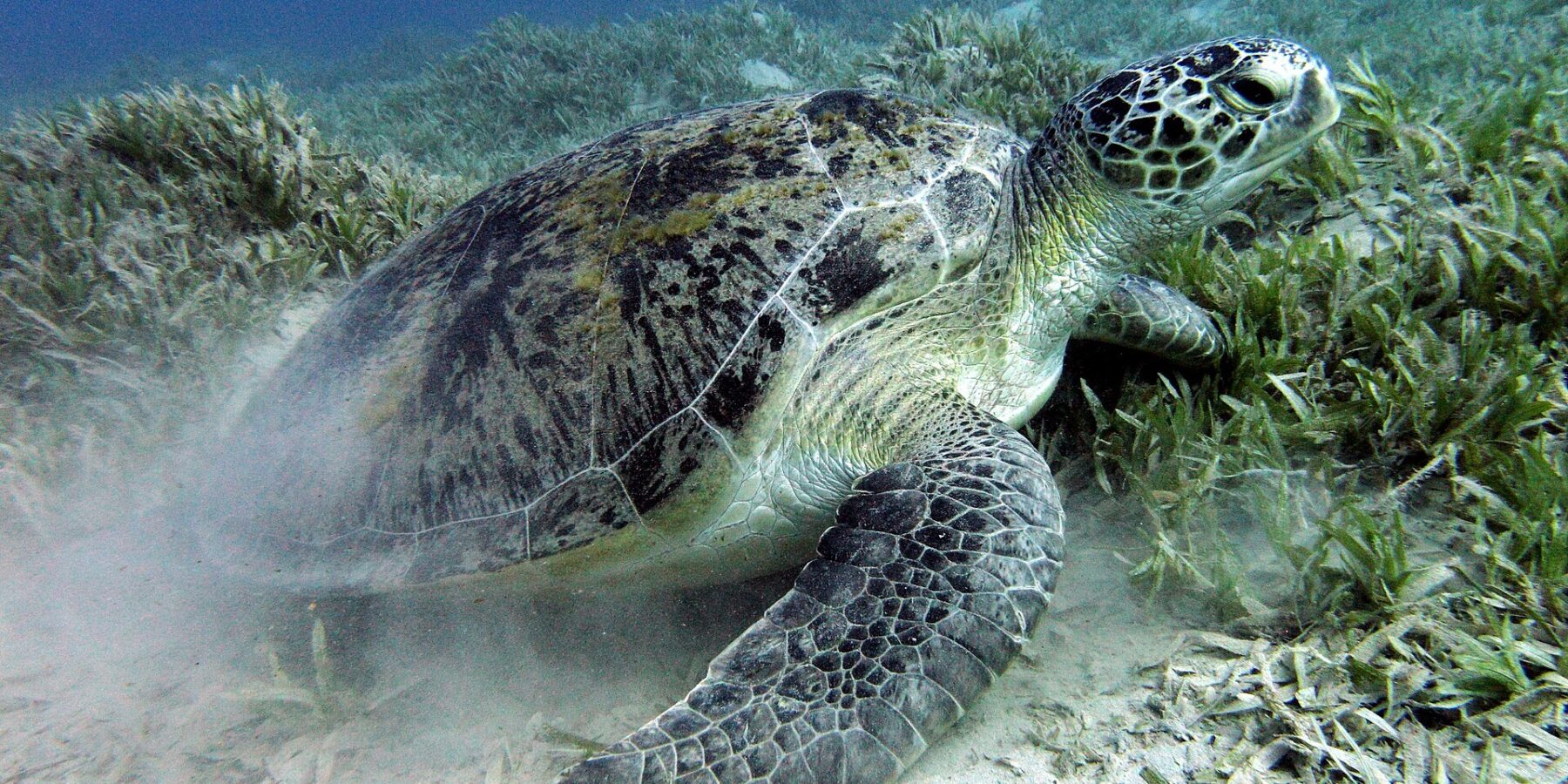
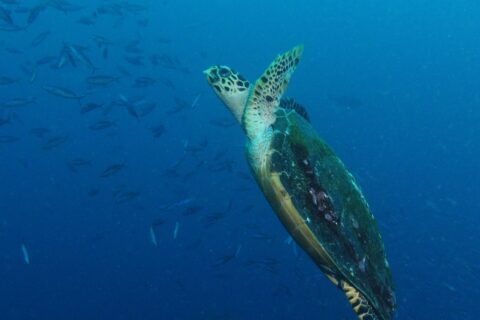
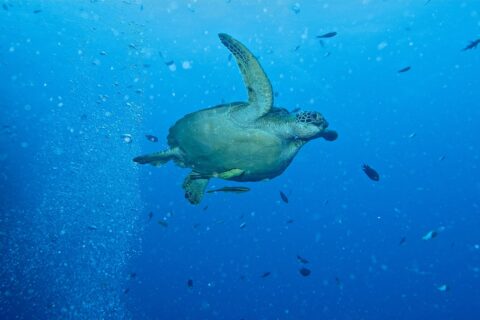
The green turtle is the largest of the hard-shelled sea turtles, with a 115-centimeter shell and 80 to 130 kg on average. It grazes seagrass beds down to 30 meters in all tropical seas; the species is Endangered, and you watch it without ever disturbing it.
Where to dive to see the green turtle?
 EgyptReef
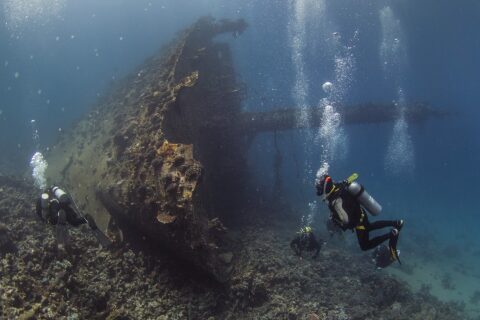
Abu Nuhas wrecks
Central Red Sea, EgyptCan be seen all year round: passing over the top of the reef, at the end of the dives
 PhilippinesReef
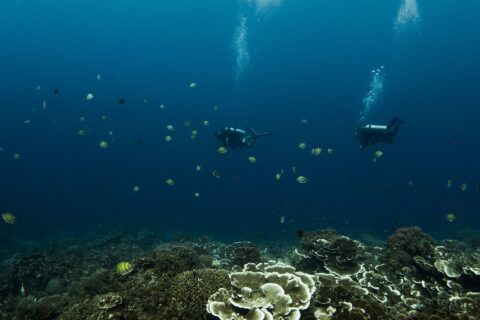
Apo Island
Visayas: Cebu, Bohol and NegrosPeak season all year round: grazing on the Katipanan slope and in the shallow seagrass beds, on almost every dive
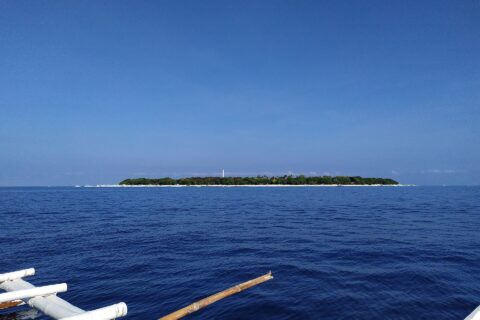 PhilippinesReef
Balicasag Island
Visayas: Cebu, Bohol and NegrosPeak season all year round: on the seagrass of the plateau and at Turtle Point, on almost every dive
 IndonesiaReef
Batu Bolong
KomodoPeak season all year round: on the shallow plateau, often several per dive
 FrancePass
Boulari Pass (New Caledonia)
New CaledoniaCan be seen all year round: on the reefs near the pass
 IndonesiaReef
Bunaken, Lekuan walls
Sulawesi: Bunaken and LembehPeak season all year round: the park's resident population, several per dive, resting in niches in the wall or swimming along it
 MexicoReef
Cabo Pulmo
Sea of Cortez: La Paz and Cabo PulmoCan be seen all year round: on the reefs on almost every dive, asleep at Las Casitas
 FranceReef
Cap La Houssaye (Réunion)
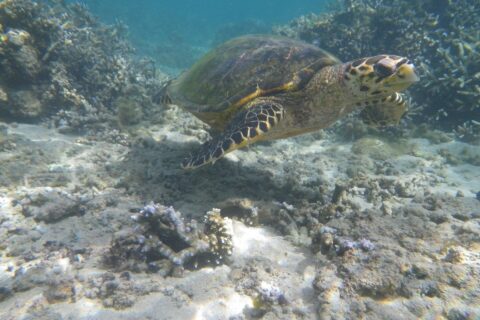
French Indian Ocean: Réunion and MayottePeak season all year round: resident on the seagrass bed, between the cannon and the reef
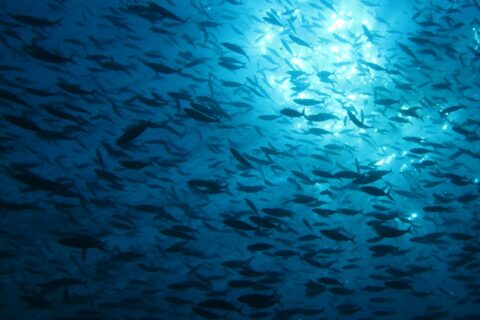 IndonesiaPelagic
Castle Rock
KomodoCan be seen all year round: passing over the top of the pinnacle
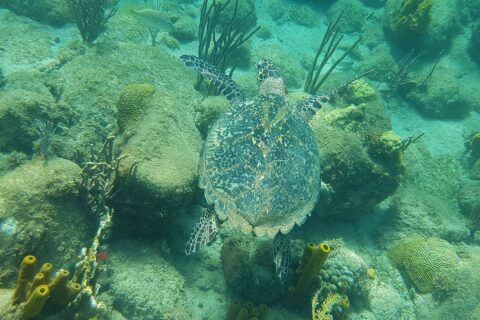 FranceReef
Cousteau Reserve (Pigeon Islands)
French West Indies: Guadeloupe and MartiniquePeak season all year round: all year on the seagrass beds off Malendure and the islet plateaus, visible right from the beach with fins, mask and snorkel
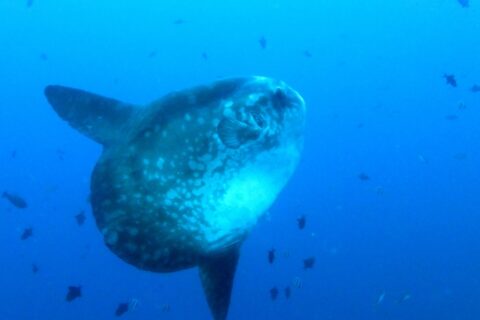 IndonesiaPelagic
Crystal Bay
Bali and Nusa PenidaPeak season all year round: resting on the reef in the bay or swimming along the wall
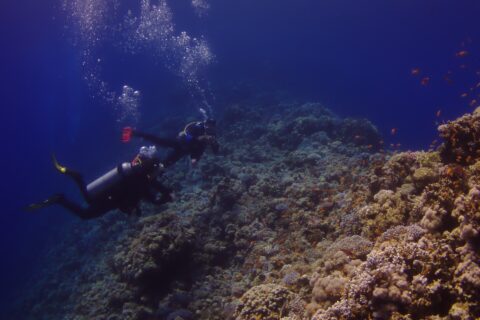 EgyptShore dive
Dahab Blue Hole
Northern Red Sea, EgyptCan be seen all year round: passing on the wall and near the saddle
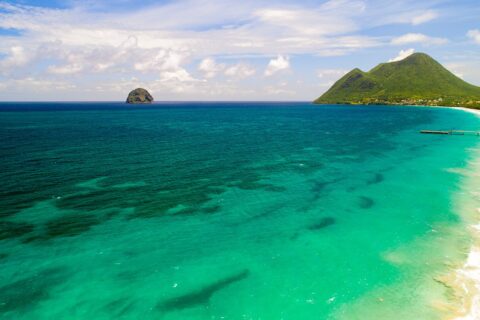 FrancePelagic
Diamond Rock
French West Indies: Guadeloupe and MartiniqueCan be seen all year round: passing around the rock
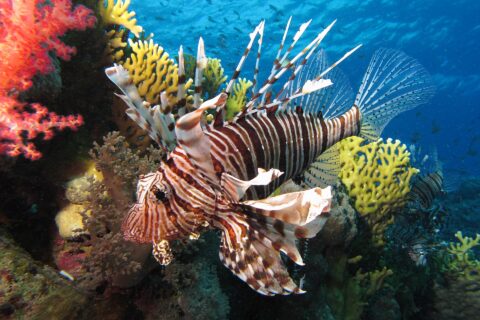 EgyptWreck
Dunraven wreck
Northern Red Sea, EgyptCan be seen all year round: passing over the reef, above the wreck
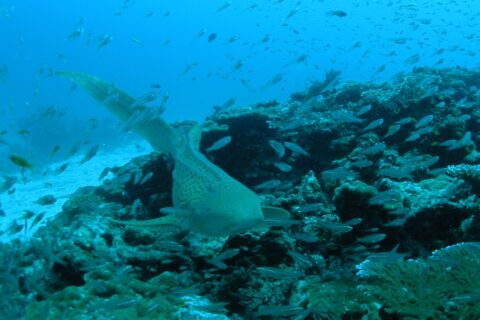
 ThailandReef
Elephant Head Rock
Andaman Sea: Similan, Surin and LantaCan be seen all year round: passing by, rarer than the hawksbill
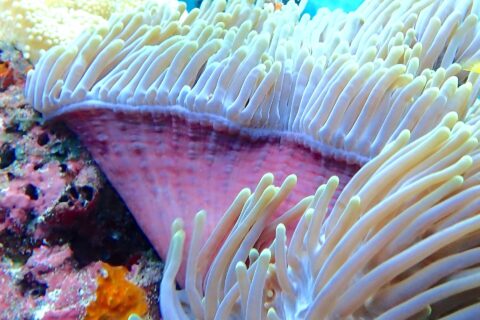
 TanzaniaPass
Fundu Gap
PembaCan be seen all year round: passing over the top of the wall
 Costa RicaReef
Islas Catalinas
Guanacaste and the North PacificCan be seen all year round: passing over the shallow sites
 MaldivesPelagic
Kandooma Thila
Malé atollsCan be seen all year round: resting on the top of the thila
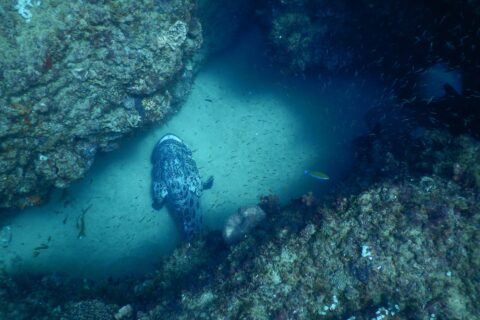 TanzaniaPass
Kinasi Pass
Mafia IslandCan be seen all year round: passing over the seagrass beds and coral gardens
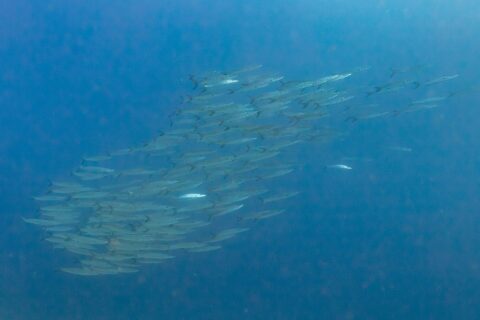 TanzaniaPelagic
Leven Bank
ZanzibarCan be seen all year round: passing over the plateau
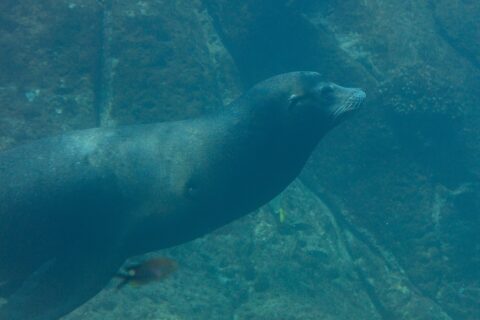 MexicoReef
Los Islotes
Sea of Cortez: La Paz and Cabo PulmoCan be seen all year round: at the surface and on the Espíritu Santo reefs, during the crossing and the second dive
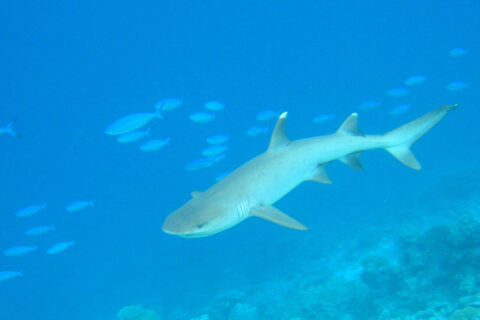 MaldivesReef
Maaya Thila
Ari and Rasdhoo atollsCan be seen all year round: passing over the top
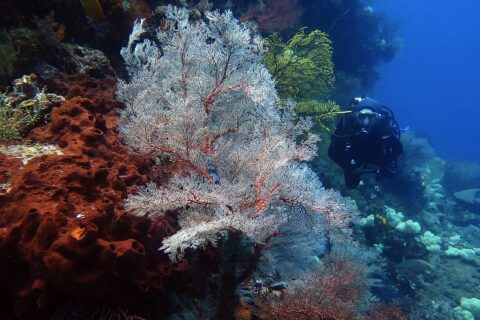 IndonesiaPelagic
Magic Mountain (Misool)
Raja AmpatPeak season all year round: passing over the coral garden on top
 TanzaniaReef
Misali Island
PembaPeak season all year round: on the coral gardens and seagrass beds; nesting on the island's beaches
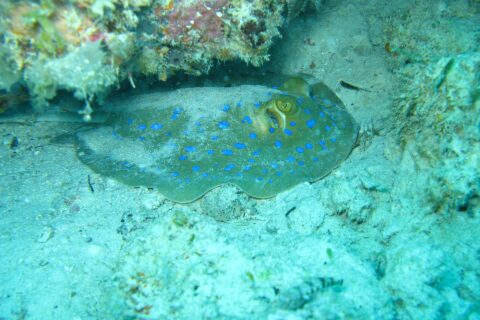 TanzaniaReef
Mnemba Atoll
ZanzibarPeak season all year round: resident on the Kichwani and Wattabomi slopes; nesting on the islet's beach from February to September
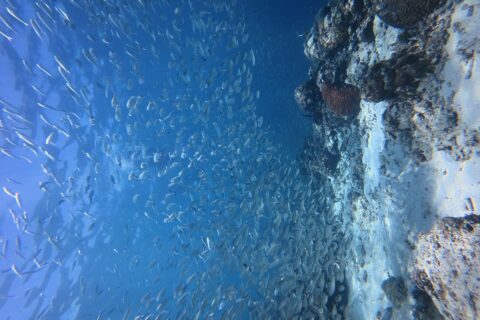 PhilippinesShore dive
Moalboal sardine run
Visayas: Cebu, Bohol and NegrosPeak season all year round: on the reef flat and the top of the wall, on almost every dive
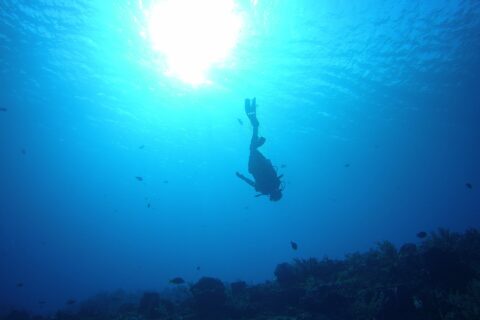 MexicoReef
Palancar Reef
Yucatán and the Caribbean: Cozumel, cenotes, Playa del CarmenCan be seen all year round: passing over the sand and the top of the reef
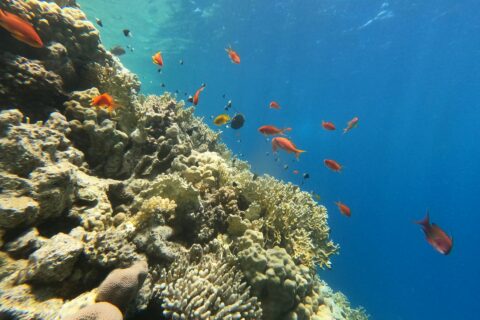 EgyptReef
Panorama Reef
Central Red Sea, EgyptCan be seen all year round: on the plateaus, passing through
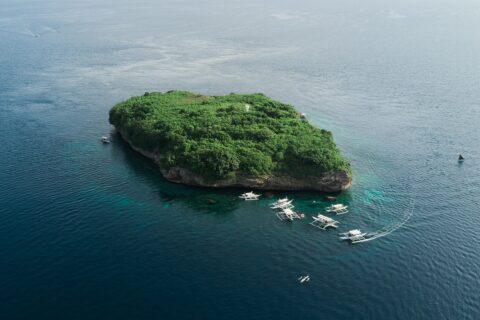 PhilippinesReef
Pescador Island
Visayas: Cebu, Bohol and NegrosPeak season all year round: on the plateau and the east wall, up to seventeen turtles counted on one dive
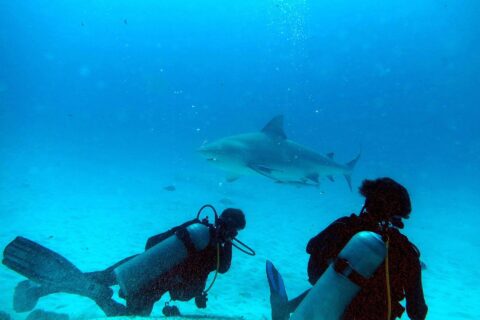 MexicoPelagic
Playa del Carmen bull sharks
Yucatán and the Caribbean: Cozumel, cenotes, Playa del CarmenCan be seen all year round: on the reefs near Playa, during the reef dive
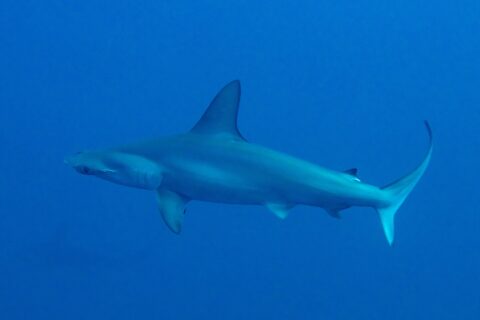 MaldivesPelagic
Rasdhoo Madivaru
Ari and Rasdhoo atollsCan be seen all year round: on the Madivaru reef
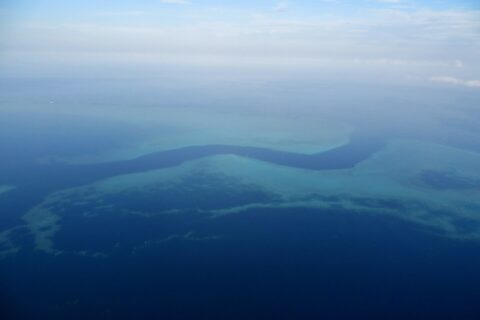 FrancePass
S Pass (Mayotte)
French Indian Ocean: Réunion and MayottePeak season all year round: in large numbers at buoy 2
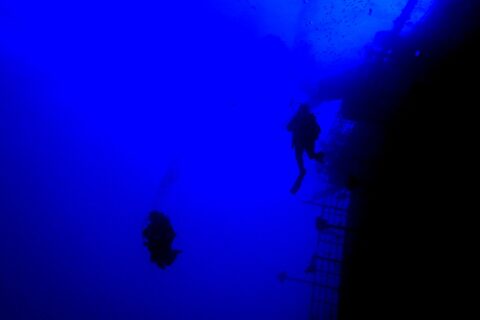 EgyptWreck
Salem Express wreck
Central Red Sea, EgyptCan be seen all year round: passing on Hyndman Reef, next door
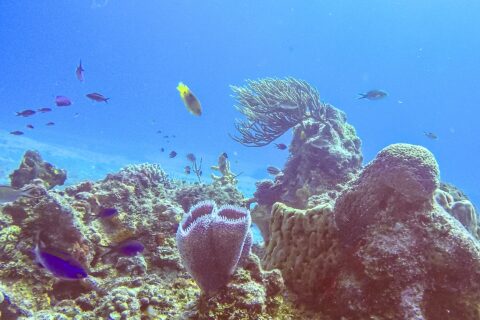 MexicoWall
Santa Rosa Wall
Yucatán and the Caribbean: Cozumel, cenotes, Playa del CarmenCan be seen all year round: passing over the sand plateau
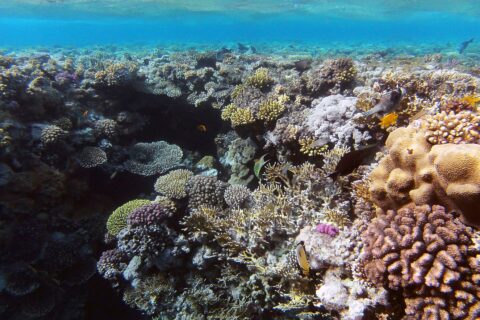 EgyptReef
Shark and Yolanda Reef, Ras Mohammed
Northern Red Sea, EgyptCan be seen all year round: passing on the Yolanda plateau
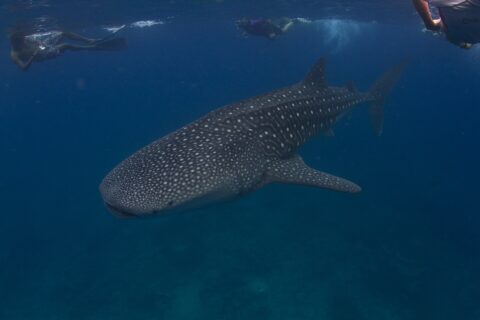 MaldivesPelagic
South Ari Atoll (Maamigili)
Ari and Rasdhoo atollsCan be seen all year round: on the outer reef
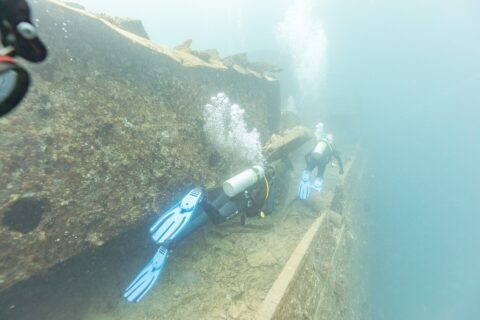 EgyptWreck
SS Thistlegorm
Northern Red Sea, EgyptCan be seen all year round: passing through, grazing on the deck
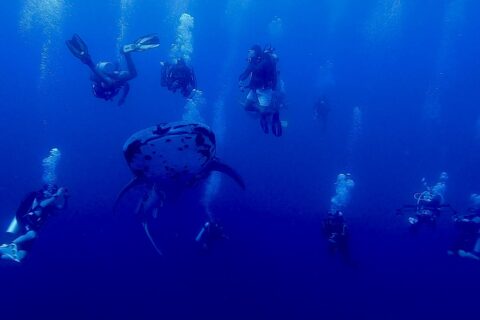 PhilippinesPelagic
Tubbataha Reef
PalawanPeak season from April to May: on almost every dive; it nests on the park's islets
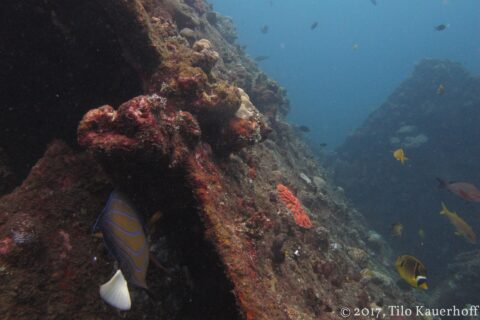 IndonesiaShore dive
USAT Liberty wreck
Bali and Nusa PenidaCan be seen all year round: passing over the wreck and the nearby Coral Garden
How do you identify a green turtle?
The green turtle is the largest of the Cheloniidae, the hard-shelled sea turtles. Its flattened oval shell measures 115 centimeters on average, for a weight of 80 to 130 kg; some individuals reach 300 kg and 1.50 meters. The head is small, about a fifth of the shell length. Its name comes from the greenish color of its fat, caused by the algae it eats.
How does the green turtle live?
Young green turtles eat everything; adults graze almost only on seagrass, down to 30 meters, with a few mollusks, sponges, shrimp and jellyfish. It is the fastest sea turtle, at nearly 35 km/h, and the only one that leaves the water to bask in the sun. It matures between 8 and 15 years of age.
Is the green turtle threatened?
Its eggs are raided by crabs, birds and mammals that venture onto the beaches, and the hatchlings are preyed on by octopus, squid and large fish before they even reach open water. The species is Endangered. On a dive, watch it from a distance, without ever positioning yourself above it: it comes up to breathe at the surface.
Our tip
Stay at a distance and never above it: it has to go up and breathe. No sudden finning, no bursts of flash, and no touching.