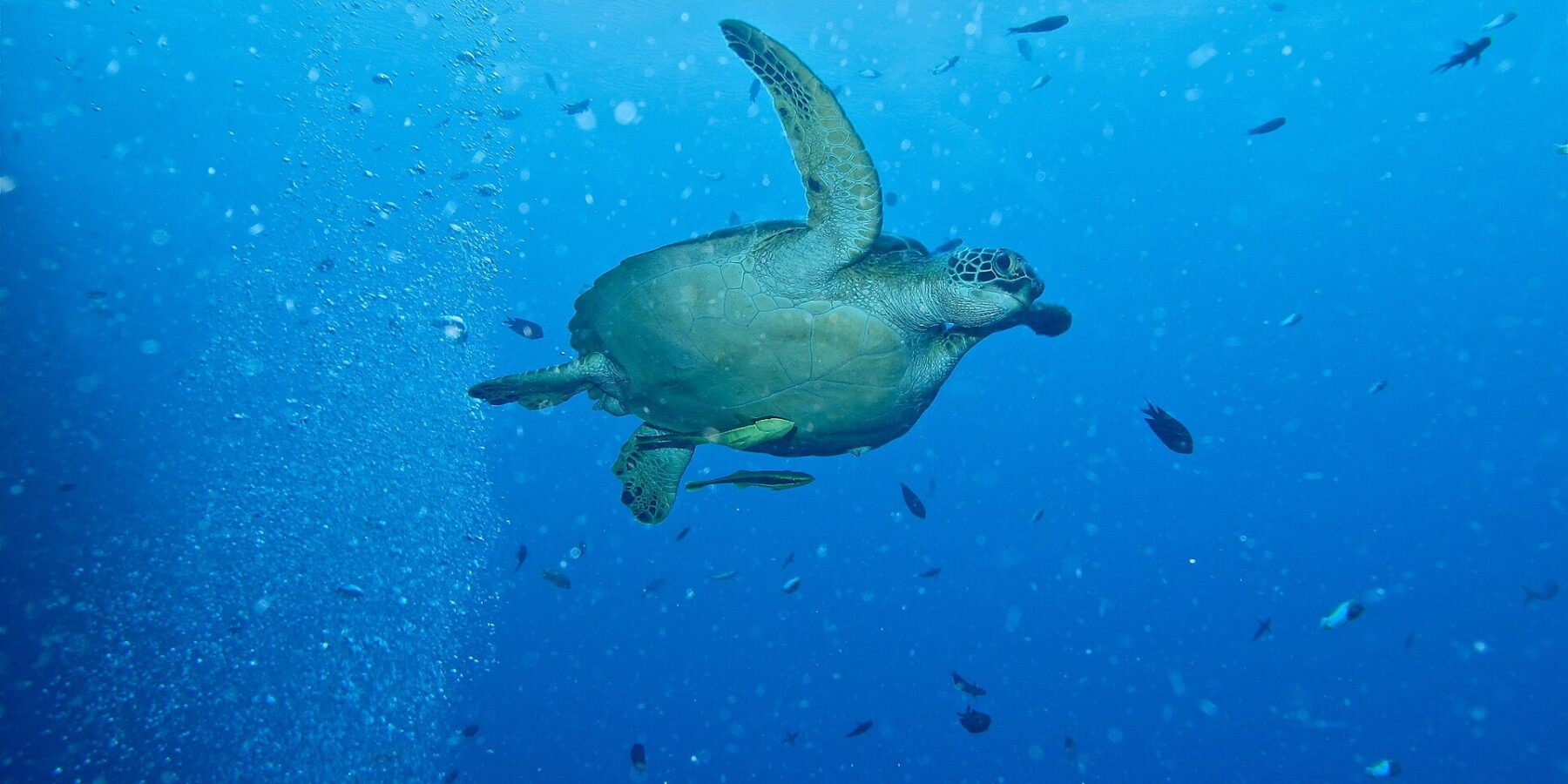
The Lekuan walls are three vertical walls off southern Bunaken, dropping from the surface to 40 m. Their giant sponges and soft corals shelter dozens of green turtles, Lekuan 1 and 3 suit beginners, and Manado is one hour away by boat.
Why dive the Lekuan walls?
- Three vertical walls from the surface to 40 m, on the edge of depths of 200 to 1,840 m
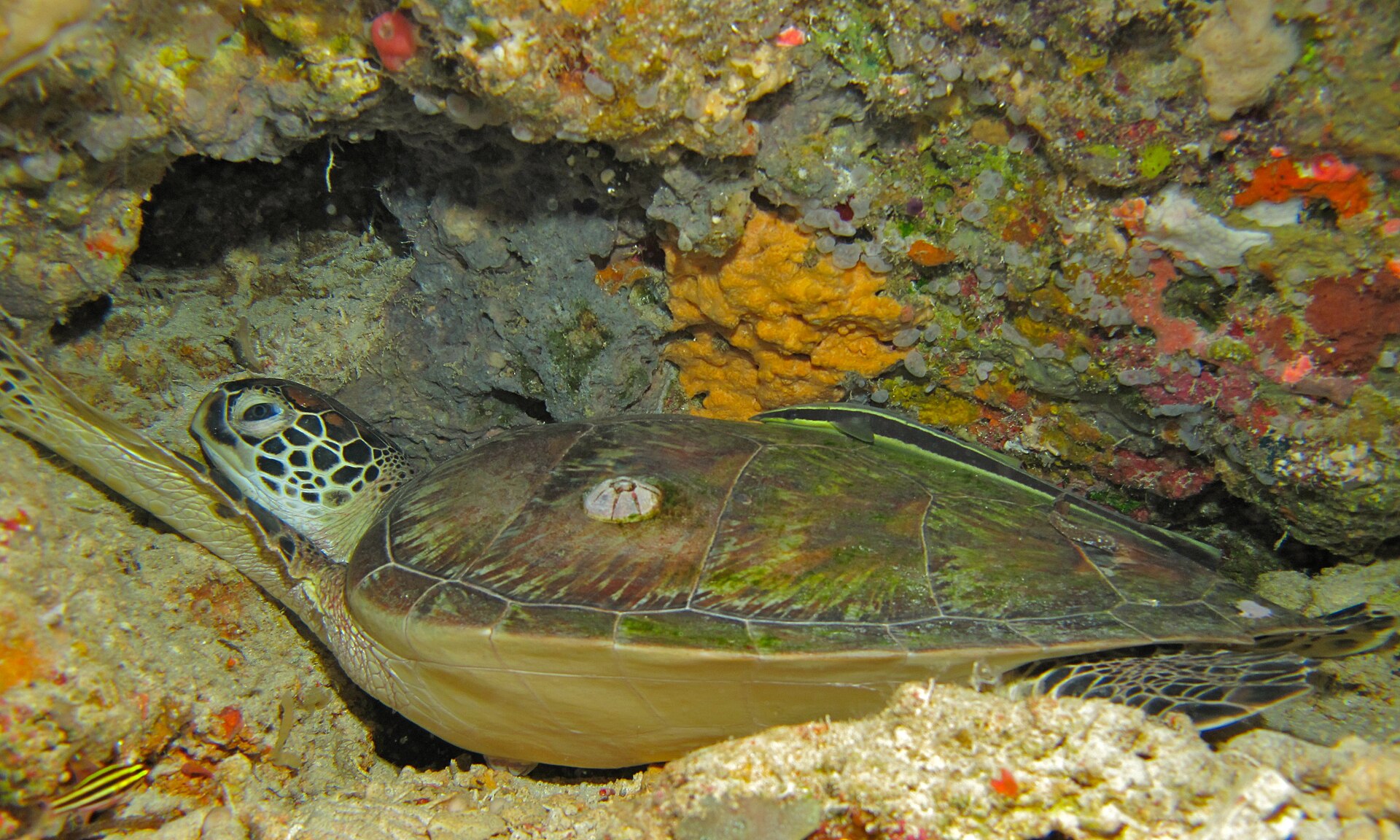
- Dozens of green turtles, the park's most visible population
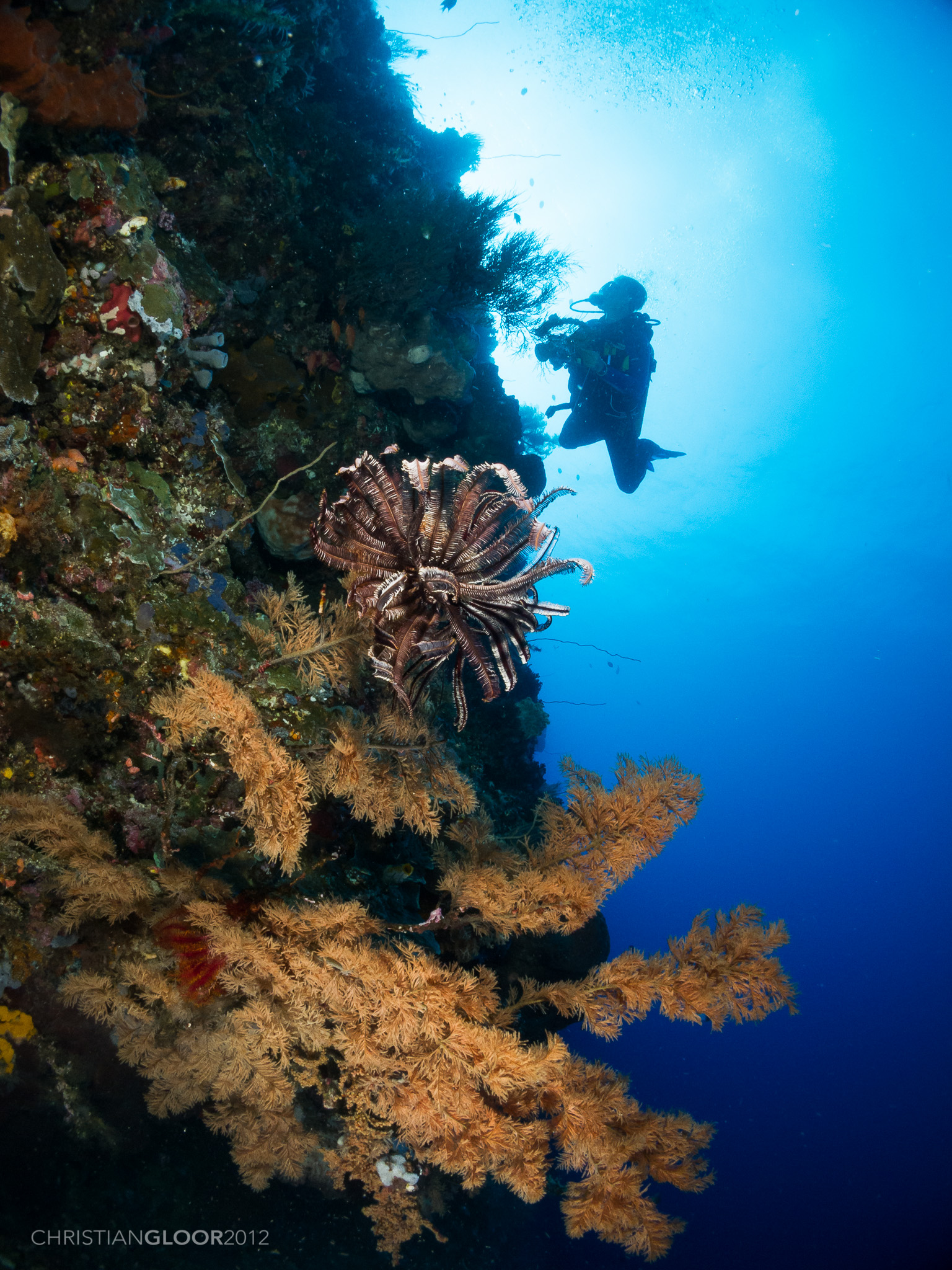
- Giant sponges, soft corals and sea fans with pygmy seahorses all over the wall
- Lekuan 1 and 3 open to beginners, Lekuan 2 and its caves for Advanced divers
- A park of 890 km2 and 390 coral species, one hour by boat from Manado
The Lekuan walls in pictures
What will you see at the Lekuan walls?
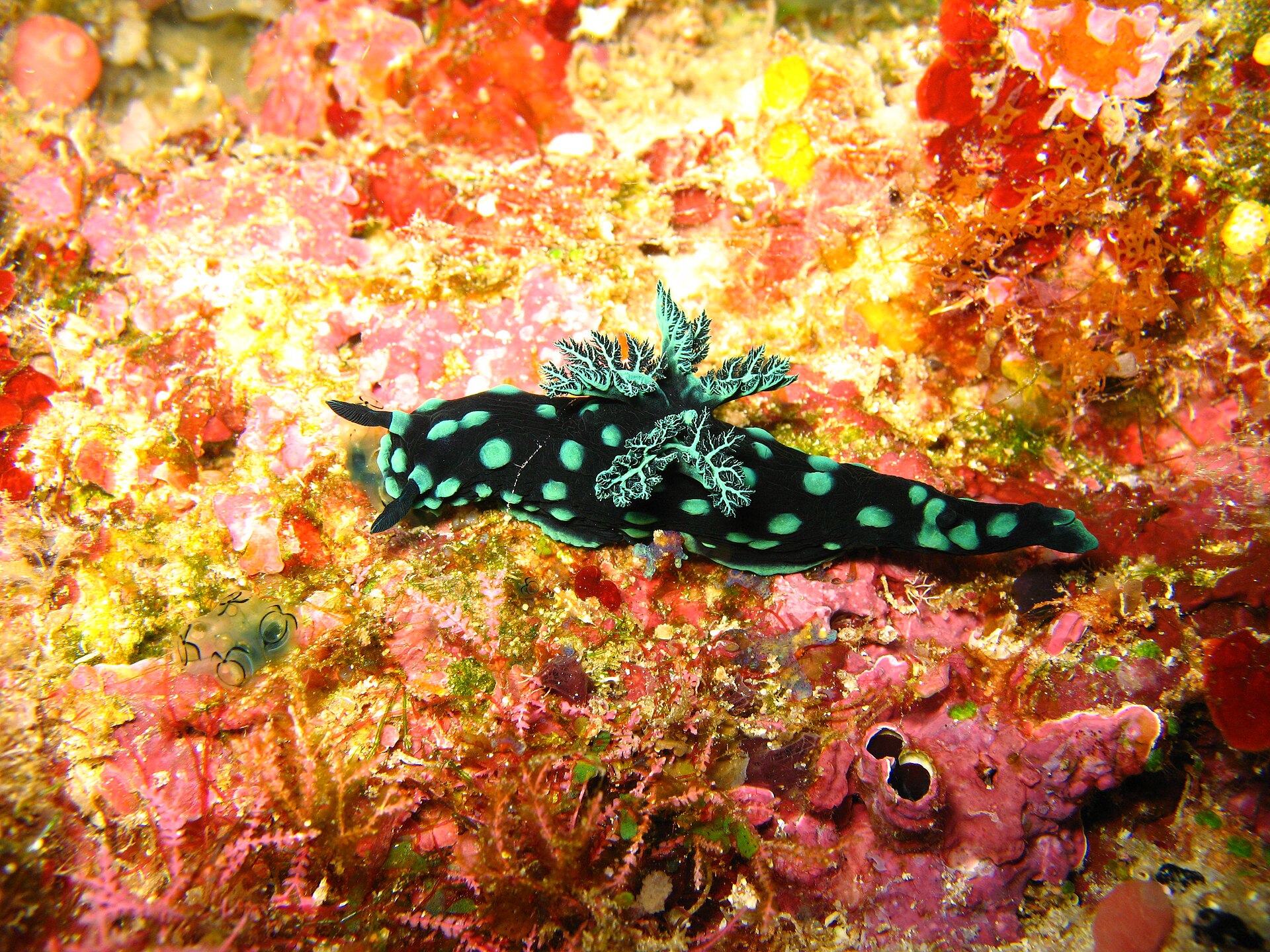
Lekuan is three neighboring sites, Lekuan 1, 2 and 3, off the beach of the same name on the south coast of Bunaken Island, and the best known in the park. The walls are covered in giant sponges, soft corals, hard corals, sea fans and black corals, with clouds of pyramid butterflyfish hanging along the face. Green turtles are the park's signature: a resident population counted by the dozen, resting in niches in the wall or swimming in the blue, with a few hawksbills. Napoleon wrasse, barracuda, schools of Heller's barracuda, batfish, bumphead parrotfish and tuna pass offshore; reef sharks and eagle rays show up at a distance. On the wall, macro keeps photographers busy: pygmy seahorses on the sea fans, orangutan crabs on the bubble corals, nudibranchs, pipefish. The park, home to 390 coral species, also hosts dugongs, dolphins and passing whales, sometimes seen from the boat.
| Species | J | F | M | A | M | J | J | A | S | O | N | D | Note |
|---|---|---|---|---|---|---|---|---|---|---|---|---|---|
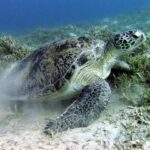 Green turtle | peak season | peak season | peak season | peak season | peak season | peak season | peak season | peak season | peak season | peak season | peak season | peak season | the park's resident population, several per dive, resting in niches in the wall or swimming along it |
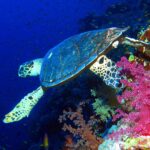 Hawksbill turtle | peak season | peak season | peak season | peak season | peak season | peak season | peak season | peak season | peak season | peak season | peak season | peak season | less common than the green, on the upper wall |
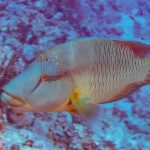 Napoleon wrasse | peak season | peak season | peak season | peak season | peak season | peak season | peak season | peak season | peak season | peak season | peak season | peak season | along the wall and in the blue |
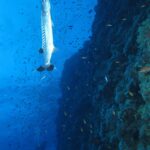 Great barracuda | peak season | peak season | peak season | peak season | peak season | peak season | peak season | peak season | peak season | peak season | peak season | peak season | solitary in the blue, plus schools of Heller's barracuda on Lekuan 3 |
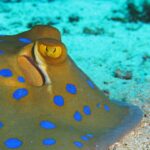 Bluespotted ribbontail ray | peak season | peak season | peak season | peak season | peak season | peak season | peak season | peak season | peak season | peak season | peak season | peak season | on the sand slopes of Lekuan 3 and on the plateau at the top |
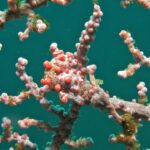 Pygmy seahorse | peak season | peak season | peak season | peak season | peak season | peak season | peak season | peak season | peak season | peak season | peak season | peak season | on the sea fans of the wall, pointed out by the guide |
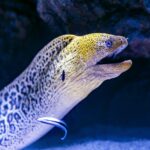 Giant moray | peak season | peak season | peak season | peak season | peak season | peak season | peak season | peak season | peak season | peak season | peak season | peak season | in the cracks of the wall |
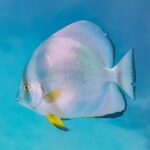 Orbicular batfish | peak season | peak season | peak season | peak season | peak season | peak season | peak season | peak season | peak season | peak season | peak season | peak season | schooling a little way off the wall |
| Pyramid butterflyfish | peak season | peak season | peak season | peak season | peak season | peak season | peak season | peak season | peak season | peak season | peak season | peak season | in clouds along the wall, the Lekuan trademark |
| Reef sharks and eagle rays | possible | possible | possible | possible | possible | possible | possible | possible | possible | possible | possible | possible | blacktips and eagle rays passing in the blue, off the wall |
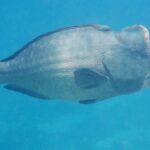 Bumphead parrotfish | possible | possible | possible | possible | possible | possible | possible | possible | possible | possible | possible | possible | in small groups on the upper reef |
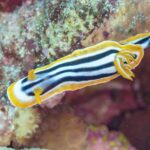 Nudibranchs | peak season | peak season | peak season | peak season | peak season | peak season | peak season | peak season | peak season | peak season | peak season | peak season | on the sponges and bubble corals of the wall |
| Orangutan crabs | peak season | peak season | peak season | peak season | peak season | peak season | peak season | peak season | peak season | peak season | peak season | peak season | on the sponges and bubble corals of the wall |
peak seasonpossiblerare
What is diving like at the Lekuan walls?
The three walls start from a coral plateau a few meters below the surface and drop vertically to 40 m, before sloping away toward depths of several hundred meters between the park's islands. Lekuan 1 is the busiest: a regular wall, light current, depth chosen by each diver, 10 to 30 m, within reach of an Open Water diver. Lekuan 2 is the most demanding: moderate current, small caves and overhangs in the wall, and it's the wall you drift on the rising tide to see pelagics; Advanced level recommended. Lekuan 3, sheltered, mixes walls, coral blocks and sand slopes, with no current most of the time: dive centers use it for checkout dives, courses and night dives, with coral gardens in the first few meters. Visibility 15 to 25 m, water 28 to 29°C. Everywhere, good buoyancy is the only real requirement: the wall is fragile, and the blue, with no reference point, pulls you deeper.
When to dive the Lekuan walls?
idealgoodnot recommended
Bunaken can be dived year-round in 28 to 29°C water that rarely drops below 27°C. The dry season, March to October, brings calm seas and the best visibility, 15 to 25 m, at its best from May to October. From November to February, rain and wind sometimes kick up the sea in Manado Bay and make the crossings rough, without closing the park: the walls on the south side of the island, Lekuan included, stay sheltered most days, and visibility drops a little near the islands. The turtles are there year-round, as is the macro; pelagics show up more on the rising tide. July and August draw the biggest crowds, and the island's dive centers advise booking ahead.
How to get to the Lekuan walls?
Manado, in North Sulawesi, is the airport for both diving areas, served by domestic flights from Jakarta or Bali. Bunaken Island is 45 minutes to an hour by boat from Manado harbor, and most divers stay there: Two Fish Divers, on the island, sells a single dive at IDR 900,000, the two morning dives at IDR 1,650,000, a third dive at IDR 750,000 and a night dive at IDR 900,000, tank, boat, guide and snack included, full gear at IDR 250,000 a day and Nitrox at IDR 150,000 a tank; three nights full board with four dives come to IDR 5,940,000. The Siladen resorts, such as Murex, and the dive centers on the Manado coast dive the same walls by speedboat. The park ticket, IDR 150,000 for foreigners plus IDR 25,000 per dive day, has been electronic since June 1, 2025 and is paid by the dive center. Two Fish Divers links its Bunaken and Lembeh resorts in three hours by boat and road, so you can combine walls and muck diving in one trip.
Stay in Manado
Where to stay near the Lekuan walls?
Hotels, apartments and rooms around Manado, with current prices.
Why does Bunaken National Park have such steep walls?
Created in 1991, among the first marine parks in Indonesia, Bunaken National Park covers 890 km2, 97% of it sea, around five islands: Bunaken; Manado Tua, the extinct volcano of more than 600 m that dominates the bay; Siladen; Mantehage and its mangroves; and Nain. There is no continental shelf: the coast drops straight onto the slope, and the sea between the islands reaches 200 to 1,840 m. That explains the walls, vertical over 25 to 50 m, and the density of life they carry: 390 recorded coral species, seagrass beds, mangroves and rare animals, dugongs, whales, dolphins, alongside the large green turtle population.
How do you dive the three Lekuan walls?
Lekuan 1 is the classic wall: you descend to your chosen depth and follow the wall, reef on your right or left depending on the current, checking the niches for turtles and the sea fans for pygmy seahorses, then ease back up to the plateau for the safety stop among the butterflyfish. Lekuan 2 is a drift dive on the rising tide: the wall is pocked with small caves and overhangs, the schools hang offshore, and it's where you have the best chance of seeing a shark or an eagle ray pass. Lekuan 3 is the quiet site: lower walls, coral blocks, sand slopes home to bluespotted ribbontail rays, and a night dive when octopus, cuttlefish, crabs and shrimp come out, with bioluminescence when you switch off your lights.
What other walls can you dive on Bunaken?
Every site on Bunaken is a wall or a slope, and each has its own character. Timur, on the east side, is a 40 m wall with the island's most intact plateau, perfect for green and hawksbill turtles. Ron's Point, in the southwest, ends on a plateau at 35 to 40 m where sharks and eagle rays pass. Sachiko's Point, in the north, lines up sea fans with barracuda, blacktips, Napoleon wrasse and batfish in the blue. Mike's Point and Fukui, Siladen and Manado Tua round out a week, and day trips to Nain or Mantehage, with three dives, run on request.
Our tip
Dive Lekuan 2 on the rising tide, and save Lekuan 3 for the night dive. Stay a meter off the wall: the sponges can't take a fin kick. Look out into the blue too, where eagle rays and sharks pass by.
Other dive sites nearby
 IndonesiaReef
Lembeh Strait
Sulawesi: Bunaken and Lembeh IndonesiaReef
Cape Kri
Raja Ampat IndonesiaPelagic