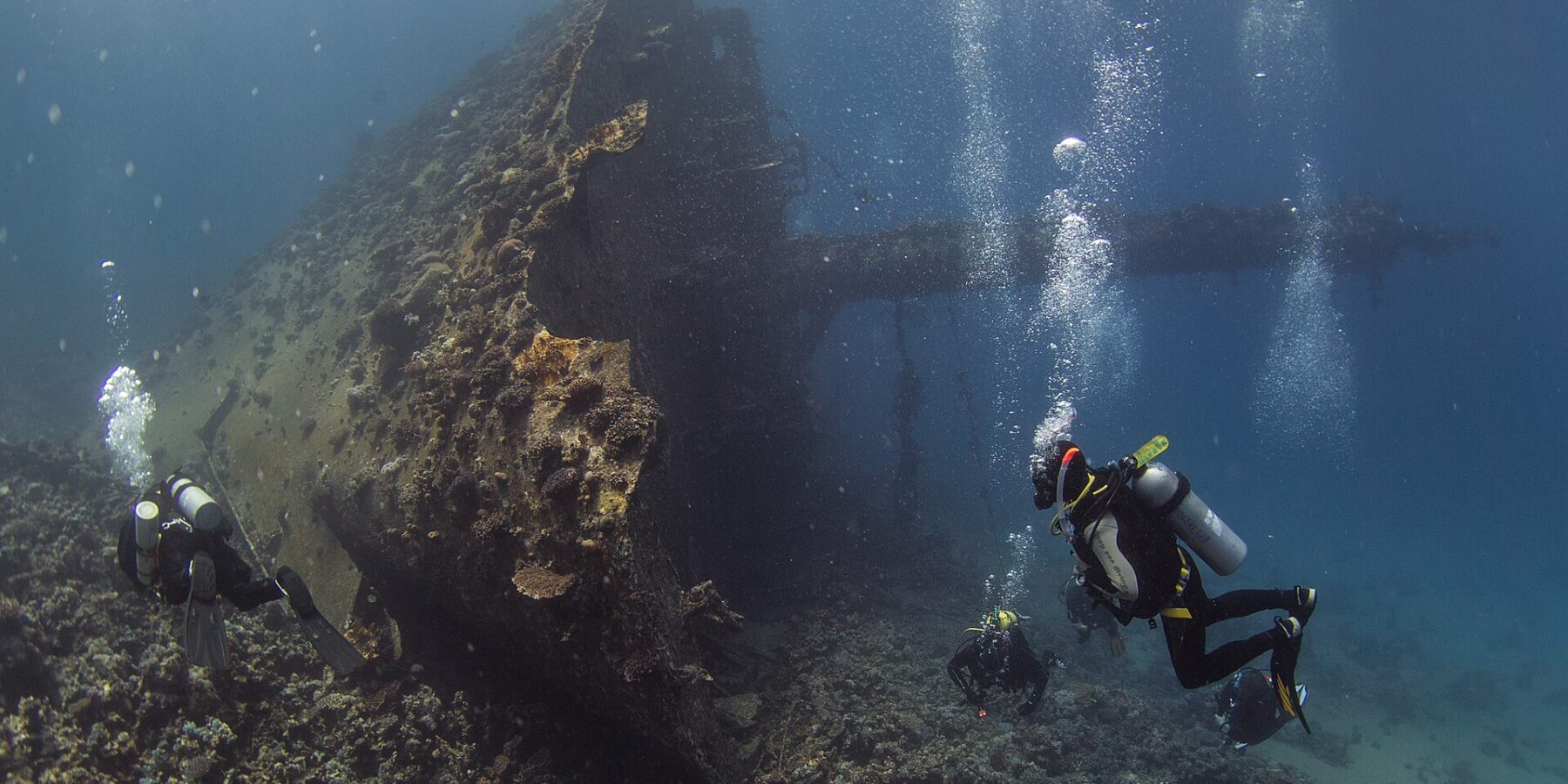
Four cargo ships, the Carnatic, the Kimon M, the Chrisoula K and the Giannis D, were lost on Abu Nuhas reef between 1869 and 1983. They lie between 4 and 32 meters on its north face: it is the most famous wreck graveyard in the Red Sea, on a day trip from Hurghada or a liveaboard.
Why dive the Abu Nuhas wrecks?
- Four wrecks on a single reef, from the 1869 steamer to the 1983 freighter
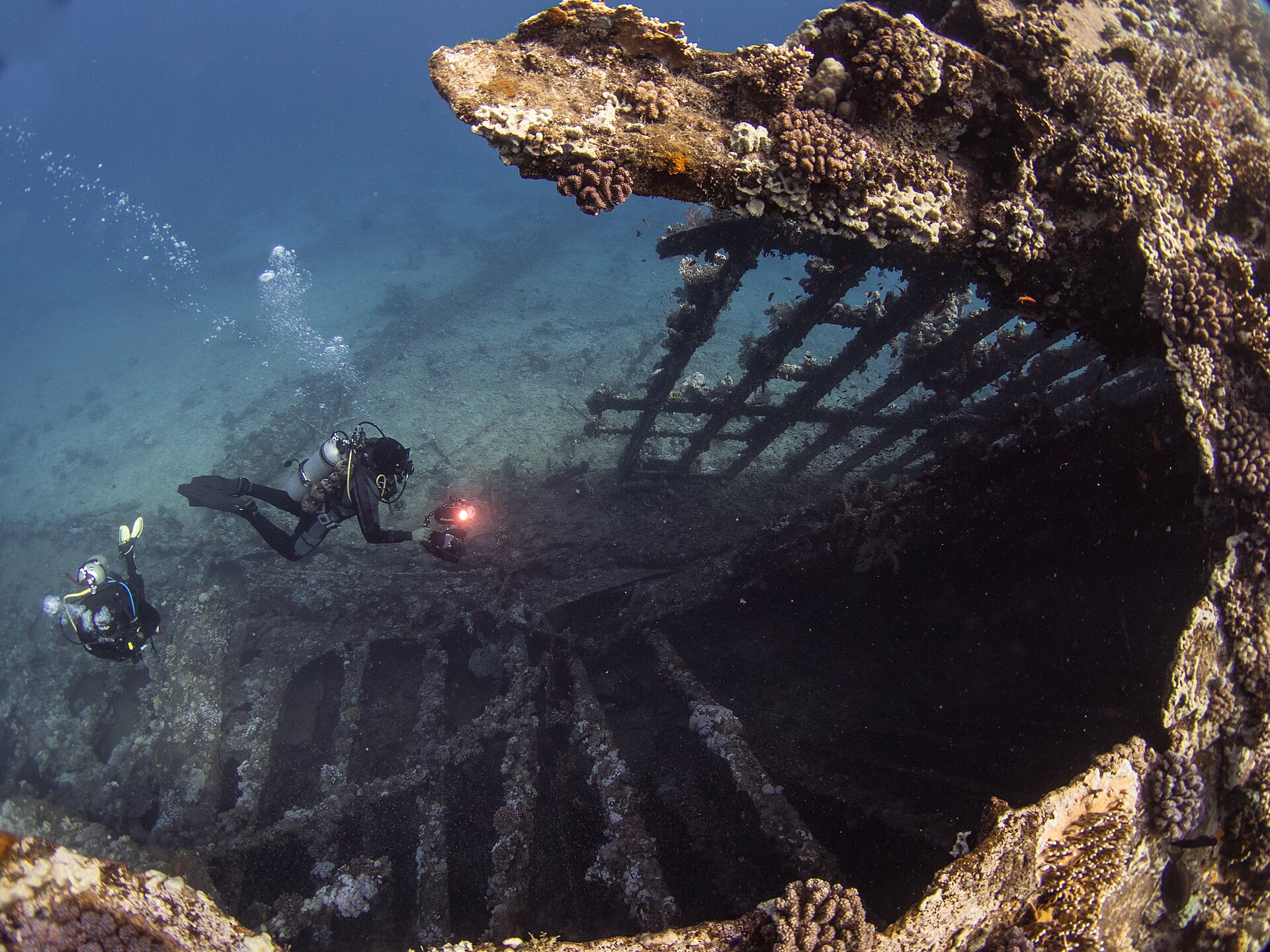
- The Carnatic: open ribs like a cathedral, with light streaming through
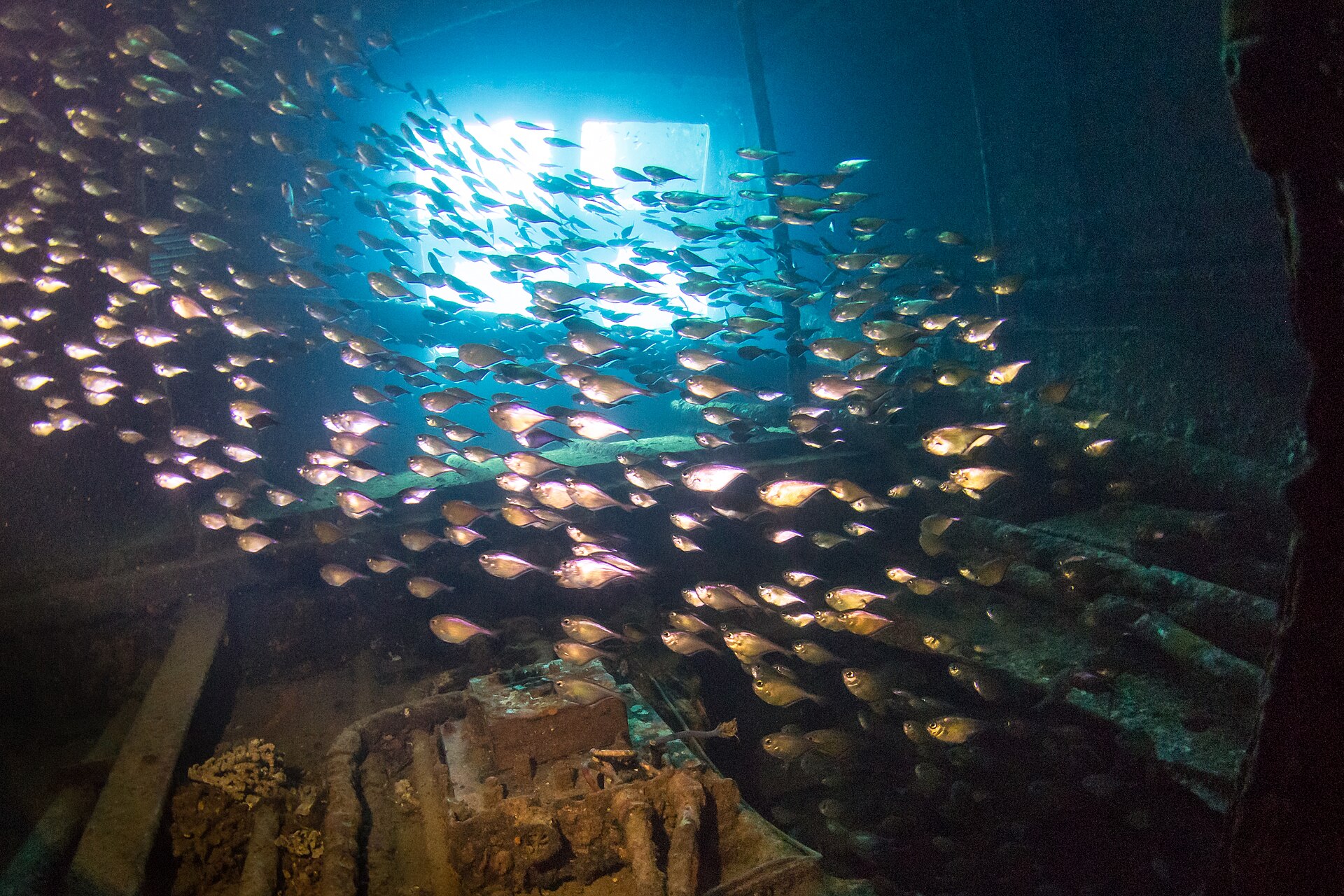
- The Giannis D: bridge, funnel and an engine room full of glassfish, all lying at an angle
- The Chrisoula K and its floor tiles, the Kimon M and its cargo of lentils
- Two wrecks in a day from Hurghada, from €100 all included
The Abu Nuhas wrecks in pictures
What will you see at the Abu Nuhas wrecks?
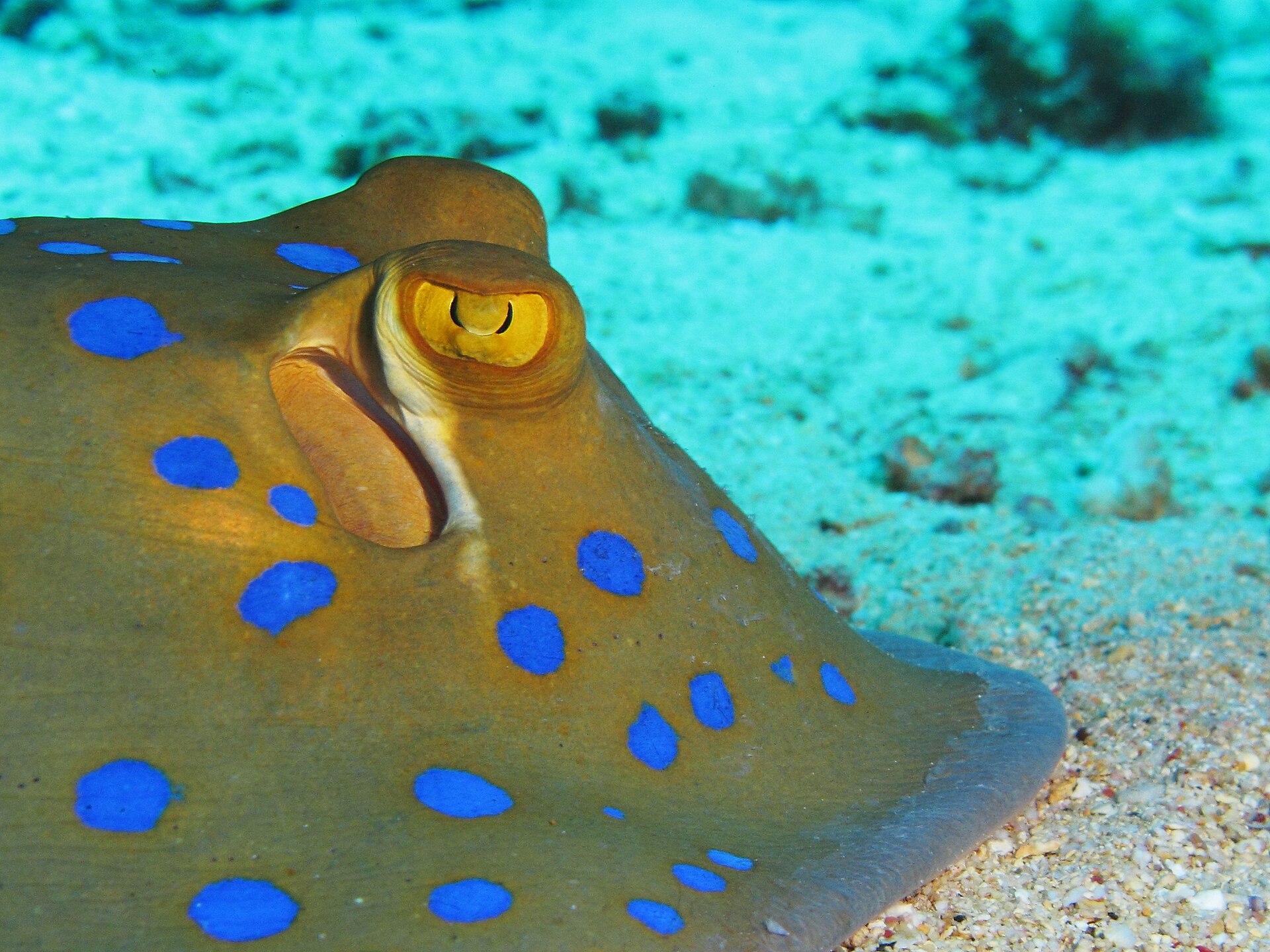
A century and a half of shipwrecks has made Abu Nuhas an artificial reef in four pieces. The hulls are carpeted with orange and red soft corals and hard corals, nudibranchs hide on them, and each wreck has its tenants: glassfish and sweepers fill the Giannis D engine room, morays live in the Carnatic's ribs, lionfish hunt in every passageway, groupers and crocodilefish rest on the plates. On the sand at the foot of the Giannis D, bluespotted ribbontail rays let you get close. Trevallies and tuna pass in the current above the structures, and a turtle sometimes comes to graze on the top of the reef where you end the dive.
| Species | J | F | M | A | M | J | J | A | S | O | N | D | Note |
|---|---|---|---|---|---|---|---|---|---|---|---|---|---|
 Glassfish | peak season | peak season | peak season | peak season | peak season | peak season | peak season | peak season | peak season | peak season | peak season | peak season | the Giannis D engine room is full of them |
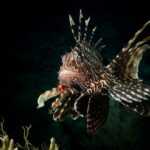 Lionfish | peak season | peak season | peak season | peak season | peak season | peak season | peak season | peak season | peak season | peak season | peak season | peak season | in the passageways and under the plates, on all four wrecks |
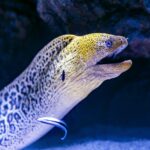 Giant moray | peak season | peak season | peak season | peak season | peak season | peak season | peak season | peak season | peak season | peak season | peak season | peak season | in the structures of the Carnatic and the Giannis D |
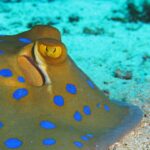 Bluespotted ribbontail ray | peak season | peak season | peak season | peak season | peak season | peak season | peak season | peak season | peak season | peak season | peak season | peak season | on the sand, at the foot of the Giannis D |
| Groupers and crocodilefish | peak season | peak season | peak season | peak season | peak season | peak season | peak season | peak season | peak season | peak season | peak season | peak season | resting on the plates and the sand |
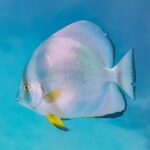 Orbicular batfish | possible | possible | possible | possible | possible | possible | possible | possible | possible | possible | possible | possible | a few above the superstructures |
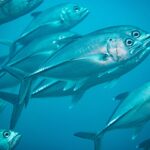 Bigeye trevally | possible | possible | possible | possible | possible | possible | possible | possible | possible | possible | possible | possible | hunting above the wrecks, in the current |
| Tuna | possible | possible | possible | possible | possible | possible | possible | possible | possible | possible | possible | possible | hunting above the wrecks, in the current |
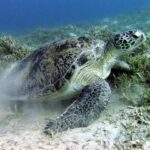 Green turtle | possible | possible | possible | possible | possible | possible | possible | possible | possible | possible | possible | possible | passing over the top of the reef, at the end of the dives |
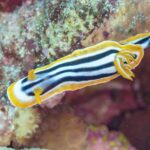 Nudibranchs | peak season | peak season | peak season | peak season | peak season | peak season | peak season | peak season | peak season | peak season | peak season | peak season | on the soft corals carpeting the hulls |
peak seasonpossiblerare
What is diving like at the Abu Nuhas wrecks?
The four wrecks line up along the north face between 4 and 32 meters, and most of the diving happens between 18 and 30 meters: you do two in a day, one per dive. The Giannis D, listing to port, is visited from bow to stern, with the bridge and engine room for trained divers; the Carnatic, lying on its port side between 18 and 27 meters, is swum through its open ribs; the Chrisoula K runs from 4 to 27 meters, and the Kimon M, from 15 to 32 meters, is the deepest and most exposed. The current varies, sometimes strong along the reef, and the surge is felt in the shallower parts. Advanced is recommended; Open Water divers are accepted on the upper parts with a guide.
When to dive the Abu Nuhas wrecks?
idealgoodnot recommended
The wrecks are dived all year; the sea decides. They all lie on the north face of the reef, the one facing open water and the prevailing wind: boats anchor on the calm south side, and it is when you cross to the other side that you meet the swell, the surge and the current. When the north wind blows hard, especially in winter, dive centers postpone the trip or fall back on the Giannis D and the Carnatic, the best sheltered. The water drops to 22°C in February and March and rises to 29°C in August; visibility ranges from 15 to 30 meters.
How to get to the Abu Nuhas wrecks?
Sha'ab Abu Nuhas lies in the Strait of Gubal, at the mouth of the Gulf of Suez, northwest of Shadwan Island. From Hurghada or El Gouna, day boats take two to two and a half hours, for two dives on two wrecks and lunch on board: at Diving Star, the day costs €50 with park fees, transfers and lunch, plus a €25 supplement per wreck dive. All "north" liveaboards from Hurghada stop here, with time to do all four wrecks, and continue to the Thistlegorm and Ras Mohammed. Hurghada airport has direct flights from France; the full visa, US$25, is available on arrival or online.
Stay in Hurghada
Where to find a dive guide in the Abu Nuhas wrecks?
Guided tours you can book online, ranked by number of reviews. These are affiliate links: if you book, you support us at no extra cost.

 Viator
Hurghada Diving Adventure one Day with two Dives Boat Trip
5.0 (896 reviews)View and book Viator
Full day diving with private guide, lunch drinks transportation
5.0 (320 reviews)View and book Viator
Makadi Bay Scuba Diving & Snorkel for Beginners 2 Dives Boat Trip
4.9 (107 reviews)View and book Viator
Hurghada: Full-Day Diving Tour with Lunch & Two Dive Sites
4.8 (90 reviews)View and book Viator
PADI Open Water Course In Hurghada
5.0 (44 reviews)View and book Viator
Hurghada PADI Open Water Diver Course 3 Days with Full Equipment
4.8 (28 reviews)View and bookWhere to stay near the Abu Nuhas wrecks?
Hotels, apartments and rooms around Hurghada, with current prices.
Which hotels to choose near the Abu Nuhas wrecks?
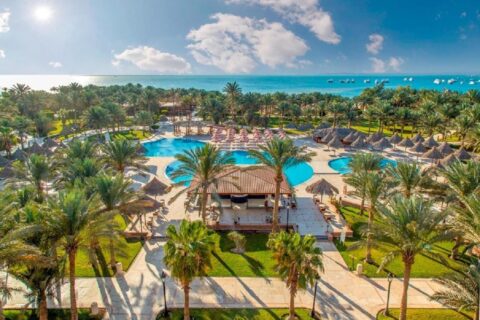
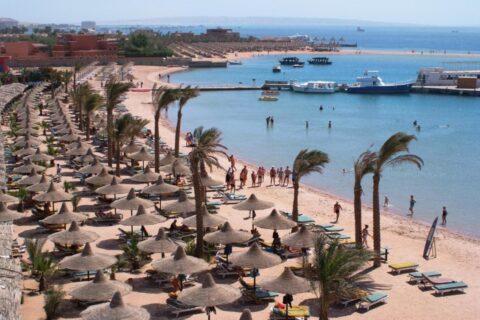
Why are there so many wrecks at Abu Nuhas?
Sha'ab Abu Nuhas barely breaks the surface at the mouth of the Gulf of Suez, on the route of ships heading down from the canal into the Red Sea. Poorly marked and invisible at night, it claimed four cargo ships in just over a century, all on its north face, the seaward side. The wrecks stayed where they slid off the reef, between 4 and 32 meters, close enough to one another that a day on the boat covers two. That is what makes Abu Nuhas the most visited wreck site in the Red Sea after the Thistlegorm.
What is left of the Carnatic, wrecked in 1869?
The oldest and, for many, the most beautiful. The Carnatic is a British steamer of the P&O company, built in 1862, which ran aground on the reef in September 1869 on her way from Suez to Bombay. The ship stayed stuck on the coral, then broke up; about thirty people died in the wreck. The wooden deck disappeared long ago: what remains is the hull lying on its port side between 18 and 27 meters, and above all its iron ribs, rising in an open lattice that light passes straight through. Divers swim through it from the inside, among morays and glassfish, and come out at the bow or the stern, both covered in soft corals.
How do you dive the Giannis D, wrecked in 1983?
The Giannis D is a 99 meter Greek cargo ship that ran aground on the reef in 1983, a few dozen meters from the Carnatic. It is the most complete wreck on the site: the stern, intact, lies listing to port between 13 and 27 meters, with its funnel, its bridge and its engine room, which you enter at an angle, since everything is tilted, in a cloud of glassfish. The bow, broken off, stands on the reef, and the midsection has collapsed. Shallow and roomy, it is also the most accessible penetration on the reef, for trained divers with a guide.
What are the Chrisoula K and Kimon M wrecks like?
The Chrisoula K, a Greek cargo ship the same size as the Giannis D, hit the reef in 1981 with a load of Italian floor tiles, hence its nickname, the tile wreck: the bow is crushed on top of the reef, the stern rests at 27 meters, and the holds are still full of stacked tiles. The Kimon M, wrecked in 1978 with a cargo of lentils, is the deepest, between 15 and 32 meters, and the most exposed to swell: it is the first one dive centers drop from the schedule when the sea picks up, and so the least visited of the four, which gives it calmer marine life.
How do you plan a day trip to Abu Nuhas?
From Hurghada, Abu Nuhas is a long trip: two to two and a half hours at sea on the way out, two wrecks, lunch at anchor on the south side, and back in the late afternoon. It depends on the weather, and dive centers schedule it when the wind allows, often with one or two days' notice. The Giannis D and the Carnatic are the classic pair; the Chrisoula K and the Kimon M are mostly done on liveaboards, when you have time to stay on the reef. "North" liveaboards from Hurghada spend a full day here, sometimes two, before heading up to the Thistlegorm.
Our tip
Schedule Abu Nuhas early in your stay, because dive centers postpone the trip as soon as the sea picks up. Ask for the Giannis D and the Carnatic, the finest and best sheltered. Bring a light for the Giannis D engine room, where everything is tilted.
Other dive sites nearby
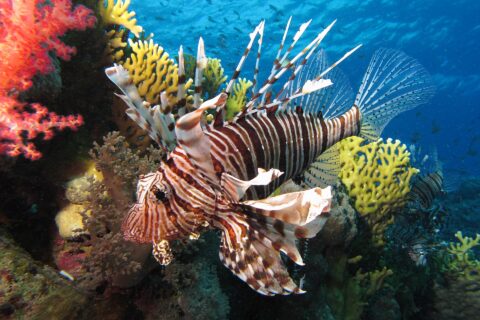
 EgyptWreck
Dunraven wreck
Northern Red Sea, Egypt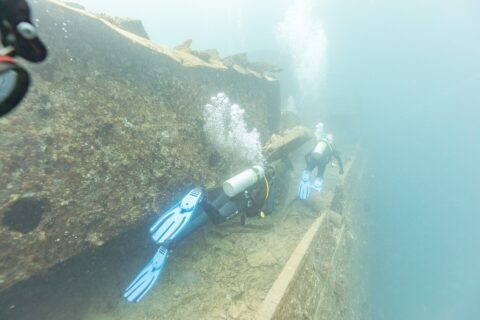 EgyptWreck
SS Thistlegorm
Northern Red Sea, Egypt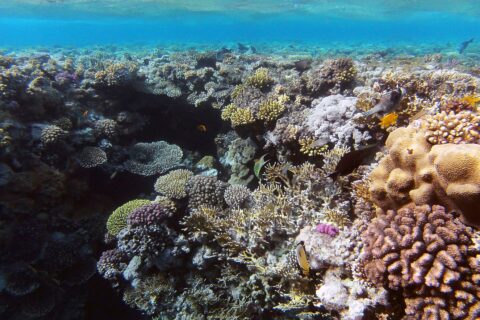 EgyptReef