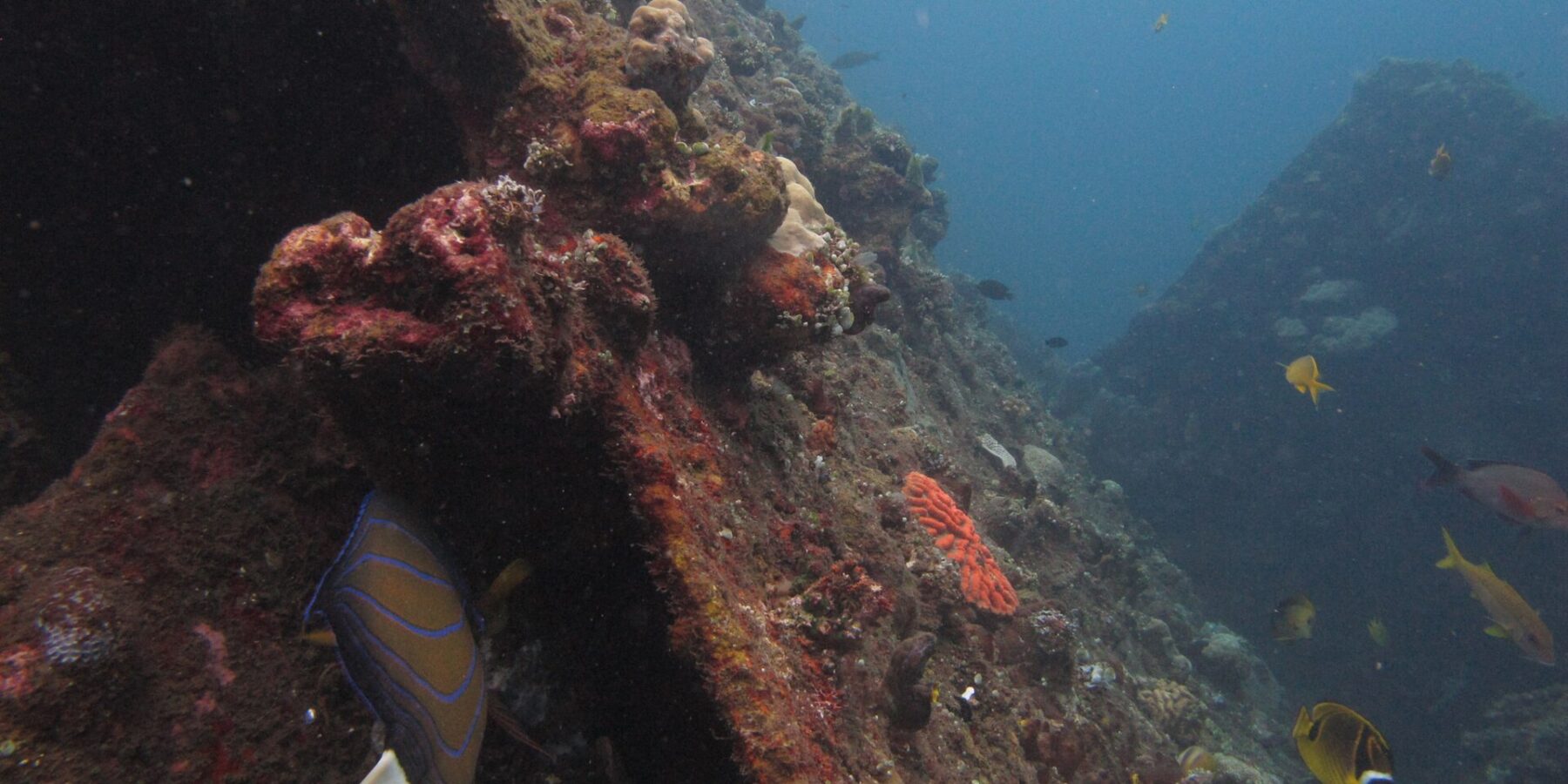
The USAT Liberty is a 125 m American cargo ship, torpedoed in 1942 and beached at Tulamben, then pushed into the sea by the eruption of Mount Agung in 1963. It lies between 5 and 30 m, about thirty meters from shore, you dive it from the beach at any level, and bumphead parrotfish leave it in schools at dawn.
Why dive the Liberty?
- A 125 m cargo ship completely colonized by coral, from 5 to 30 m, thirty meters from shore
- A shore dive for every level, from try dives to night dives
- Bumphead parrotfish leaving the wreck in schools at dawn
- A resident ball of trevally, barracuda, pygmy seahorses on the sea fans
- The Coral Garden and the Drop-off a few hundred meters away, for the rest of your stay
The Liberty in pictures
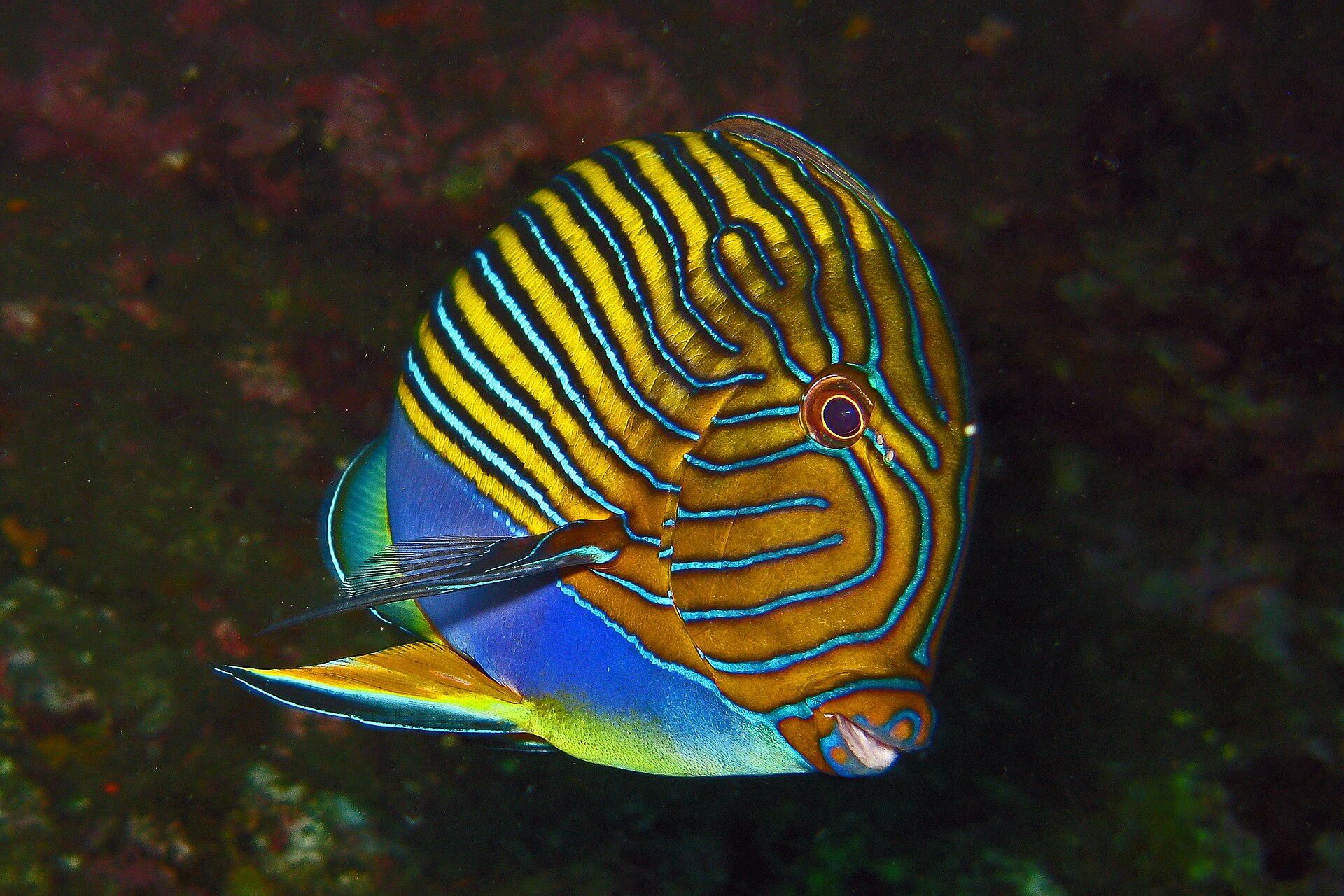
What will you see at the Liberty?
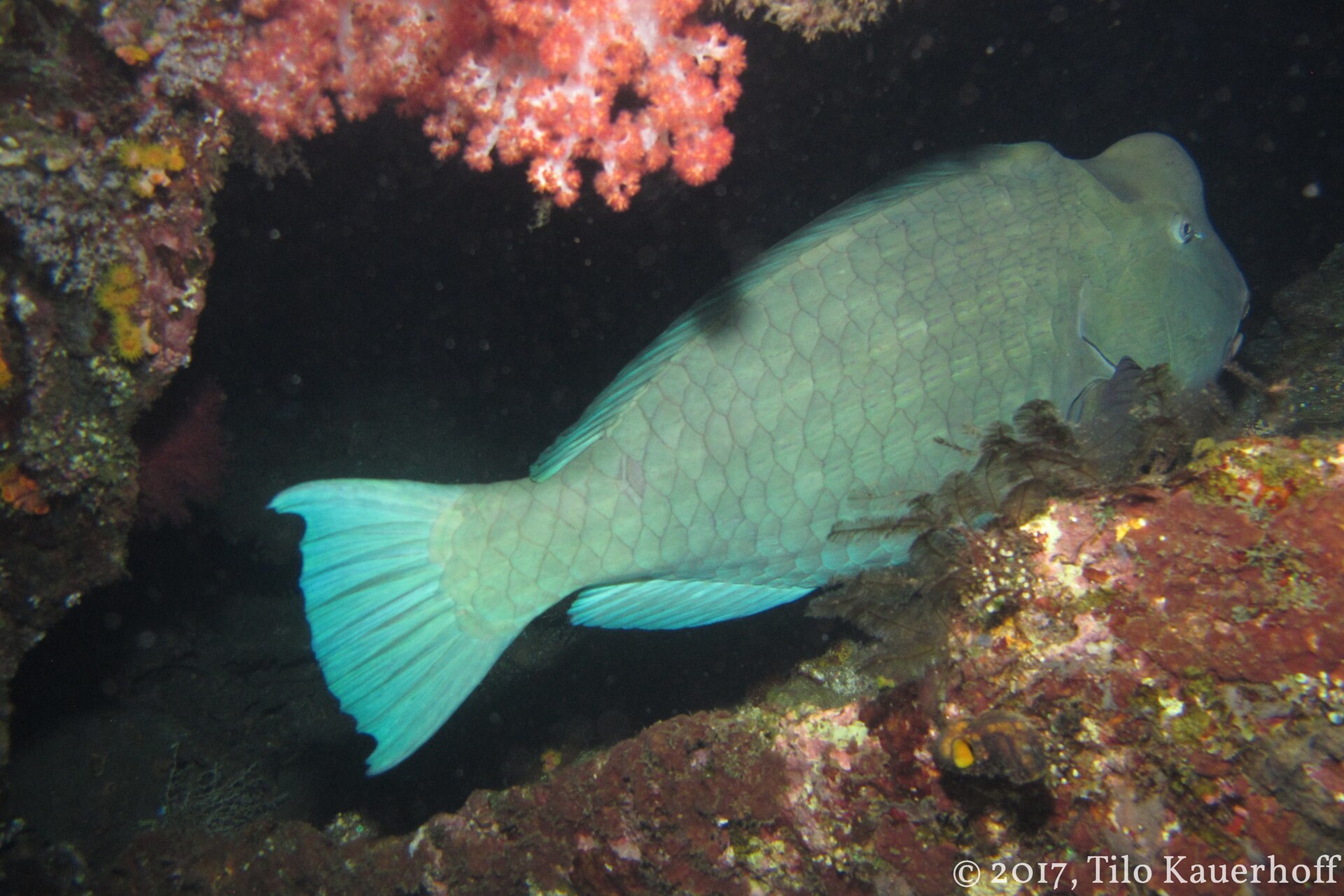
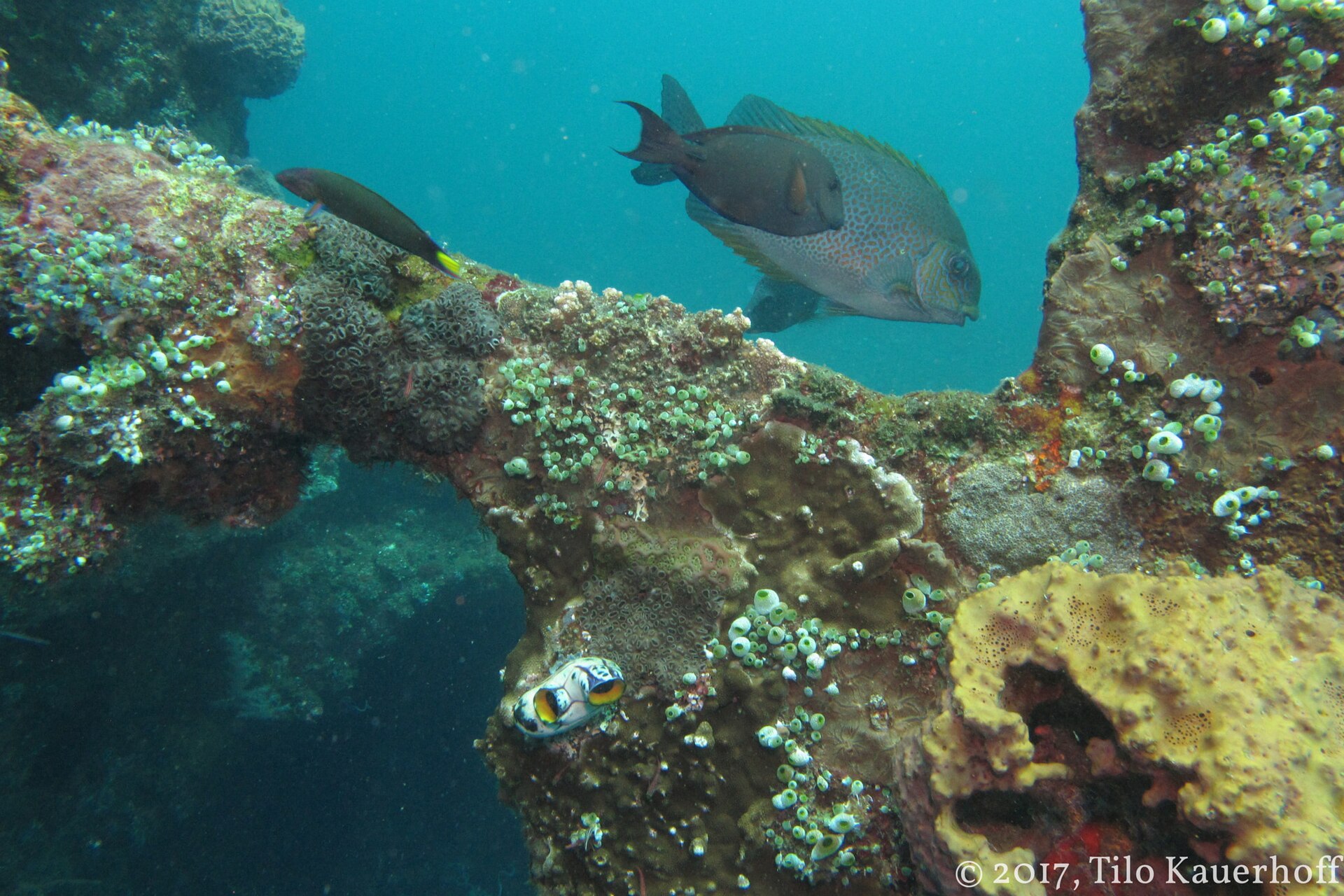
Sixty years underwater have turned the Liberty into a reef in its own right: the hull plates vanish under sea fans, sponges and soft corals, and hundreds of species live on a wreck you can cover in a single dive. The morning show is the exit of the bumphead parrotfish, which sleep inside the structure and emerge in a school at first light. A resident ball of trevally circles above the deck; great barracuda hang motionless in the blue, groupers and angelfish patrol the hull. For macro, the guides know the sea fans with pygmy seahorses, the frogfish sitting on sponges, the leaf scorpionfish and the many nudibranchs. Turtles pass by; blacktip reef sharks and eagle rays remain rare encounters, off the stern.
| Species | J | F | M | A | M | J | J | A | S | O | N | D | Note |
|---|---|---|---|---|---|---|---|---|---|---|---|---|---|
 Bumphead parrotfish | peak season | peak season | peak season | peak season | peak season | peak season | peak season | peak season | peak season | peak season | peak season | peak season | schooling at dawn: they sleep in the wreck and leave it at first light |
 Bigeye trevally | peak season | peak season | peak season | peak season | peak season | peak season | peak season | peak season | peak season | peak season | peak season | peak season | a resident ball of trevally above the structure |
 Great barracuda | possible | possible | possible | possible | possible | possible | possible | possible | possible | possible | possible | possible | loners hanging motionless above the deck |
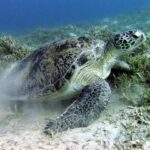 Green turtle | possible | possible | possible | possible | possible | possible | possible | possible | possible | possible | possible | possible | passing over the wreck and the nearby Coral Garden |
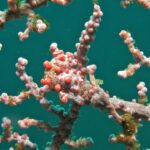 Pygmy seahorse | peak season | peak season | peak season | peak season | peak season | peak season | peak season | peak season | peak season | peak season | peak season | peak season | on the sea fans on the hull, between 12 and 25 m, pointed out by the guide |
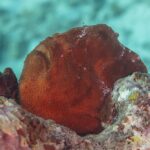 Frogfish | peak season | peak season | peak season | peak season | peak season | peak season | peak season | peak season | peak season | peak season | peak season | peak season | sitting on sponges and in the nooks of the hull plates |
| Leaf scorpionfish | peak season | peak season | peak season | peak season | peak season | peak season | peak season | peak season | peak season | peak season | peak season | peak season | sitting on sponges and in the nooks of the hull plates |
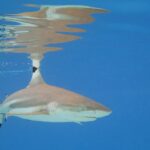 Blacktip reef shark | possible | possible | possible | possible | possible | possible | possible | possible | possible | possible | possible | possible | rare, off the stern |
peak seasonpossiblerare
What is diving like at the Liberty?
The highest point of the wreck is at 5 m, the sand at 30: everyone finds their depth, from try dives on the bow section to deep dives on the stern and rudder, around 28 m. The ship lies on its side, bow to the west, stern to the east, and its open structure can be explored without penetration: you pass under beams and cross collapsed holds, always with an exit in sight. Current is light, and visibility runs from 10 to 20 m depending on the season and time of day. Entry is from a beach of volcanic pebbles, with village porters for the tanks; about twenty meters of finning and you're on the wreck. Open Water is enough; dive centers also run try dives here.
When to dive the Liberty?
idealgoodnot recommended
The wreck can be dived year-round in 27 to 29°C water, as the Tulamben coast is sheltered from the prevailing wind. The dry season, April to October, gives the best visibility, 15 to 20 m; the end of the year, October and November, and the start of the southeast monsoon, May to July, are the calmest periods. From December to March, rain clouds the water near the coast and visibility drops to around ten meters, though diving goes on. The time of day matters more than the season: at dawn, the water is flat, the wreck is empty and the bumphead parrotfish are there; after 10 a.m., buses of divers from southern Bali arrive, up to a hundred people a day in high season.
How to get to the Liberty?
Tulamben is a village on Bali's northeast coast, in the Karangasem regency, two and a half hours by road from Denpasar airport. Dive centers line the road, a few minutes' walk from the wreck: Matahari Tulamben charges IDR 350,000 per shore dive, guide, tank and porter included, for a minimum of two divers, IDR 500,000 for a night dive and IDR 225,000 for full gear rental; Dive Concepts offers three dives in a day for IDR 1,100,000 and five dives over two days for IDR 1,785,000, gear and Nitrox included. From Sanur, Kuta or Ubud, the same centers run day trips by car with two dives and lunch, but arriving in late morning means hitting the rush hour. The Bali provincial levy, IDR 150,000 per visit, is paid on the Love Bali portal or at the airport; the visa on arrival costs IDR 500,000.
Stay in Tulamben
Where to find a dive guide in the Liberty?
Guided tours you can book online, ranked by number of reviews. These are affiliate links: if you book, you support us at no extra cost.

 Viator
Open Water Course in Tulamben - Get Certified in Bali
5.0 (513 reviews)View and book Viator
Discover Scuba Diving in Tulamben - Diving Initiation in Bali best diving sites
5.0 (356 reviews)View and book Viator
Advanced Open Water Course - Advanced Certification in Tulamben
4.9 (143 reviews)View and book Viator
Bali Diving Day Trip-Manta Point/Tulamben Shipwreck-Fun Dive
4.9 (106 reviews)View and book Viator
5 Fun Dives in Tulamben (for certified divers) - Discover famous diving sites
4.9 (104 reviews)View and book Viator
Open Water + Advanced Course - Premium Certifications Package in Tulamben
5.0 (80 reviews)View and bookWhere to stay near the Liberty?
Hotels, apartments and rooms around Tulamben, with current prices.
How did a 1918 cargo ship, torpedoed in 1942, slide into the sea at Tulamben in 1963?
The Liberty is a 125 m, 13,130-ton cargo ship launched on June 19, 1918 at the Federal Shipbuilding yard in Kearny, New Jersey. A US Army transport, it served during World War I, then in the merchant navy, before the army took it back in 1940. On January 11, 1942, loaded with rubber and railway parts, it was torpedoed by the Japanese submarine I-66 about ten miles southwest of the Lombok Strait. Taken in tow by two destroyers, the American Paul Jones and the Dutch Van Ghent, it took on too much water to reach a port: it was beached at Tulamben, where its cargo was salvaged.
It sat on the pebbles for twenty years. In 1963, the eruption of Mount Agung, the volcano that towers over the coast, shook the beach: the ship slid into the water and settled on the slope, about thirty meters from shore, where it still lies. The black pebbles on the beach come from the same eruption.
What can you see on the USAT Liberty wreck?
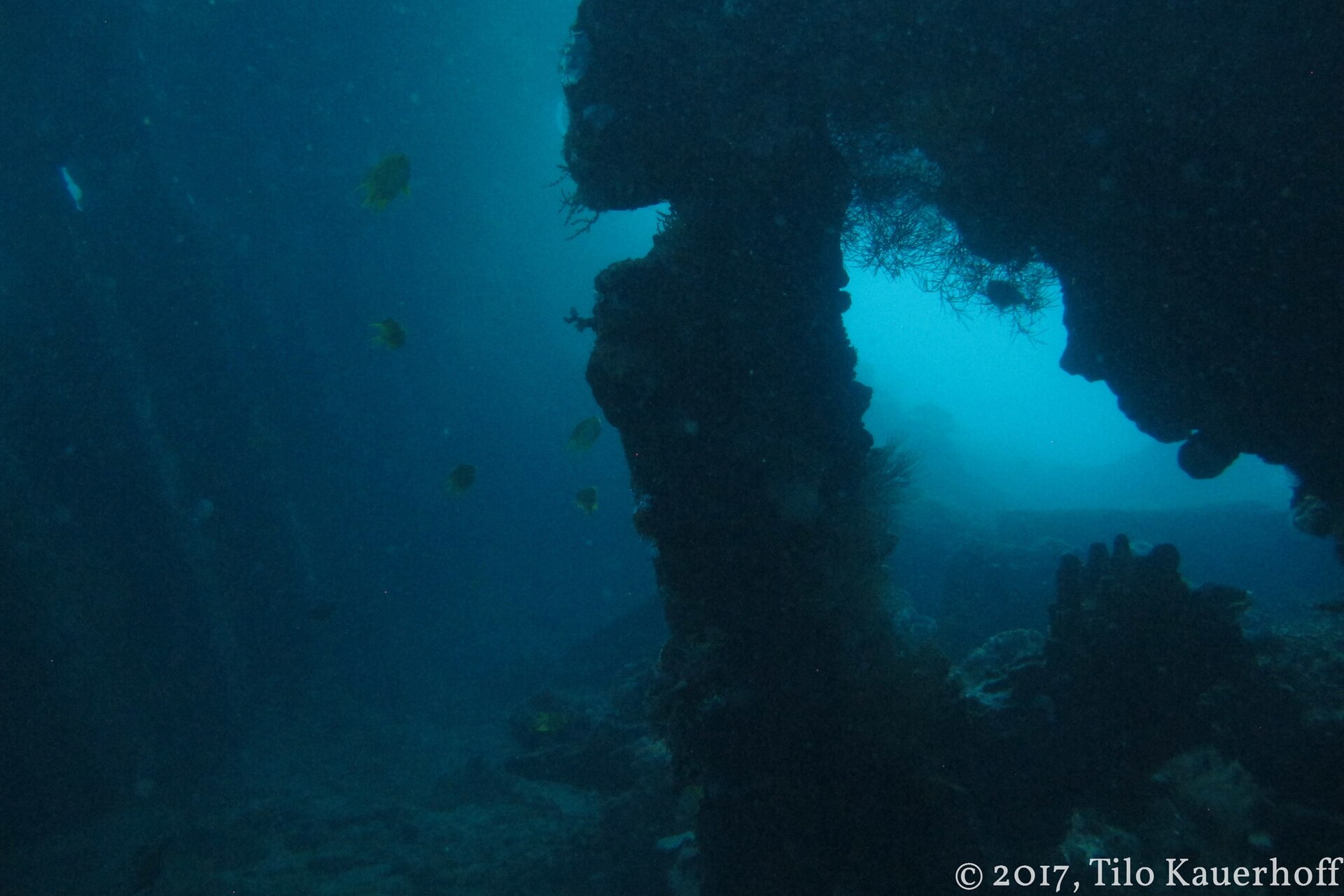
The wreck lies on its side, parallel to the beach, bow to the west and stern to the east. The shallow bow section starts at 5 m: spread plates, beams, a gutted structure where coral has covered everything. Toward the middle, between 12 and 20 m, the open holds and the remains of the superstructure shelter bumphead parrotfish at night and balls of trevally by day. The stern, the most intact part, drops to around 28 m with its rudder and a gun that is still recognizable. Everywhere, sea fans and soft corals have taken over the plates, to the point that you have to look for the metal.
When and how should you shore dive the Liberty?
Everything is done on foot. You gear up at the dive center, the porters carry the tanks to the beach, you walk in over pebbles that roll under your fins, and the wreck is right there after about twenty meters of finning. The first dive is at dawn, when the water is flat and the bumphead parrotfish leave the wreck; the second can go to the stern, the third to the Coral Garden or the Drop-off, a few hundred meters away; at night, the same nooks fill with shrimp, crabs and sleeping fish. With a hundred divers on some days, respecting the wreck matters: no leaning on the plates, no fin kicks in the holds, nothing taken up.
What else can you dive in Tulamben besides the Liberty?
Tulamben is more than the Liberty. Two hundred meters to the east, the Coral Garden, between 4 and 25 m, is a garden of hard corals and underwater statues, with clownfish, morays and ghost pipefish. Farther on, the Drop-off, a lava wall that plunges beyond 60 m, offers giant sea fans and passing pelagics. The village keeps you shore diving for three or four days, and the coast's dive centers add Amed, Seraya and, by boat, the sites of Jemeluk Bay.
Our tip
Stay in Tulamben and dive at 6 a.m.: the bumphead parrotfish are still there and the buses from the south arrive after 10 a.m. Wear booties, since the entry is over pebbles. Save a dive for the stern and the rudder, at 28 m.
Other dive sites nearby
 IndonesiaPelagic
Crystal Bay
Bali and Nusa Penida IndonesiaPelagic
Castle Rock
Komodo IndonesiaReef