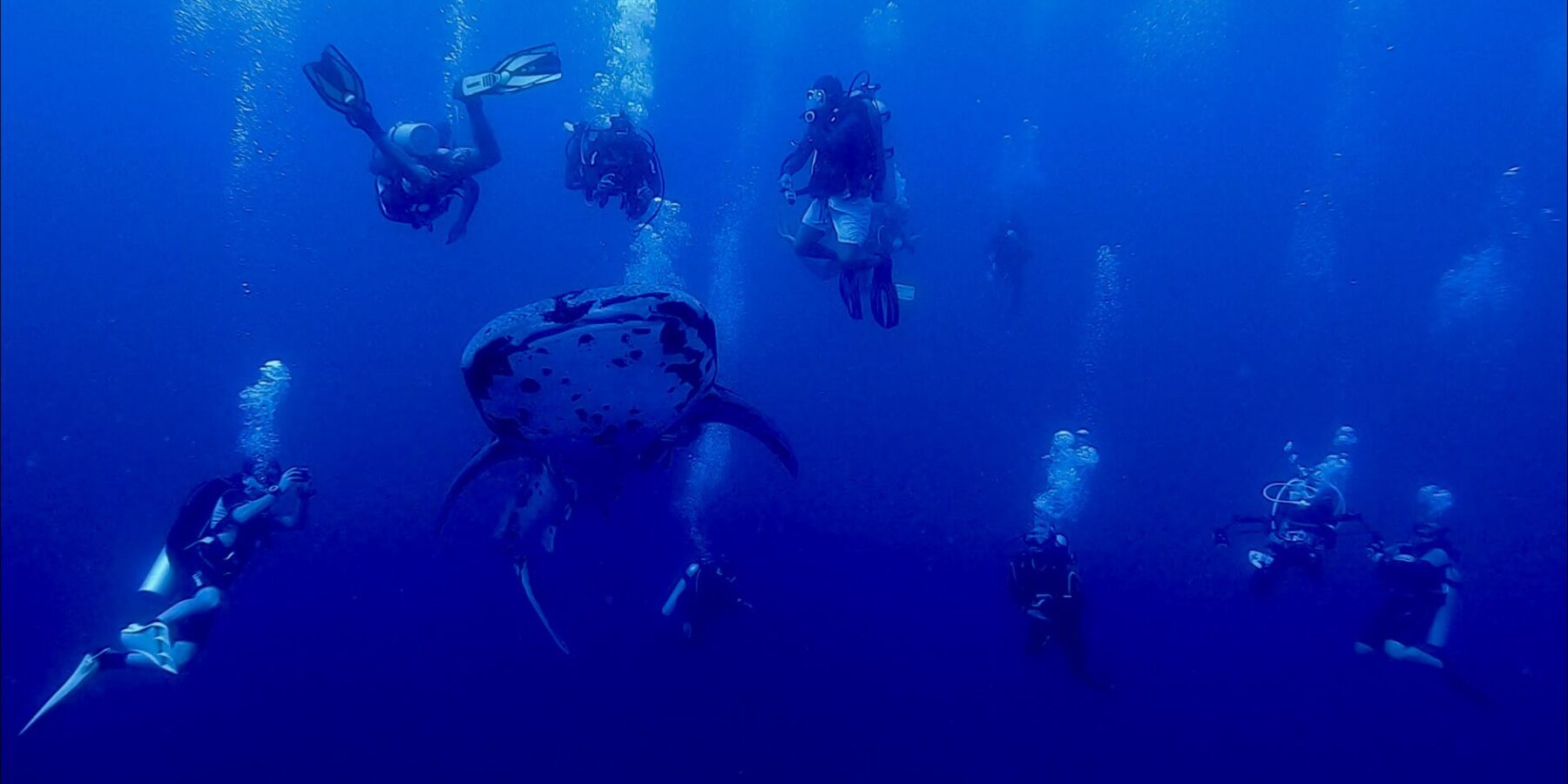
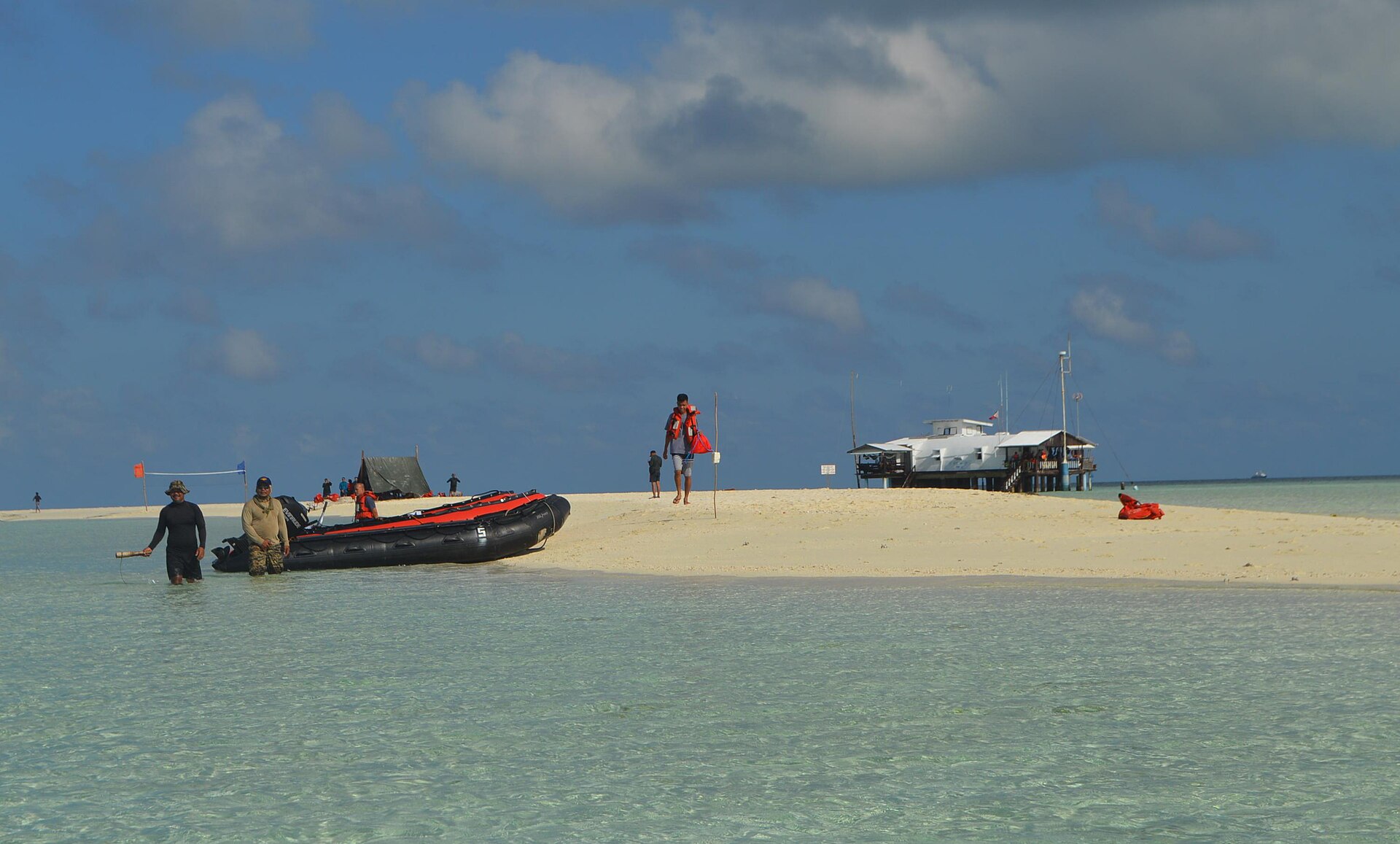
Tubbataha Reef brings together two atolls 150 km off Palawan, in the open Sulu Sea. Its walls plunge beyond 100 m, reef sharks and turtles show up on almost every dive, and this World Heritage park can only be dived by liveaboard, from mid-March to mid-June.
Why dive Tubbataha Reef?
- A UNESCO World Heritage Site since 1993 and a strict 97,030-hectare no-take zone, in the heart of the Coral Triangle
- Vertical walls deeper than 100 m, drift-dived in 20 to 40 m visibility
- 360 coral species, nearly 90% of those in the Philippines, and some 700 fish species
- Reef sharks and turtles on almost every dive, with hammerheads, mantas and whale sharks possible
- Three months a year, by liveaboard only: dives with no other boat on the horizon
The dive site on the map
Base: Puerto Princesa, 163 km as the crow flies.
See nearby dive sites on the mapTubbataha Reef in pictures
What will you see at Tubbataha Reef?
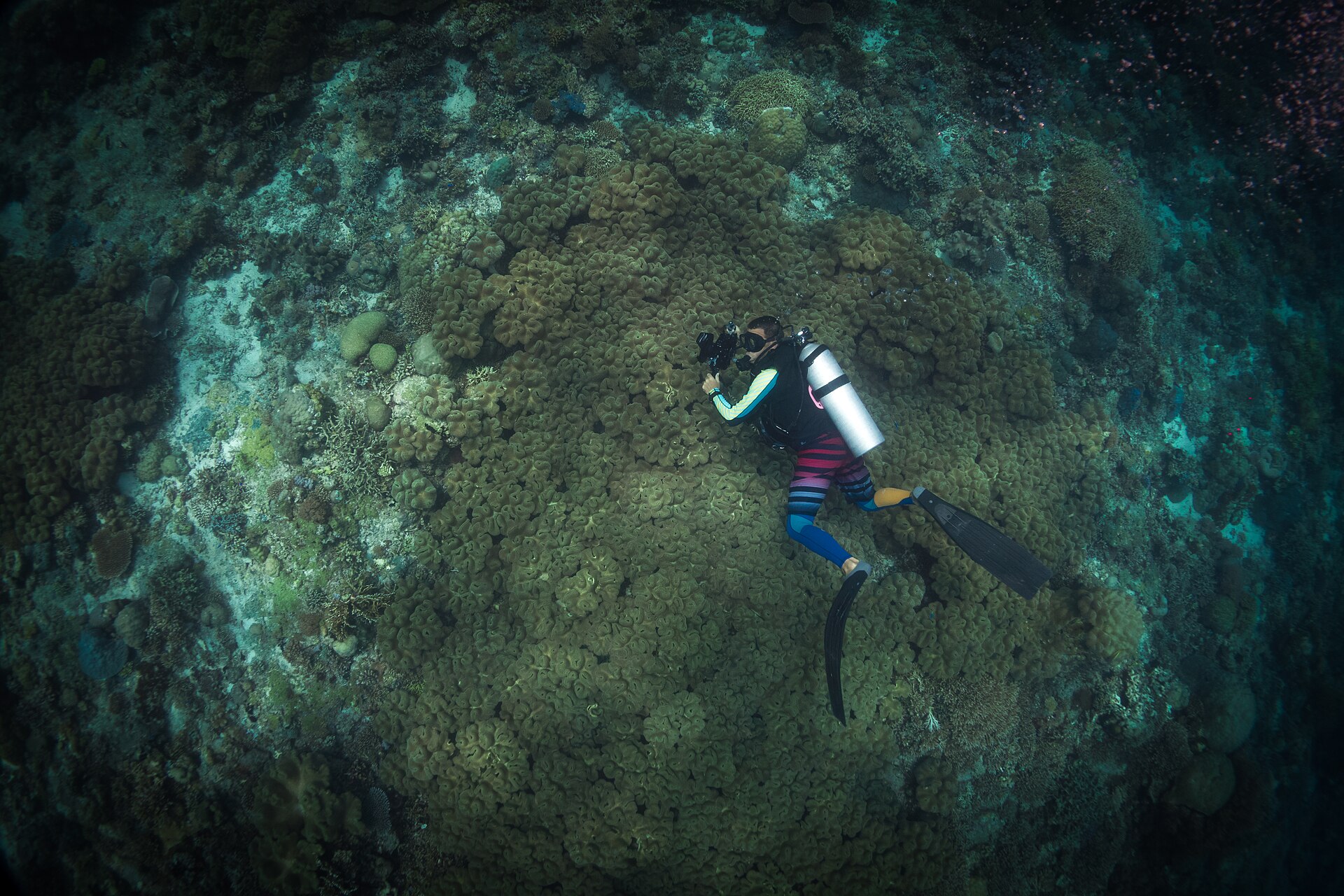
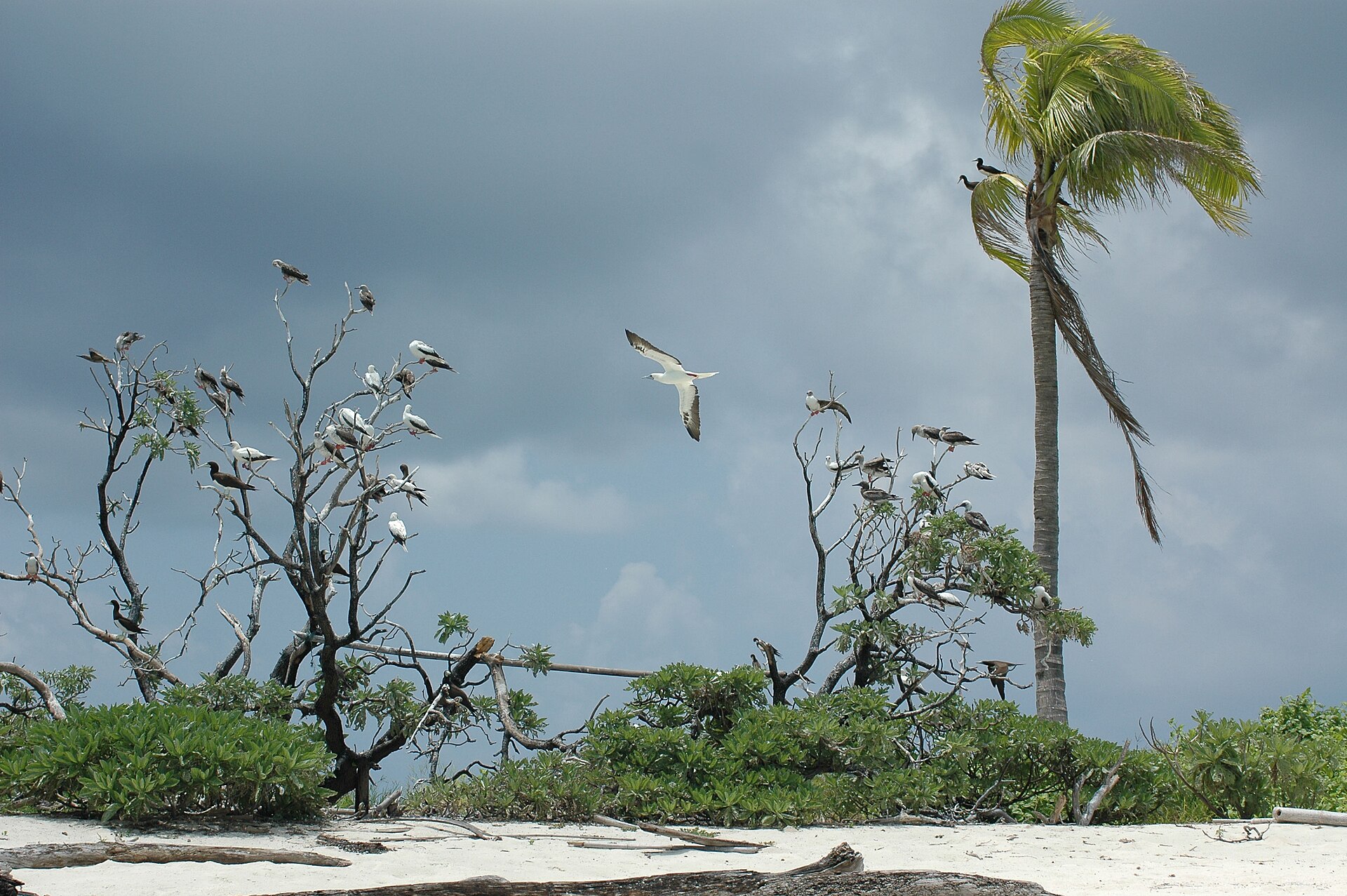
Tubbataha packs 360 coral species, nearly 90% of those in the Philippines, and some 700 fish species onto two atolls in the middle of the Sulu Sea. Reef sharks are seen every day: whitetips, blacktips and gray reef sharks, especially on the northern side of North Atoll and on the Shark Airport plateau. Green and hawksbill turtles nest on the islets and cross paths with divers on almost every dive. Along the walls pass schools of barracuda, giant trevally and dogtooth tuna, on the south side of North Atoll; a Napoleon wrasse guards Amos Rock. Mantas frequent Washing Machine and the Malayan Wreck, hammerheads show up early in the morning, deep, at South Atoll and Jessie Beazley, and whale sharks appear on some days along the Staghorn Point wall. Tiger sharks are reported, rarely. Pygmy seahorses live in the sea fans of Seafan Alley. Eleven to thirteen cetacean species visit the park, and the islets hold the country's largest colonies of brown boobies.
| Species | J | F | M | A | M | J | J | A | S | O | N | D | Note |
|---|---|---|---|---|---|---|---|---|---|---|---|---|---|
 Gray reef shark | rare | rare | possible | peak season | peak season | possible | rare | rare | rare | rare | rare | rare | every day on the northern side of North Atoll, with whitetips and blacktips |
 Green turtle | rare | rare | possible | peak season | peak season | possible | rare | rare | rare | rare | rare | rare | on almost every dive; it nests on the park's islets |
 Hawksbill turtle | rare | rare | possible | peak season | peak season | possible | rare | rare | rare | rare | rare | rare | on the reef flats and the tops of the walls; it also nests in the park |
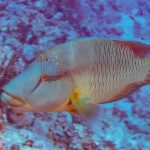 Napoleon wrasse | rare | rare | possible | peak season | peak season | possible | rare | rare | rare | rare | rare | rare | at Amos Rock, on North Atoll |
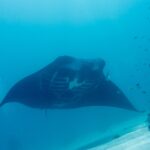 Reef manta ray | rare | rare | possible | possible | possible | possible | rare | rare | rare | rare | rare | rare | at Washing Machine and the Malayan Wreck, unpredictable |
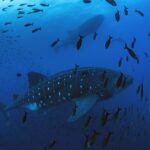 Whale shark | rare | rare | possible | possible | possible | possible | rare | rare | rare | rare | rare | rare | passing along the Staghorn Point wall, on South Atoll, on some days |
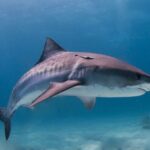 Tiger shark | rare | rare | possible | possible | possible | possible | rare | rare | rare | rare | rare | rare | reported in the park, rare |
| Hammerheads | rare | rare | possible | possible | possible | possible | rare | rare | rare | rare | rare | rare | early in the morning and deep, at South Atoll and Jessie Beazley |
| Barracuda | rare | rare | possible | peak season | peak season | possible | rare | rare | rare | rare | rare | rare | schooling along the walls, especially at Staghorn Point |
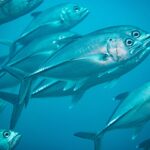 Bigeye trevally | rare | rare | possible | peak season | peak season | possible | rare | rare | rare | rare | rare | rare | on the south side of North Atoll, in the blue off the wall |
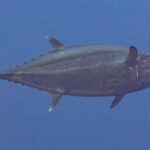 Dogtooth tuna | rare | rare | possible | peak season | peak season | possible | rare | rare | rare | rare | rare | rare | on the south side of North Atoll, in the blue off the wall |
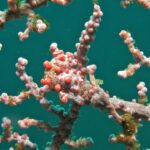 Pygmy seahorse | rare | rare | possible | peak season | peak season | possible | rare | rare | rare | rare | rare | rare | on the sea fans of Seafan Alley |
peak seasonpossiblerare
What is diving like at Tubbataha Reef?
The atolls' reef flats start around 5 to 7 m and the walls drop vertically for more than 100 m: you dive on the wall, between 10 and 40 m, and the bottom is never a reference. The current is the real story. Strong and shifting with depth, it turns most dives into drifts, and down-currents lurk along the walls; Washing Machine, on the south side of North Atoll, strings together violent currents that test even experienced divers. Jessie Beazley is simpler, a plateau from 7 to 12 m and then a wall to 50 m, which two dives circle. Visibility runs from 20 to 40 m, sometimes 10 depending on the tide, sometimes 45. Boats require Advanced Open Water, 50 logged dives and comfort in current; they ban gloves and reef hooks, limit dives to 60 minutes and don't run night dives, because of the walls and the current. A medical form is required before boarding. The park is 150 km from the coast: you dive well within your limits.
When to dive Tubbataha Reef?
idealgoodnot recommended
The park is open to diving only from mid-March to mid-June, when the Sulu Sea is calmest; the rest of the year, the northeast monsoon, from November to March, then the southwest monsoon and typhoons, from July to October, rule out the ten-hour crossing and no boat goes. April and May are the most stable months; in March and June, the season is open for only part of the month and the sea is less reliable. Dates are set each year; some boats schedule departures from early March. The water averages 27.7°C in March and 29.9°C in June, with lows around 27°C: a 3 mm wetsuit is enough, or 5 mm or a hooded vest for four dives a day. Reef sharks and turtles are seen all season; hammerheads, mantas and whale sharks remain unpredictable, more frequent when the current is strong and the water full of plankton. Spots are booked 12 to 18 months ahead, years ahead for Easter and Golden Week.
How to get to Tubbataha Reef?
There is no inhabited island or hotel at Tubbataha: a liveaboard is the only way to dive it, and only boats accredited by the park office can enter. You fly to Manila, then one hour on to Puerto Princesa, in Palawan, arriving the day before. Boarding is in the late afternoon or evening, followed by a ten-hour overnight crossing, and the dives start in the morning; six or seven nights on board, up to four dives a day. Twelve boats were accredited at the end of 2025, including the Atlantis Azores, the two Philippine Aggressors, the Philippine Siren 2, the Seadoors and the Infiniti. The 2026 season is over and price lists now show 2027: the Philippine Siren, six nights, departures on March 23 and June 1, 2027, from US$4,680 (€4,180), plus US$205 in park and port fees; the Atlantis Azores, seven nights, departures on March 6, April 3 and May 29, 2027, from US$4,595 (€4,110). The park entry fee is PHP 5,000 per person, payable in pesos before entry, free for children under 12. Prices checked on October 14, 2026.
Stay in Puerto Princesa
Where to stay near Tubbataha Reef?
Hotels, apartments and rooms around Puerto Princesa, with current prices.
What is Tubbataha Reef, in the middle of the Sulu Sea?
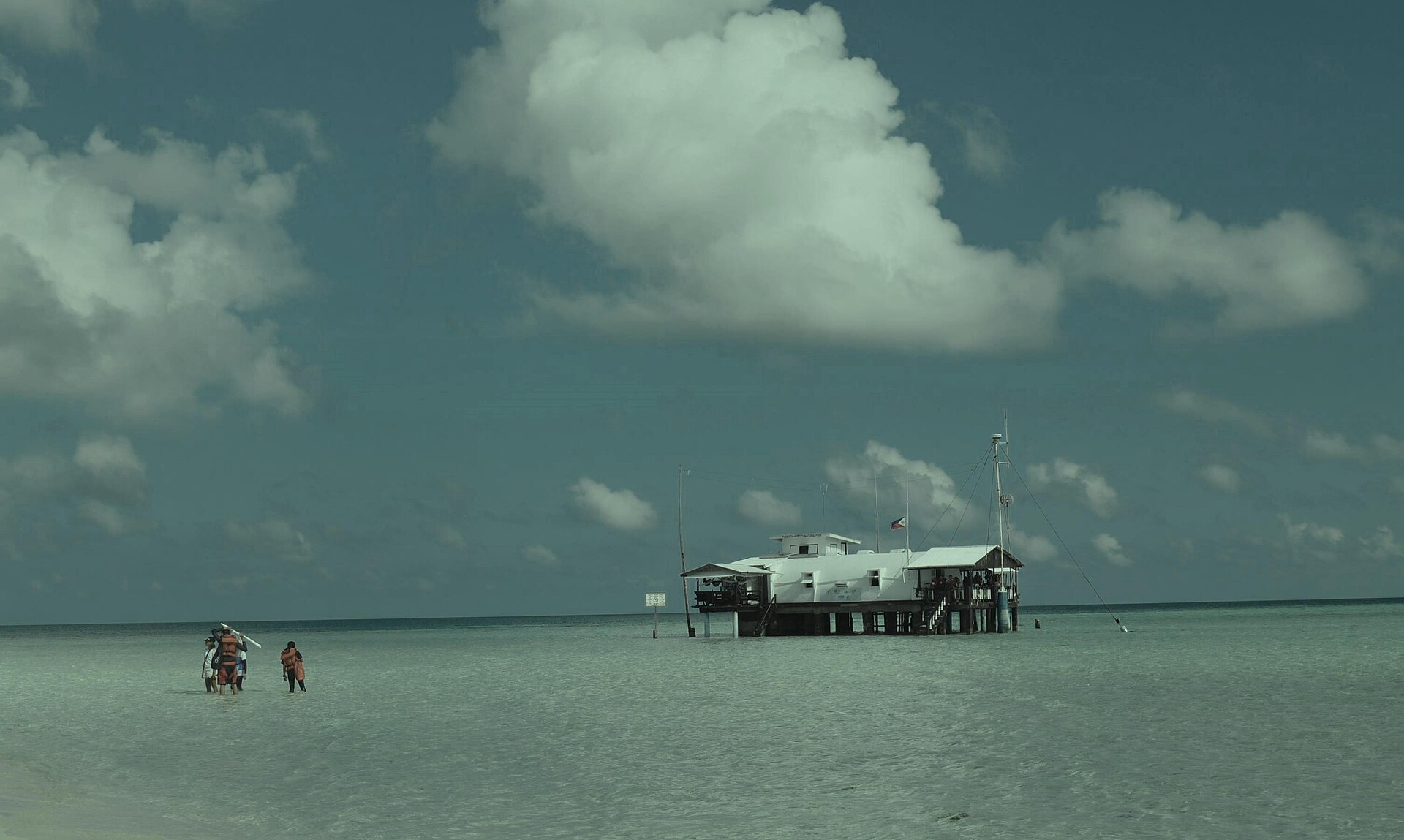
Tubbataha comes from the Sama-Bajau words tubba and taha, a long reef exposed at low tide; the fishermen of Cagayancillo, the municipality it belongs to, 130 km to the northeast, call it Gusong. The park brings together two true atolls, North and South, about fifteen kilometers apart, and the Jessie Beazley cay, 20 km farther north, all sitting on the Cagayan Ridge, an extinct Miocene volcanic arc: fringing reefs grew around islands that then sank, following the pattern Darwin described, and changes in sea level carved the slopes into steps. Around them, the open sea is 750 m deep on average. Each atoll carries a coral islet with no fresh water, and so uninhabited; the South Atoll wall runs for 12 km. The ranger station, built in 2000 on the southeastern islet of North Atoll, is the park's only building: ten to twelve men from the navy, the coast guard, Cagayancillo and the park office take turns there every two months.
How did Tubbataha go from dynamite fishing to World Heritage Site?
In the 1980s, the reefs were fished with dynamite and cyanide. On August 11, 1988, Proclamation 306 by Corazon Aquino made Tubbataha the first national marine park in the Philippines, covering 332 km2. UNESCO listed it as a World Heritage Site in December 1993, and Ramsar in 1999; on August 23, 2006, Proclamation 1126 enlarged the park to 970 km2 by adding Jessie Beazley and reclassified it as a natural park, an extension recognized by UNESCO in 2009. An ASEAN Heritage Park in 2015 and an IMO Particularly Sensitive Sea Area since July 25, 2017, the reef appears on the back of the 1,000-peso bill of the 2010 series. Angelique Songco, whom everyone calls Mama Ranger, has run the park since 2001; rangers were still arresting illegal fishermen in 2012, 2015, 2017, 2021 and 2023.
Ships have done more damage than fishermen. Greenpeace's Rainbow Warrior ran aground on October 31, 2005 and damaged about a hundred square meters of coral. On January 17, 2013, the USS Guardian, an American minesweeper, ran aground on South Atoll; it had to be cut up on site, the last section left on March 30, and 2,345 square meters of reef were destroyed: the United States paid 87 million pesos on January 20, 2015. In 2020, bleaching affected up to 20% of the hard coral, and plastics from Malaysia, Indonesia and Vietnam wash up on the islets.
What does a week of diving at Tubbataha look like, site by site?
A typical dive drifts along a wall of sea fans and soft corals, with gray reef sharks, trevally and tuna offshore, then rises toward the hard corals, anthias, bannerfish and triggerfish, ending the safety stop on the reef flat, among big coral heads, schools of trevally and barracuda, whitetips and turtles. On North Atoll, Amos Rock is the wall of big sea fans, snappers, groupers, Napoleon wrasse and sharks; Washing Machine is the fast drift with violent, shifting currents; Shark Airport is the plateau where sharks rest near a cleaning station; Seafan Alley is the wall of sea fans and their pygmy seahorses; the Malayan Wreck is a wreck sitting in 2 to 4 m of water, rich in macro, in front of a 60 m wall where mantas pass. On South Atoll, Black Rock lines up schools of Moorish idols and anemones, the Delsan Wreck is dived for its wall, the wreck itself sitting too high, and Staghorn Point draws trevally, barracuda and, on some days, whale sharks. Jessie Beazley, 1.5 km wide, is done in two dives, with its hammerheads and reef sharks. No night dives: the walls and the current rule them out.
Our tip
Book 12 to 18 months ahead and aim for April or May, the most stable months. Arrive with Advanced, 50 dives and a few drifts in current under your belt: the boats check. Bring pesos for the park and a 5 mm wetsuit.
Other dive sites nearby
 PhilippinesWreck
Coron wrecks
Palawan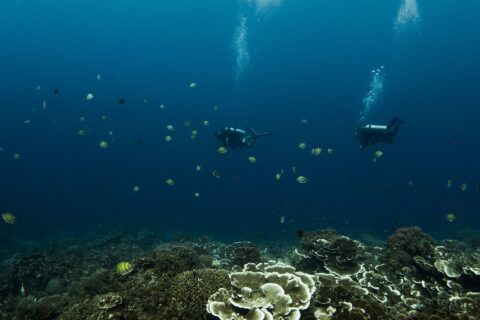 PhilippinesReef
Apo Island
Visayas: Cebu, Bohol and Negros PhilippinesReef