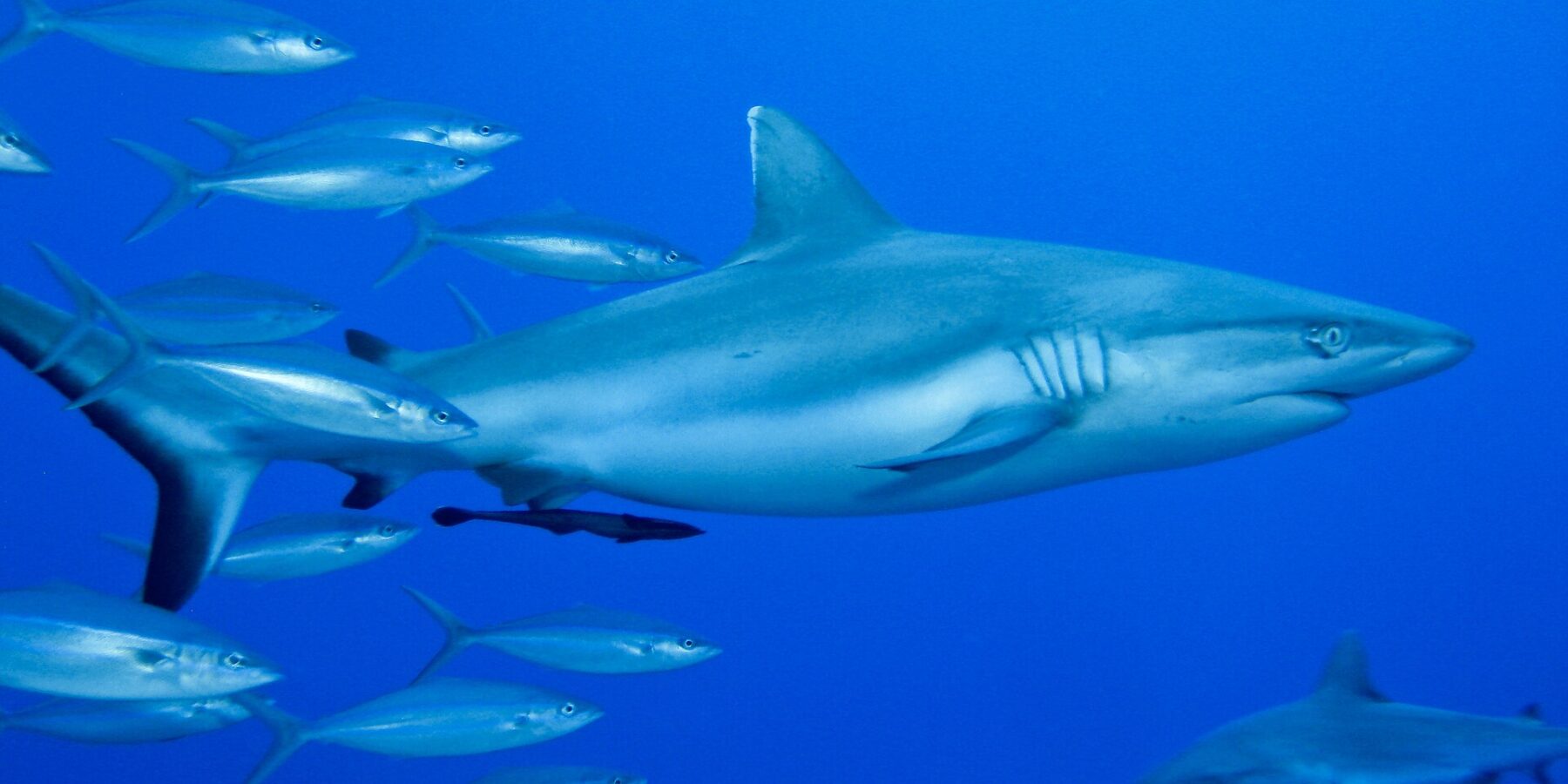
Kandooma Thila is a small pinnacle in South Malé Atoll, with its top at 12 or 13 meters and the sand at 35 or 40. At Jack Corner the strong current gathers gray reef sharks, barracudas and trevallies, with eagle rays out in the blue, and you reach it from the Kandooma resort or from Maafushi.
Why dive Kandooma Thila?
- A teardrop-shaped pinnacle, top at 12 or 13 meters, sand at 35 or 40 meters, in eastern South Malé
- Gray reef and whitetip sharks, barracudas and trevallies hunting at Jack Corner, the western point
- A shark cleaning station at around 30 meters in the northeast when the current flows out
- Eagle rays in the blue, green and hawksbill turtles on the top, Napoleon wrasse on the east face
- 5 kilometers from Maafushi, dives at US$50 all included, or free every day at the Kandooma resort
Kandooma Thila in pictures
What will you see at Kandooma Thila?
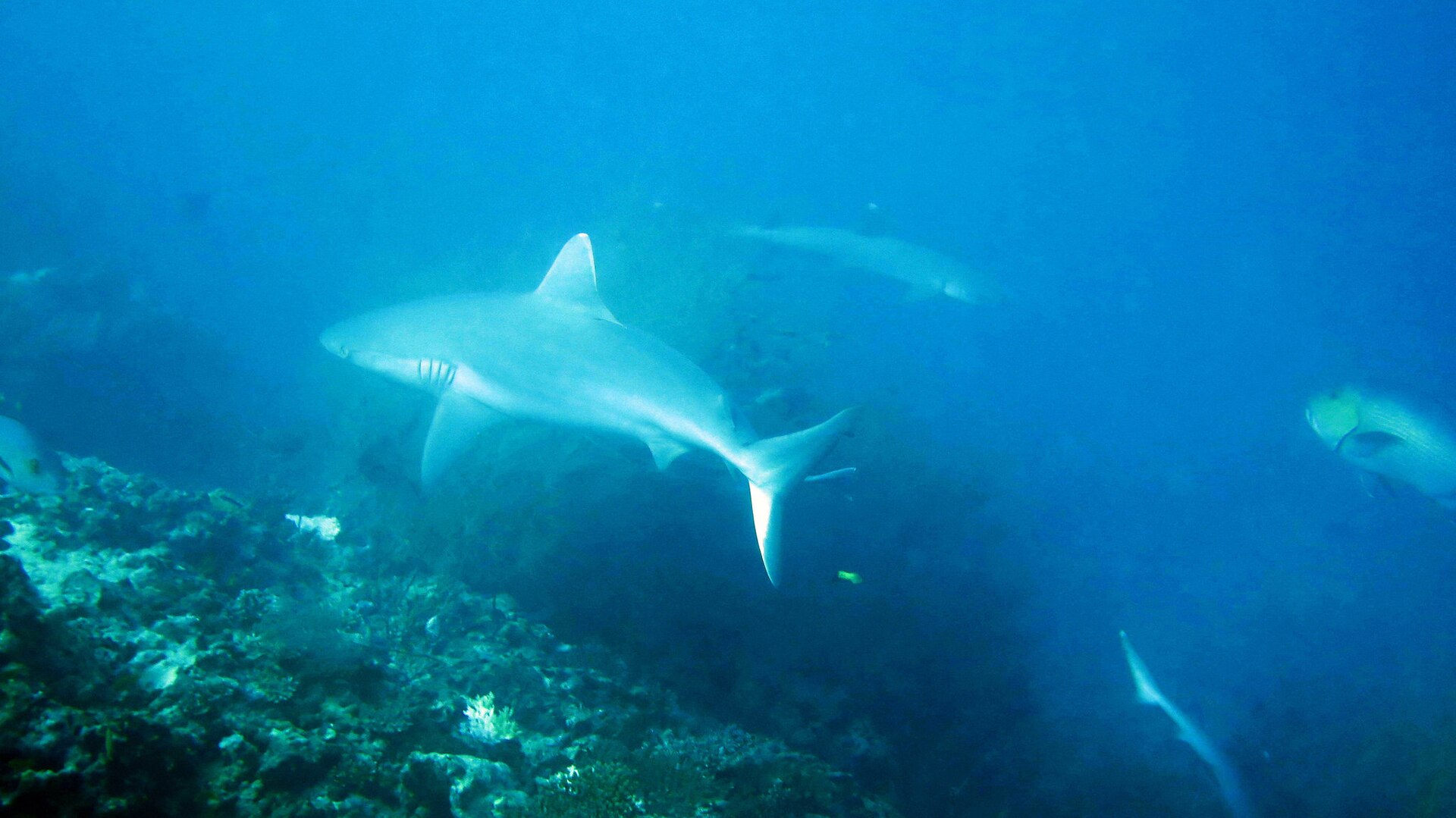
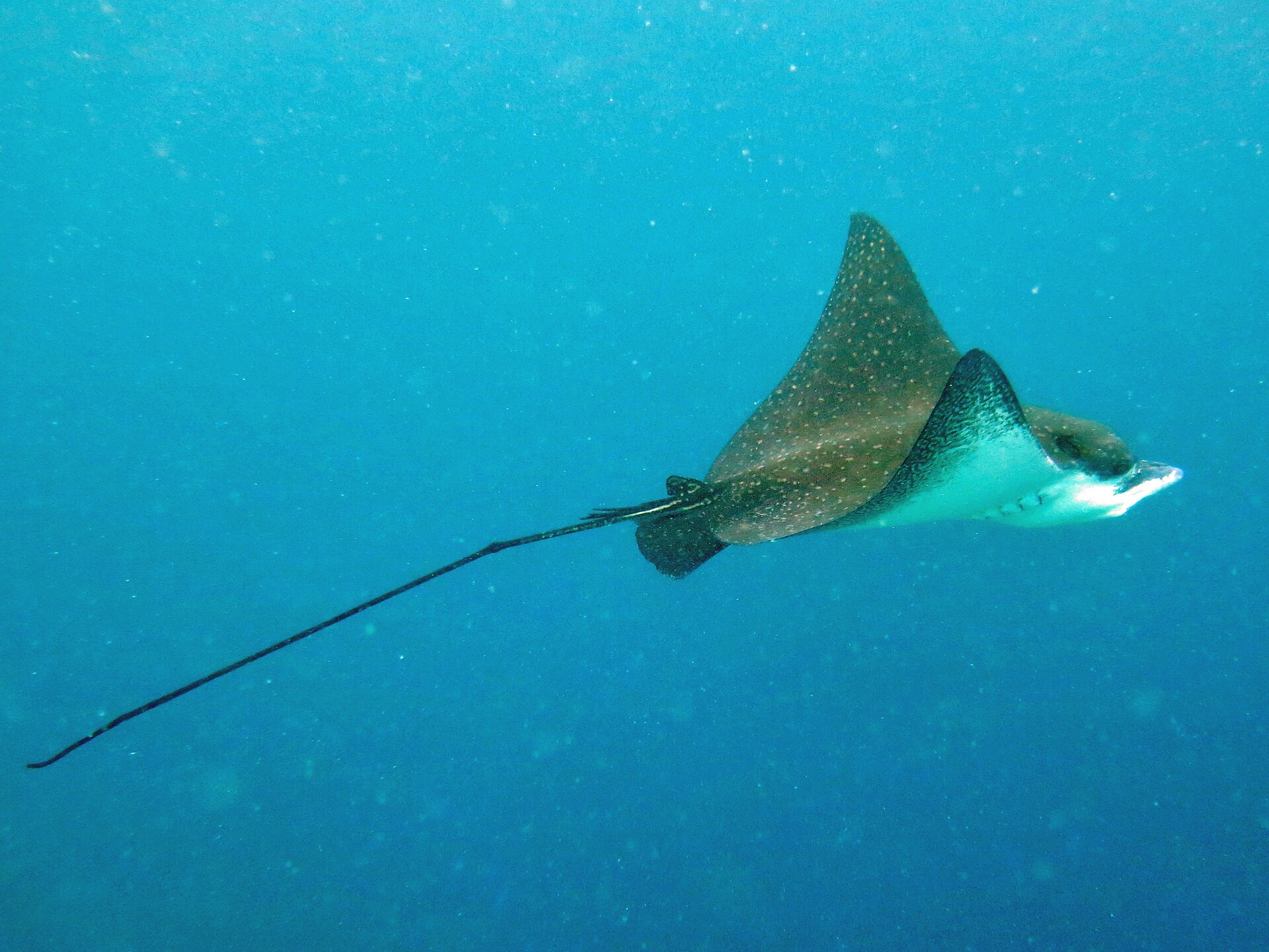
Kandooma Thila is a predator site. At Jack Corner, the western point of the pinnacle, gray reef sharks hunt alone in the current. They stay out in open water, between the thila and the ocean, when the flow comes in, and visit the cleaning station in the northeast, around 30 meters, when it goes out. Whitetip reef sharks join them, with groups of barracudas and bigeye trevallies that swoop on the anthias and glassfish packed against the reef. The top, at 12 or 13 meters, gets green and hawksbill turtles resting among the soft corals, and the current pushes the Napoleon wrasse toward the east face. Spotted eagle rays cross the blue now and then. In the coral blocks and cracks, groupers, snappers, moray eels, angelfish and nudibranchs complete the picture, under overhangs lined with soft corals, sea fans and sponges.
| Species | J | F | M | A | M | J | J | A | S | O | N | D | Note |
|---|---|---|---|---|---|---|---|---|---|---|---|---|---|
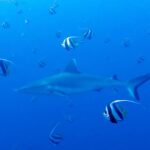 Gray reef shark | peak season | peak season | peak season | peak season | peak season | peak season | peak season | peak season | peak season | peak season | peak season | peak season | hunting at Jack Corner; between the thila and the ocean on an incoming current, at the northeast cleaning station around 30 meters on an outgoing current |
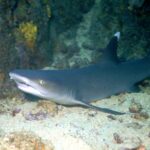 Whitetip reef shark | peak season | peak season | peak season | peak season | peak season | peak season | peak season | peak season | peak season | peak season | peak season | peak season | with the gray reef sharks in the current and under the overhangs |
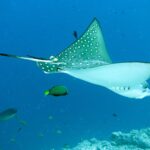 Spotted eagle ray | possible | possible | possible | possible | possible | possible | possible | possible | possible | possible | possible | possible | passing by in the blue, off the pinnacle |
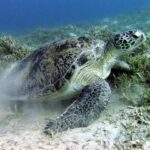 Green turtle | possible | possible | possible | possible | possible | possible | possible | possible | possible | possible | possible | possible | resting on the top of the thila |
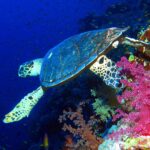 Hawksbill turtle | possible | possible | possible | possible | possible | possible | possible | possible | possible | possible | possible | possible | on the top, among the soft corals |
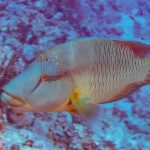 Napoleon wrasse | peak season | peak season | peak season | peak season | peak season | peak season | peak season | peak season | peak season | peak season | peak season | peak season | pushed by the current toward the east face |
| Barracudas | peak season | peak season | peak season | peak season | peak season | peak season | peak season | peak season | peak season | peak season | peak season | peak season | in a group above Jack Corner |
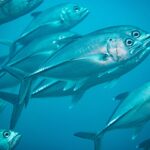 Bigeye trevally | peak season | peak season | peak season | peak season | peak season | peak season | peak season | peak season | peak season | peak season | peak season | peak season | hunting anthias and glassfish against the reef |
| Groupers, snappers and moray eels | peak season | peak season | peak season | peak season | peak season | peak season | peak season | peak season | peak season | peak season | peak season | peak season | in the coral blocks and the cracks along the sides |
peak seasonpossiblerare
What is diving like at Kandooma Thila?
The pinnacle is shaped like a teardrop. Its top sits at 12 or 13 meters and its sides drop to the sand at 35 or 40 meters; 30 meters is the floor, the legal limit in the Maldives. A narrow channel separates it from the island's reef, and that is where the outgoing current runs, from west to east, strong most of the time. Getting back to the thila against the current is almost impossible, so you descend head first, negatively buoyant, straight onto Jack Corner. The strength varies with the tide, and the direction of the current changes the dive: sharks out in the blue on an incoming current, the deep cleaning station on an outgoing one. Visibility ranges from 20 to 35 meters. Advanced level is required, a surface marker buoy is mandatory, and the safety stop is done in the blue, away from the reef. Every dive center asks for a computer and recent experience.
When to dive Kandooma Thila?
idealgoodnot recommended
You can dive the thila all year, and the sharks are resident. The best period runs from November to April: the northeast monsoon calms the sea, visibility climbs to 30 or 35 meters and the crossings from Malé or Maafushi are free of swell. From May to October, the southwest monsoon brings back wind, swell and plankton. Visibility drops to around 20 meters and the boat moves more, but the site stays on the schedule of the Maafushi dive centers, which dive twelve months a year. The water is 28 °C in December and January, 29 °C in March, 30 °C in April, then between 28 and 29 °C until November; at depth, expect 27 °C at the lowest. No species here follows a calendar: the current, not the season, decides what you see, and a dive on an outgoing current has nothing in common with a dive on an incoming one.
How to get to Kandooma Thila?
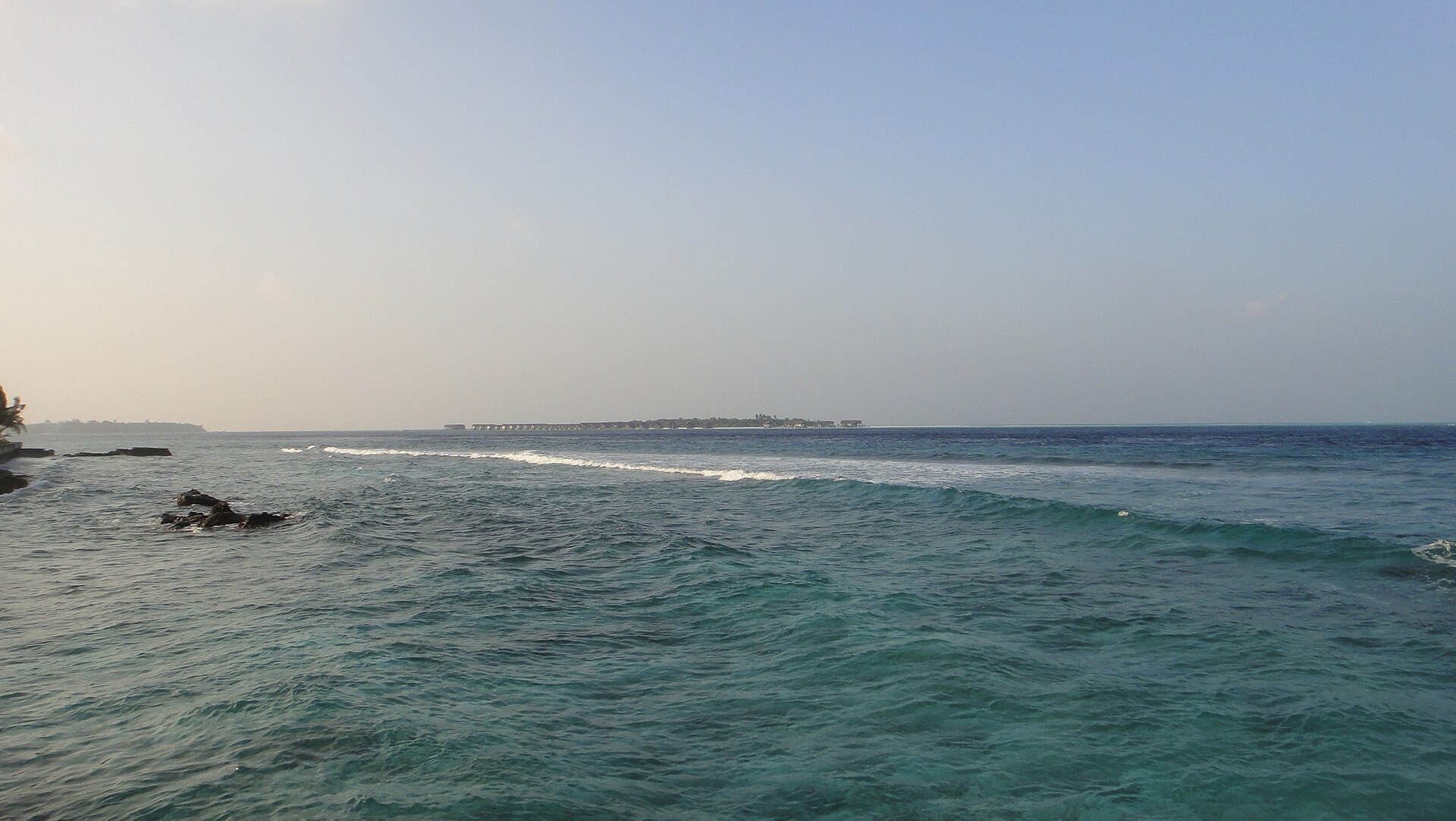
Kandooma Thila lies north of Kandooma island, in the east of South Malé Atoll, about thirty kilometers south of Malé. The Kandooma Maldives resort, 40 minutes by speedboat from the airport, has the site a few minutes away by boat. Its PADI center offers one guided dive a day, with gear, boat and Nitrox included, to certified divers staying at least four nights; extra dives and night dives cost more, in groups of six at most. The local island of Maafushi is 5 kilometers to the northeast. Maafushi Dive and Water Sports, a PADI 5 Star center, puts the thila at the top of its site list and charges US$50 a dive for a certified diver, with boat, guide, full gear and taxes included, US$45 with your own gear, US$430 for ten dives and US$5 extra for Nitrox. Liveaboards out of Malé that cover both Malé atolls stop there too. There is no entry fee: the site is not a protected area.
Stay in Malé
Where to stay near Kandooma Thila?
Hotels, apartments and rooms around Malé, with current prices.
What is Kandooma Thila, the pinnacle in the channel?
A thila is an isolated reef that rises from the lagoon floor without reaching the surface. This one is small and teardrop-shaped, sitting just north of Kandooma island in the east of South Malé Atoll. A narrow channel separates it from the island's reef, and on the falling tide the atoll's water flows out to the ocean through this channel, from west to east. The current speeds up there and hits the western point of the pinnacle, Jack Corner, before splitting along both sides. The top is at 12 or 13 meters and the sand at 35 or 40 meters. In between, the sides carry overhangs covered in soft corals, sea fans and sponges, and coral blocks where groupers and snappers hang out. Unlike Banana Reef or Maaya Thila, the site is not a protected area, but it tops the site list of the Maafushi dive centers and the Kandooma resort.
How do you dive Jack Corner at Kandooma Thila?
On an outgoing current, the dive plays out in three stages. First you descend negatively buoyant, without stopping at the surface, straight onto Jack Corner: that is where most of the action is. Gray reef sharks hunt alone in the flow, whitetips circle lower down, barracudas hold in a group above, and bigeye trevallies swoop on the anthias and glassfish pressed against the reef. Around 30 meters, in the northeast, a cleaning station draws the gray reef sharks, which hang in the current while the wrasses get to work. Then you follow the pinnacle north or south, out of the current, rising to between 13 and 16 meters: turtles on the top, Napoleon wrasse pushed toward the east face, moray eels and nudibranchs in the cracks. You finish on the east face, drifting, with your surface marker buoy up for a safety stop in the blue. On an incoming current, the sharks stay out in open water, between the thila and the ocean, and the dive is done from the top.
How do you photograph and dive Kandooma Thila?
This is wide-angle territory: sharks and trevallies at Jack Corner, the point of the thila against the blue, the sea fan overhangs. Tuck in behind a dead block, facing the current, never put a hand on the coral, and wait: the sharks come on their own toward divers who stay still, bubbles and all. Diving it comes down to three rules. Descend fast, because the current sweeps any diver who lingers at the surface away from the point, and getting back against it is almost impossible. Keep 30 meters as your floor, because the sand is deeper and the cleaning station tempts you down. Keep your surface marker buoy within reach, because the dive ends in open water, away from the reef, and the boat only sees the buoys. Groups are limited to six divers per guide, and a diver without a recent dive does an orientation dive before going to the thila.
Our tip
Descend fast with an empty BCD, without stopping at the surface: against the current, getting back to Jack Corner is almost impossible. Do not go below 30 meters, and stay tucked behind a block of dead coral. Get your surface marker buoy ready before the end, as the safety stop is in open water.
Other dive sites nearby
 MaldivesReef
Banana Reef
Malé atolls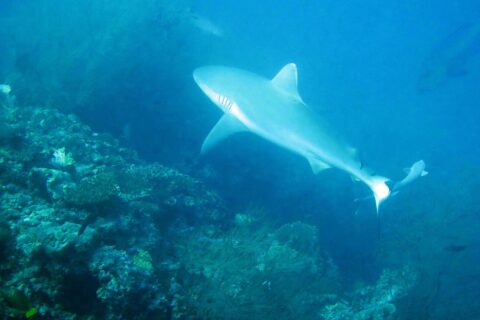 MaldivesReef
Fish Head (Mushimasmingili Thila)
Ari and Rasdhoo atolls MaldivesPelagic