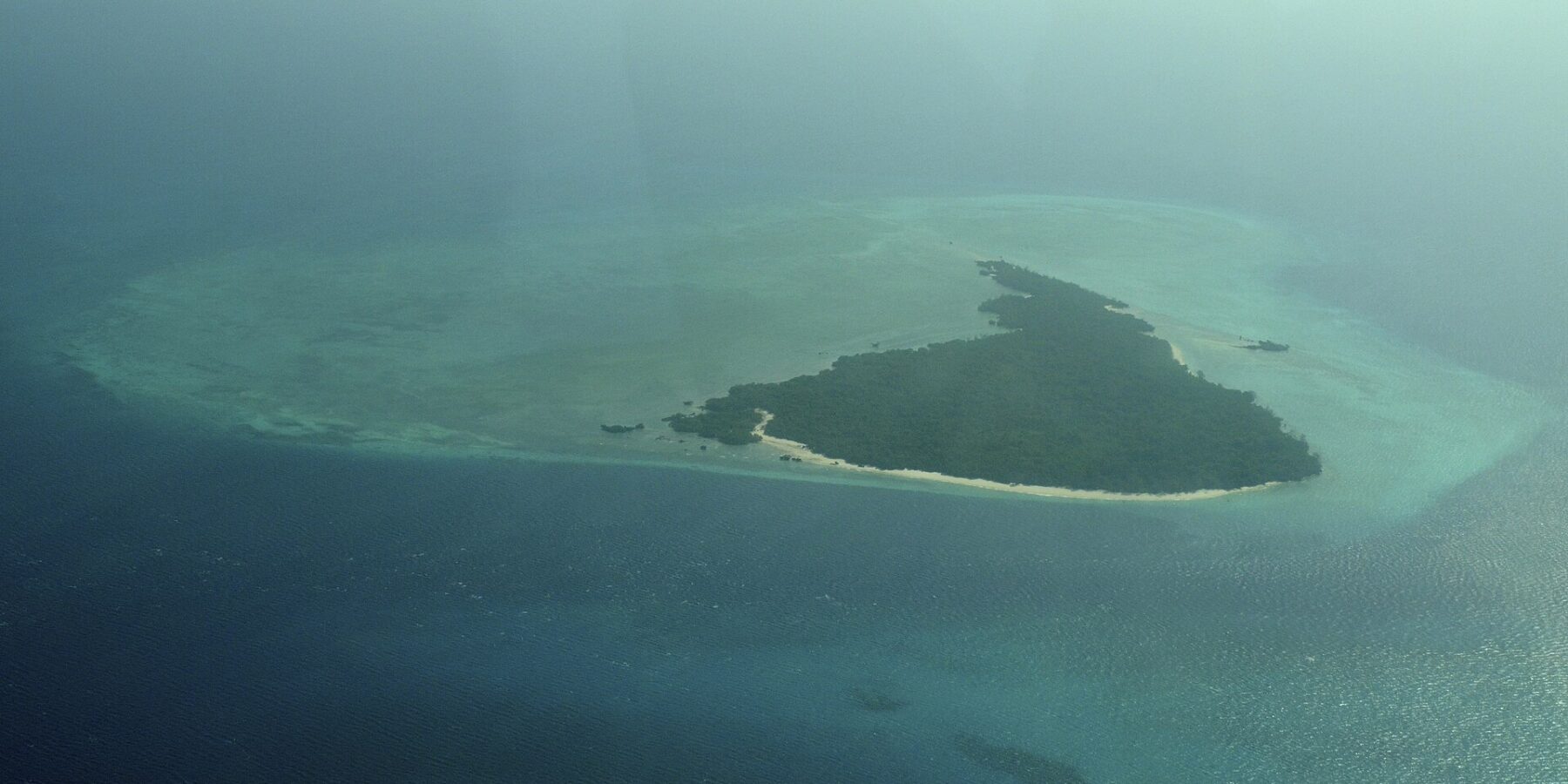
Misali is a reserve island of less than one square kilometer in the Pemba Channel, 10 kilometers from Chake Chake, with coral gardens that start at the beach, a wall rising from 80 to 5 meters and more than 300 fish species. Divers of every level can dive it, twenty minutes from Fundu Lagoon.
Why dive Misali Island?
- A 0.9-square-kilometer reserve island with no residents, whose reef starts at the beach and drops into the Pemba Channel
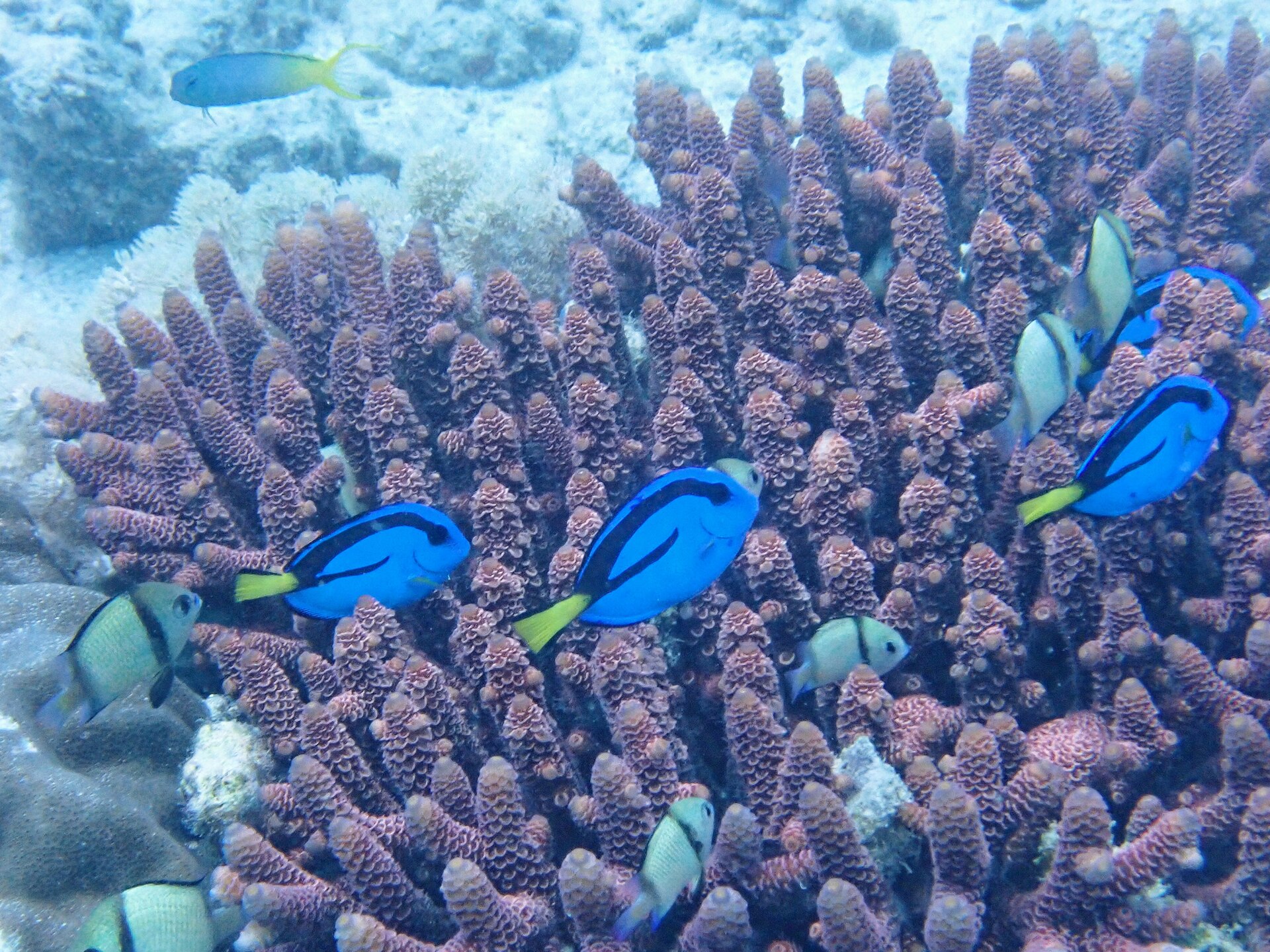
- Coral Mountain, a wall rising from 80 to 5 meters, covered in intact table corals and cabbage corals
- More than 300 fish species and 40 coral species, twice as many coral genera as elsewhere in Tanzania
- Green and hawksbill turtles on every dive, and nesting beaches on the island itself
- Gardens from 4 to 20 meters for Open Water divers and snorkelers, a wall to 40 meters for the rest
Misali Island in pictures
What will you see at Misali Island?
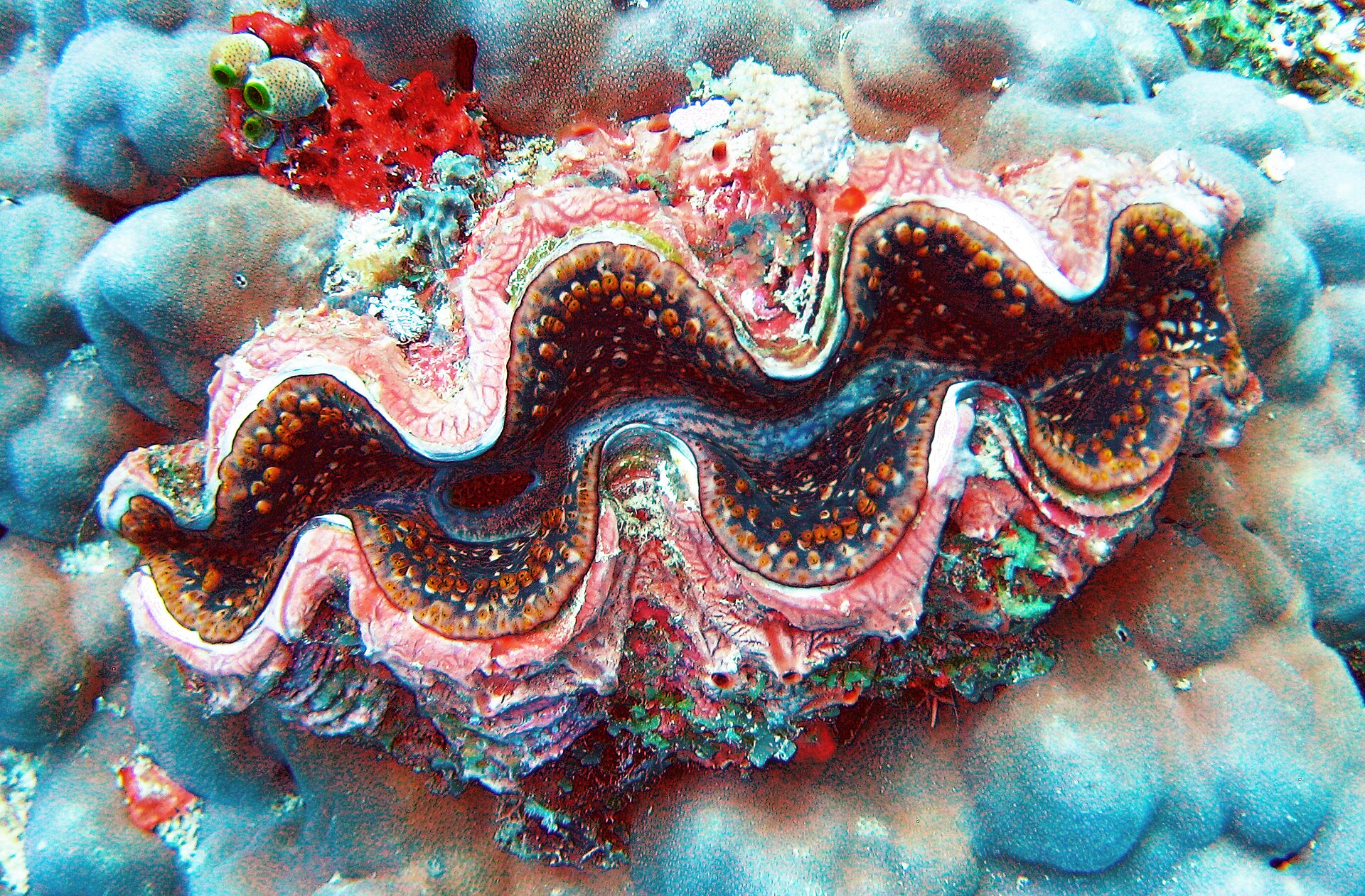
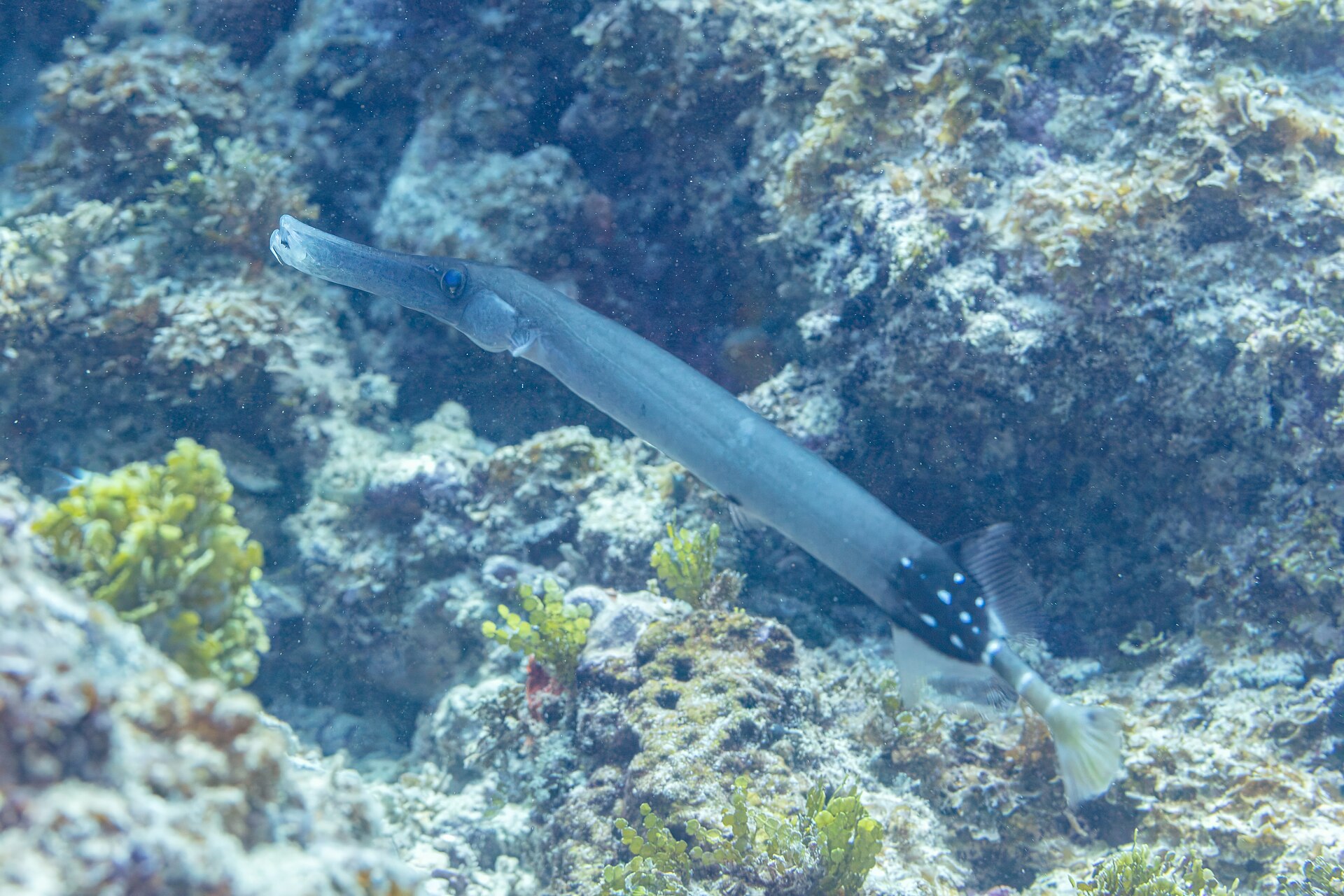
Misali packs the life of Pemba into one square kilometer. The reef that starts at the beach holds more than 300 fish species and some forty coral species, and the island's waters have twice as many coral genera as the rest of Tanzania. On the Coral Mountain wall, covered in table corals and cabbage corals, potato groupers hold under the overhangs, Napoleon wrasse and bluefin trevallies hunt in the blue, and schools of fusiliers and surgeonfish flow along the wall. Green and hawksbill turtles are everywhere, on the seagrass as well as on the sponges of the drop-off, and they nest on the island's beaches. On the sand you find bluespotted ribbontail rays and torpedo rays; in the coral heads, giant clams, moray eels, lionfish, leaf scorpionfish and mantis shrimp. Mobula rays and eagle rays pass in the blue. On land, the island keeps the last aloes of Pemba, coconut crabs and a colony of flying foxes.
| Species | J | F | M | A | M | J | J | A | S | O | N | D | Note |
|---|---|---|---|---|---|---|---|---|---|---|---|---|---|
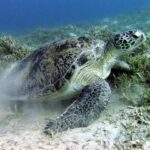 Green turtle | peak season | peak season | peak season | peak season | peak season | peak season | peak season | peak season | peak season | peak season | peak season | peak season | on the coral gardens and seagrass beds; nesting on the island's beaches |
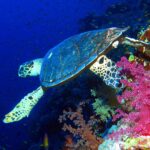 Hawksbill turtle | peak season | peak season | peak season | peak season | peak season | peak season | peak season | peak season | peak season | peak season | peak season | peak season | on the wall, among the sponges |
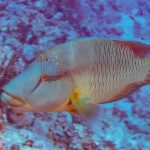 Napoleon wrasse | possible | possible | possible | possible | possible | possible | possible | possible | possible | possible | possible | possible | big individuals in the blue, along the Coral Mountain wall |
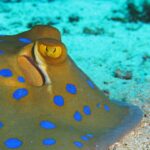 Bluespotted ribbontail ray | peak season | peak season | peak season | peak season | peak season | peak season | peak season | peak season | peak season | peak season | peak season | peak season | on the sand between the coral heads |
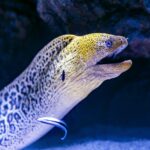 Giant moray | peak season | peak season | peak season | peak season | peak season | peak season | peak season | peak season | peak season | peak season | peak season | peak season | in the cracks of the wall and the gardens |
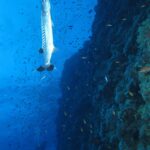 Great barracuda | possible | possible | possible | possible | possible | possible | possible | possible | possible | possible | possible | possible | alone or in small schools at the edge of the drop-off |
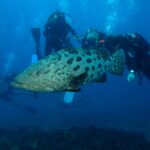 Potato grouper | peak season | peak season | peak season | peak season | peak season | peak season | peak season | peak season | peak season | peak season | peak season | peak season | under the Coral Mountain overhangs |
| Bluefin trevallies and rainbow runners | possible | possible | possible | possible | possible | possible | possible | possible | possible | possible | possible | possible | hunting in the blue, above the wall |
| Leaf scorpionfish, mantis shrimp, nudibranchs | peak season | peak season | peak season | peak season | peak season | peak season | peak season | peak season | peak season | peak season | peak season | peak season | the small life of the wall, for those who look closely |
| Giant clams and sea fans | peak season | peak season | peak season | peak season | peak season | peak season | peak season | peak season | peak season | peak season | peak season | peak season | giant clams on the coral heads, fans below 20 meters |
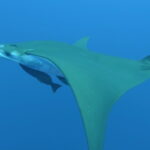 Sicklefin devil ray | possible | possible | possible | possible | possible | possible | possible | possible | possible | possible | possible | possible | passing in the blue, with no clear season |
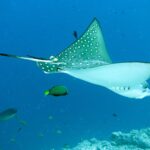 Spotted eagle ray | possible | possible | possible | possible | possible | possible | possible | possible | possible | possible | possible | possible | passing in the blue, with no clear season |
peak seasonpossiblerare
What is diving like at Misali Island?
On the sheltered side, the reef slopes gently from the beach: the coral gardens of Coral Garden run from 4 to 20 meters, with no notable current, and are open to Open Water divers and snorkelers, who stay in 3 to 5 meters of water at low tide. On the channel side, Coral Mountain is a wall rising from 80 to 5 meters: a gentle slope to 20, then a wall that drops into the dark blue, to dive between 15 and 30 meters. The island's other sites, Manta Point, Murray's Wall, Chillies Wall or Trigger Corner, go down to 25, 30 or 35 meters, and the most experienced divers follow the Coral Mountain wall to 40. The current is variable, often weak, sometimes steady on the drop-off at the turn of the tide; dive centers choose the site of the day by the tide. Visibility is 20 to 40 meters and the water 25 to 29 °C: wear a 3-millimeter wetsuit.
When to dive Misali Island?
idealgoodnot recommended
Misali can be dived all year. From June to October, in the dry season, the water is 25 or 26 °C, the sea is calm on the west coast and visibility stays between 20 and 30 meters. From October to March, the sea stays manageable, the water rises to 28 or 29 °C and visibility is at its best, up to 40 meters on the incoming tide. The long rains of April and May cloud the water and lead several Pemba dive centers to close in May; the short rains of November pass more quickly. Green and hawksbill turtles are seen in every season. Within the day, the tide is what counts: at Misali as at every Pemba site, you dive on the incoming tide, when the clear water of the channel flows onto the reef.
How to get to Misali Island?
Misali is 10 kilometers west of Chake Chake, the capital of Pemba, in the channel that separates the island from the mainland. The closest lodge is Fundu Lagoon, to the southwest, whose Dive 710 center reaches the island in 15 to 20 minutes by speedboat; from the northern lodges, Makangale or Kigomasha, allow an hour at sea. Pemba Dive Center, at Makangale, sells a two-dive half day for US$120 and gear for US$20 a day; Swahili Divers, at Gecko Nature Lodge, charges US$130 for two dives at nearby sites, and Afro Divers, in the northwest, US$120. The Misali conservation fee, US$10 per adult per day, is paid through the dive center. Pemba airport is 7 kilometers from Chake Chake, and Coastal Aviation links it to Zanzibar in 30 minutes, for US$100 one way plus US$20 in taxes. You need the US$50 Tanzanian visa and the US$44 Zanzibar insurance.
Stay in Chake Chake
Where to stay near Misali Island?
Hotels, apartments and rooms around Chake Chake, with current prices.
Which hotels to choose near Misali Island?
Why is Misali called the prayer mat island?
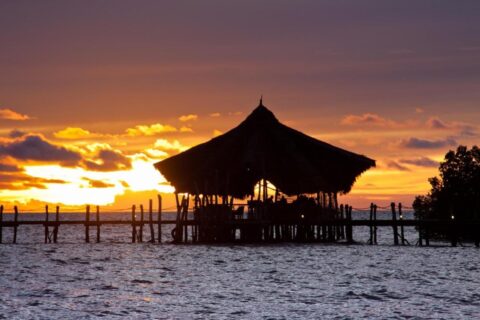
Misali, 2 kilometers by 800 meters, sits 10 kilometers west of Chake Chake, in the Pemba Channel. Its name comes from the Swahili for prayer mat: legend has it that a prophet with no mat declared that the island would serve as one, and its northern beach does indeed face Mecca. This sacred character is what protected it. In the 1990s, fishers from neighboring villages were blasting the reef with dynamite; conservation groups then worked with the imams, who reminded people in their sermons that wasting creation is forbidden. The Misali conservation area was created in 1998, then folded into the Pemba Channel Conservation Area. Since then, a third of the reef has been closed to fishing, village rangers patrol every day, and the US$10 each visitor pays funds the patrols, beehives, seaweed farms and more than 10,000 mangroves replanted on the nearby coasts.
What are the two dives at Misali Island like?
The first dive is on the channel side, at Coral Mountain. The boat moors on the top of the wall, at 5 meters; you descend the gentle slope covered in table corals to the drop-off, around 20 meters, then follow the wall that plunges toward an 80-meter bottom, staying between 15 and 30. Potato groupers sit under the overhangs, turtles on the sponges, Napoleon wrasse and trevallies in the blue, and rays on the tongues of sand. The second dive is on the sheltered side, at Coral Garden or the gardens that start at the beach: 4 to 20 meters, schools of surgeonfish, snappers and fusiliers, moray eels, octopus, spiny lobsters under the coral heads and giant clams in the rock. This is where Open Water divers and snorkelers get the most out of the island, in water so clear you can see the bottom from the boat.
Should you dive Misali or the Pemba channels?
Pemba offers two styles of diving. The Fundo and Njao channels, off Wete, are vertical current dives for Advanced divers, with the big fish in the blue. Misali is the island's other face: topography and current at Coral Mountain, but also calm, shallow, bright gardens where a beginner or a photographer can spend an hour without noticing the time. The southwest lodges go there every day; the northern ones schedule it once per stay, as a full day with a picnic on the beach. If you only dive one day in Pemba, Misali is the safest choice: conditions there are the easiest and visibility the most consistent. If you stay a week, alternate between the island and the channels.
Our tip
Dive on the incoming tide, when visibility goes from 20 to 40 meters. Do the Coral Mountain wall first, between 15 and 25 meters, then the gardens. Do not approach turtles coming up to nest.
Other dive sites nearby
 TanzaniaPass
Fundu Gap
Pemba TanzaniaPelagic
Leven Bank
Zanzibar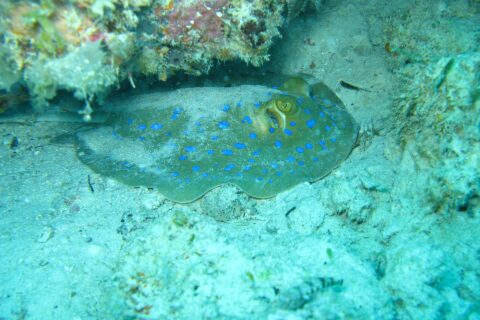 TanzaniaReef