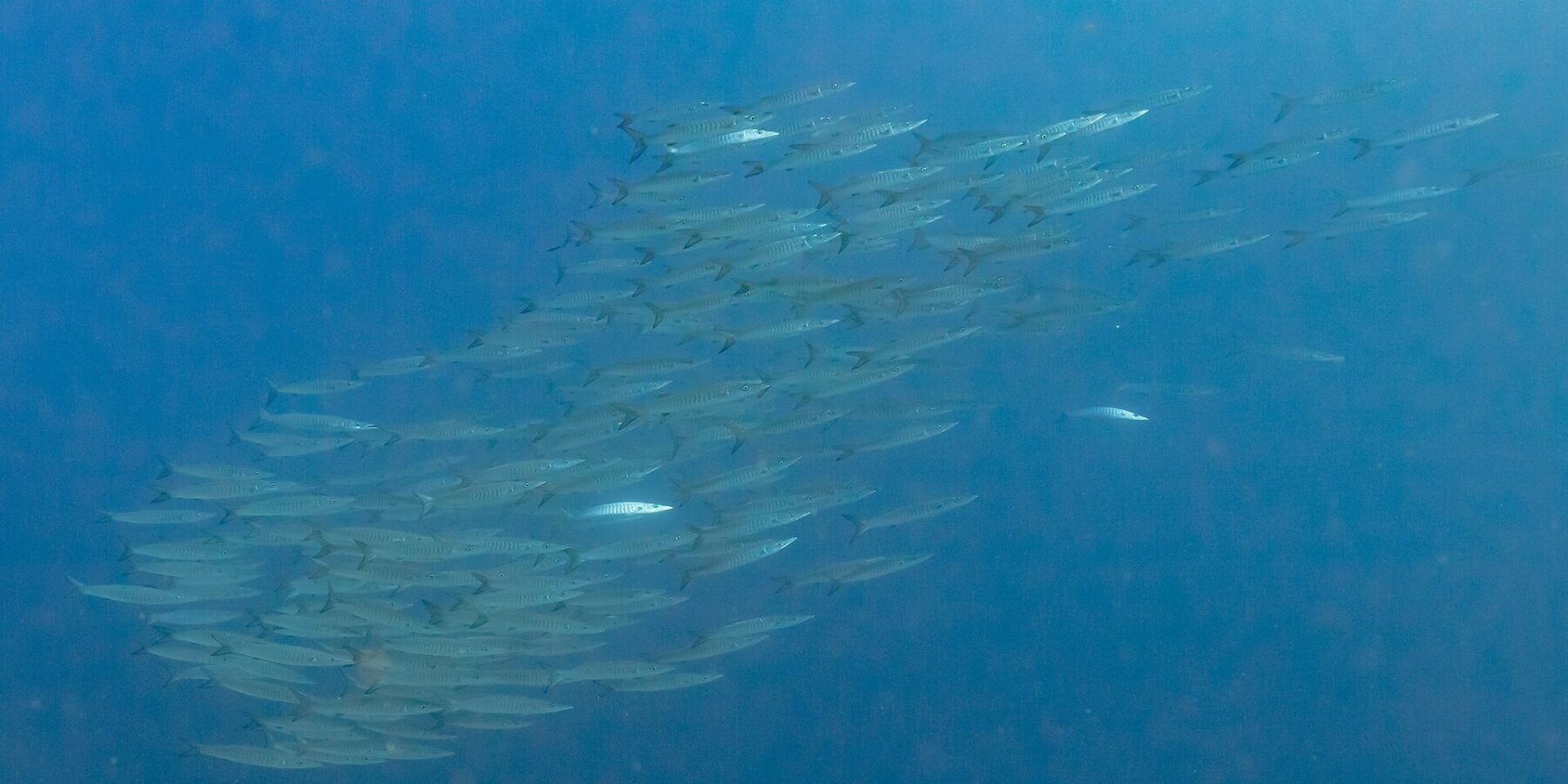
Leven Bank is an isolated seamount in the Pemba Channel, about ten kilometers from Nungwi, with a plateau rising to 14 meters from 200 meters of water. Tuna, trevallies and barracudas pass along the edge of the drop-off in a strong current, and it is the Advanced dive of Zanzibar.
Why dive Leven Bank?
- An isolated seamount in the Pemba Channel, with a plateau rising to 14 meters from 200-meter depths
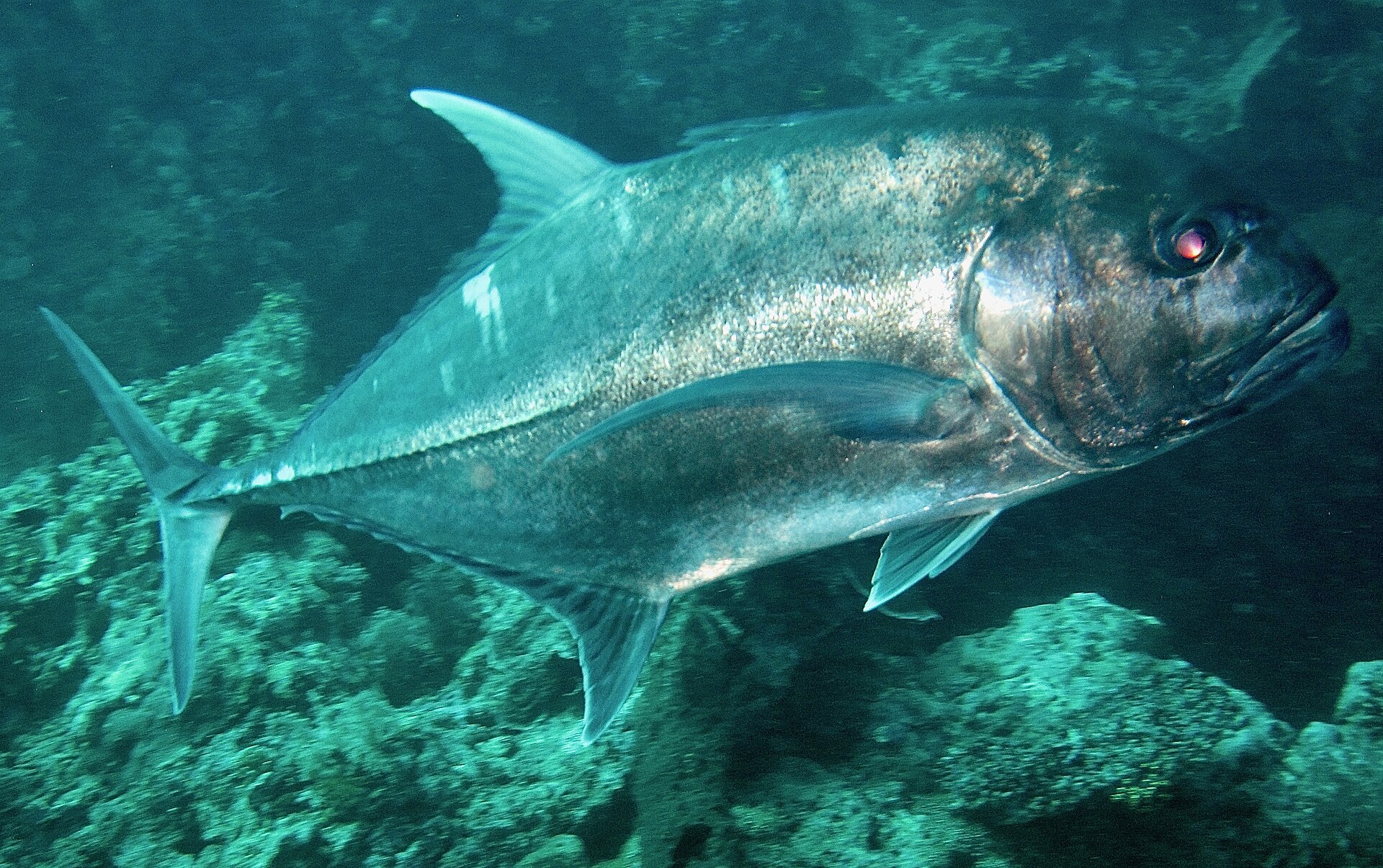
- Zanzibar's big fish: tuna, trevallies, rainbow runners, schools of barracudas and passing reef sharks
- A real drift dive, for Advanced divers, 25 minutes by boat from Nungwi
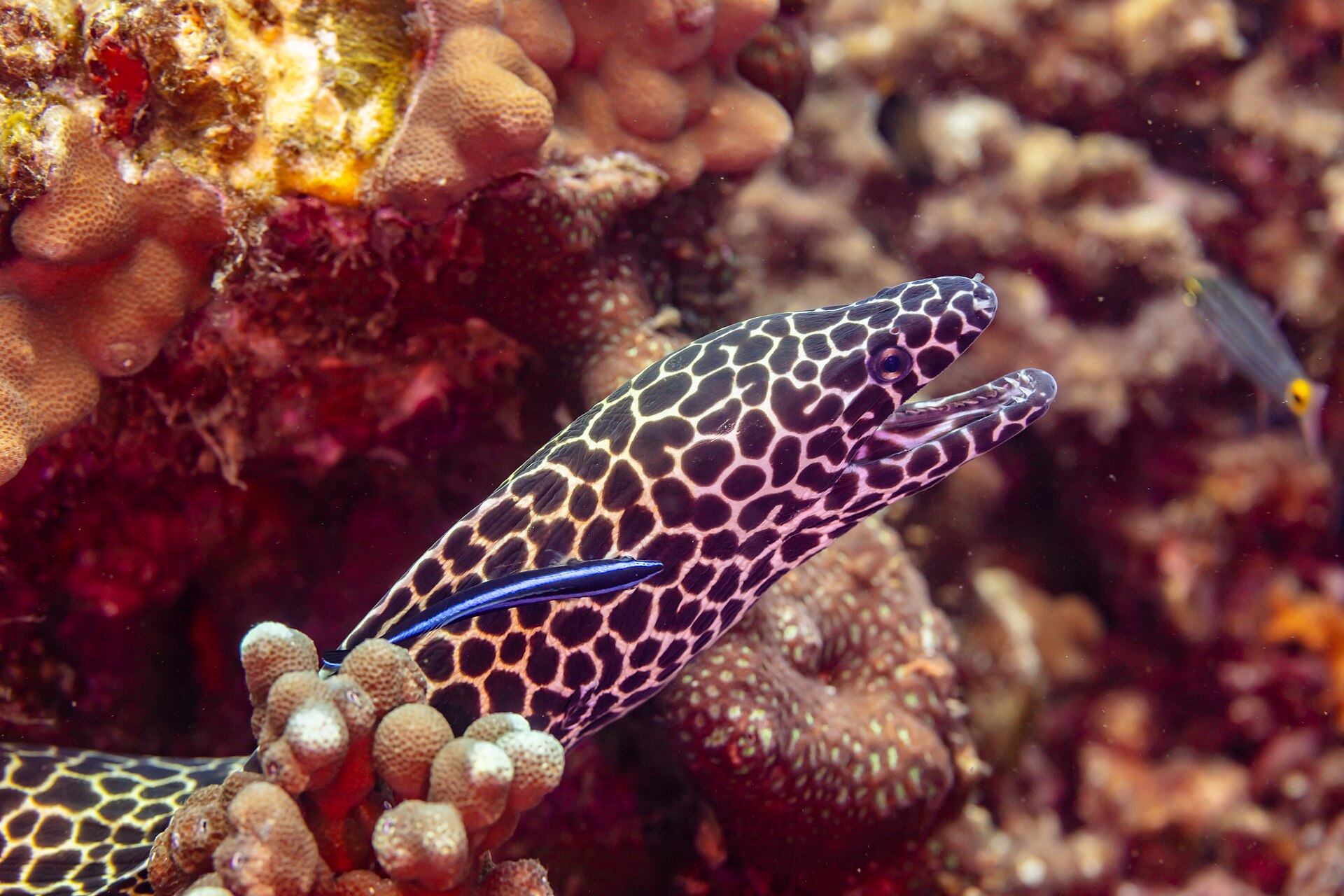
- Honeycomb morays, octopus and nudibranchs in the cracks of the plateau, for the second dive
- Visibility of 20 to 30 meters, often the best on the island
Leven Bank in pictures
What will you see at Leven Bank?
Leven Bank is a big fish dive. The plateau, isolated in the Pemba Channel, gathers everything that hunts in the current: tuna, trevallies, rainbow runners and schools of barracudas at the edge of the drop-off, passing reef sharks in the blue, and dolphins seen from the boat. On the plateau itself, the coral is low and battered, but it shelters honeycomb morays in every crack, octopus, dozens of nudibranchs and passing green turtles. Visibility, often beyond 20 meters, lets you watch the blue rather than the bottom, and that is where everything happens. Nothing is guaranteed and anything is possible: the tide makes the difference, since it sets the current and so the amount of fish that come up to hunt on the bank.
| Species | J | F | M | A | M | J | J | A | S | O | N | D | Note |
|---|---|---|---|---|---|---|---|---|---|---|---|---|---|
 Great barracuda | possible | possible | possible | possible | possible | possible | possible | possible | possible | possible | possible | possible | schooling at the edge of the plateau, in the current |
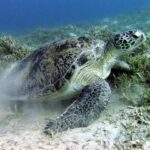 Green turtle | possible | possible | possible | possible | possible | possible | possible | possible | possible | possible | possible | possible | passing over the plateau |
| Tuna | possible | possible | possible | possible | possible | possible | possible | possible | possible | possible | possible | possible | hunting in the blue, at the edge of the drop-off |
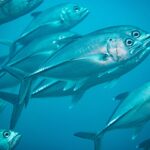 Bigeye trevally | possible | possible | possible | possible | possible | possible | possible | possible | possible | possible | possible | possible | hunting in the blue, at the edge of the drop-off |
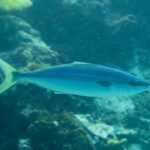 Rainbow runner | possible | possible | possible | possible | possible | possible | possible | possible | possible | possible | possible | possible | in a fast school above the plateau |
| Honeycomb moray | peak season | peak season | peak season | peak season | peak season | peak season | peak season | peak season | peak season | peak season | peak season | peak season | in the cracks of the plateau |
| Octopus | peak season | peak season | peak season | peak season | peak season | peak season | peak season | peak season | peak season | peak season | peak season | peak season | on the low coral of the plateau, for those who look at the bottom |
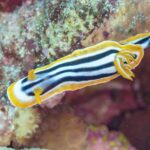 Nudibranchs | peak season | peak season | peak season | peak season | peak season | peak season | peak season | peak season | peak season | peak season | peak season | peak season | on the low coral of the plateau, for those who look at the bottom |
| Reef sharks | possible | possible | possible | possible | possible | possible | possible | possible | possible | possible | possible | possible | passing in the blue, with no regularity |
| Dolphins | possible | possible | possible | possible | possible | possible | possible | possible | possible | possible | possible | possible | seen from the boat, on the way out or back |
peak seasonpossiblerare
What is diving like at Leven Bank?
The plateau rises to 14 meters from depths that drop to 200 meters all around; its sides fall to 30 meters, then to 50, beyond recreational limits past 40. Everything happens in the current, strong and unpredictable: a direct descent in the blue, down a line or in free descent, regrouping on the plateau, a drift along the edge of the drop-off, then an ascent in open water under a surface marker buoy, with the boat following the bubbles. Dive centers require Advanced Open Water and real drift and depth experience; Nitrox helps extend bottom time around 30 meters. Visibility is 20 to 30 meters, water 26 to 29 °C, 25 minutes by speedboat from Nungwi, and the trip is canceled as soon as the sea picks up.
When to dive Leven Bank?
idealgoodnot recommended
Leven Bank is an exposed site, and dive centers only go out in manageable seas, whatever the season. From December to March, the water is 28 or 29 °C and the sea often calm; from July to October, visibility is at its best, 20 to 30 meters, in 26 °C water. The long rains of April and May and the short rains of November reduce visibility and cause canceled trips. The big fish are there all year; tuna and barracudas show up mostly when the current runs over the plateau, which depends on the morning tide, not on the calendar. Humpback whales pass through the Pemba Channel from July to September, sometimes until November, and can be seen from the boat.
How to get to Leven Bank?
Leven Bank is about ten kilometers north of Nungwi, 25 minutes by boat. Dive centers in Nungwi and Kendwa go there in the morning for two drift dives. At TGI Diving, two dives cost US$90 if you book online and US$100 on site, ten dives US$410 to US$455, and full gear US$20 to US$25 a day; at Spanish Dancer Divers, two dives cost US$120, with gear and hotel pickup included, and ten cost US$490. There is no entry fee, as the bank lies outside the protected areas. Dive centers include transfers from Nungwi and Kendwa hotels, and Nungwi is reached by road from Zanzibar airport. Get the US$50 visa and the US$44 Zanzibar insurance before you arrive.
Stay in Nungwi
Where to stay near Leven Bank?
Hotels, apartments and rooms around Nungwi, with current prices.
What is Leven Bank, the isolated seamount in the Pemba Channel?
Between Unguja and Pemba, the Pemba Channel is a trench: depths there go well beyond 200 meters, and from them Leven Bank rises alone to 14 meters below the surface, about ten kilometers north of the tip of Nungwi. Nothing marks it at the surface. For fish, it is a filling station: the current that hits the bank brings food up, schools of small fish gather there, and open-water hunters, tuna, trevallies and barracudas, come to feed. For divers, it is the only site in Zanzibar where the diving feels like the isolated reefs of the Red Sea or the Maldives: deep, exposed, unpredictable, with nothing to hold on to.
How do you dive Leven Bank, step by step?
The boat leaves Nungwi early, to make the most of slack water when the dive center can aim for it. The briefing is serious: an immediate descent, without lingering at the surface, down the line or in free descent through the blue to the plateau at 14 meters, where the group comes together. You then head for the edge of the drop-off, between 20 and 30 meters, and drift facing the current while watching the blue: that is where tuna and schools of barracudas pass. The second dive is shallower, on the plateau, for the morays, octopus and nudibranchs. In both cases, the ascent is in open water, with your surface marker buoy inflated at 5 meters, and the boat picks up each group where it surfaces. Advanced is required, and more dives than the minimum will not hurt.
What can you see at Leven Bank, and what can you hope for?
Regulars keep count: honeycomb morays, octopus, rainbow runners and trevallies are there almost every time; schools of barracudas and tuna depend on the current; reef sharks, dolphins under the boat and turtles are bonuses. Humpback whales, from July to September, are seen at the surface from the boat, not underwater. There are no mantas or hammerheads to promise here: you dive Leven Bank for the open-ocean feel, the topography and the hunting, not for one species. If you want coral, turtles and light, Mnemba does better; if you want blue water and current, this is the place.
Our tip
Dive Leven Bank early in your stay, in calm seas and ideally when the current eases. Bring a computer, as the dive ends far from the plateau. Watch the blue: tuna pass at the edge of the drop-off.
Other dive sites nearby
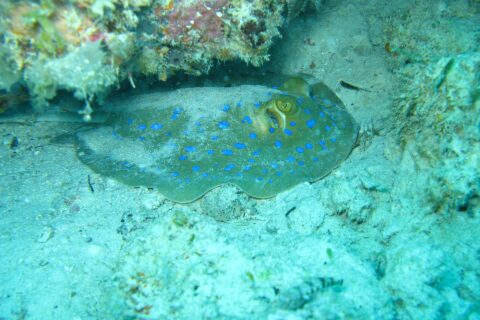
 TanzaniaReef
Mnemba Atoll
Zanzibar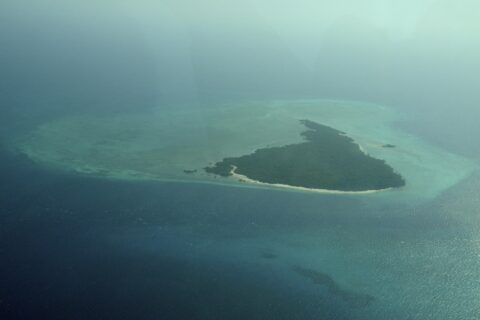 TanzaniaReef
Misali Island
Pemba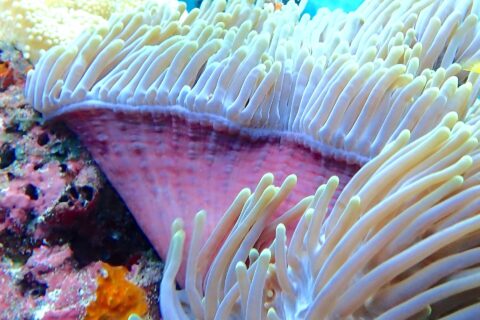 TanzaniaPass