Mnemba Atoll is an oval reef around a private islet, 3 kilometers off the northeast coast of Zanzibar, in a marine protected area, home to green turtles, dolphins and some 600 fish species from 2 to 30 meters. It is the most dived site on the island, open to Open Water divers.
Why dive Mnemba Atoll?
- The most dived site in Zanzibar, open to Open Water divers and to try dives
- Coral slopes from 2 to 30 meters, an aquarium from 10 to 24 meters and a wall below 35 meters for experienced divers
- Resident green turtles, spinner dolphins and some 600 species of reef fish
- Humpback whales offshore from July to September
- Twenty minutes by boat from Matemwe, a full-day trip from Nungwi
Mnemba Atoll in pictures
What will you see at Mnemba Atoll?
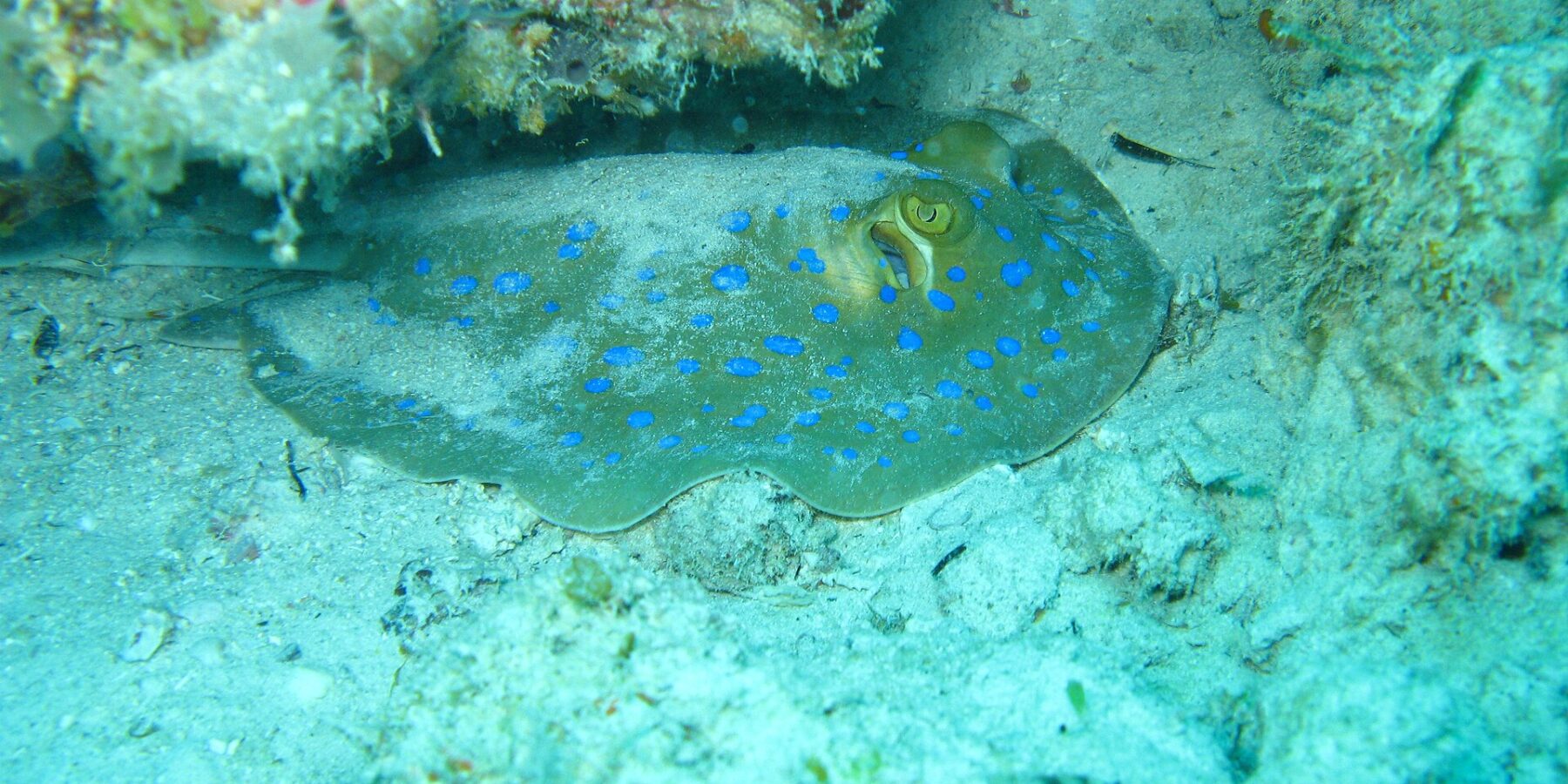
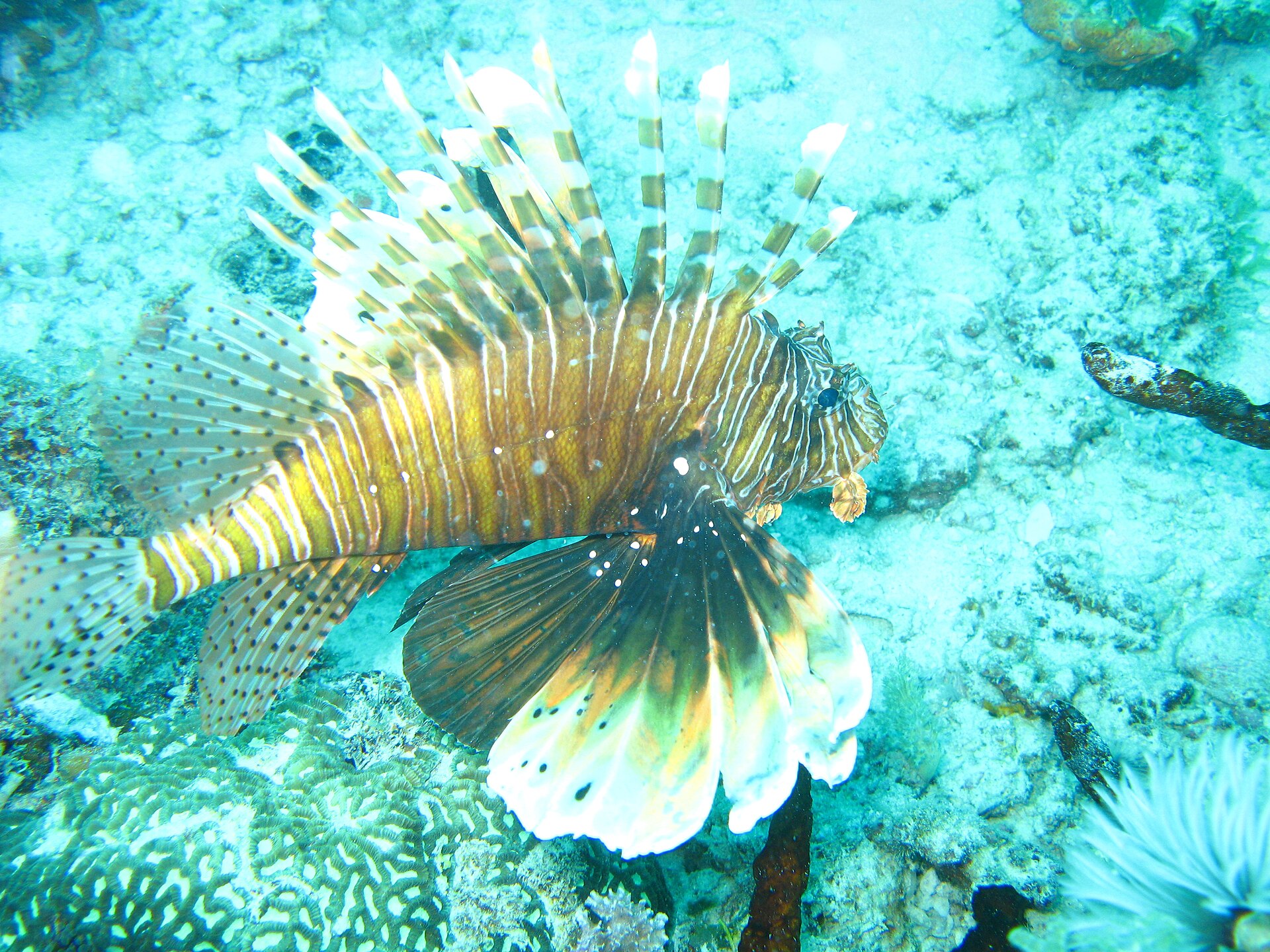
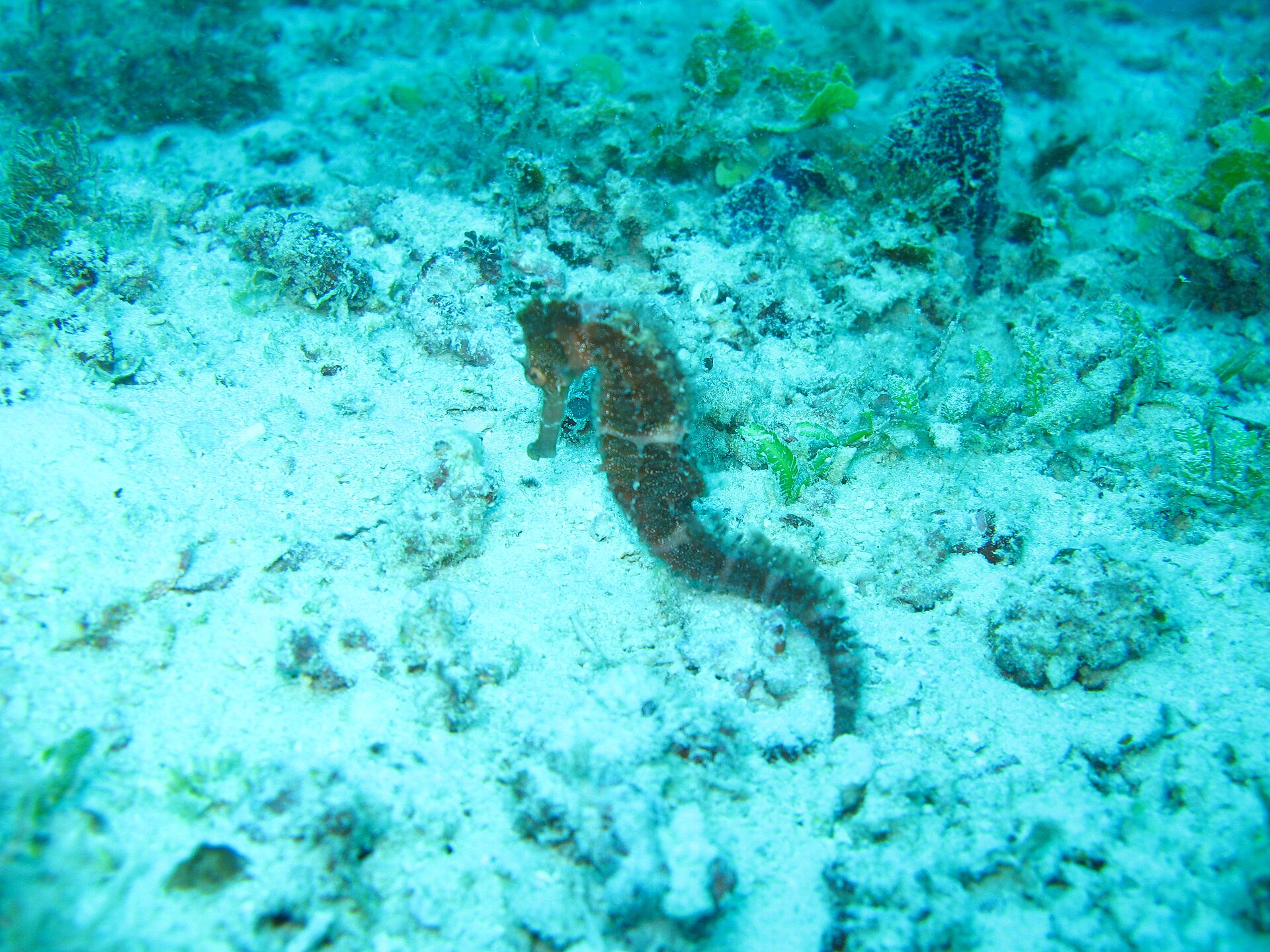
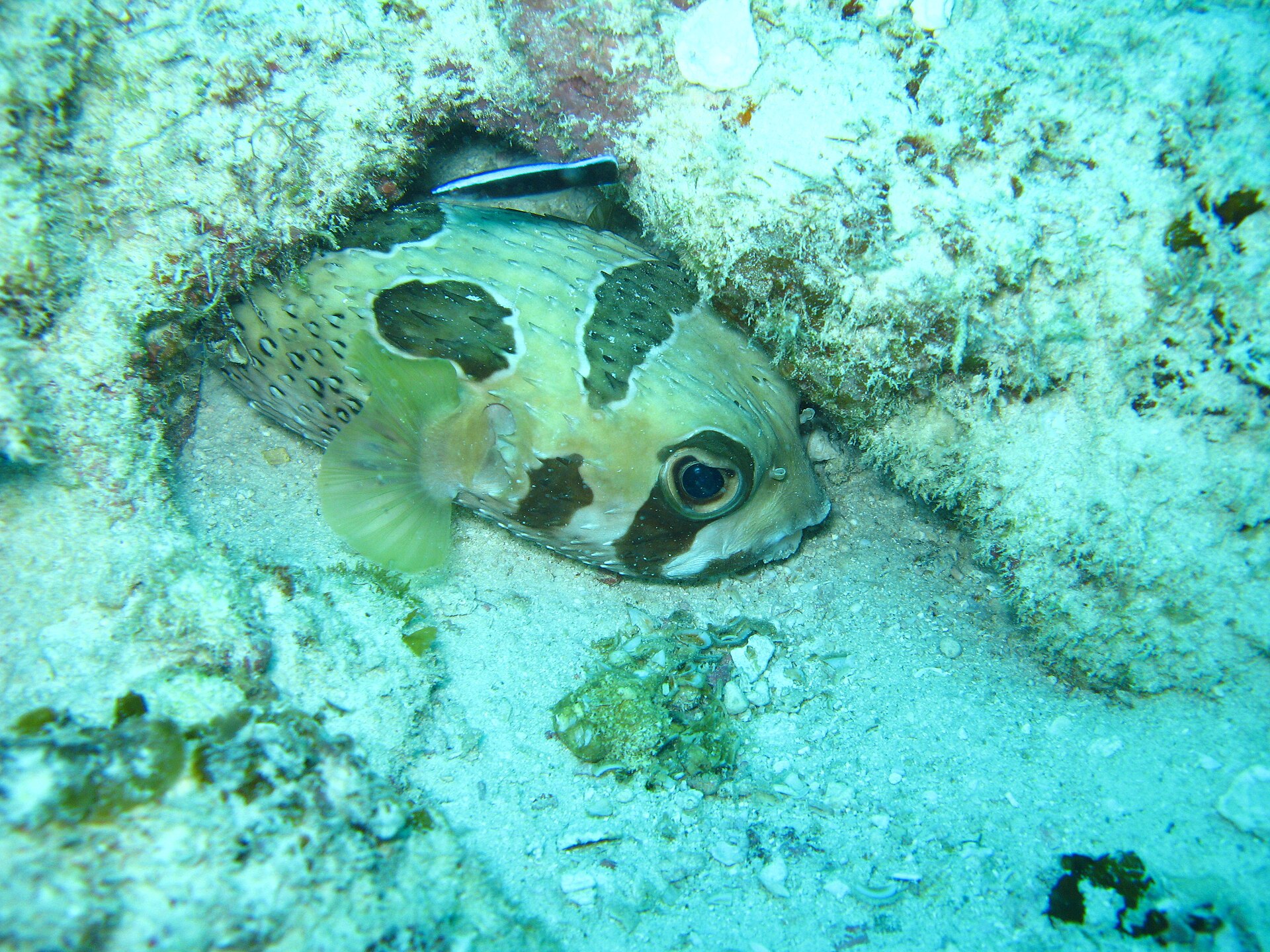
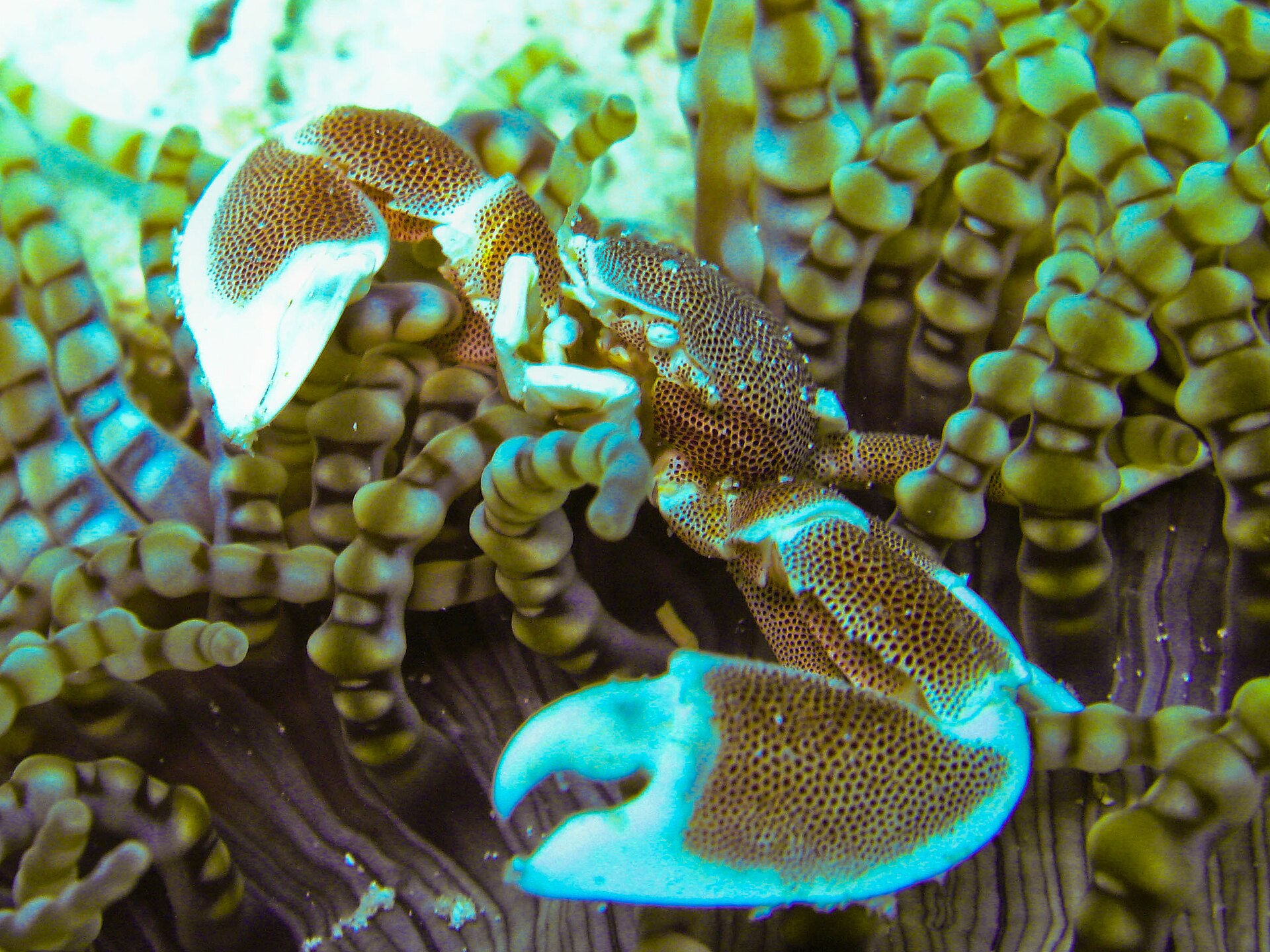
Mnemba is a reef for everyone: nothing rare, but everything in abundance. Green turtles are the stars. They graze on the Kichwani and Wattabomi slopes and nest on the islet's beach from February to September; hawksbills are more discreet. Three dolphin species visit the atoll, led by the spinner dolphin, often seen from the boat before the dive. On the coral live some 600 species of reef fish: schools of fusiliers and snappers, lionfish and porcupinefish under the overhangs, bluespotted ribbontail rays on the sand, Napoleon wrasse and groupers on the Aquarium, whitetip reef sharks on the deeper parts, and generous macro, with seahorses, porcelain crabs in the anemones and nudibranchs. Humpback whales pass offshore from July to September, and a passing whale shark is not ruled out from September to December.
| Species | J | F | M | A | M | J | J | A | S | O | N | D | Note |
|---|---|---|---|---|---|---|---|---|---|---|---|---|---|
 Green turtle | peak season | peak season | peak season | peak season | peak season | peak season | peak season | peak season | peak season | peak season | peak season | peak season | resident on the Kichwani and Wattabomi slopes; nesting on the islet's beach from February to September |
 Hawksbill turtle | possible | possible | possible | possible | possible | possible | possible | possible | possible | possible | possible | possible | more discreet, on the coral of the slopes |
 Spinner dolphin | peak season | peak season | peak season | peak season | peak season | peak season | peak season | peak season | peak season | peak season | peak season | peak season | in pods around the atoll, often seen from the boat before the dive |
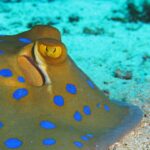 Bluespotted ribbontail ray | peak season | peak season | peak season | peak season | peak season | peak season | peak season | peak season | peak season | peak season | peak season | peak season | on the sand, under the coral overhangs |
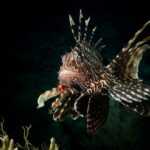 Lionfish | peak season | peak season | peak season | peak season | peak season | peak season | peak season | peak season | peak season | peak season | peak season | peak season | under the coral ledges, at Kichwani and Wattabomi |
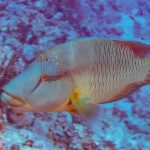 Napoleon wrasse | possible | possible | possible | possible | possible | possible | possible | possible | possible | possible | possible | possible | on the Aquarium and the deeper parts |
| Humpback whales | rare | rare | rare | rare | rare | rare | peak season | peak season | peak season | possible | possible | rare | off the reef, seen from the boat, from July to September |
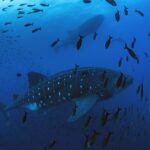 Whale shark | rare | rare | rare | rare | rare | rare | rare | rare | possible | possible | possible | possible | passing through, sighted from September to December, with no regularity at all |
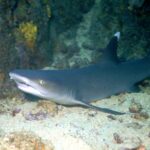 Whitetip reef shark | possible | possible | possible | possible | possible | possible | possible | possible | possible | possible | possible | possible | on the deeper parts of the reef |
| Seahorses and porcelain crabs | peak season | peak season | peak season | peak season | peak season | peak season | peak season | peak season | peak season | peak season | peak season | peak season | the macro life of the slopes, in the anemones and on the sand |
peak seasonpossiblerare
What is diving like at Mnemba Atoll?
The sites ring the islet. Kichwani, on the west side, slopes from 2 to 30 meters, often as a drift in moderate current; Wattabomi, from 6 to 30 meters, is a gently sloping coral garden; the Aquarium, from 10 to 24 meters, gathers the schools; and the Big Wall drops from 14 or 18 meters to more than 35, for experienced divers only. The current is variable, sometimes strong on the points, but the dives stay open to Open Water divers, and dive centers also take try dives there, in the first 10 meters. Visibility, from 15 to 30 meters, drops after the rains. The islet itself and its 500 meters of shoreline are off limits to non-guests, which rules out no dive: all the sites are on the outer reef.
When to dive Mnemba Atoll?
idealgoodnot recommended
You can dive the atoll all year, sheltered by the islet and its reef. The water goes from 26 °C in August to 29 °C in March, and visibility hovers around 15 to 20 meters, with days of more than 30 meters, mostly from July to October. The long rains of April and May and the short rains of November reduce it and cancel some trips; from December to February, the sea is calm and warm. As for marine life, green turtles nest from February to September, humpback whales cruise past the reef from July to September, sometimes until November, and whale sharks are sighted from September to December, with no regularity. Dolphins and turtles are there all year, and they are why you come.
How to get to Mnemba Atoll?
Mnemba is 3 kilometers from Muyuni beach and twenty minutes by boat from Matemwe, on the east coast. That is the closest base, and Zanzibar Dive sells a two-dive half day there for US$120, gear included, leaving around 9 a.m. depending on the tide and returning around 2 p.m. From Nungwi and Kendwa, in the north, dive centers go there on full-day trips: Spanish Dancer Divers charges US$120 for two dives with gear and adds a US$30 Mnemba surcharge; TGI Diving offers the Mnemba trip for US$45 to US$50 on top of a US$90 or US$100 two-dive package. The marine area entry fee, US$10 per adult per day and US$5 from age 5 to 15, may or may not be included depending on the package: ask when you book. Stone Town is an hour and a half by road from Muyuni. You need the US$50 visa and the US$44 Zanzibar insurance.
Stay in Matemwe
Where to stay near Mnemba Atoll?
Hotels, apartments and rooms around Matemwe, with current prices.
Can you visit Mnemba Island, or only dive its reef?
Mnemba is a triangle of sand and casuarinas about 500 meters across and 1.5 kilometers around, 3 kilometers from Muyuni beach, northeast of Unguja. The islet belongs to a lodge and cannot be visited: non-guests do not land there and stay 500 meters from the beach. The reef, though, belongs to everyone. It forms an oval 7 kilometers by 4 around the island, and the dive sites are on its outer face. The whole area forms the Mnemba marine protected area, managed by the government of Zanzibar with the coastal villages and conservation organizations; a turtle monitoring program has been running there since 1996.
Which Mnemba dive sites should you do: Kichwani, Wattabomi, the Aquarium or the Big Wall?
Kichwani is the classic dive: an entry above the reef flat, a descent along a coral slope from 2 to 30 meters, and an easy drift with the turtles, lionfish under the ledges and stingrays on the sand. Wattabomi, from 6 to 30 meters, is a gently sloping coral garden, the site for try dives and first dives. The Aquarium, from 10 to 24 meters, lives up to its name: schools of fusiliers, snappers and trevallies, Napoleon wrasse and groupers. Finally, the Big Wall drops from 14 or 18 meters to below 35 meters and beyond; it is the dive for experienced divers, in the current, with whitetip reef sharks. A half day links two of them; in four days, you cover them all.
How much is the Mnemba entry fee since September 2025?
Zanzibar's Ministry of Blue Economy and Fisheries revised the entry fees for its marine areas on September 1, 2025. At Mnemba, a visitor from outside East Africa pays US$10 a day and US$5 for a child aged 5 to 15; a foreign resident of Tanzania pays US$5 and US$3; an East African citizen pays TZS 5,000. A so-called special zone of Mnemba keeps its own rate, US$25 per adult and US$10 per child. The same fee scales apply to Menai Bay, Chumbe and Changuu-Bawe, and to the Pemba Channel Conservation Area. Dive centers collect the fee with the trip, sometimes included in the package and sometimes extra: it is worth asking.
How should you behave with dolphins and turtles at Mnemba?
Mnemba draws a lot of boats, divers and swimmers, and the marine area rules are made for that. Dolphins are not to be chased: the boat does not cut across a pod and nobody jumps in on top of them; you get in the water at a distance and let them come. Turtles graze; do not touch them or follow them too closely. Nor do you touch the coral or rest on it, even for a photo, and sunscreen must be mineral. Divers have one advantage over the snorkeling boats: leaving early, from Matemwe, and being on Kichwani before anyone else.
Our tip
Leave from Matemwe rather than Nungwi: the boat takes twenty minutes instead of a full-day trip. Ask whether the entry fee is included, as it is not always. From July to September, watch the open sea: humpback whales pass behind the reef.
Other dive sites nearby
 TanzaniaPelagic
Leven Bank
Zanzibar TanzaniaReef
Misali Island
Pemba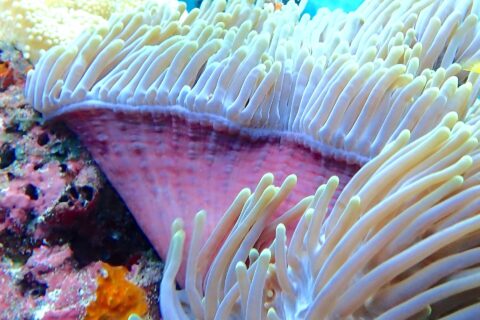 TanzaniaPass