Batu Bolong is a rock between Komodo and Tatawa, coated in coral from the surface to beyond 70 m, the densest site in the park. Anthias cloud its walls, gray reef sharks and trevallies patrol its corners, and you dive it when the current eases.
Why dive Batu Bolong?
- The densest reef in Komodo: hard corals, soft corals, sponges and crinoids, with no bare rock showing
- Thousands of anthias, fusiliers and damselfish on the walls, sharks and trevallies on the corners
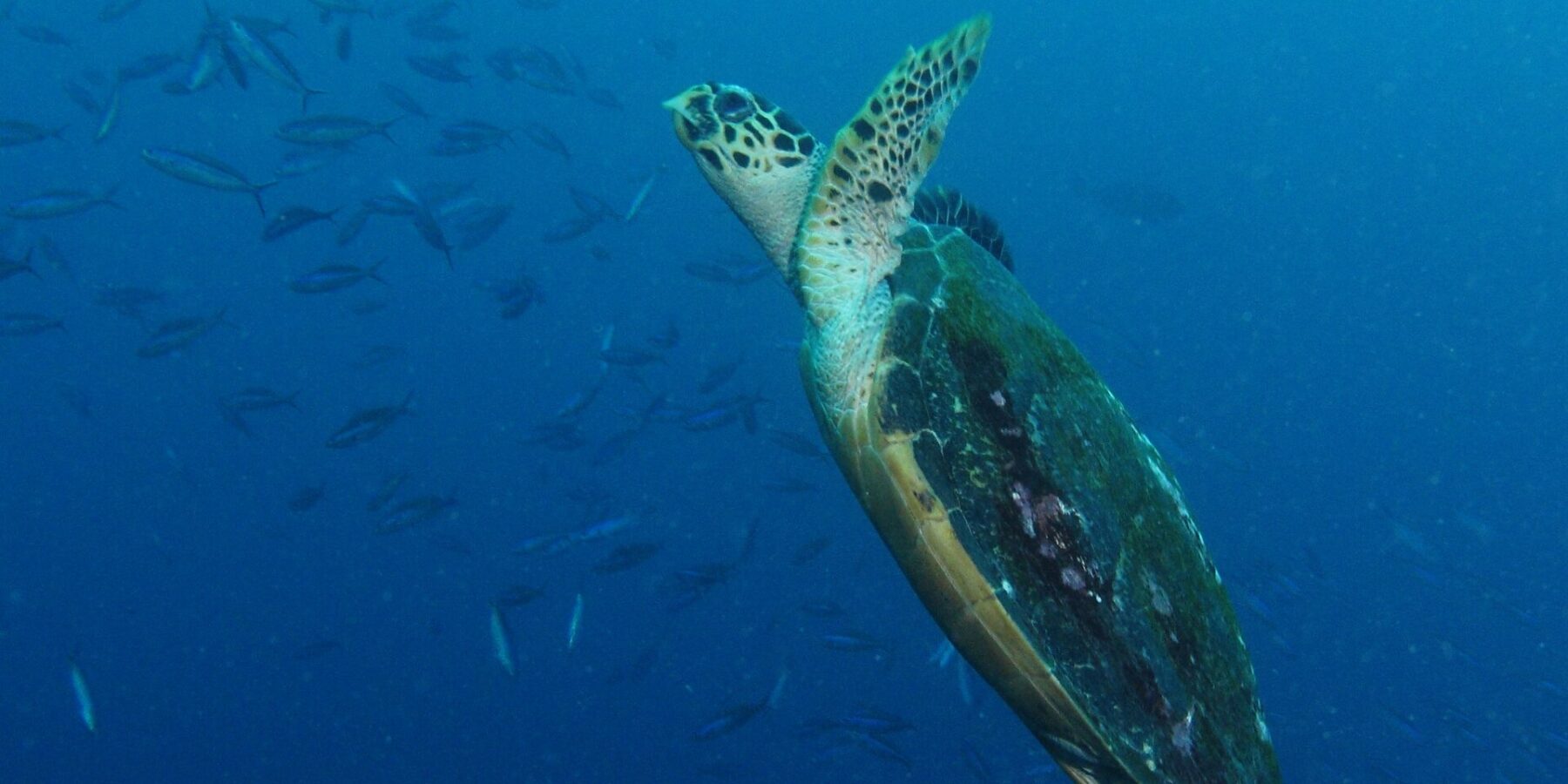
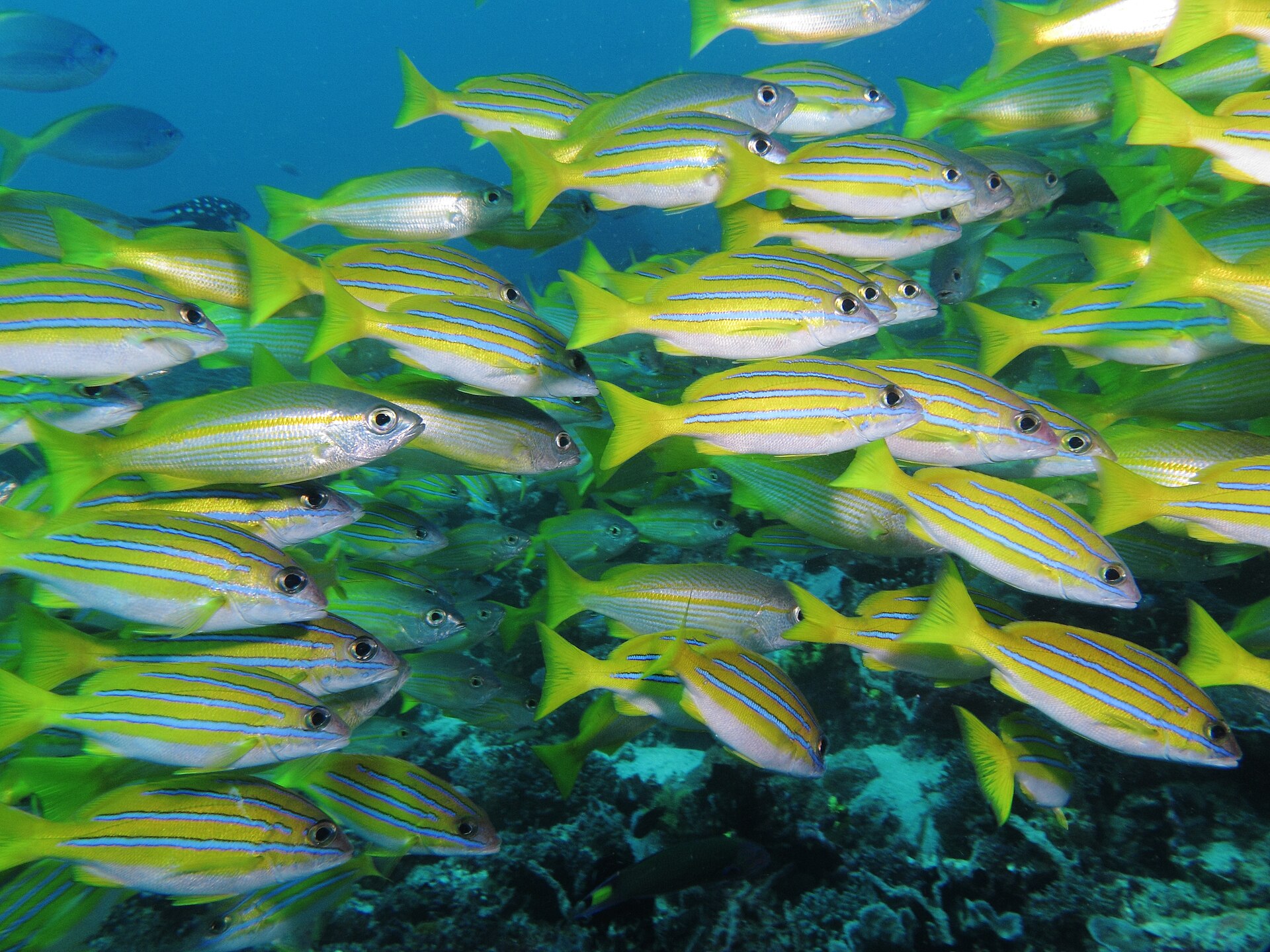
- Green and hawksbill turtles, Napoleon wrasse, batfish and schools of sweetlips in the top 15 m
- A rock that breaks the surface and is easy to find, an hour from Labuan Bajo, paired with Makassar Reef and its mantas
- A demanding slack-tide dive that needs a guide who can read the tide
Batu Bolong in pictures
What will you see at Batu Bolong?
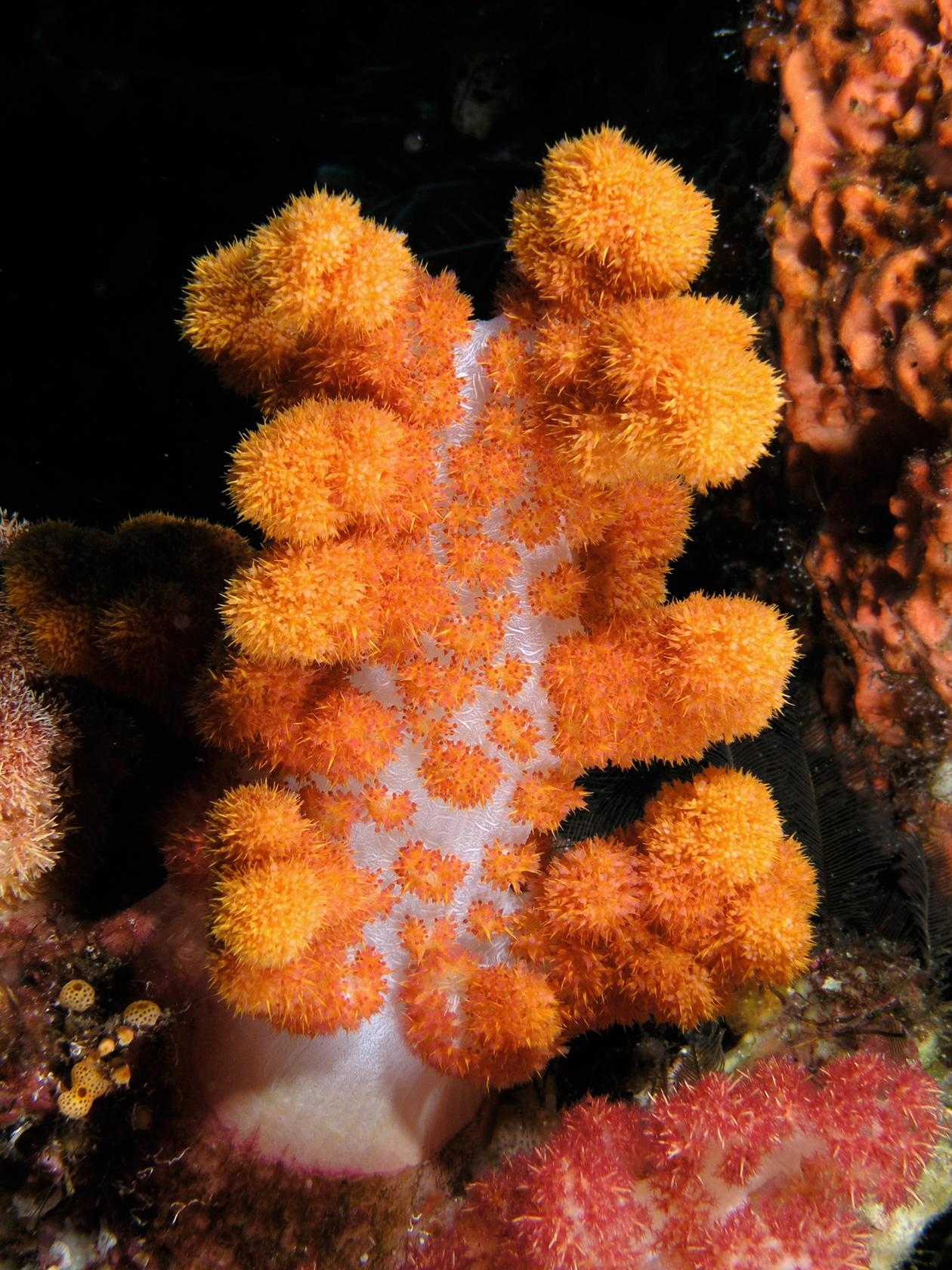
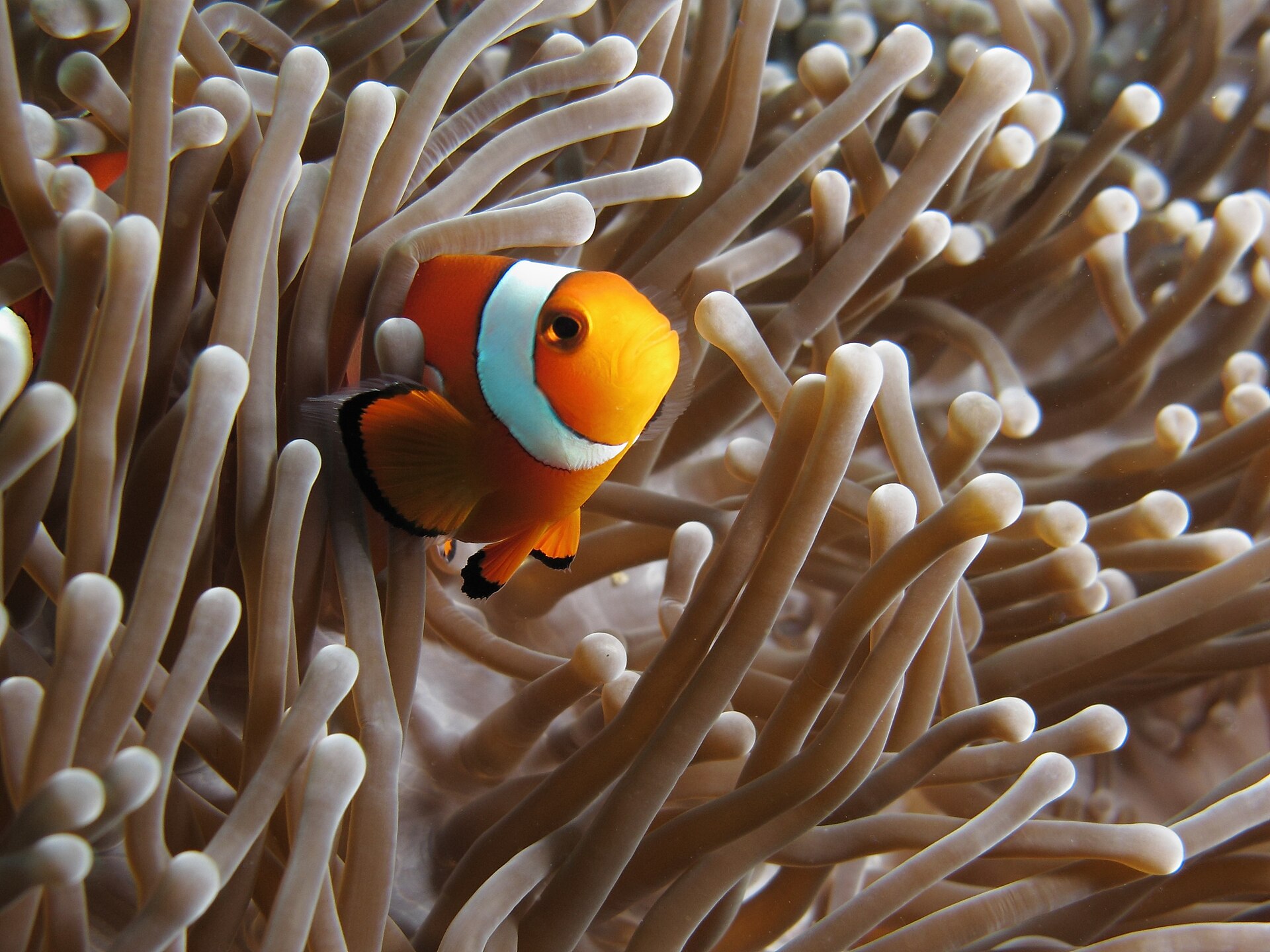
Batu Bolong, the pierced rock, is a pinnacle sitting in the current between Komodo Island and Tatawa, in the strait that links the Flores Sea to the Indian Ocean. Twice a day the tides push plankton-rich water across it, and the reef, never fished and never at rest, has become the densest in the park: the top thirty meters disappear under hard corals, soft corals, sponges, crinoids and anemones. Thousands of orange anthias, fusiliers and damselfish fill the water, in what guides call the fish soup; above them pass schools of sweetlips, batfish, bigeye trevally and butterflyfish. At the corners of the rock, where the current splits, giant trevally, dogtooth tuna and Spanish mackerel hunt, gray reef sharks patrol and whitetips sleep in the crevices. Green and hawksbill turtles graze the top of the reef, a Napoleon wrasse circles the rock, and morays poke their heads out of every hole. A manta or a whale shark may cross the blue, but that's the exception: the mantas are seen at Makassar Reef, the next site over.
| Species | J | F | M | A | M | J | J | A | S | O | N | D | Note |
|---|---|---|---|---|---|---|---|---|---|---|---|---|---|
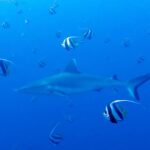 Gray reef shark | possible | possible | possible | peak season | peak season | peak season | peak season | peak season | peak season | peak season | peak season | possible | on the deep corners of the rock, in the current, with whitetips resting in the crevices |
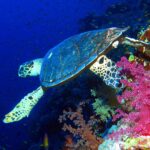 Hawksbill turtle | peak season | peak season | peak season | peak season | peak season | peak season | peak season | peak season | peak season | peak season | peak season | peak season | grazing on sponges on the upper reef |
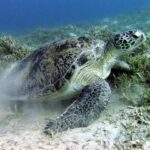 Green turtle | peak season | peak season | peak season | peak season | peak season | peak season | peak season | peak season | peak season | peak season | peak season | peak season | on the shallow plateau, often several per dive |
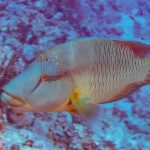 Napoleon wrasse | peak season | peak season | peak season | peak season | peak season | peak season | peak season | peak season | peak season | peak season | peak season | peak season | one or two adults circling the rock |
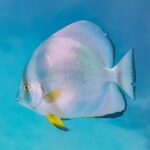 Orbicular batfish | peak season | peak season | peak season | peak season | peak season | peak season | peak season | peak season | peak season | peak season | peak season | peak season | schooling in the lee of the rock, with the sweetlips |
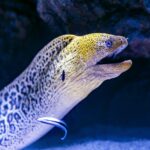 Giant moray | peak season | peak season | peak season | peak season | peak season | peak season | peak season | peak season | peak season | peak season | peak season | peak season | heads out of the holes in the wall, all the way up |
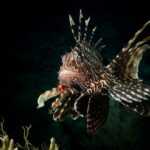 Lionfish | peak season | peak season | peak season | peak season | peak season | peak season | peak season | peak season | peak season | peak season | peak season | peak season | under the overhangs on the sheltered side |
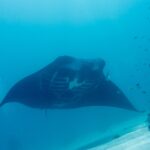 Reef manta ray | possible | possible | possible | rare | rare | rare | rare | rare | rare | rare | possible | possible | passing through the blue; the site is not a cleaning station, and the mantas are seen at Makassar Reef, close by |
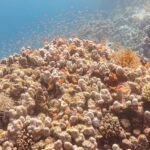 Scalefin anthias | peak season | peak season | peak season | peak season | peak season | peak season | peak season | peak season | peak season | peak season | peak season | peak season | by the thousands on the walls, the site's fish soup |
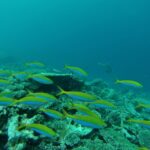 Fusiliers | peak season | peak season | peak season | peak season | peak season | peak season | peak season | peak season | peak season | peak season | peak season | peak season | by the thousands on the walls, the site's fish soup |
| Giant trevally, dogtooth tuna, Spanish mackerel | possible | possible | possible | peak season | peak season | peak season | peak season | peak season | peak season | peak season | peak season | possible | hunting in the current at the corners of the rock |
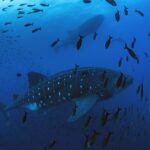 Whale shark | rare | rare | rare | rare | rare | rare | rare | rare | rare | rare | rare | rare | rare, passing through the blue |
peak seasonpossiblerare
What is diving like at Batu Bolong?
The rock stands three meters out of the water at low tide and drops past 70 m; the dive itself stays between 5 and 30 m, where coral and fish are densest. Current is the rule: it hits the rock and splits, strong on the corners, with possible down-currents at the points. You enter on the sheltered side, at slack water or just before, drop first to 20 to 25 m for the sea fans and sharks, then zigzag back up across the protected face, edging toward the corners to watch the hunt without committing to them, and finish with a slow spiral through the coral garden in the last five meters, where the light is best. If the current turns during the dive, the guide takes the group around to the other side of the rock. Visibility 15 to 30 m, water 27 to 29°C. Dive centers recommend Advanced, with a few Komodo dives beforehand; an experienced Open Water diver may be accepted with close supervision.
When to dive Batu Bolong?
idealgoodnot recommended
You can dive Batu Bolong year-round, but the dry season, April to November, brings flat seas and the best visibility, 20 to 30 m, especially in April, May and October. The water holds at 27 to 29°C in the center of the park, with cooler upwellings in July and August, when gray reef sharks are most numerous. From December to March, rain and the northwest wind churn up the sea and often close the northern sites, but Batu Bolong, in the center, stays diveable on calm days; this is also manta season at the nearby cleaning stations, November to February. The real calendar is the tide: the site is dived at slack water, a 45 to 60 minute window around high or low tide, and the Labuan Bajo dive centers plan the day around it. On full and new moon days, the current is at its strongest.
How to get to Batu Bolong?
Labuan Bajo, on the western tip of Flores, is the base: it has flights from Bali and the harbor where dive boats leave every morning, and Batu Bolong is one hour away by speedboat, in the center of the park. Blue Marlin Komodo charges IDR 2,950,000 for a three-dive day, lunch and Nitrox included, plus park fees of IDR 275,000 on weekdays and IDR 350,000 on Sundays and public holidays; Dragon Dive Komodo offers a three-dive day at IDR 3,050,000, park fees and gear included, from 7:45 a.m. to 4:30 p.m., and cheaper multi-day packages, IDR 5,825,000 for six dives over two days. Both pair Batu Bolong with Makassar Reef for the mantas and Siaba Besar or Tatawa for a gentler drift. Liveaboards of three nights to a week leave from the same port and dive it on the first day. Since April 2026, the park has capped entry at 1,000 visitors a day: in high season, book your day in advance.
Stay in Labuan Bajo
Where to stay near Batu Bolong?
Hotels, apartments and rooms around Labuan Bajo, with current prices.
Which hotels to choose near Batu Bolong?
Why is the coral at Batu Bolong so intact?
Komodo National Park, created in 1980 and a World Heritage Site since 1991, covers 1,733 km2, 60% of it sea, between Sumbawa and Flores. Its islands block the passage between the Flores Sea to the north and the Indian Ocean to the south: with every tide, huge masses of water rush through the straits, and this current is what feeds the reefs. Batu Bolong is one of the places where it hits hardest: an isolated pinnacle with no shelter, its tip barely breaking the surface. The current splits in two as it strikes the rock and leaves a calm zone with back-currents behind it; that's the side you dive, and it's why the coral there is intact: too exposed for nets, too rough for predators to linger.
How do you dive Batu Bolong?
You roll off the boat into the calm water behind the rock and drop straight to 20 to 25 m, onto the deep ledge where the sharks and big fish hang out. The ascent zigzags across the sheltered face from one edge to the other, through schools of sweetlips and anthias, the coral wall within arm's reach but never touched. Each time you pass near a corner, you glance into the blue: tuna, giant trevally, gray reef sharks, sometimes a manta. You take the last ten meters slowly in the coral garden, where turtles graze and hard corals catch the light; the safety stop is made in shelter at 5 m, before you surface to the boat waiting downwind.
What else can you dive near Batu Bolong?
The Labuan Bajo dive centers pair Batu Bolong with the neighboring sites. Makassar Reef, or Manta Point, is a drift over a rubble flat where mantas come to be cleaned, mostly from November to February. Tatawa Besar is a colorful drift along orange soft corals, with turtles; Siaba Besar, sheltered, is the site for green turtles and calm dives. Farther north, Castle Rock and Crystal Rock call for a dedicated day and even stronger current.
Our tip
Pick a date when the current eases mid-morning. Stick close to your guide on the sheltered face, and approach the corners only to look. Avoid full and new moon if you're not used to current.
Other dive sites nearby
 IndonesiaPelagic
Castle Rock
Komodo IndonesiaShore dive
USAT Liberty wreck
Bali and Nusa Penida IndonesiaPelagic