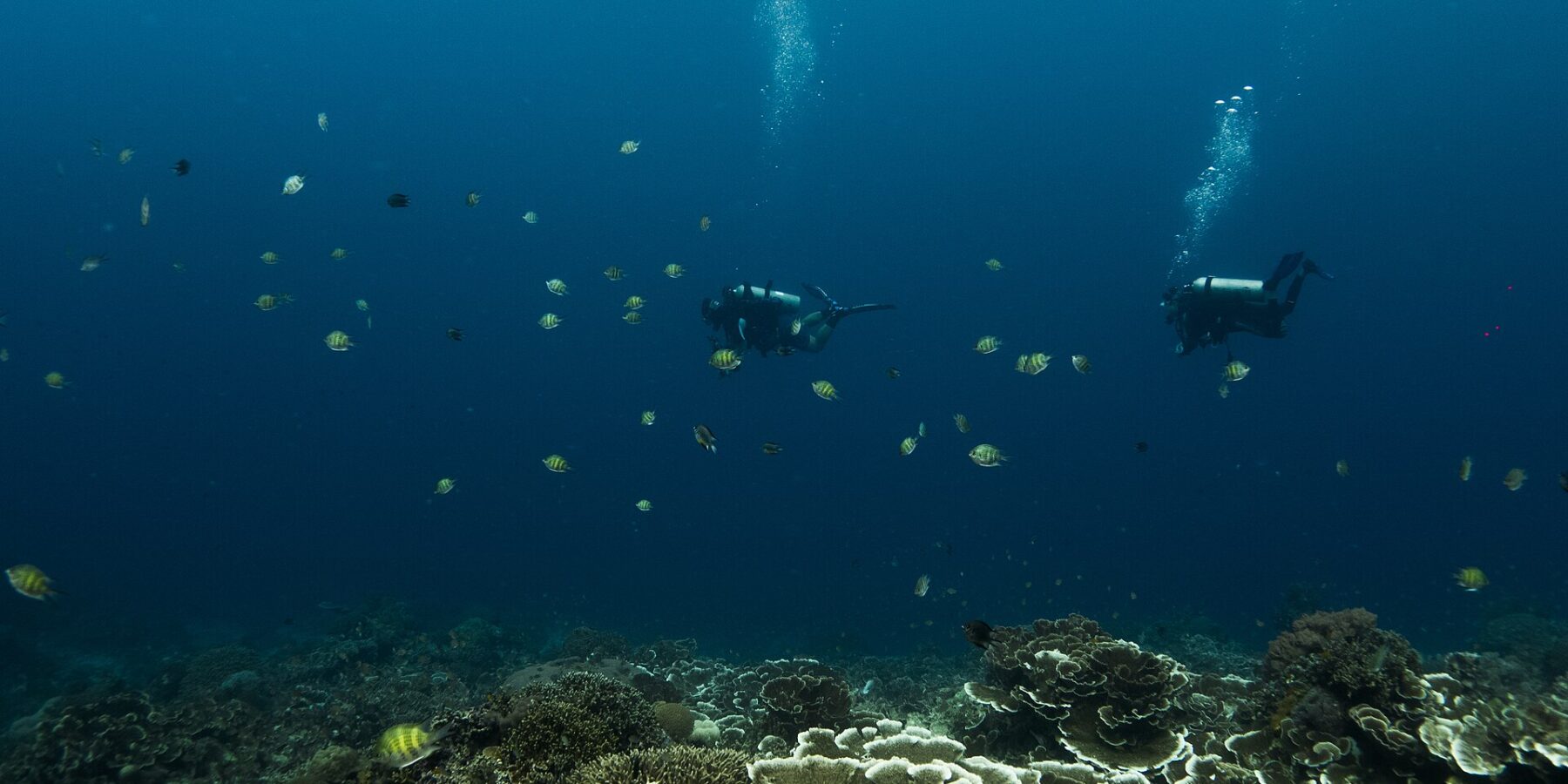
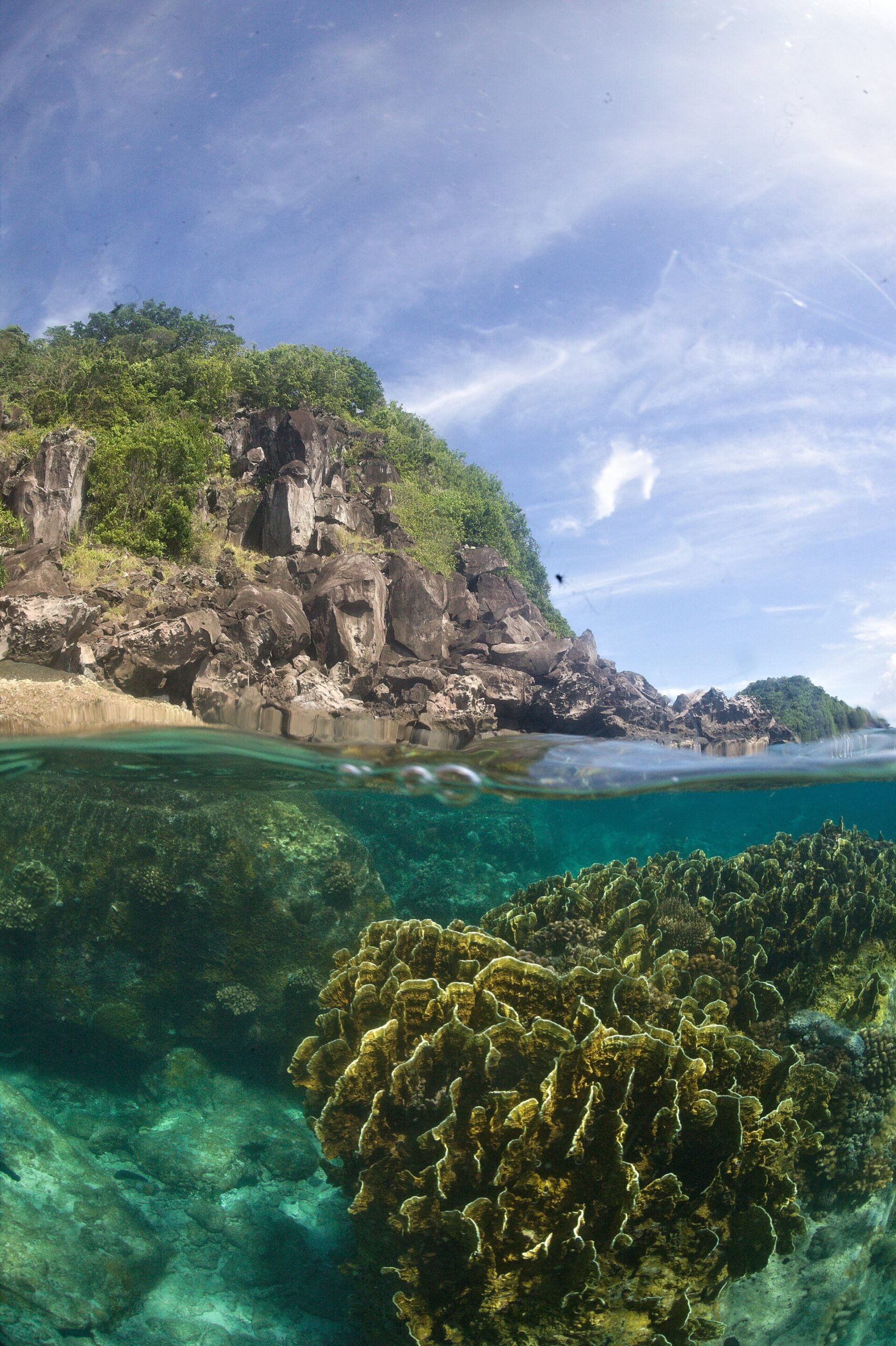
Apo Island is a volcanic island south of Negros, where fishermen and Silliman University created one of the Philippines' first marine sanctuaries in 1982. More than 650 fish species live here, turtles show up on almost every dive, and you get there from Dauin in 30 to 45 minutes by boat.
Why dive Apo Island?
- One of the country's first community marine sanctuaries, created in 1982 by fishermen with Silliman University, and the model for hundreds of others
- Green and hawksbill turtles on almost every dive, more than sixty individuals recorded
- The Coconut Point drift, where the current switches direction mid-dive, with its schools of trevally and barracuda
- More than 650 fish species and some 400 coral species around a 74-hectare island
- A three-dive day from Dauin for PHP 6,400 to 6,900, all included
Apo Island in pictures
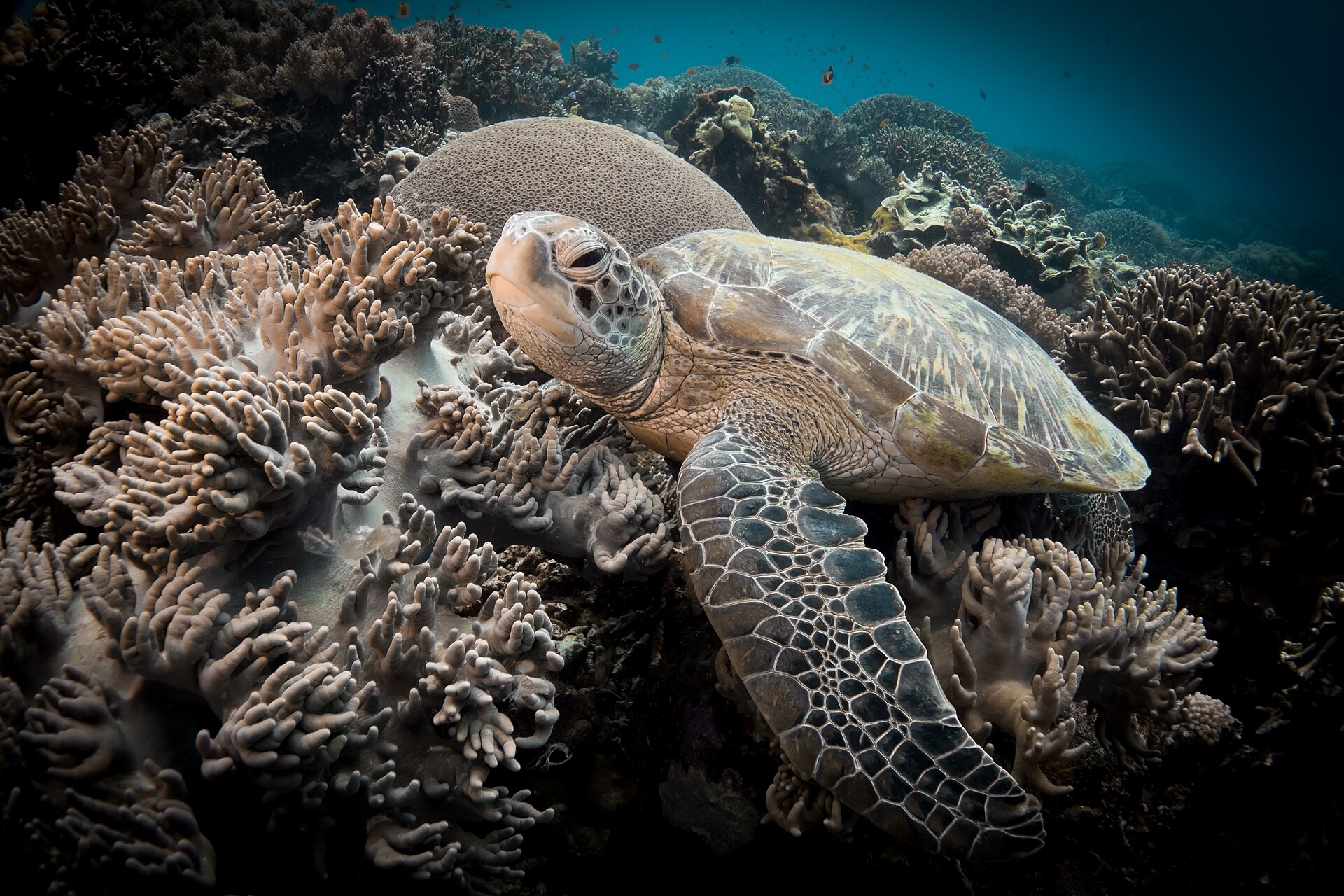
What will you see at Apo Island?
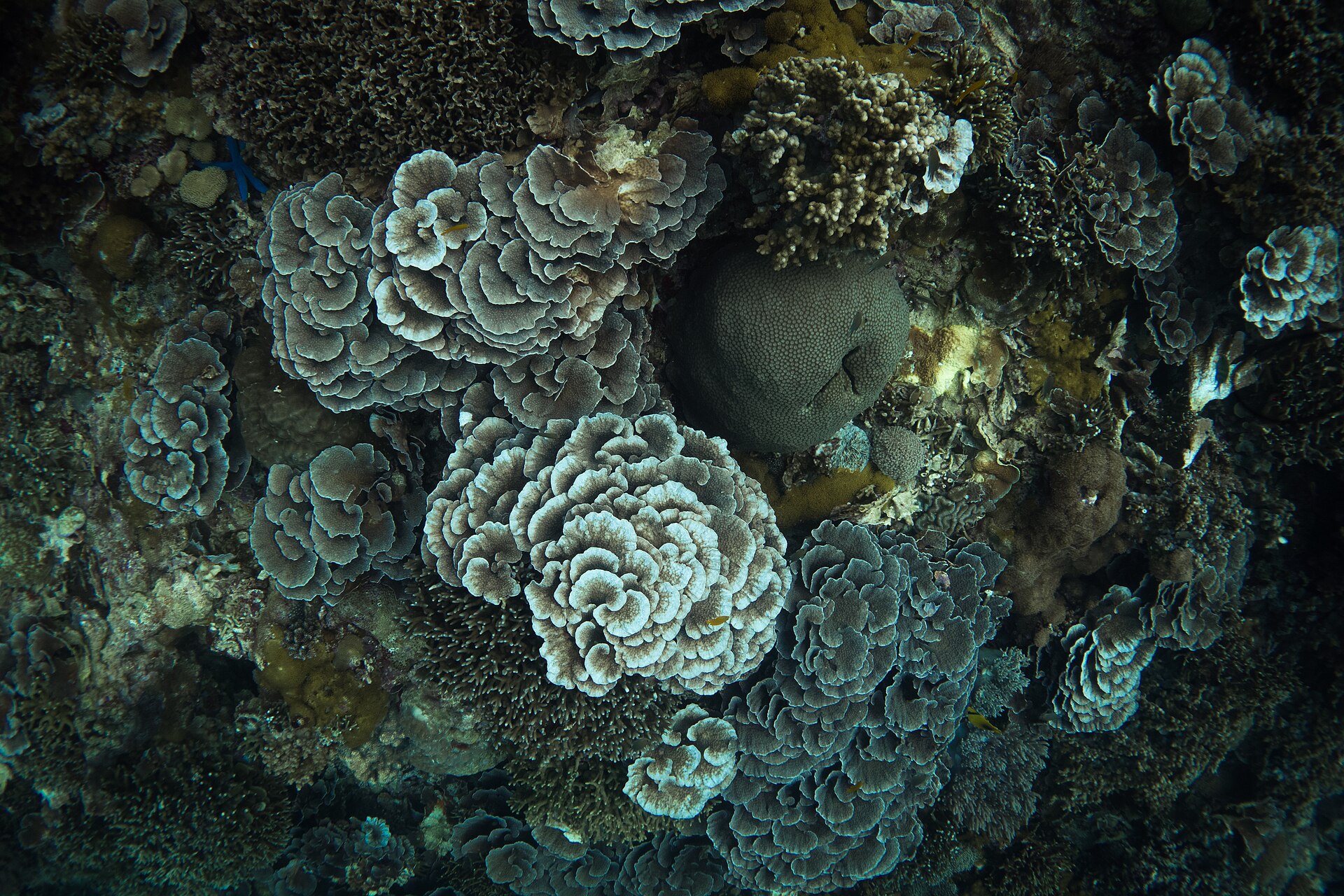
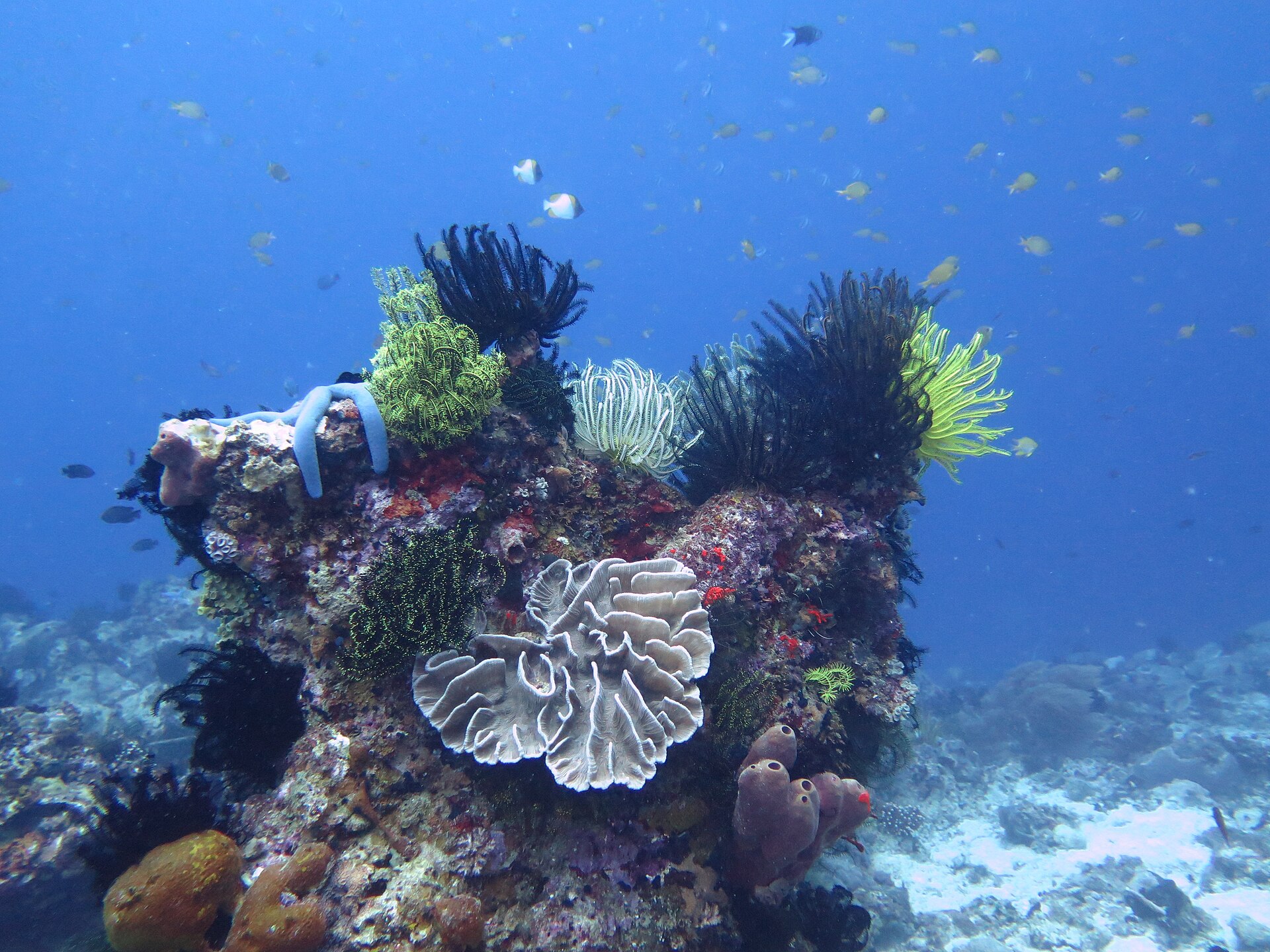
More than 650 fish species and some 400 coral species have been recorded around an island of 74 hectares. Green and hawksbill turtles, more than sixty of them counted, show up on almost every dive: resting under the overhangs at Cogon Point, grazing on the gentle Katipanan slope, in the shallow seagrass beds. At Coconut Point and Mamsa Point, the current holds schools of trevally, fusiliers, bignose unicornfish and barracuda; mamsa is the local name for trevally. Chapel adds snappers, dogtooth tuna, bumphead parrotfish and the leaf scorpionfish of its caverns. Rock Point West has the island's best hard coral cover, acropora, table and mushroom corals, with frogfish, cuttlefish and up to ten or so banded sea kraits per dive. Largahan, on its dark volcanic sand pierced by gas bubbles, is the macro dive: octopus, ribbon eels, nudibranchs, scorpionfish. Pygmy seahorses live below 20 m at Cogon Point. Manta rays, mobulas and whale sharks pass now and then, but you can't count on them.
| Species | J | F | M | A | M | J | J | A | S | O | N | D | Note |
|---|---|---|---|---|---|---|---|---|---|---|---|---|---|
 Green turtle | peak season | peak season | peak season | peak season | peak season | peak season | peak season | peak season | peak season | peak season | peak season | peak season | grazing on the Katipanan slope and in the shallow seagrass beds, on almost every dive |
 Hawksbill turtle | peak season | peak season | peak season | peak season | peak season | peak season | peak season | peak season | peak season | peak season | peak season | peak season | resting under the overhangs at Cogon Point |
 Lionfish | peak season | peak season | peak season | peak season | peak season | peak season | peak season | peak season | peak season | peak season | peak season | peak season | at Mamsa Point and under the overhangs of the wall |
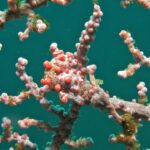 Pygmy seahorse | possible | possible | possible | possible | possible | possible | possible | possible | possible | possible | possible | possible | on the sea fans at Cogon Point, below 20 m |
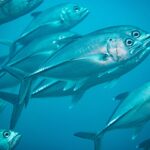 Bigeye trevally | peak season | peak season | peak season | peak season | peak season | peak season | peak season | peak season | peak season | peak season | peak season | peak season | schooling in the current at Coconut Point and Mamsa Point |
| Barracuda | peak season | peak season | peak season | peak season | peak season | peak season | peak season | peak season | peak season | peak season | peak season | peak season | at Coconut Point and at the foot of the Chapel wall |
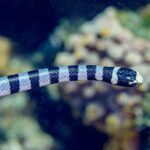 Banded sea krait | peak season | peak season | peak season | peak season | peak season | peak season | peak season | peak season | peak season | peak season | peak season | peak season | up to ten or so per dive at Rock Point West, and at Coconut Point |
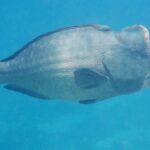 Bumphead parrotfish | possible | possible | possible | possible | possible | possible | possible | possible | possible | possible | possible | possible | along the Chapel wall |
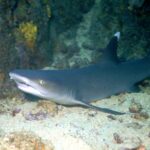 Whitetip reef shark | possible | possible | possible | possible | possible | possible | possible | possible | possible | possible | possible | possible | at Mamsa Point and Rock Point |
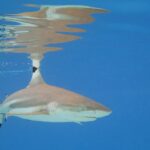 Blacktip reef shark | possible | possible | possible | possible | possible | possible | possible | possible | possible | possible | possible | possible | at Mamsa Point and Rock Point |
peak seasonpossiblerare
What is diving like at Apo Island?
The sites range from 5 to 40 m, but almost everything is dived above 30: the foot of the Chapel wall is around 30 m, the Katipanan slope doesn't go below 18 m and the sanctuary slope runs from 5 to 25. Current sets the level. Coconut Point, nicknamed the washing machine, changes direction during the dive and is for divers comfortable with drifts, with a sandy refuge between two walls to get out of it; Mamsa Point is sometimes too strong for anyone; Rock Point, exposed, catches current and chop. Chapel and Katipanan suit every level, and Cogon Point is the fallback when the current is pushing. The guide picks the sites to suit the group. Dive centers require Open Water and a refresher dive if you haven't dived for more than six months; a reef hook helps on the exposed points. Visibility 10 to 20 m, reliable. The sea is usually calm, stirred up by monsoon squalls. Banded sea kraits are venomous and very common: look, don't touch.
When to dive Apo Island?
idealgoodnot recommended
Apo can be dived year-round, and the monsoon makes the season. From November to May, the amihan, the northeast wind, brings dry, stable weather, especially from January to June; from March to May, visibility is at its best, rain is rare and there are no typhoons. From June to October, the habagat, the southwest monsoon, brings back the rain, and Pacific cyclones can disrupt trips; Dauin, sheltered by the mountains of Negros, gets quick, short storms. Dive centers run trips year-round, subject to a minimum number of divers and the weather: a canceled trip moves to the next day, hence the value of a spare day in the wet season. The water drops to an average of 26.6°C in February, sometimes 25°C, and rises to 29.4°C in October. Turtles and schools of trevally are seen year-round; mantas, mobulas and whale sharks remain chance encounters.
How to get to Apo Island?
Apo is a barangay of the municipality of Dauin, 7 km off the southeastern tip of Negros and 25 to 30 km south of Dumaguete, whose airport has links to Manila and Cebu. Dauin, 20 to 30 minutes south of Dumaguete, has dive centers all along its coast. The Apo day is done by banca, a 30 to 45 minute crossing depending on the sea, three dives, lunch included: meet around 7:45 a.m., back around 4 p.m. At Mike's Dauin Beach Resort, it costs PHP 6,400 (€91) with marine park fees, hot lunch, drinks, tanks and weights, plus a PHP 500 fuel surcharge per person since April 12, 2026; full gear rents for PHP 600 a day. At Bongo Bongo Divers, it's PHP 5,900 with gear, PHP 5,500 without, with PHP 600 for fuel on top, so PHP 6,500 (€93) all in, sanctuary fees included. You can also reach the island in 30 minutes by motorboat from Malatapay, in Zamboanguita. Prices checked on October 14, 2026.
Stay in Dauin
Where to find a dive guide in Apo Island?
Guided tours you can book online, ranked by number of reviews. These are affiliate links: if you book, you support us at no extra cost.

 Viator
Try Scuba Diving for Beginners by Boat on Diaporos Island
5.0 (8 reviews)View and bookWhere to stay near Apo Island?
Hotels, apartments and rooms around Dauin, with current prices.
How did Apo Island fishermen create a community sanctuary in 1982?
In the early 1980s, Angel Alcala, of the Silliman University marine laboratory in Dumaguete, spent three years persuading Apo's fishermen to close part of their reef. In 1982, together they chose 450 m of shoreline, extending 500 m offshore, and banned fishing there: it is the second oldest marine sanctuary in the country. A marine management committee looks after the reserve; the biomass of large predators there has increased eightfold. The model caught on: hundreds of Philippine community sanctuaries descend from it. In 1994, Proclamation 438 declared the island and its waters a 691-hectare protected landscape under the NIPAS law, with a management board. In 2003, Chicago's Shedd Aquarium built its Wild Reef exhibit on Apo; in 2008, Sport Diver magazine named it among the world's hundred best dive sites.
In December 2011 and December 2012, typhoons Sendong and Pablo flattened nearly 99% of the reefs in the sanctuary zone, on the southeast coast; the northern reefs were spared. The sanctuary has been closed ever since, and diving takes place on the island's other coasts.
What are the dive sites around Apo Island, point by point?
Coconut Point, in the north, is the benchmark drift: a slope of soft corals, barrel sponges and table corals, where the current pushes schools of trevally, fusiliers, barracuda and unicornfish, with banded sea kraits on the bottom; a sandy hollow between two walls lets you get out when the washing machine goes wild. Mamsa Point, next door, is the meeting place of trevally and eagle rays, sometimes too strong for anyone. Chapel starts from a shallow coral and sand bank, then the wall, pocked with overhangs and small caverns, drops to around 30 m: black and white snappers, dogtooth tuna, bumphead parrotfish, leaf scorpionfish. Rock Point and Rock Point West, in the south, have the finest hard corals, pyramid butterflyfish, redtooth triggerfish, frogfish and cuttlefish. Largahan is the dark volcanic sand slope, with its gas bubbles and its macro. Katipanan, a gentle slope down to 18 m, is used for refresher dives; Cogon Point, in the east, is the fallback in strong current, with pygmy seahorses below 20 m and turtles under the overhangs.
How much does diving Apo Island cost, and why might it change?
Divers pay PHP 300 a day, 100 to enter the island and 200 for the day of diving, collected by the dive centers and passed on to the island; swimmers and those who come to see the turtles from the surface pay their own fees, set by the management board. This fee schedule is under review. The 2016 national order of the environment ministry sets a minimum of PHP 800 for Filipinos and PHP 1,800 for foreigners in protected areas; on May 20, 2026, the Negros Oriental chamber of commerce asked for these fees to be lowered, and nothing had changed at Apo as of that date. Expect a possible increase. Since 2019, a management board resolution, based on a Silliman University carrying capacity study, has capped the number of divers and swimmers per site and per day, with ticketing and booking: that's why dive centers leave at fixed times and ask you to sign up the day before. Fees are often paid in cash.
Our tip
Plan two days at Apo: one for the northern drifts, the other for the walls and sand. Keep a spare day in the rainy season, and pesos in cash. Leave the banded sea kraits alone: they are venomous sea snakes.
Other dive sites nearby
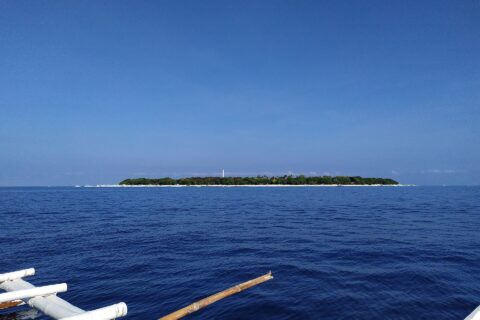
 PhilippinesReef
Balicasag Island
Visayas: Cebu, Bohol and Negros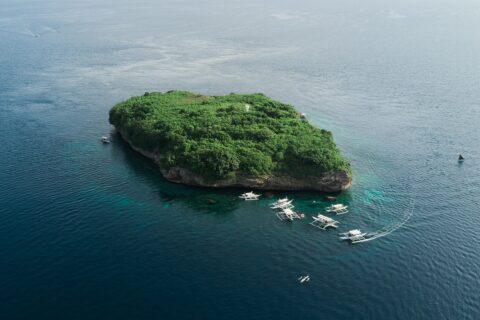 PhilippinesReef
Pescador Island
Visayas: Cebu, Bohol and Negros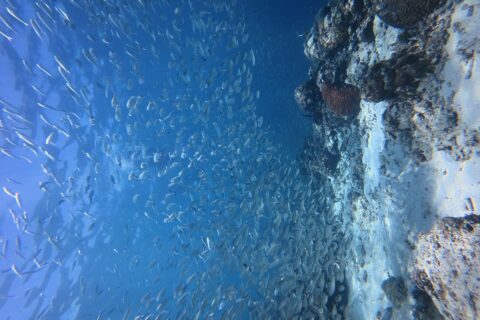 PhilippinesShore dive