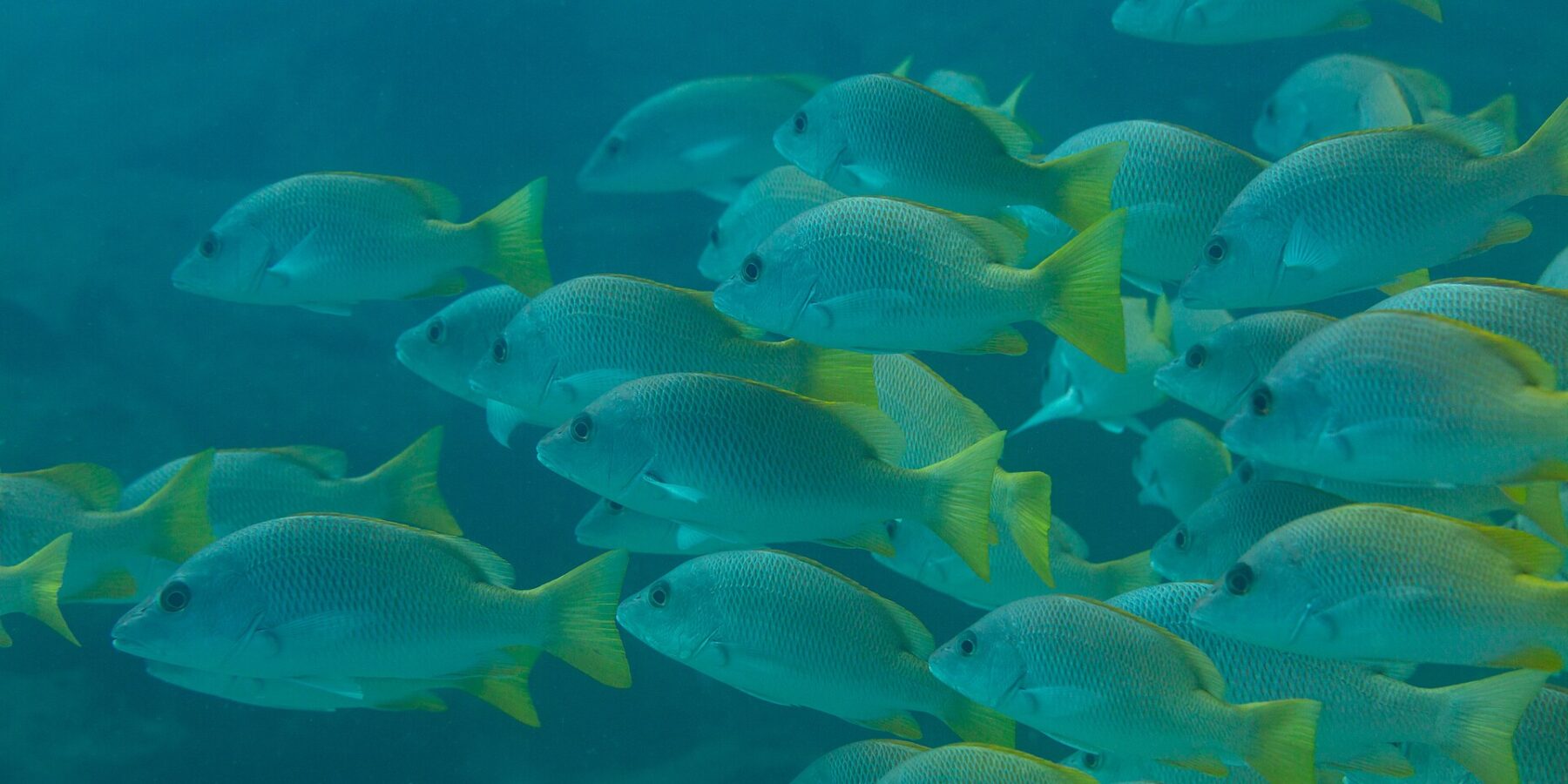
Cabo Pulmo is the only coral reef in the Sea of Cortez, made a national park in 1995 at the request of the village fishermen. Fish biomass jumped 462% in fifteen years: trevally, groupers, snappers and bull sharks share the reef from 5 to 30 meters.
Why dive the Cabo Pulmo reef?
- The northernmost coral reef in the eastern Pacific, 20,000 years old, with eleven coral species
- Fish biomass up more than fivefold in fifteen years of protection: the model for marine reserves
- Trevally tornadoes of several thousand fish, and groupers the size of a diver
- Bull sharks on the El Vencedor wreck, at 15 meters
- Ten sites five to fifteen minutes from the beach by panga, six divers per guide
The Cabo Pulmo reef in pictures
What will you see at the Cabo Pulmo reef?
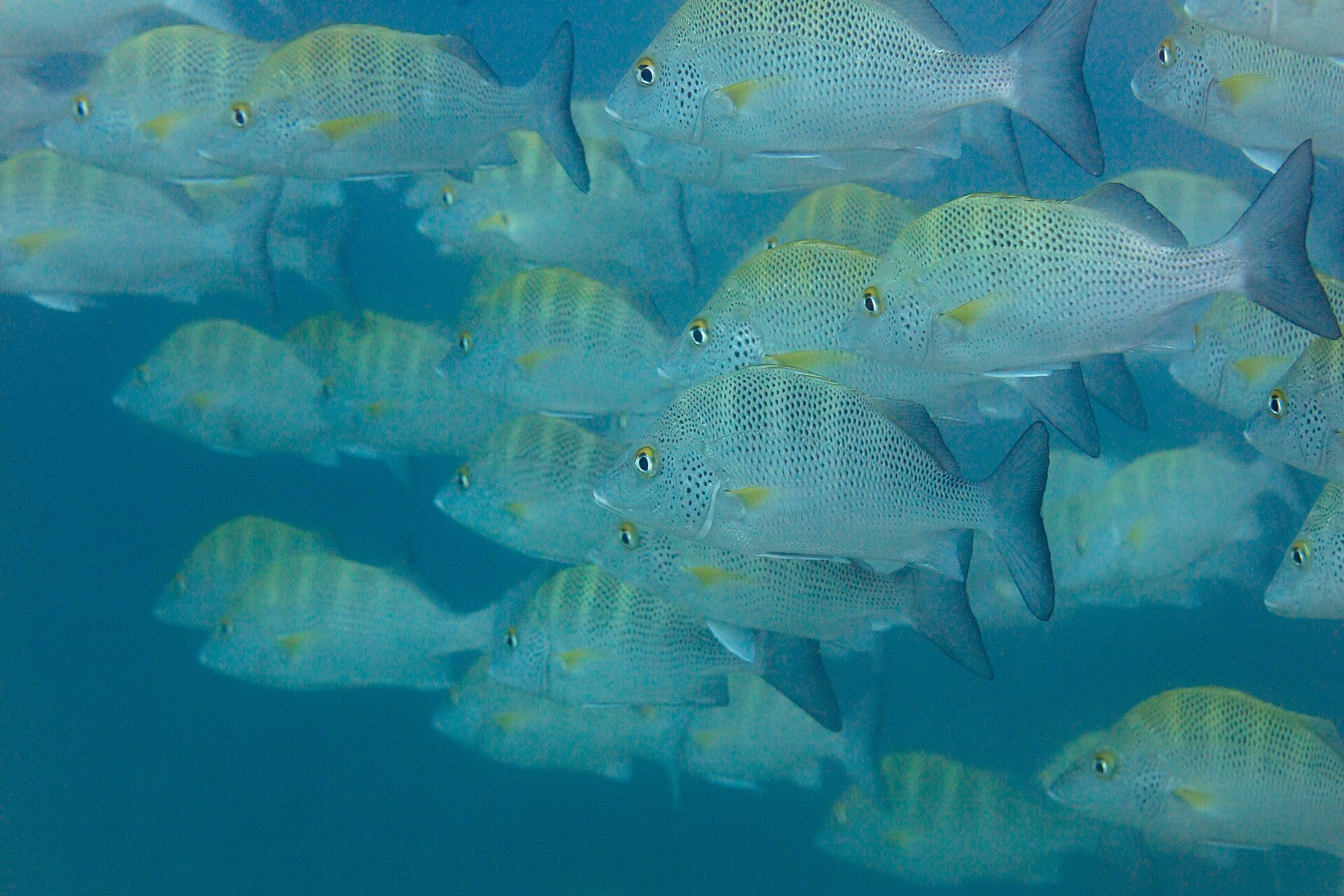
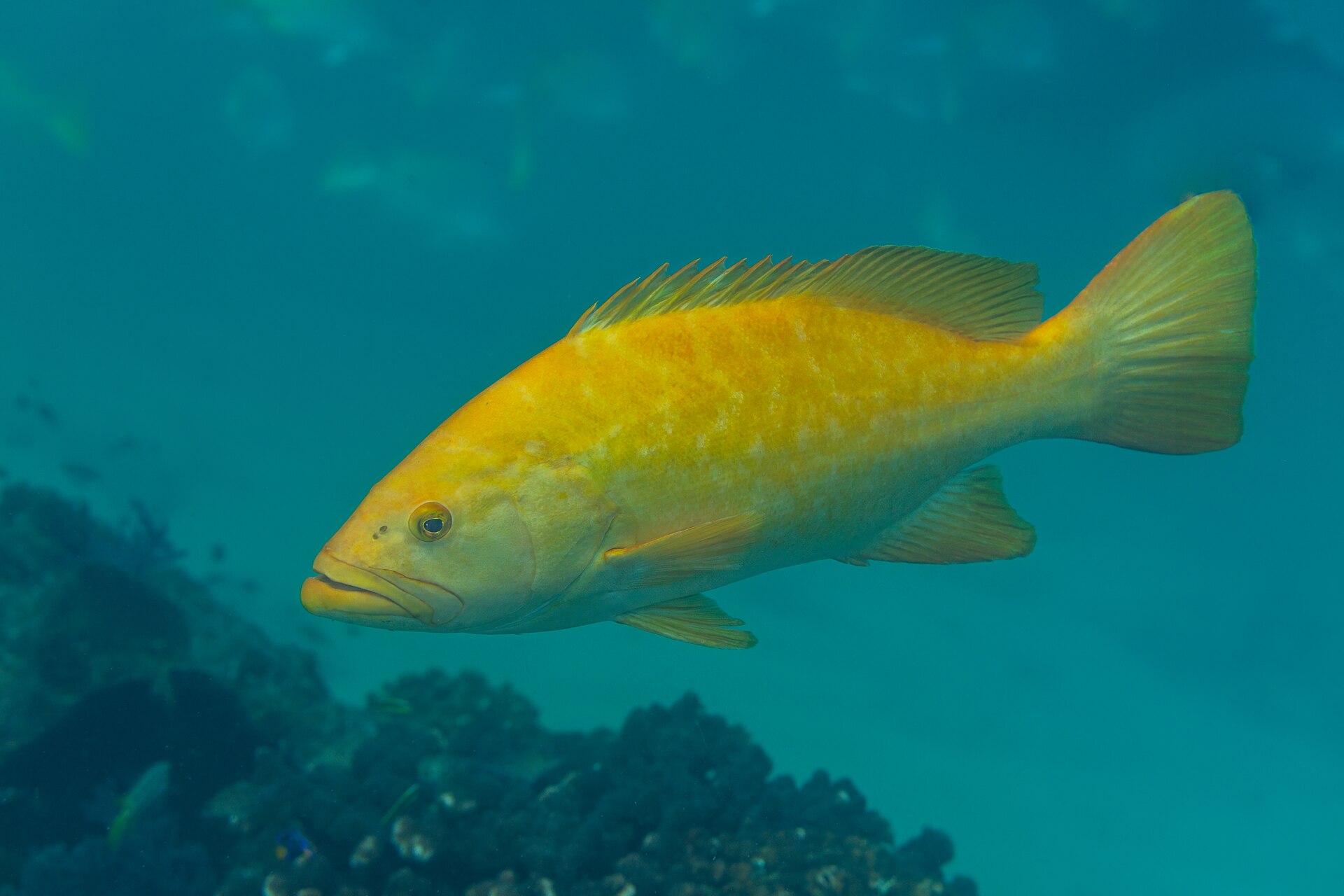
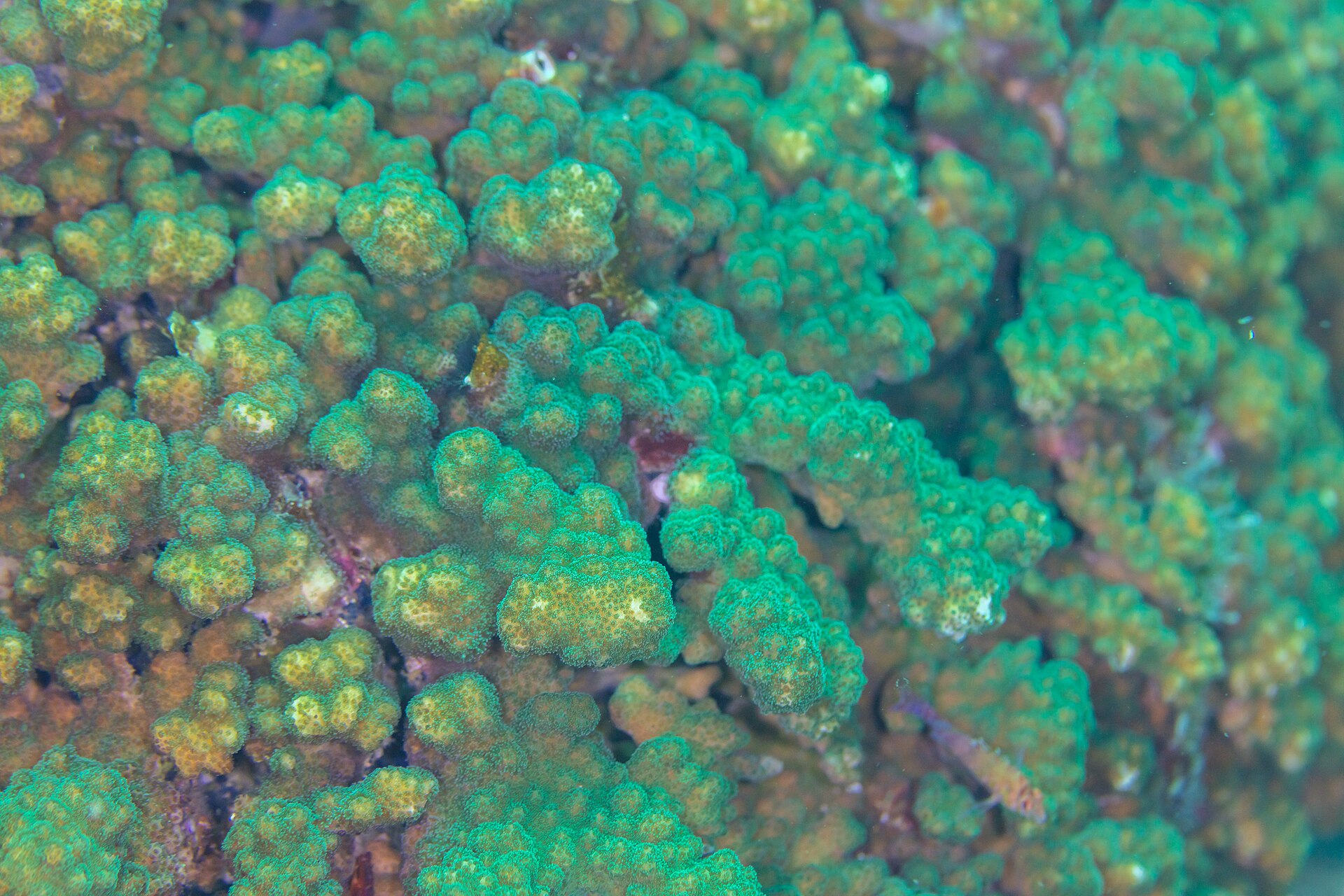
Cabo Pulmo is the story of a reef that came back. Before 1995, the bay was overfished; in 2010, fifteen years after the closure, researchers measured a 462% rise in fish abundance, the strongest recovery ever recorded in a marine reserve. The big predators returned: orange leopard groupers the size of a diver, bull sharks circling the El Vencedor wreck, bigeye trevally forming tornadoes of several thousand fish above the ridges. Yellow snappers and blue-and-gold snappers gather by the hundreds in the crevices, with graybar grunts. Panamic green morays, king angelfish, parrotfish and triggerfish add color to the bars of Pocillopora coral: eleven species of hard coral in all, on rocky outcrops that run parallel to the shore. Green turtles sleep at Las Casitas, rays cross the sand, mobulas leap offshore, and humpback whales pass through in winter. More than 800 marine species are recorded in the park.
| Species | J | F | M | A | M | J | J | A | S | O | N | D | Note |
|---|---|---|---|---|---|---|---|---|---|---|---|---|---|
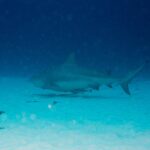 Bull shark | possible | possible | possible | possible | possible | possible | possible | peak season | peak season | peak season | peak season | peak season | on the El Vencedor wreck, at 15 meters; dive centers list them almost year-round, and sightings are most reliable from late summer to December |
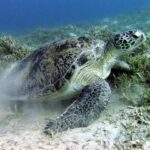 Green turtle | possible | possible | possible | possible | possible | possible | possible | possible | possible | possible | possible | possible | on the reefs on almost every dive, asleep at Las Casitas |
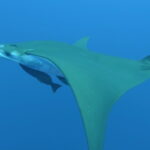 Sicklefin devil ray | possible | possible | possible | possible | possible | possible | possible | possible | possible | possible | possible | possible | schools leaping offshore, depending on the season |
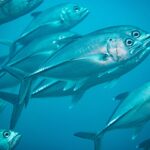 Bigeye trevally | peak season | peak season | peak season | peak season | peak season | peak season | peak season | peak season | peak season | peak season | peak season | peak season | tornadoes of several thousand fish, the park's signature |
| Yellow and blue and gold snappers | peak season | peak season | peak season | peak season | peak season | peak season | peak season | peak season | peak season | peak season | peak season | peak season | by the hundreds on the reef ridges |
| Leopard groupers and green morays | peak season | peak season | peak season | peak season | peak season | peak season | peak season | peak season | peak season | peak season | peak season | peak season | the groupers have grown back to the size of a diver since fishing was closed |
| Humpback whales | peak season | peak season | peak season | possible | rare | rare | rare | rare | rare | rare | rare | peak season | passing offshore in winter |
peak seasonpossiblerare
What is diving like at the Cabo Pulmo reef?
The park has ten sites, five to fifteen minutes from the beach by panga. Most are coral-covered rocky bars running parallel to the shore, between 5 and 18 meters. El Vencedor, a tuna boat that sank in the early 1980s after hitting the reef, lies broken up on the sand at 15 meters, and that is where the bull sharks gather. La Esperanza and Outer Pulmo, the offshore reefs, drop to 23 to 30 meters and are reserved for Advanced divers. The current is moderate, sometimes strong on the outer bars, and ocean swell can be felt on the shallow sites. Visibility usually runs from 6 to 18 meters, up to 30 meters in the fall, and drops in winter with the plankton. Open Water is enough for the inshore sites. Dive centers cap groups at six divers per guide and demand strict behavior around the sharks: stay together, stay still, never swim toward the animal.
When to dive the Cabo Pulmo reef?
idealgoodnot recommended
You can dive Cabo Pulmo year-round, but the water changes completely. In winter, from December to March, it drops to 20 °C, sometimes lower, plankton blooms and on some days visibility shrinks to a few meters: bring a thick wetsuit and a hood. It warms up in spring, and from July to November it sits at 27 to 30 °C. September, October and November bring the best visibility, often more than 20 meters, and the most fish, with the most reliable bull sharks on the wreck from late summer to December. Swell from a Pacific hurricane, in summer or fall, can cloud the water for several days. Humpback whales pass through in winter.
How to get to the Cabo Pulmo reef?
Cabo Pulmo is a village on the east coast of the tip of Baja California, about a hundred kilometers north of Cabo San Lucas and Los Cabos airport, with a stretch of dirt road at the end: arrive with a full tank of gas and pesos in cash. Cabo Pulmo Dive Center, the dive center of Cabo Pulmo Beach Resort, was founded by the family that traded its spearguns for scuba tanks when the park was created. It heads out every morning for two dives by panga, six divers per guide, at MXN 2,800 per diver, tanks and weights included, plus the park fee of MXN 120 per person per day. Full equipment rental costs MXN 600 a day, a try dive MXN 4,000, the Open Water course MXN 12,200 and the Advanced MXN 9,400. The center offers dive and villa packages with meals, from two to six nights. The Rocio del Mar and Quino del Mar liveaboards, out of Cabo San Lucas, often stop at Cabo Pulmo at the end of the trip.
Stay in Cabo Pulmo
Where to find a dive guide in the Cabo Pulmo reef?
Guided tours you can book online, ranked by number of reviews. These are affiliate links: if you book, you support us at no extra cost.

 Viator
Scuba Diving Adventure in Cabo Pulmo
5.0 (20 reviews)View and bookWhere to stay near the Cabo Pulmo reef?
Hotels, apartments and rooms around Cabo Pulmo, with current prices.
How did Cabo Pulmo become a national park?
In the 1980s, Pulmo Bay was emptying out: nets, spearguns, a reef broken by anchors. The village's fishing families, with researchers from the Autonomous University of Baja California Sur, asked for their bay to be protected, and on June 5, 1995, President Zedillo created Cabo Pulmo National Marine Park, 71 square kilometers between Punta Pulmo and Cabo Los Frailes. The fishermen became dive guides. In 2005 the park joined the World Heritage List as part of the serial site Islands and Protected Areas of the Gulf of California, and in 2008 it became a Ramsar wetland. Since 2019 the site has been on the List of World Heritage in Danger because of the vanishing vaquita, the porpoise of the northern gulf, not because of the state of the reef. In 2010, the study that measured 462% more fish made Cabo Pulmo the world model for community-managed reserves.
What can you see on each Cabo Pulmo dive site?
The reef bars run parallel to the shore and get deeper as you head offshore, and each one has its own show: bigeye trevally tornadoes that wrap around divers on the ridges, snappers and grunts by the hundreds in the crevices, leopard groupers, some in their orange phase, and the sleeping turtles of Las Casitas. El Vencedor, the tuna boat wreck at 15 meters, is the bull shark dive: on certain tides they come up over the sand around the hull plates. You settle as a group, you stay still, and they pass. The offshore reefs, La Esperanza and Outer Pulmo, between 23 and 30 meters, hold the biggest fish and the most current.
How fragile is the Cabo Pulmo reef?
Cabo Pulmo's coral grows at the northern edge of its range, in water that drops to 20 °C in winter: it grows slowly, and the mark of an anchor or a fin kick shows for years. The park rules are simple: no fishing, no touching, village operators only, in small groups. Tourism has replaced fishing as the village's income, and that is what keeps the protection in place, even though patrol resources remain limited. If you dive here, you pay MXN 120 a day and, above all, you respect a reef that took twenty thousand years to build and fifteen to recover.
Our tip
Come from September to November, when the water is 28 °C and visibility is at its best. Plan several days to give yourself a real chance on the wreck. Fill up on gas and bring pesos in cash.
Other dive sites nearby
 MexicoReef
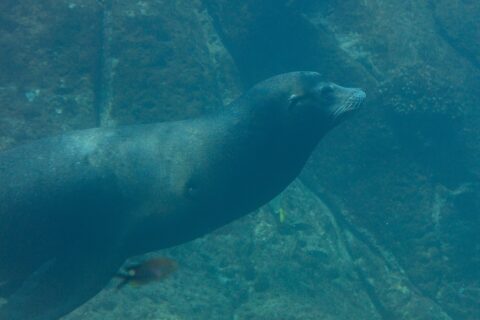
Los Islotes
Sea of Cortez: La Paz and Cabo Pulmo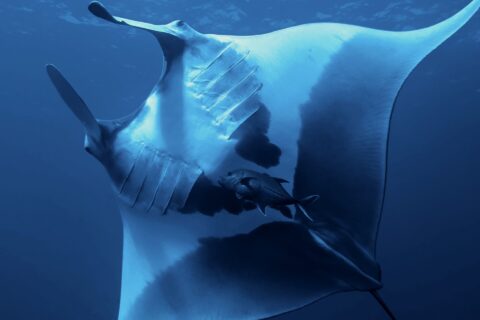 MexicoPelagic
El Boiler
Revillagigedo Islands (Socorro)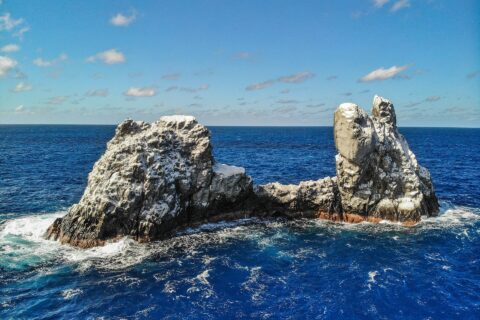 MexicoPelagic