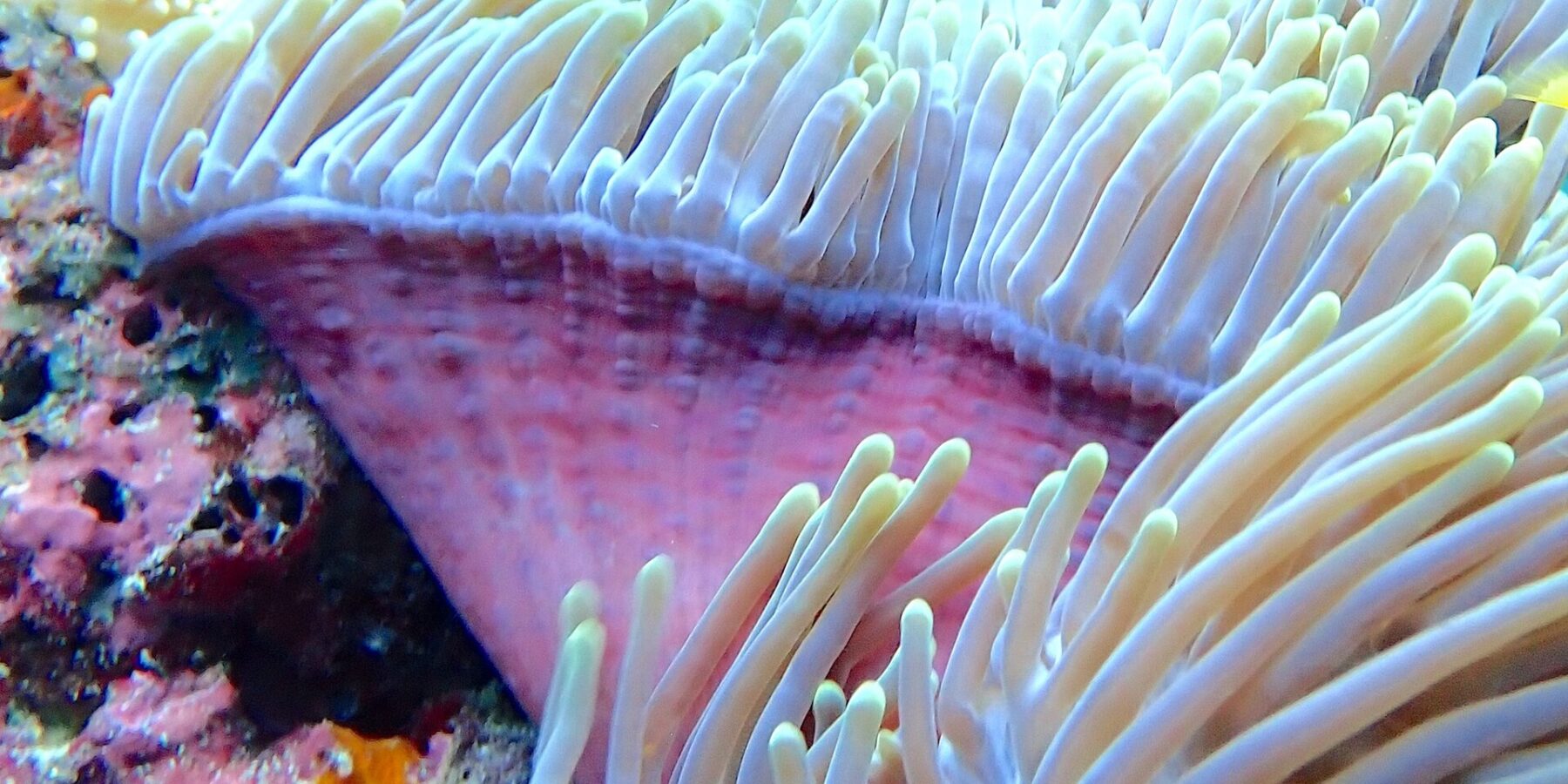
Fundu Gap is a channel between Fundo Island and the reef, on the west coast of Pemba, with coral walls that drop past 40 meters and Napoleon wrasse, eagle rays and trevallies holding in its current. It is the Pemba drift dive, for Advanced divers only.
Why dive Fundu Gap?
- A drift dive through the channel between Fundo Island and the reef, with walls that start at 5 to 8 meters and drop below 40
- Napoleon wrasse, eagle rays, schools of trevallies and snappers in the current, passing reef sharks and mantas
- Red sea fans, sponges and overhangs all along the wall, in 20 to 40 meters of visibility
- Five sites in the same channel, from Mandela Wall to South Wall, to vary your dives over several days
- An island with hardly any divers: a few lodges, rare boats, untouched sites
Fundu Gap in pictures
What will you see at Fundu Gap?
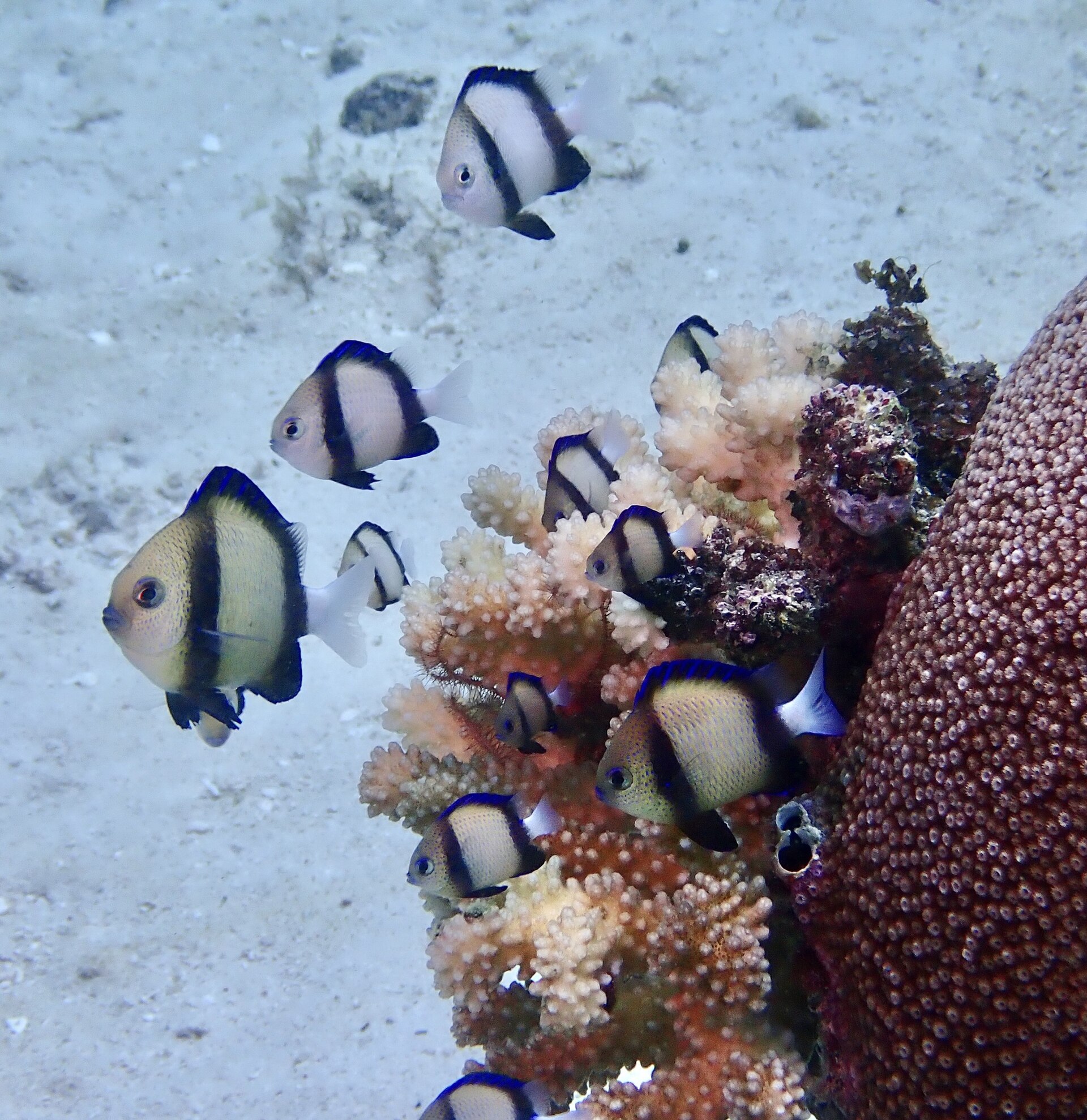
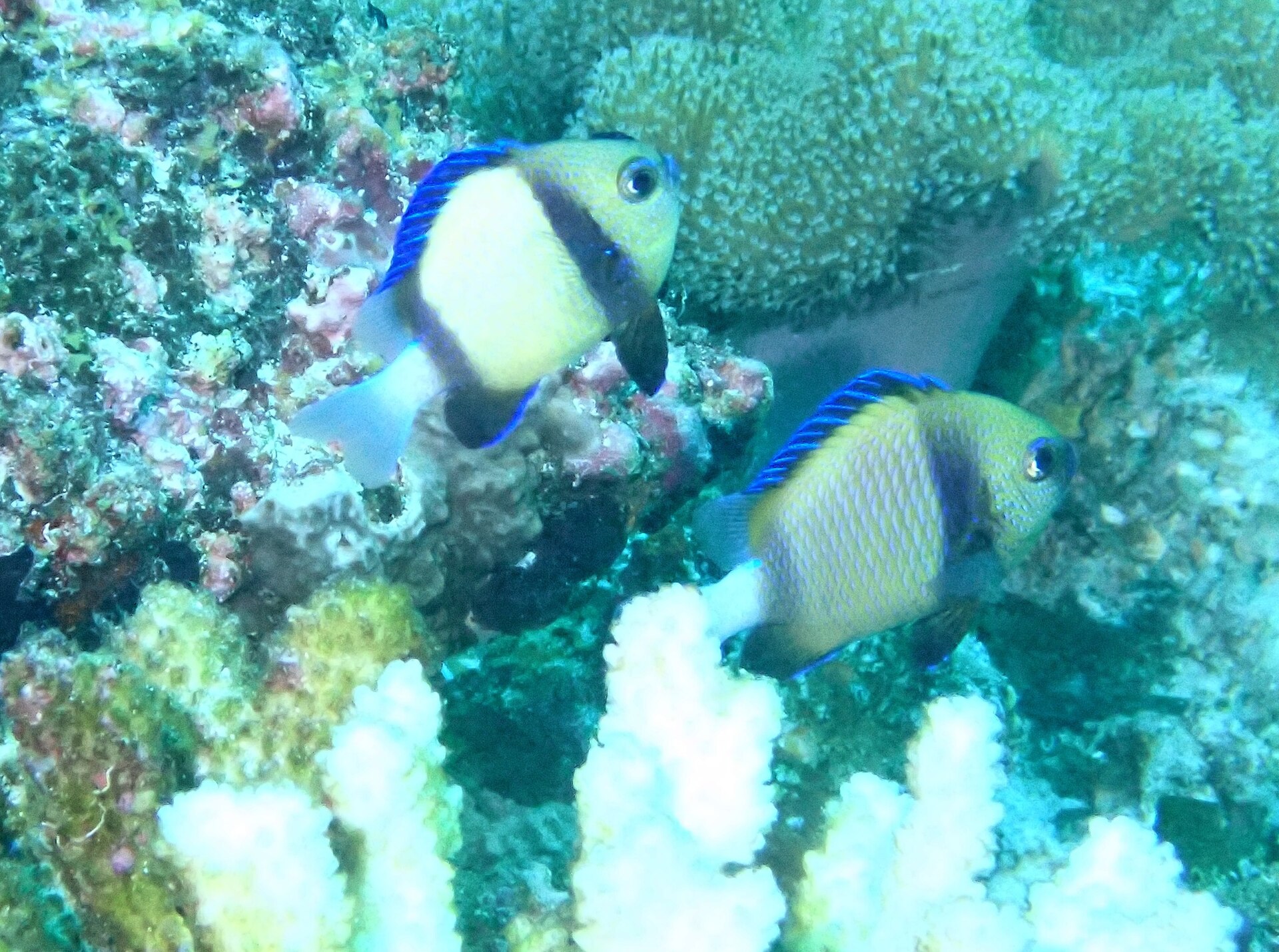
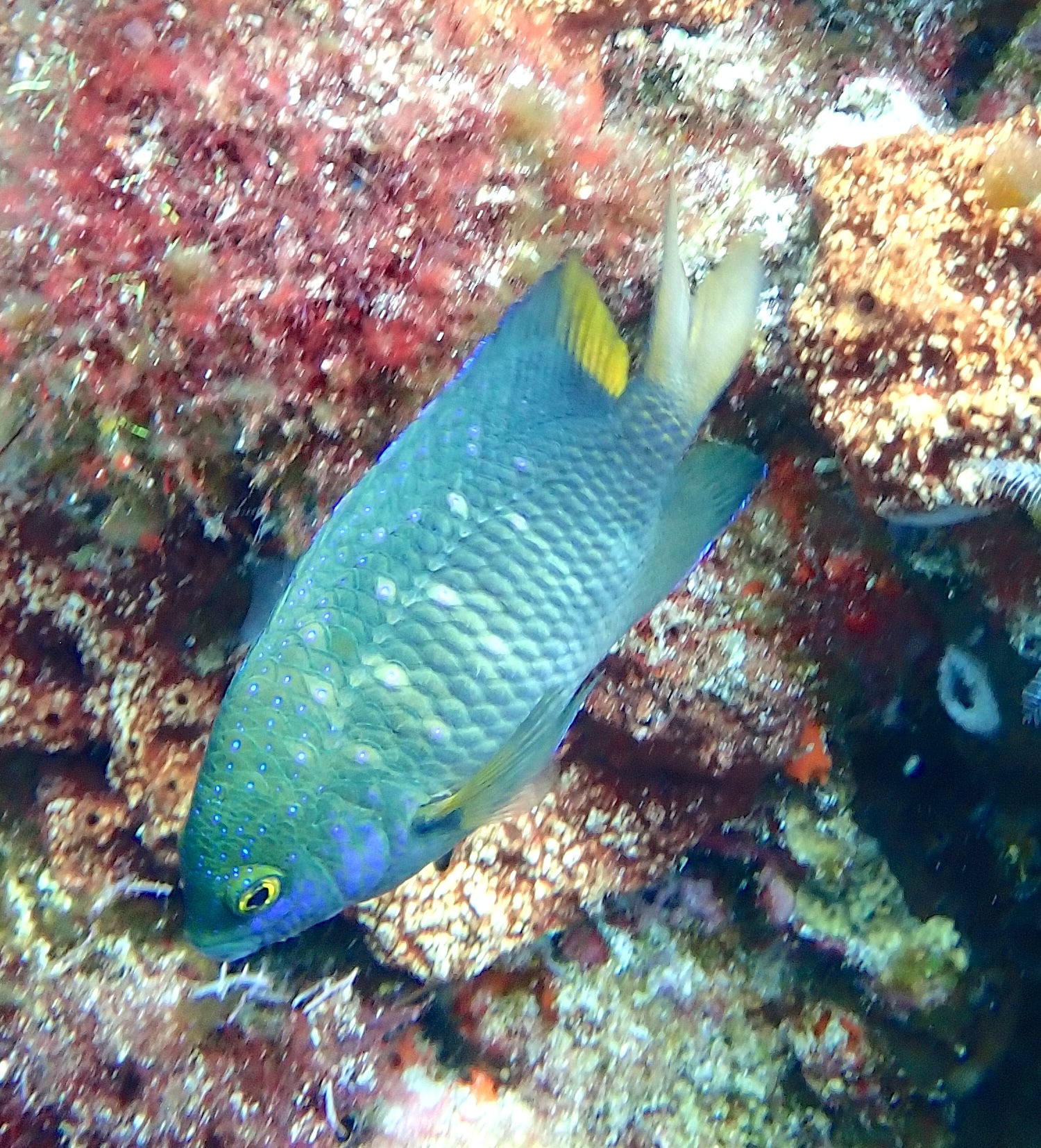
Fundu Gap is a channel dive: everything that lives in the Pemba Channel passes through here with the tide. At the corner of the channel, where the wall drops below 30 meters, schools of blackspot snappers, sweetlips and trevallies hold in the current. That is where you meet the big Pemba Napoleon wrasse, eagle rays gliding along the wall and, now and then, a reef shark or a manta in the blue. Green and hawksbill turtles graze on the top of the wall. The wall itself is the second show: red sea fans, sponges, table corals in stacked plates, moray eels in the overhangs, and clouds of damselfish and dascyllus over the branching corals on top. The waters of Misali and the channels hold more than 300 fish species and twice as many coral genera as the rest of Tanzania. The fish are there all year; the strength of the current decides what you see.
| Species | J | F | M | A | M | J | J | A | S | O | N | D | Note |
|---|---|---|---|---|---|---|---|---|---|---|---|---|---|
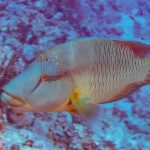 Napoleon wrasse | peak season | peak season | peak season | peak season | peak season | peak season | peak season | peak season | peak season | peak season | peak season | peak season | big individuals along the walls, on almost every dive |
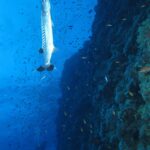 Great barracuda | possible | possible | possible | possible | possible | possible | possible | possible | possible | possible | possible | possible | schooling in the current, at the mouth of the channel |
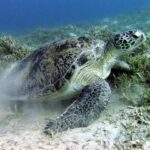 Green turtle | possible | possible | possible | possible | possible | possible | possible | possible | possible | possible | possible | possible | passing over the top of the wall |
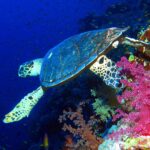 Hawksbill turtle | possible | possible | possible | possible | possible | possible | possible | possible | possible | possible | possible | possible | on the sponges and sea fans of the wall |
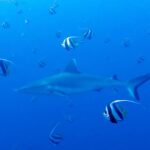 Gray reef shark | possible | possible | possible | possible | possible | possible | possible | possible | possible | possible | possible | possible | in the blue, at the corner of the channel, with no regularity |
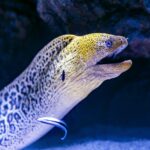 Giant moray | peak season | peak season | peak season | peak season | peak season | peak season | peak season | peak season | peak season | peak season | peak season | peak season | in the overhangs of the wall |
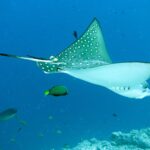 Spotted eagle ray | possible | possible | possible | possible | possible | possible | possible | possible | possible | possible | possible | possible | gliding along the wall, especially on an incoming current |
| Manta rays | possible | possible | possible | possible | possible | possible | possible | possible | possible | possible | possible | possible | passing by in the blue, with no clear season |
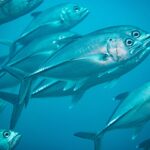 Bigeye trevally | peak season | peak season | peak season | peak season | peak season | peak season | peak season | peak season | peak season | peak season | peak season | peak season | in dense schools in the current, at the corner of the channel |
| Snappers | peak season | peak season | peak season | peak season | peak season | peak season | peak season | peak season | peak season | peak season | peak season | peak season | in dense schools in the current, at the corner of the channel |
| Damselfish and dascyllus | peak season | peak season | peak season | peak season | peak season | peak season | peak season | peak season | peak season | peak season | peak season | peak season | by the hundreds above the branching corals at the top of the wall |
| Sea fans and sponges | peak season | peak season | peak season | peak season | peak season | peak season | peak season | peak season | peak season | peak season | peak season | peak season | large red fans below 20 meters, all along the wall |
peak seasonpossiblerare
What is diving like at Fundu Gap?
The top of the reef is at 5 or 8 meters. The wall first drops as a steep slope, then turns vertical below 30 meters, and at the corner of the channel the sandy bottom falls well past 40, beyond recreational limits. It is a drift dive: you enter outside the channel and go straight down onto the wall, then the incoming current, steady and sometimes strong, carries the group inward, where the slope turns sandy and scattered with coral heads. You can also start inside and drift out to sea, but visibility drops on the outgoing current. Dive centers require Advanced Open Water, good drift experience and a surface marker buoy; the smaller boats only go out in calm seas. Visibility is 20 to 40 meters, the water 25 to 29 °C depending on the season, and a 3-millimeter wetsuit is enough.
When to dive Fundu Gap?
idealgoodnot recommended
Fundu Gap can be dived almost all year, and the current matters more than the season. From June to October, the sea is calm on the west coast, sheltered from the monsoon, the water is 25 or 26 °C and visibility is at its best, 30 meters and often more. From October to March, the sea stays manageable, the water rises to 28 or 29 °C and the sites in the south of the island become reachable, so trips to the south run during these months. The long rains of April and May cloud the water, and several Pemba dive centers close in May; the short rains of November are less of a problem. Whatever the date, the channel is dived on the incoming tide, and dive centers set the boat schedule by the tide table, not by their guests' plans.
How to get to Fundu Gap?
Fundu Gap opens in front of Wete, between Fundo Island, 9 kilometers long and 1 wide, and the reef that extends it. Together with Njao, its neighbor to the north, the island forms the natural breakwater of Wete harbor, 6 kilometers away. Dive centers are rare and each one belongs to a lodge. Pemba Dive Center at Makangale, in the northwest, sells a two-dive half day for US$120 and gear for US$20 a day; Swahili Divers, at Gecko Nature Lodge, charges US$130 for two nearby dives and US$200 for distant sites such as the channels. Afro Divers, also in the northwest, charges US$120 for two dives. On top of this come the Pemba marine area fees, US$10 per adult per day. Pemba is a 30-minute flight from Zanzibar with Coastal Aviation, US$100 one way plus US$20 in taxes; the airport is 7 kilometers from Chake Chake and the northern lodges are an hour away by road. Get the US$50 Tanzanian visa and the US$44 Zanzibar insurance before you arrive.
Stay in Wete
Where to stay near Fundu Gap?
Hotels, apartments and rooms around Wete, with current prices.
Which hotels to choose near Fundu Gap?
What are the dive sites of Fundu Gap and Fundo Island?
Fundo is the largest of the islands around Pemba: 9 kilometers long and barely 1 wide, 21 square kilometers of fishing villages ringed by a reef. With Njao, just to the north, and a few islets to the south, it closes off Wete harbor, 6 kilometers to the east, and the tide rushes through the gaps in this barrier twice a day. Each gap is a channel, and each channel a dive site: Njao Gap to the north, Fundu Gap between Fundo and the reef, Uvinje Gap farther south. Pemba dive centers count five sites in Fundu Gap, Mandela Wall, the Pinnacle, Coral Garden, the Crack and South Wall, from 5 to 40 meters, so you can come back several days without repeating the same dive.
How does the Fundu Gap drift dive work?
The boat leaves the lodge to reach the channel at the start of the incoming tide. You enter on the ocean side, descend fast onto the top of the wall, between 5 and 8 meters, and the drift begins. The wall slides past on your left or right depending on the entry point, sea fans appear below 20 meters, and the overhangs shelter moray eels, sweetlips and butterflyfish. The highlight is the corner of the channel, where the wall turns vertical and the bottom disappears: trevallies, snappers and barracudas hold there facing the current, Napoleon wrasse rise along the wall and eagle rays pass in the blue. Past the corner, the current pushes inward, the slope softens into sand and coral heads, and the dive ends gently in 10 to 15 meters, with your buoy up.
Should you dive Fundu Gap or Njao Gap?
The two channels are alike, and the northern dive centers often dive them on the same day: Njao Gap in the morning, with its coral garden sloping from 5 to 18 meters before dropping into the void, and Fundu Gap for the second dive, more vertical and fishier at the corner. The current runs steady in both, but it flows toward the lagoon and not out to sea, which makes the drift safe for an Advanced diver who can manage buoyancy along a wall. If you have two days, do both; if you only have one, Fundu Gap offers the best chance of big fish. For shallow coral gardens and a calmer dive, Misali, west of Chake Chake, rounds out the trip well.
Our tip
Dive on the incoming tide: the water is clear and the current carries you inward. Stay close to the wall, where the Napoleon wrasse and rays pass. Save air for the corner of the channel, and inflate your surface marker buoy before leaving the wall.
Other dive sites nearby
 TanzaniaReef
Misali Island
Pemba TanzaniaPelagic
Leven Bank
Zanzibar TanzaniaReef