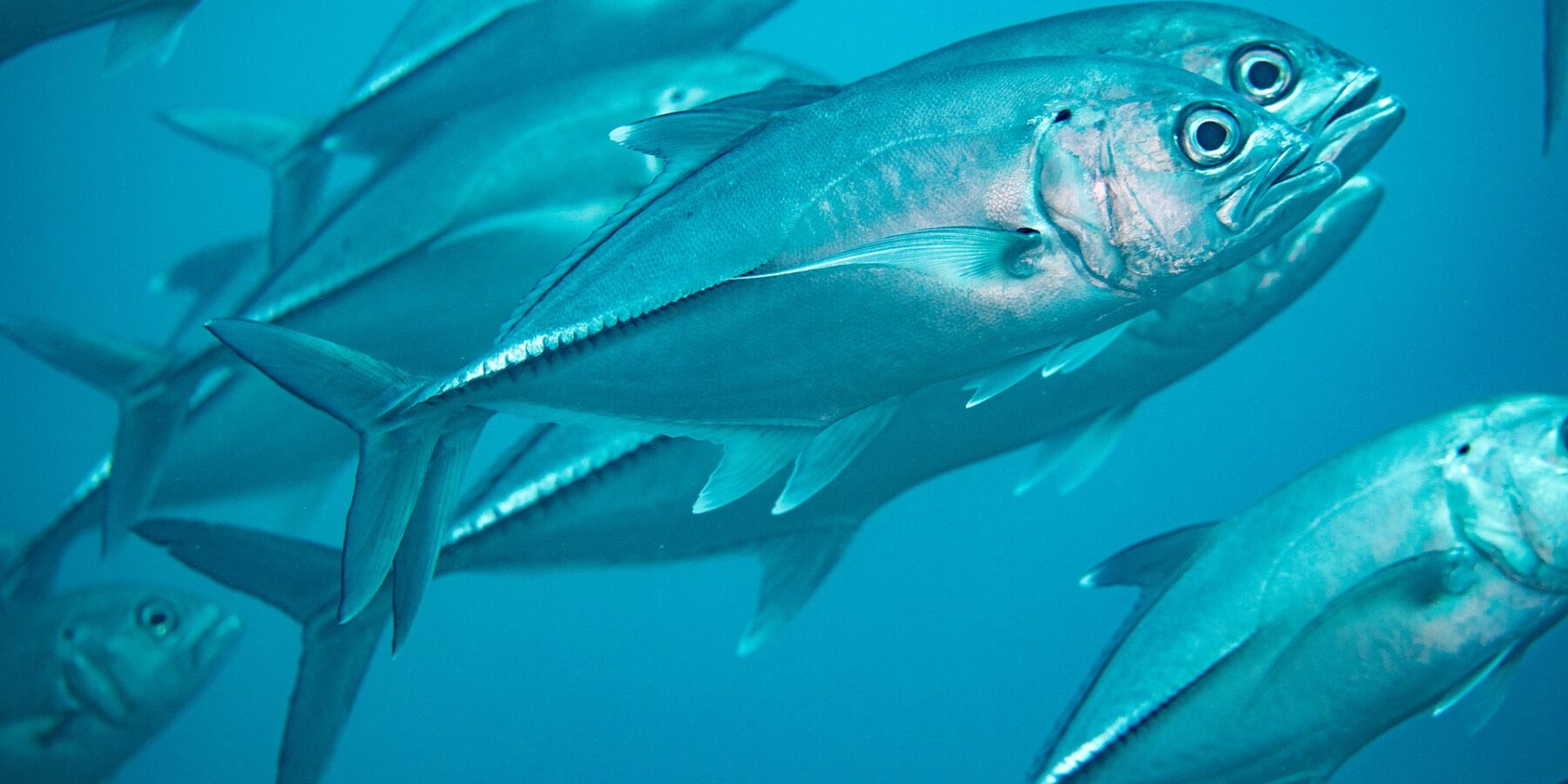
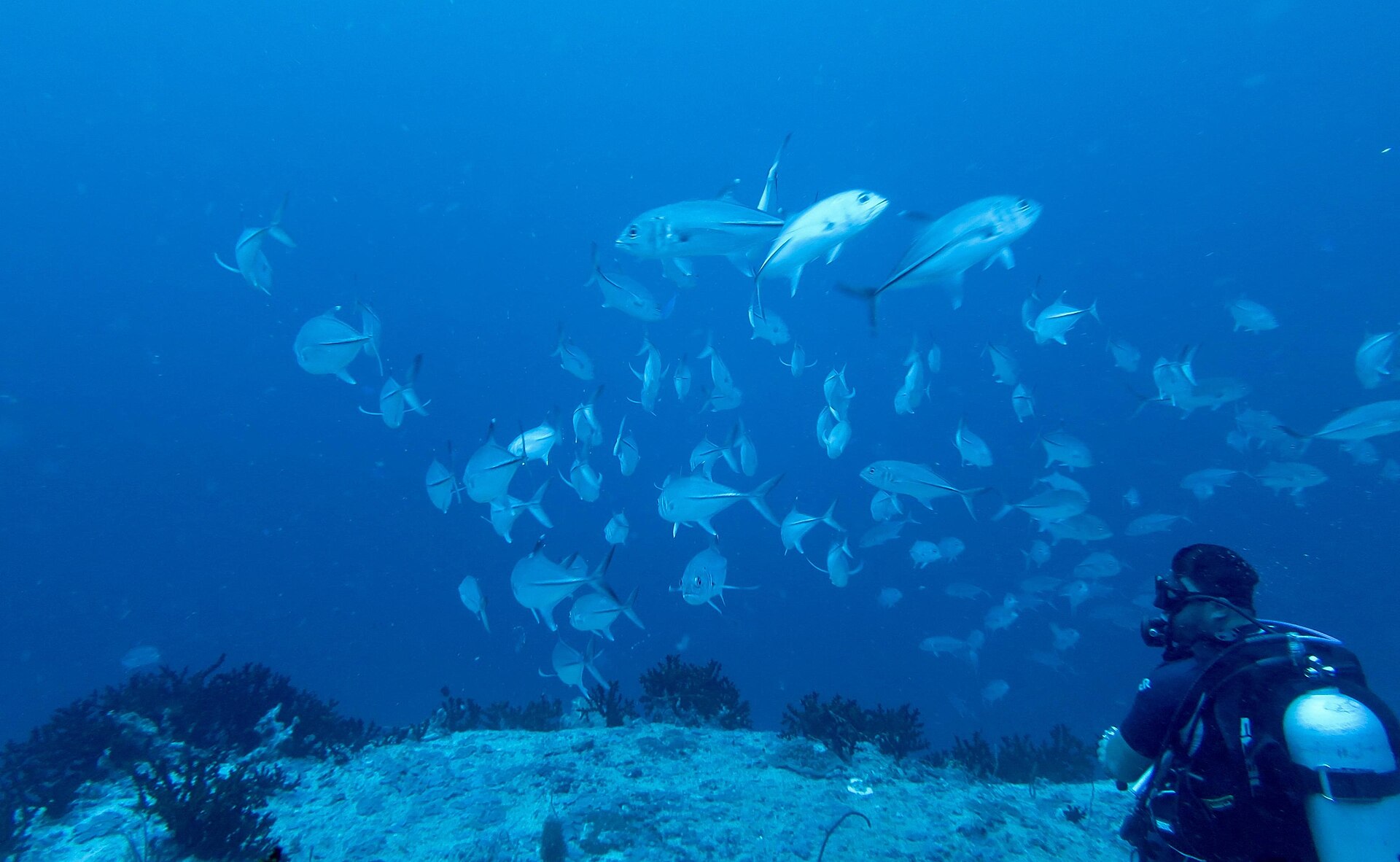
The bigeye trevally is a silvery jack with a very large eye that spends the day in tight schools whose tornadoes wrap around divers. You can see it year-round in the Maldives and at Cabo Pulmo, from April to November at Castle Rock, from October to April in Raja Ampat and from October to May at Richelieu Rock.
Where to dive to see the bigeye trevally?
 EgyptReef
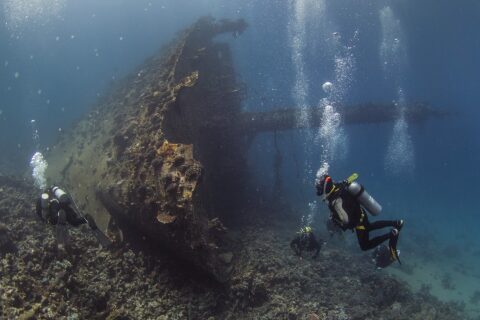
Abu Nuhas wrecks
Central Red Sea, EgyptCan be seen all year round: hunting above the wrecks, in the current
 PhilippinesReef
Apo Island
Visayas: Cebu, Bohol and NegrosPeak season all year round: schooling in the current at Coconut Point and Mamsa Point
 Costa RicaPelagic
Bajo Alcyone
Cocos IslandCan be seen all year round: hunting in the current, off the seamount
 PhilippinesReef
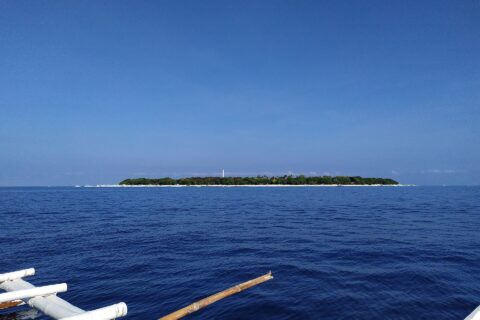
Balicasag Island
Visayas: Cebu, Bohol and NegrosPeak season all year round: schooling at Black Forest and Diver's Heaven, bluefin trevally on the wall
 Costa RicaPelagic
Bat Islands (Islas Murciélago)
Guanacaste and the North PacificPeak season all year round: very dense around Bajo Negro
 EgyptPelagic
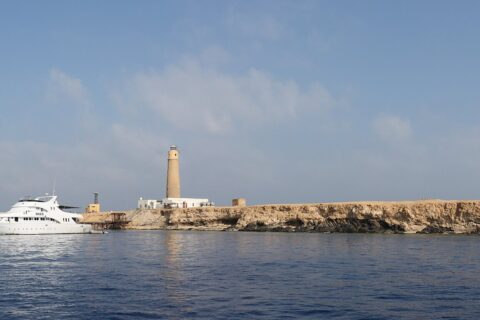
Brothers Islands
Southern Red Sea, EgyptCan be seen all year round: hunting off the plateaus
 MexicoReef
Cabo Pulmo
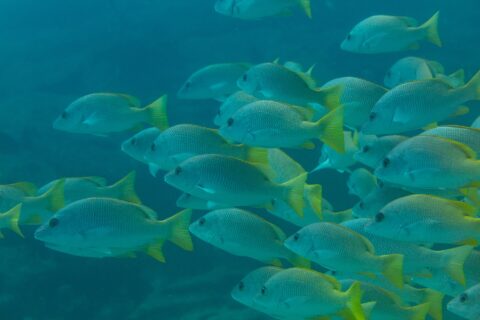
Sea of Cortez: La Paz and Cabo PulmoPeak season all year round: tornadoes of several thousand fish, the park's signature
 IndonesiaReef
Cape Kri
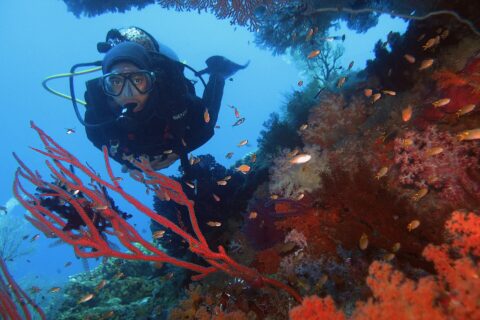
Raja AmpatPeak season from October to April: tornadoes of bigeye trevally and tuna hunting at peak current
 IndonesiaPelagic
Castle Rock
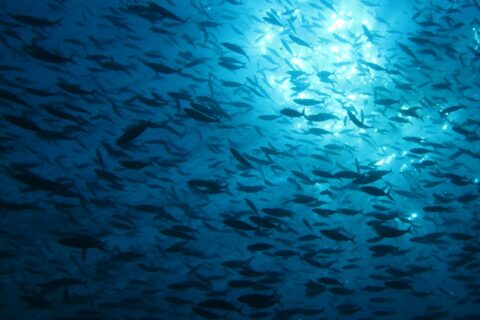
KomodoPeak season from April to November: tornadoes of bigeye trevally that block out the light, giant trevally hunting through the fusiliers
 PhilippinesWreck
Coron wrecks
PalawanPeak season all year round: circling the Irako's mast
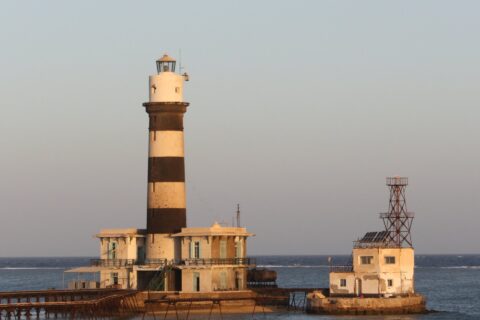 EgyptPelagic
Daedalus Reef
Southern Red Sea, EgyptPeak season from September to November: hunting in the blue, off the points
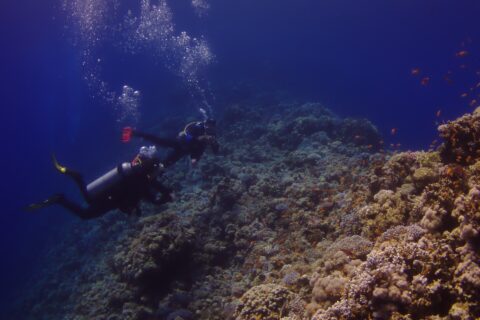 EgyptShore dive
Dahab Blue Hole
Northern Red Sea, EgyptCan be seen all year round: hunting in the blue, off the wall
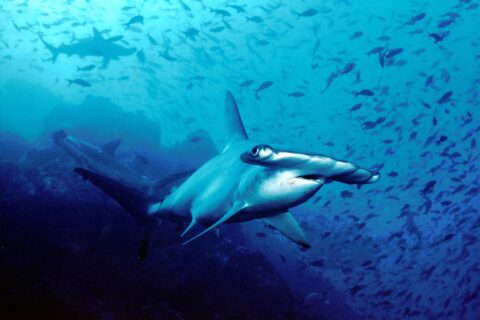 Costa RicaPelagic
Dirty Rock
Cocos IslandPeak season all year round: a resident school on the neighboring pinnacle, with its summit at 18 meters
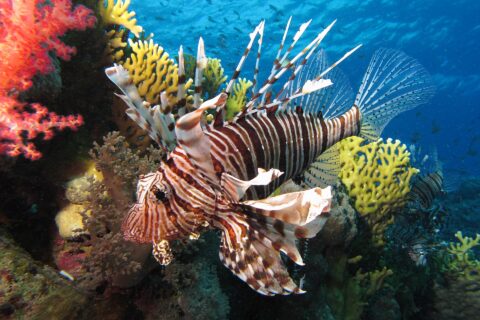 EgyptWreck
Dunraven wreck
Northern Red Sea, EgyptCan be seen all year round: hunting around the wreck
 EgyptPelagic
Elphinstone Reef
Southern Red Sea, EgyptPeak season from September to November: hunting off the points
 TanzaniaPass
Fundu Gap
PembaPeak season all year round: in dense schools in the current, at the corner of the channel
 EgyptReef
Giftun Islands
Central Red Sea, EgyptCan be seen all year round: hunting off the wall
 ThailandPelagic
Hin Daeng and Hin Muang
Andaman Sea: Similan, Surin and LantaPeak season from November to May: hunting along the walls
 Costa RicaReef
Islas Catalinas
Guanacaste and the North PacificPeak season all year round: around the pinnacles and the wall
 MaldivesPelagic
Kandooma Thila
Malé atollsPeak season all year round: hunting anthias and glassfish against the reef
 TanzaniaPass
Kinasi Pass
Mafia IslandPeak season all year round: in schools that block out the light, in the pass
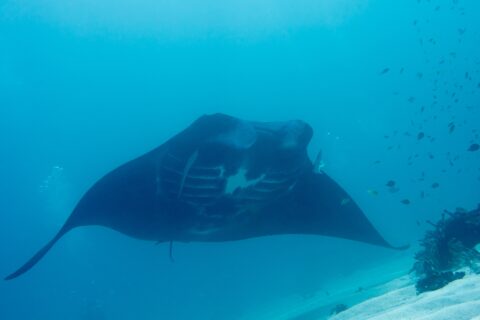 ThailandPelagic
Koh Tachai Pinnacle
Andaman Sea: Similan, Surin and LantaPeak season from October to May: by the hundreds above the reef, hunting in the current
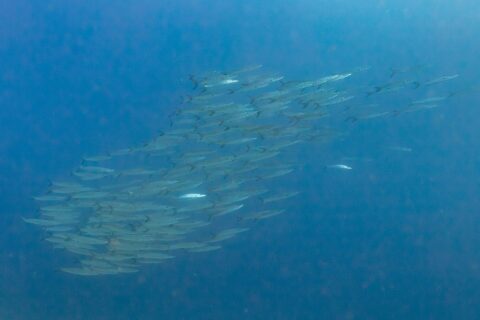 TanzaniaPelagic
Leven Bank
ZanzibarCan be seen all year round: hunting in the blue, at the edge of the drop-off
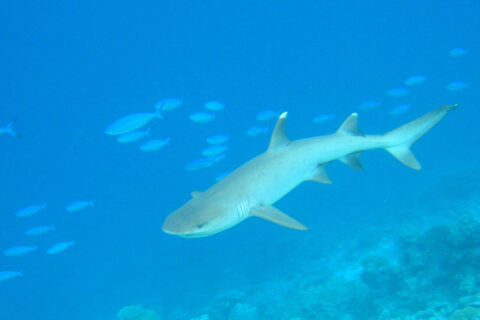 MaldivesReef
Maaya Thila
Ari and Rasdhoo atollsPeak season all year round: schooling above the top
 Costa RicaPelagic
Manuelita
Cocos IslandPeak season all year round: resident school on the outer slope
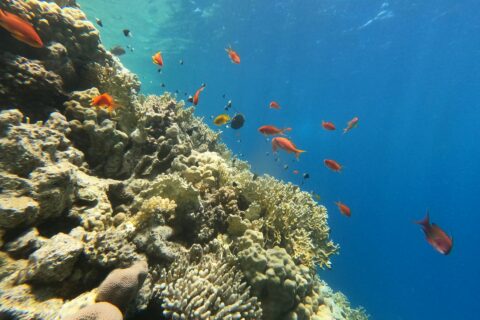 EgyptReef
Panorama Reef
Central Red Sea, EgyptPeak season from September to November: in the blue, off the plateaus
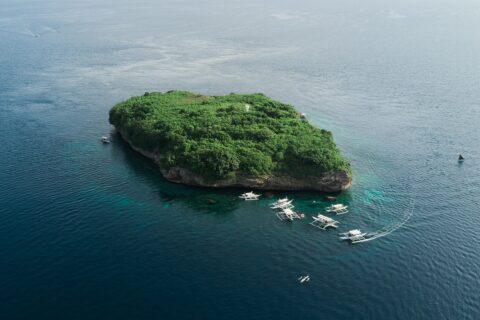 PhilippinesReef
Pescador Island
Visayas: Cebu, Bohol and NegrosCan be seen all year round: passing in the blue, off the points
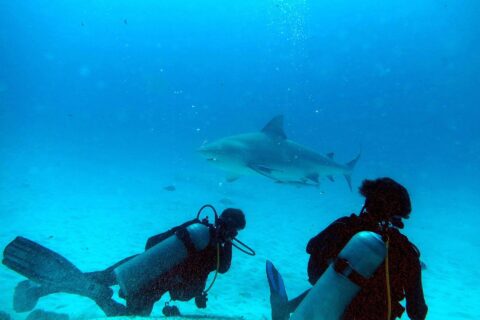 MexicoPelagic
Playa del Carmen bull sharks
Yucatán and the Caribbean: Cozumel, cenotes, Playa del CarmenPeak season from November to March: around the bait box and sticking close to the sharks
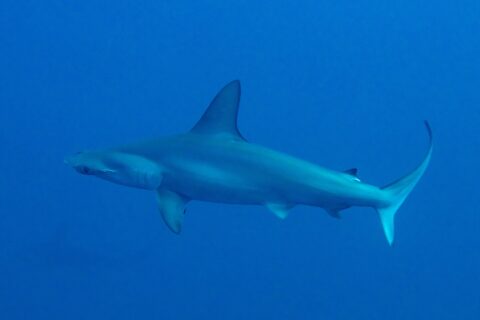 MaldivesPelagic
Rasdhoo Madivaru
Ari and Rasdhoo atollsPeak season all year round: in the blue, above the wall
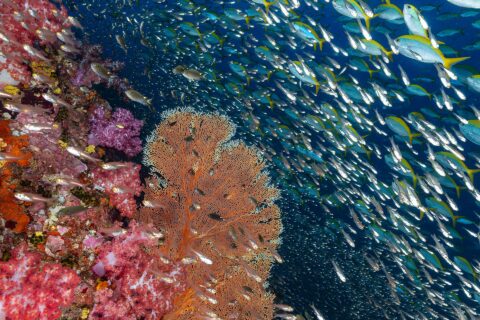 ThailandPelagic
Richelieu Rock
Andaman Sea: Similan, Surin and LantaPeak season from October to May: in walls above the pinnacle, the show on every dive
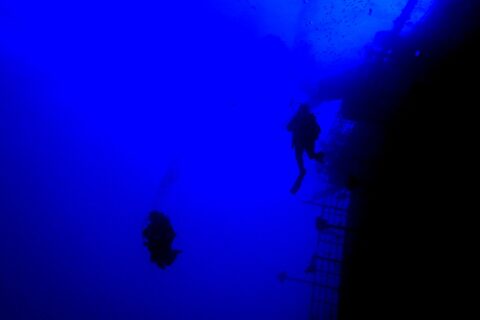 EgyptWreck
Salem Express wreck
Central Red Sea, EgyptCan be seen all year round: hunting along the starboard side, toward the surface
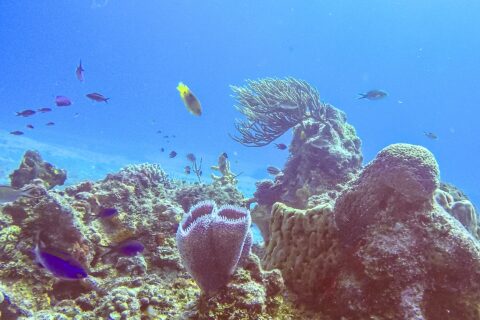 MexicoWall
Santa Rosa Wall
Yucatán and the Caribbean: Cozumel, cenotes, Playa del CarmenCan be seen all year round: schooling off the wall
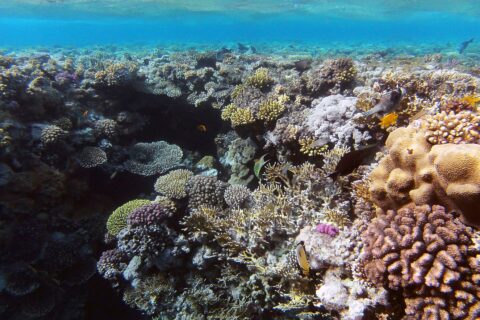 EgyptReef
Shark and Yolanda Reef, Ras Mohammed
Northern Red Sea, EgyptPeak season from May to October: giant trevallies and bluefin trevallies hunting in the blue
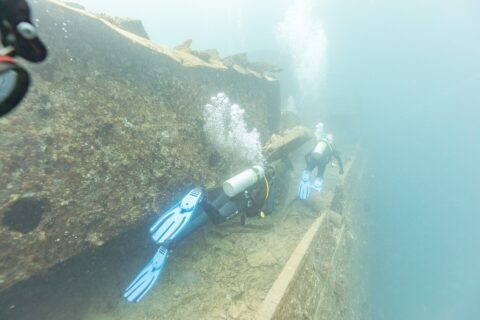 EgyptWreck
SS Thistlegorm
Northern Red Sea, EgyptPeak season from September to November: in the blue off the stern, mostly from September to November
 EgyptCave or cenote
St. John's and Fury Shoals
Southern Red Sea, EgyptCan be seen all year round: hunting off the habilis
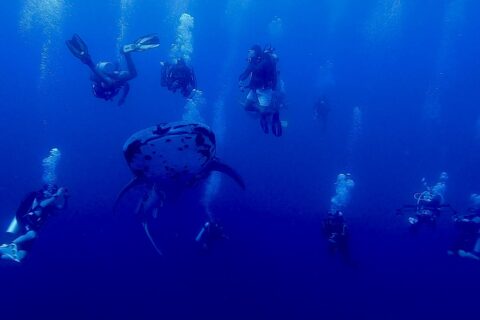 PhilippinesPelagic
Tubbataha Reef
PalawanPeak season from April to May: on the south side of North Atoll, in the blue off the wall
 IndonesiaShore dive
USAT Liberty wreck
Bali and Nusa PenidaPeak season all year round: a resident ball of trevally above the structure
How do you identify a bigeye trevally?
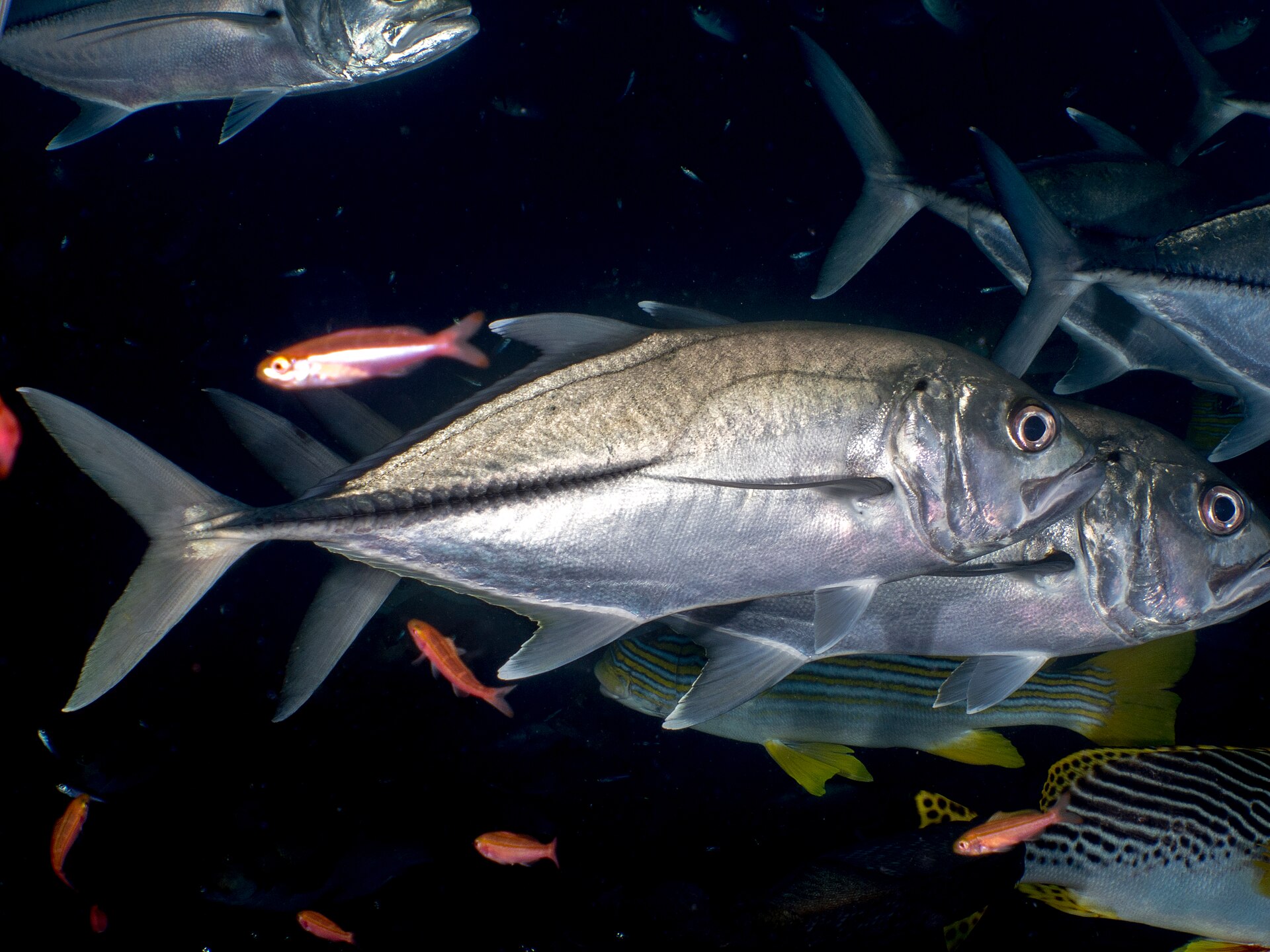
The bigeye trevally, also called the bigeye jack, is a streamlined jack that averages 60 centimeters and reaches 1.20 meters and 18 kilos. Its very large eye, protected by a well-developed adipose eyelid, gave it its name. Adults are silvery olive to blue-green on the back and silvery white below; at the top of the gill cover they carry a small dark spot, much smaller than the pupil, which the giant trevally lacks, and the dark second dorsal fin ends in a white tip. A row of 27 to 36 strong dark scutes armors the rear flank. Juveniles, silvery yellow to silvery brown, carry five or six dark vertical bands: this is the origin of its Latin name, sexfasciatus, which means six-banded.
Bigeye trevally in pictures
How do bigeye trevally live?
The bigeye trevally lives in the tropical and subtropical waters of the Indo-Pacific, from the Red Sea and East Africa to Hawaii, from southern Japan to Australia and New Caledonia, and in the eastern Pacific, from southern Baja California and the Gulf of California to Ecuador and the Galápagos. It frequents reefs from the surface to 146 meters. By day it gathers in large schools, hovering or circling slowly around the reefs; at night it disperses and hunts alone, mostly small fish, but also crustaceans and cephalopods. To spawn, pairs leave the school, and the lower fish turns black. Juveniles grow up in estuaries and sometimes travel far up rivers.
Where and when can you see bigeye trevally?
The bigeye trevally appears on ten of our dive sites, almost always in schools. In Indonesia, its tornadoes block out the light at Castle Rock, in Komodo National Park, especially from April to November, and its schools pass over Batu Bolong; in Raja Ampat, it spins in tornadoes at Blue Magic and Cape Kri, at peak current, especially from October to April. In the Maldives, it is there year-round: schooling above the top of Maaya Thila, and hunting anthias and glassfish against the reef at Kandooma Thila. In Thailand, from October to May, it forms walls above the pinnacle of Richelieu Rock, the show of every dive. In the eastern Pacific, it built the reputation of Cabo Pulmo, in Mexico, with tornadoes of several thousand fish year-round, and Cocos Island, in Costa Rica, has resident schools, on the outer slope of Manuelita and on the nearby pinnacle of Dirty Rock, whose top sits at 18 meters.
Is the bigeye trevally endangered?
The bigeye trevally is listed as Least Concern on the IUCN Red List. It is fished throughout its range, with gillnets, seines and lines, and its flesh has caused ciguatera poisoning. In Cabo Pulmo National Park, on the Gulf of California, its tornadoes of several thousand fish, which wrap around divers on the ridges, have become the park's trademark.
Our tip
To experience a tornado, stay still above the top of the reef or against the slope, and let the school come to you. Don't fin toward it: the school circles and wraps around a diver who stays still, as on the ridges of Cabo Pulmo. Keep an eye on your computer, because it's easy to forget your depth in the middle of the jacks.