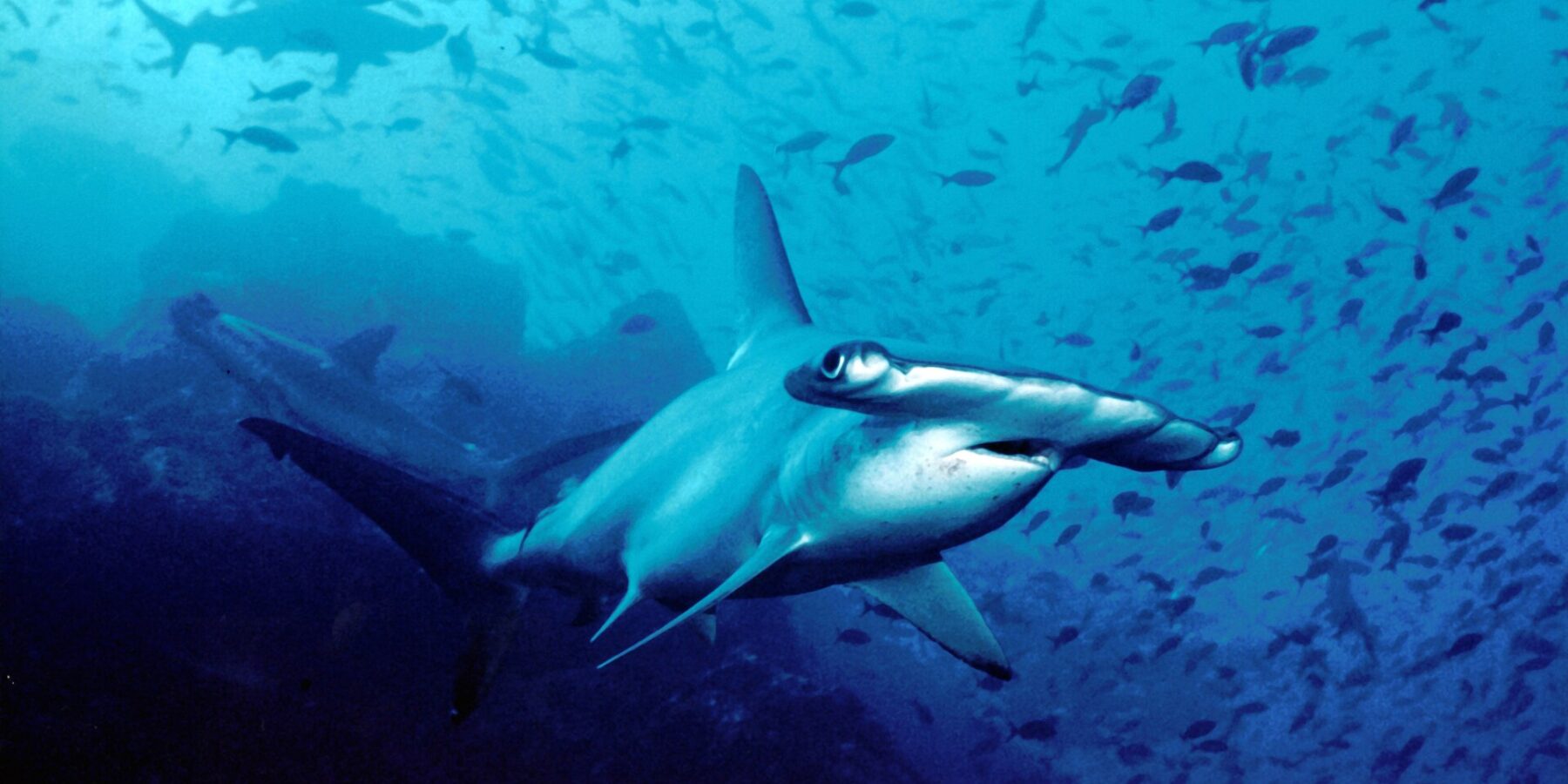
Dirty Rock is a guano-whitened pinnacle off the north of Cocos Island, with walls that drop to 40 meters. Scalloped hammerheads rise to its cleaning stations, in denser schools from June to November. Liveaboards reach it from Chatham Bay.
Why dive Dirty Rock?
- Schools of scalloped hammerheads at the cleaning stations on the walls, at their peak from June to November
- Silky and Galapagos sharks at the same stations, eagle rays and marbled rays on the sand
- A second pinnacle nearby, with its summit at 18 meters, its resident school of bigeye trevally, spiny lobsters and turtles
- Bottlenose dolphins hunting the schools of baitfish around the rock
- A few minutes by tender from the Chatham Bay anchorage
Dirty Rock in pictures
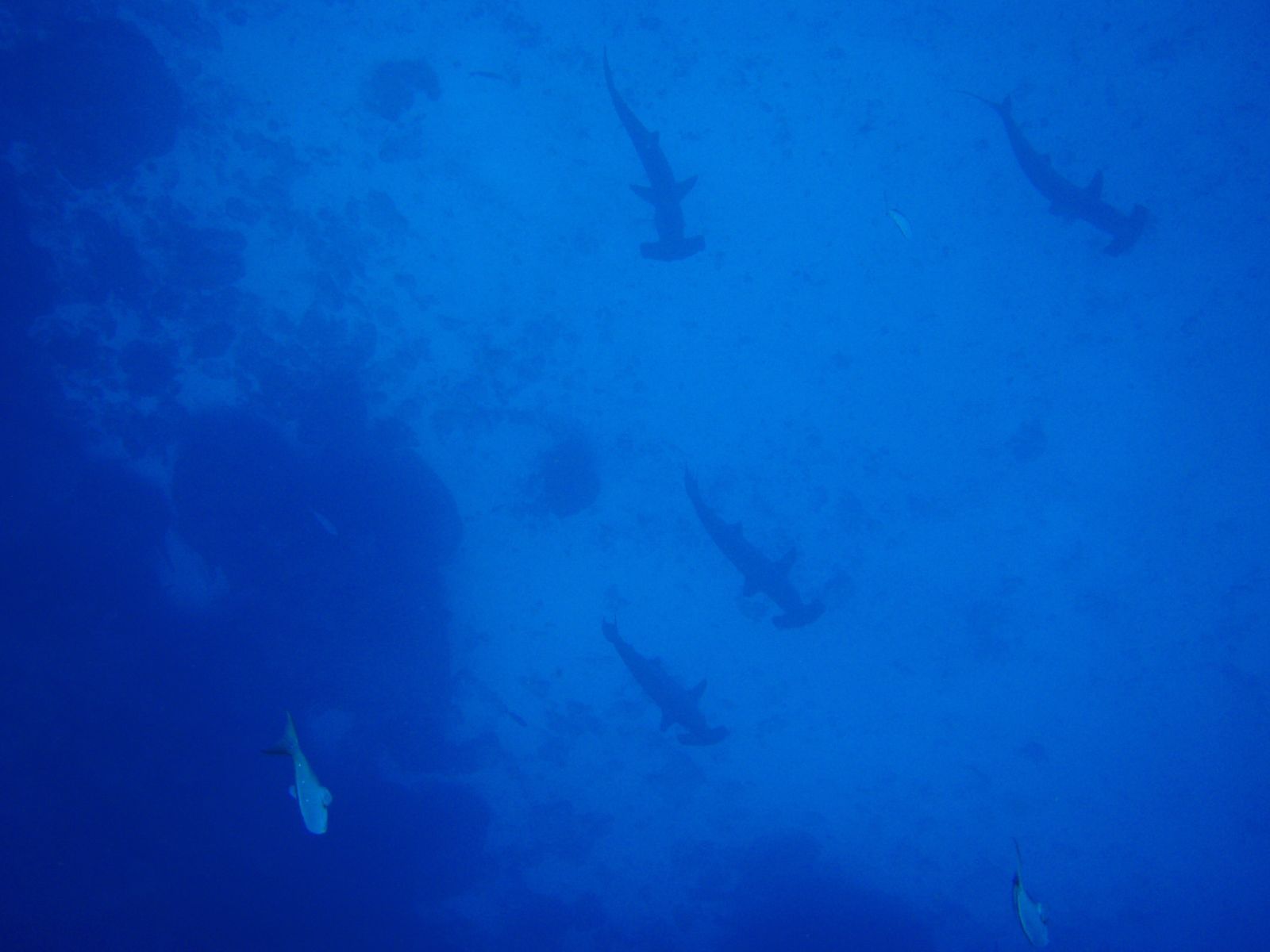
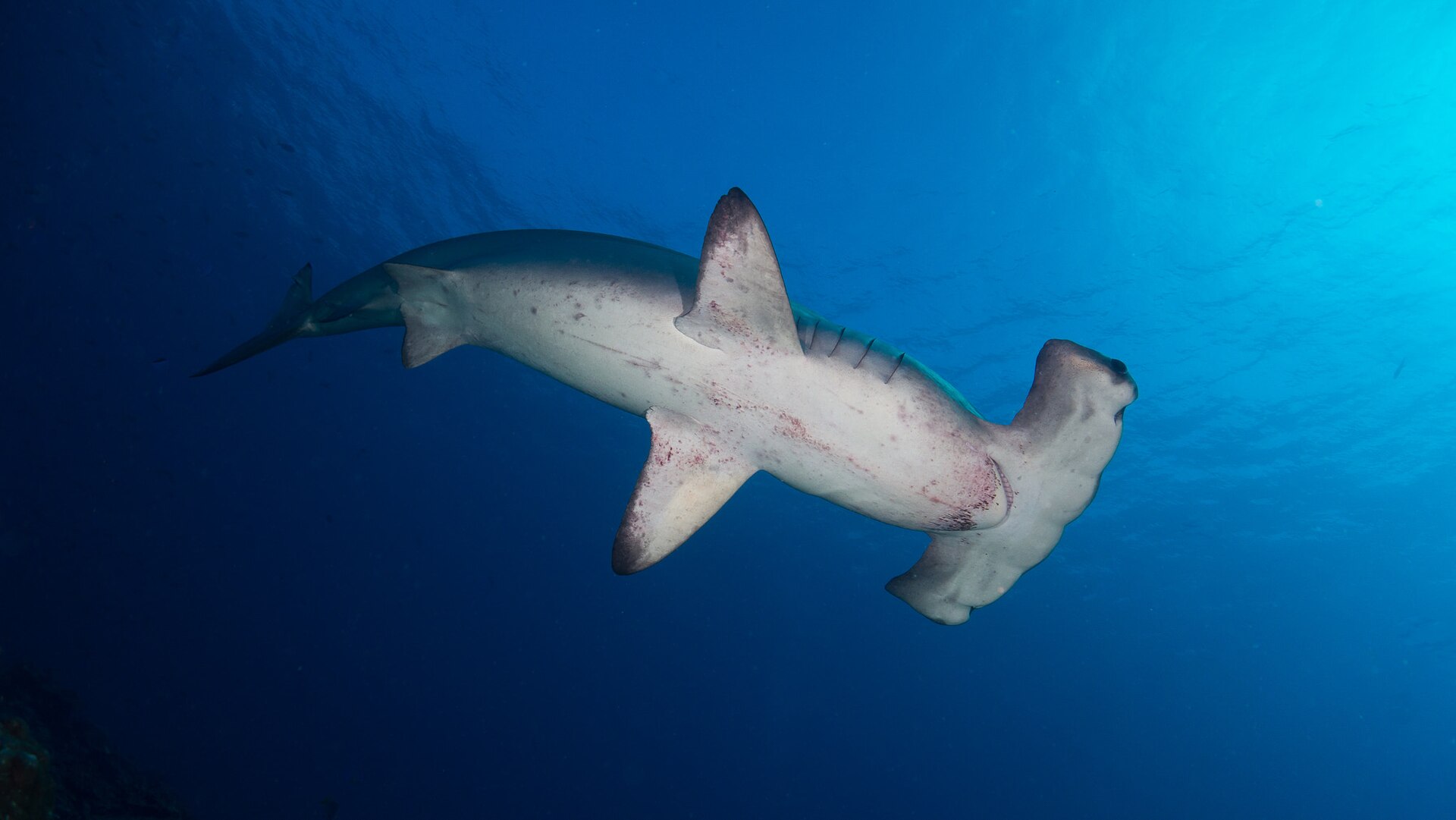
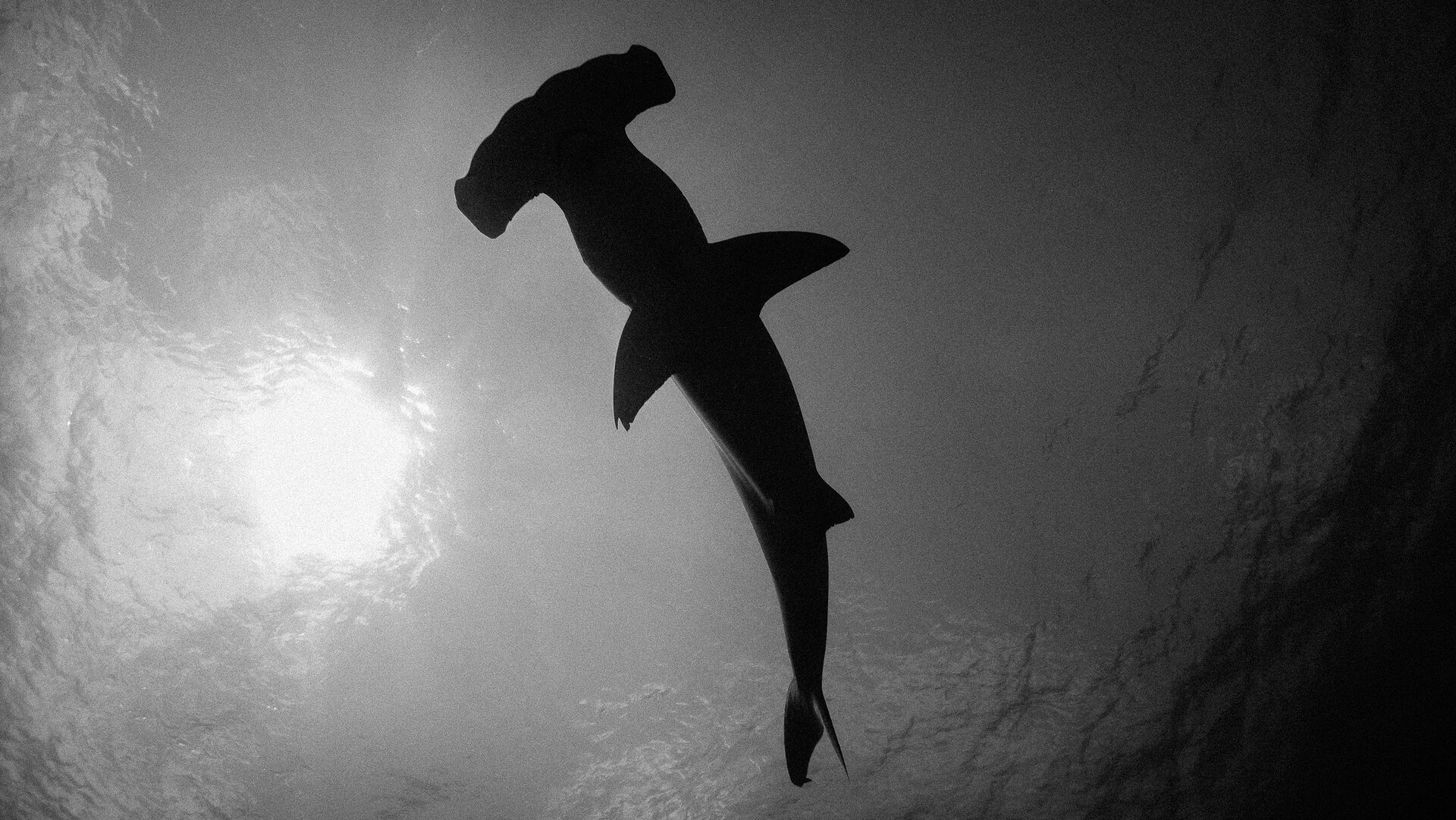
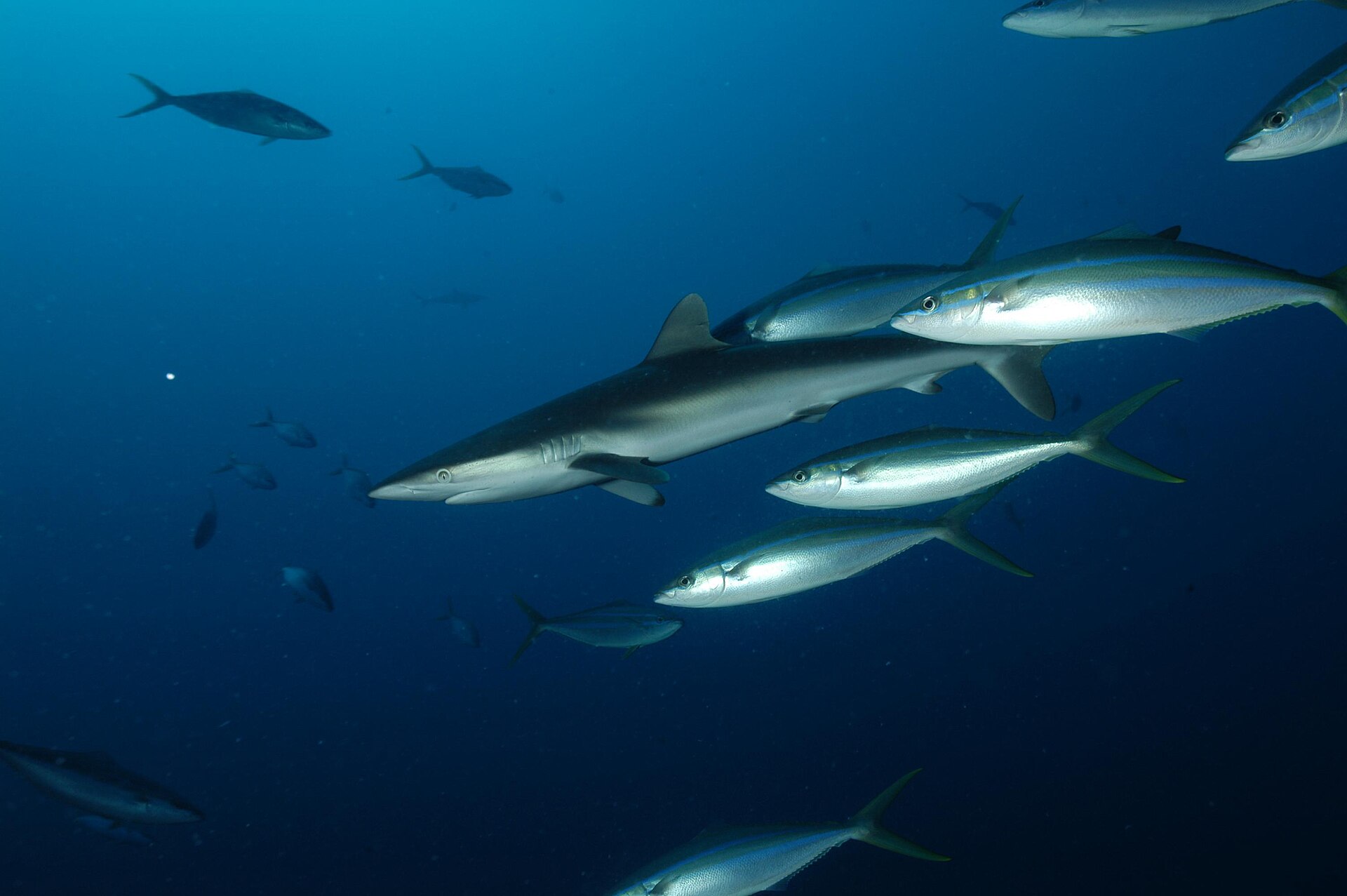
What will you see at Dirty Rock?
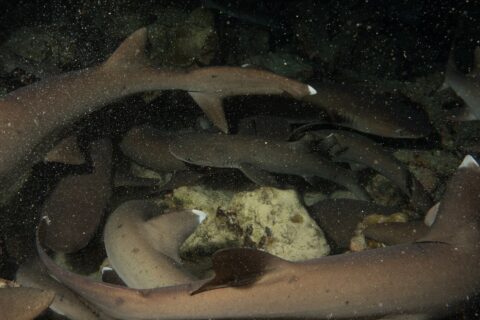
Dirty Rock is, with Bajo Alcyone, the scalloped hammerhead site of Cocos Island. They rise from the blue to the cleaning stations on the walls, where barberfish and angelfish pick off their parasites, then leave in schools above the divers. They are there year-round, in tighter and larger groups from June to November. Silky sharks pass the same stations, along with a big Galapagos shark now and then, and whitetip reef sharks rest between the boulders. Around the pinnacle swirl yellowfin tuna, trevally and schools of baitfish that draw hunting bottlenose dolphins. You find marbled rays and eagle rays on the sand. The neighboring pinnacle, with its summit at 18 meters, holds a resident school of bigeye trevally, spiny lobsters and turtles. The whale shark remains an occasional visitor, mostly from June to November, and schools of mobulas pass offshore.
| Species | J | F | M | A | M | J | J | A | S | O | N | D | Note |
|---|---|---|---|---|---|---|---|---|---|---|---|---|---|
 Scalloped hammerhead | possible | possible | possible | possible | possible | peak season | peak season | peak season | peak season | peak season | peak season | possible | schooling at the cleaning stations on the walls, year-round, at their peak from June to November |
 Silky shark | possible | possible | possible | possible | possible | possible | possible | possible | possible | possible | possible | possible | at the cleaning stations and in the blue, year-round |
 Whale shark | rare | rare | rare | rare | rare | possible | possible | possible | possible | possible | possible | rare | an occasional visitor, mostly from June to November |
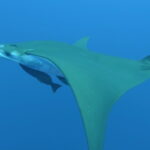 Sicklefin devil ray | possible | possible | possible | possible | possible | possible | possible | possible | possible | possible | possible | possible | schooling off the pinnacle |
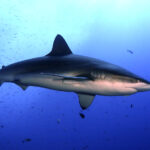 Galapagos shark | possible | possible | possible | possible | possible | possible | possible | possible | possible | possible | possible | possible | a big one now and then at the cleaning stations |
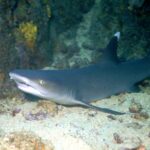 Whitetip reef shark | peak season | peak season | peak season | peak season | peak season | peak season | peak season | peak season | peak season | peak season | peak season | peak season | resting between the boulders at the foot of the walls |
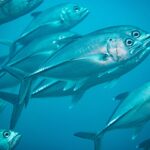 Bigeye trevally | peak season | peak season | peak season | peak season | peak season | peak season | peak season | peak season | peak season | peak season | peak season | peak season | a resident school on the neighboring pinnacle, with its summit at 18 meters |
| Yellowfin tuna | possible | possible | possible | possible | possible | possible | possible | possible | possible | possible | possible | possible | hunting in the current around the rock |
| Marbled rays and eagle rays | peak season | peak season | peak season | peak season | peak season | peak season | peak season | peak season | peak season | peak season | peak season | peak season | on the sand at the foot of the pinnacle |
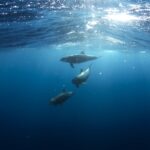 Bottlenose dolphin | possible | possible | possible | possible | possible | possible | possible | possible | possible | possible | possible | possible | hunting the schools of baitfish, sometimes during the dive |
peak seasonpossiblerare
What is diving like at Dirty Rock?
The rock rises 4 to 5 meters above the surface and its walls drop steeply to 40 meters; the dive takes place between 20 and 30 meters, at the level of the cleaning stations. The current is strong, especially in the open channel that separates Dirty Rock from the neighboring pinnacle: you descend fast, tuck in against the wall on the sheltered side and stay close to it. Thermoclines are sharp, with drops to 19 °C under a surface at 27 or 29. Visibility ranges from 15 to 30 meters. You ascend in open water under an SMB, and the tender picks up the groups in the current, so a surface marker buoy is mandatory. Guides keep the site for divers already warmed up by the first dives of the trip, and both operators require Advanced Open Water with experience in deep and drift diving.
When to dive Dirty Rock?
idealgoodnot recommended
You can dive the site year-round, as both boats sail without a break. From January to May, the dry season, the sea is calmer, the crossing gentler, visibility often over 25 meters, and hammerheads are around in smaller groups. From June to November, the rainy season, cold water rising from the depths brings plankton, the hammerhead schools grow, and this is the period regulars choose; the sea is rougher, the current stronger, and visibility sometimes drops to 15 meters. At the surface, the water ranges from 27 °C in November to 29.5 °C in March and April; below the thermocline, it drops to 19 °C on some days, hence the 5 to 7 millimeter wetsuit. Average visibility is 25 meters, varying with the plankton.
How to get to Dirty Rock?
Dirty Rock can only be dived on a liveaboard. The two regular boats, Undersea Hunter's Sea Hunter and the Okeanos Aggressor II, leave from Puntarenas after a transfer from San José, for 36 hours at sea, seven days of diving at three dives a day and 36 hours back. They anchor in Chatham Bay, a few minutes by tender from the rock. In 2026, the Okeanos Aggressor II sells its ten nights from US$6,399, about €5,720, with park fees and fuel extra. The Sea Hunter lists US$7,250, Nitrox, 12-liter tanks and weights included, plus US$554 in park fees payable in advance, a US$200 fuel surcharge and US$35 in search and rescue fees paid on board; the Argo, from the same owner, asks US$7,150 plus US$554 in park fees for ten nights in June 2026. The official national park fees are US$50 a day for a non-resident, plus US$20 per dive day. Plan a night in San José before boarding.
Stay in Puntarenas
Where to stay near Dirty Rock?
Hotels, apartments and rooms around Puntarenas, with current prices.
Why is it called Dirty Rock?
Dirty Rock, Roca Sucia to Costa Ricans, owes its name to the seabird guano that whitens its top: a pinnacle that rises 4 to 5 meters above the water, off the north coast of Cocos Island, with walls that drop to 40 meters. A short distance away, a second pinnacle stays below the surface, with its summit at 18 meters, and the channel between them concentrates the current. The island itself is the only land above water on the Cocos Plate, a volcanic structure whose oldest basalts are 1.9 to 2.4 million years old, lying 535 kilometers from the tip of Cabo Blanco. George Vancouver anchored here in 1795 in the bay that bears the name of his ship, the Chatham; it is still where liveaboards drop anchor, a few minutes from the rock.
How do you dive Dirty Rock?
You back-roll from the tender, drop quickly to 20 or 25 meters and settle against the wall, on the side sheltered from the current, facing the cleaning stations. The hammerheads arrive from a distance, in a line or in a school, rise to be cleaned by the barberfish and sink back into the blue; the silkies circle closer, and a Galapagos shark sometimes passes. The rule is the same as at Bajo Alcyone: stay still, breathe calmly, no finning toward the school. When your air runs low, you leave the wall, drift through the channel with the trevally and tuna, and surface in open water under an SMB, away from the rock; the tender follows the buoys. A second dive, later in the trip, is devoted to the neighboring pinnacle and its school of bigeye trevally, with the spiny lobsters and turtles in its cracks.
What are the Cocos Island National Park rules for divers?
Cocos Island National Park has existed since 1978 and has been a World Heritage Site since 1997, and its marine zone was extended in 2002; the island is also a Ramsar site. Rangers from the conservation area and the coast guard hunt down the illegal fishing there, which has never stopped and targets sharks above all. For divers, the rules are simple: you come with a licensed operator, boats only anchor in Chatham and Wafer bays, each site has a set carrying capacity, you only go ashore with the rangers' permission, and you take nothing. The park fees, US$50 a day and US$20 per dive day, fund the patrols.
Our tip
Drop quickly to 20 or 25 meters and tuck yourself against the wall, on the sheltered side. Do not head out into the blue toward the hammerheads: your bubbles would scare them off. Dive on Nitrox and bring a 5 to 7 mm wetsuit: the water drops to 19 °C at depth.
Other dive sites nearby
 Costa RicaPelagic
Manuelita
Cocos Island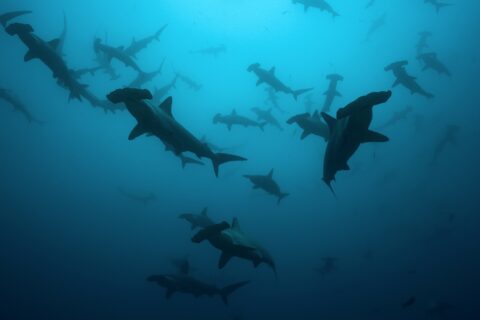 Costa RicaPelagic
Bajo Alcyone
Cocos Island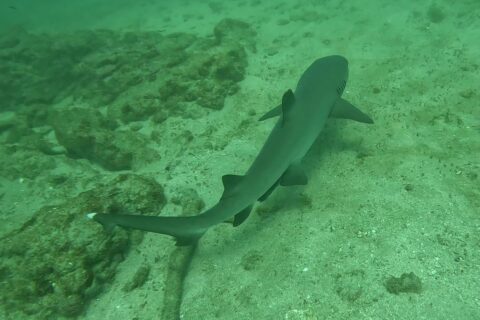 Costa RicaCave or cenote