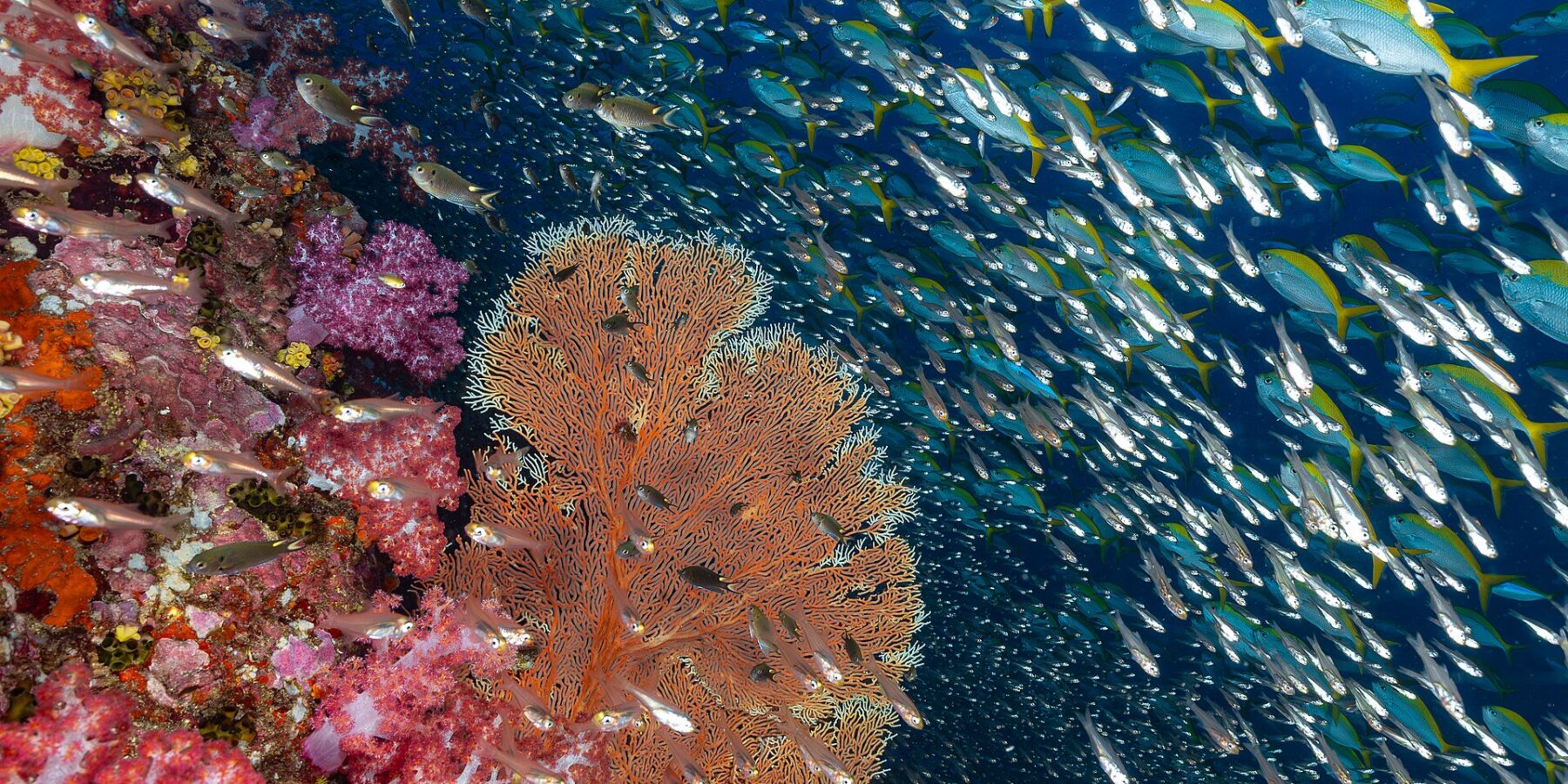
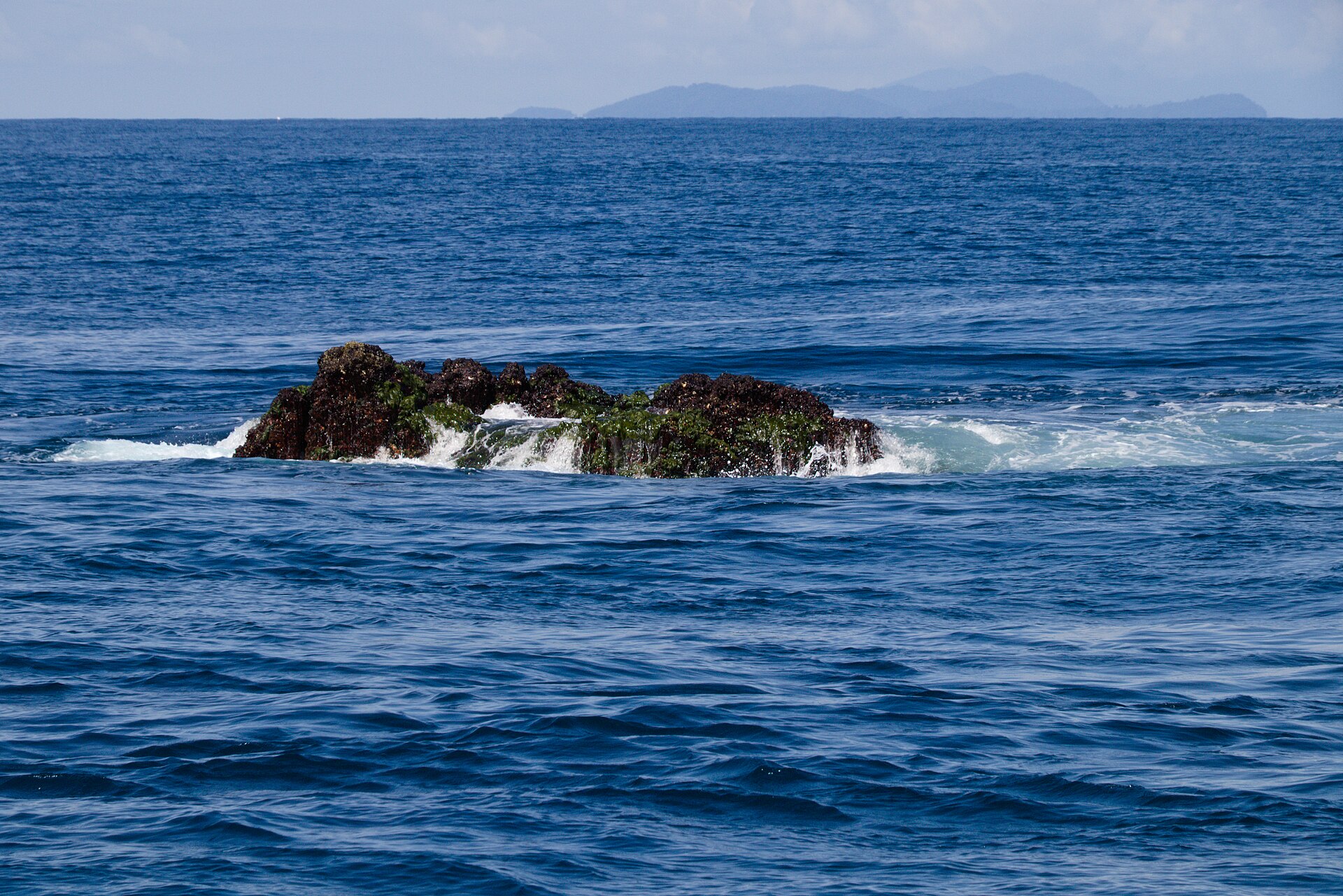
Richelieu Rock is a horseshoe-shaped pinnacle that rises from 35 meters to the surface, in Mu Ko Surin National Park. It is the richest site in Thailand, with whale sharks from February to April and seahorses and ghost pipefish hiding in the soft corals, and you dive it from Khao Lak on a liveaboard or a day trip.
Why dive Richelieu Rock?
- The richest site in Thailand, from whale sharks to harlequin shrimp
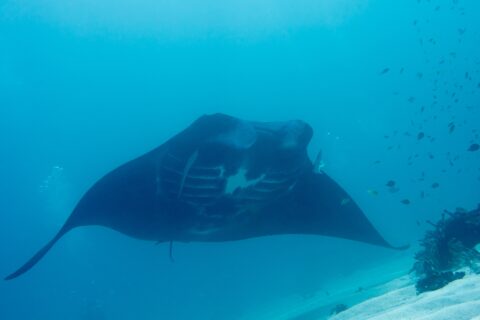
- Whale sharks and manta rays from February to April
- Walls of bigeye trevallies and schools of chevron barracudas around the top
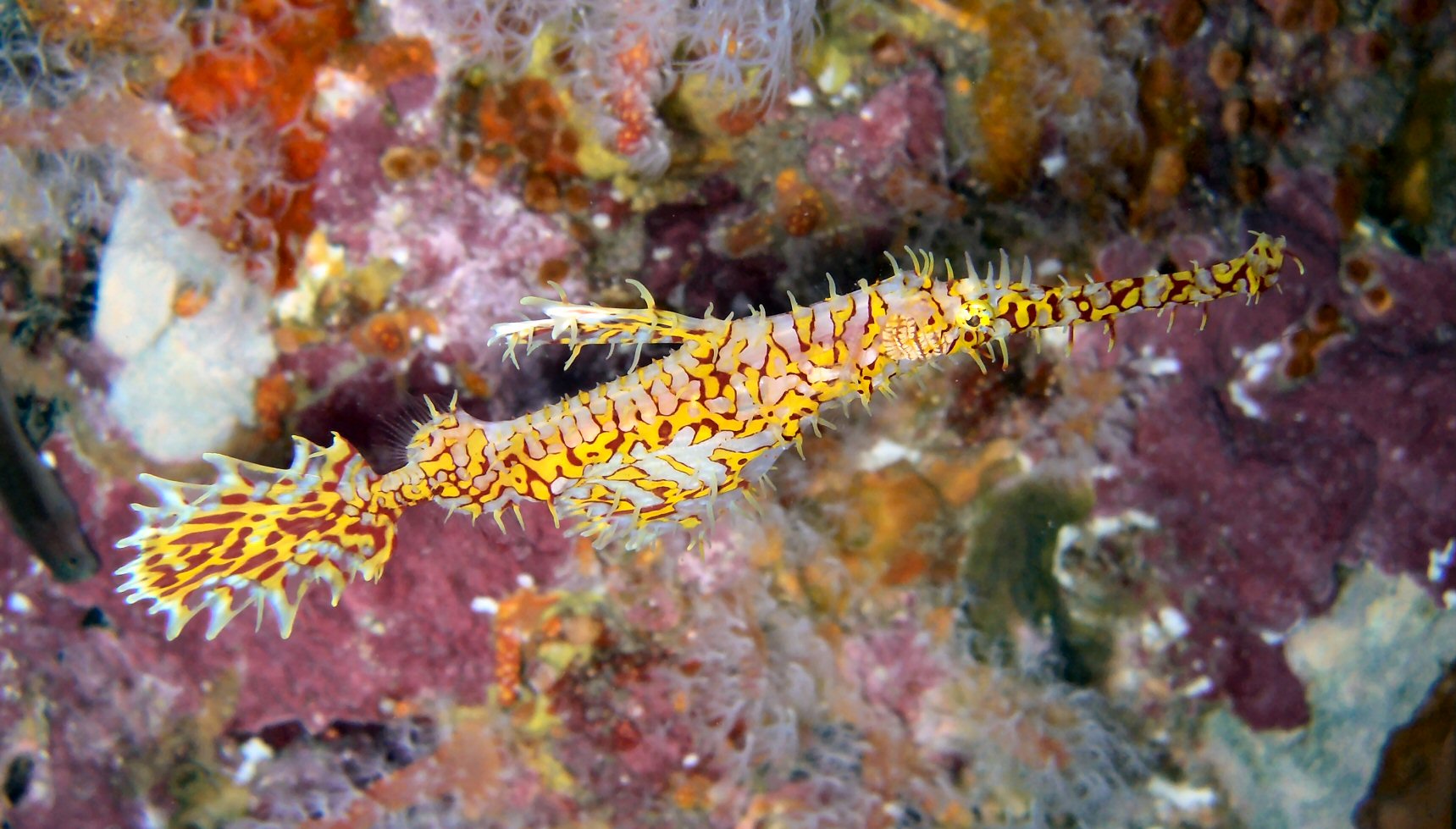
- Purple soft corals, tiger tail seahorses, ornate ghost pipefish and harlequin shrimp for macro
- A horseshoe from 5 to 35 meters where you always find a side sheltered from the current
Richelieu Rock in pictures
What will you see at Richelieu Rock?
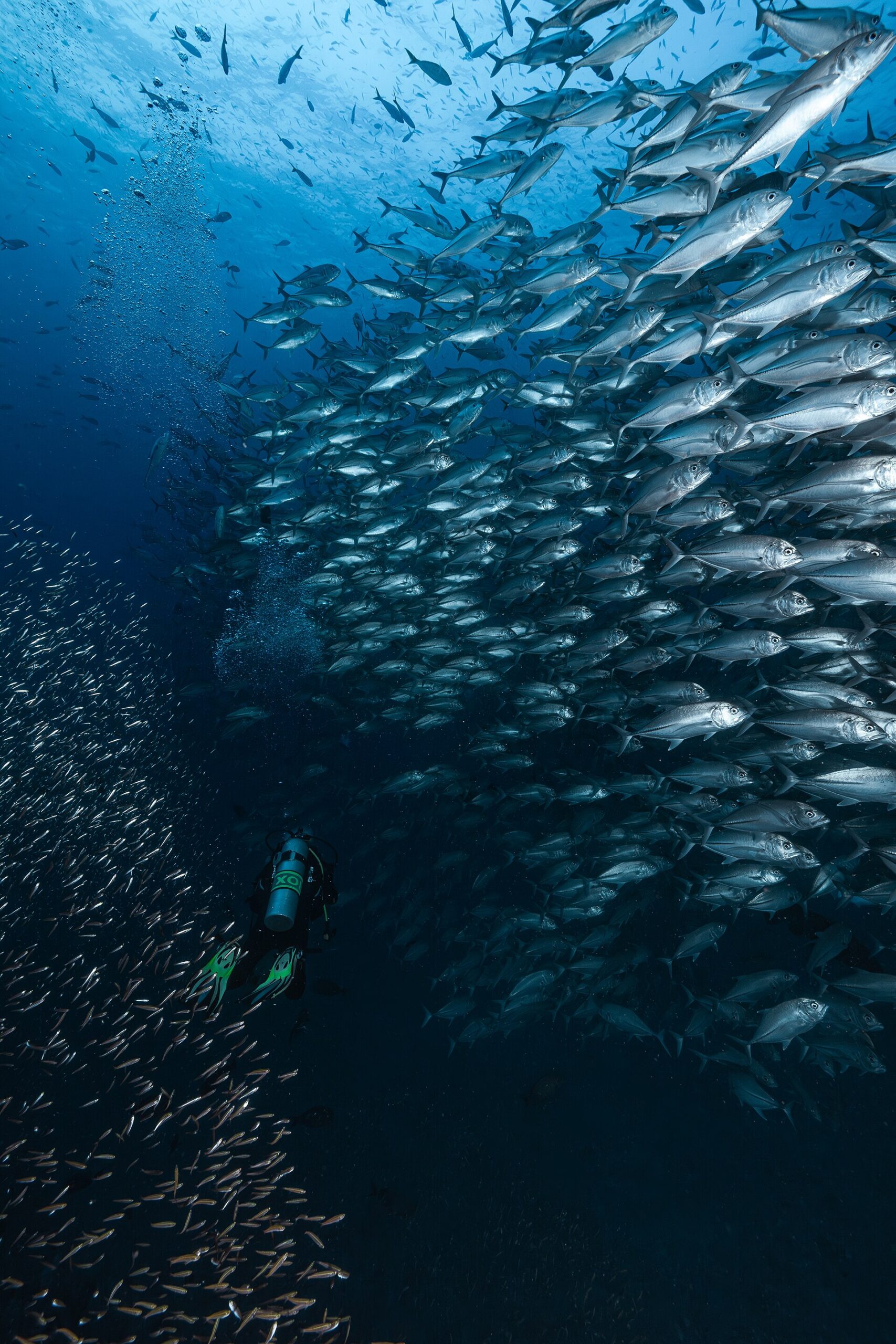
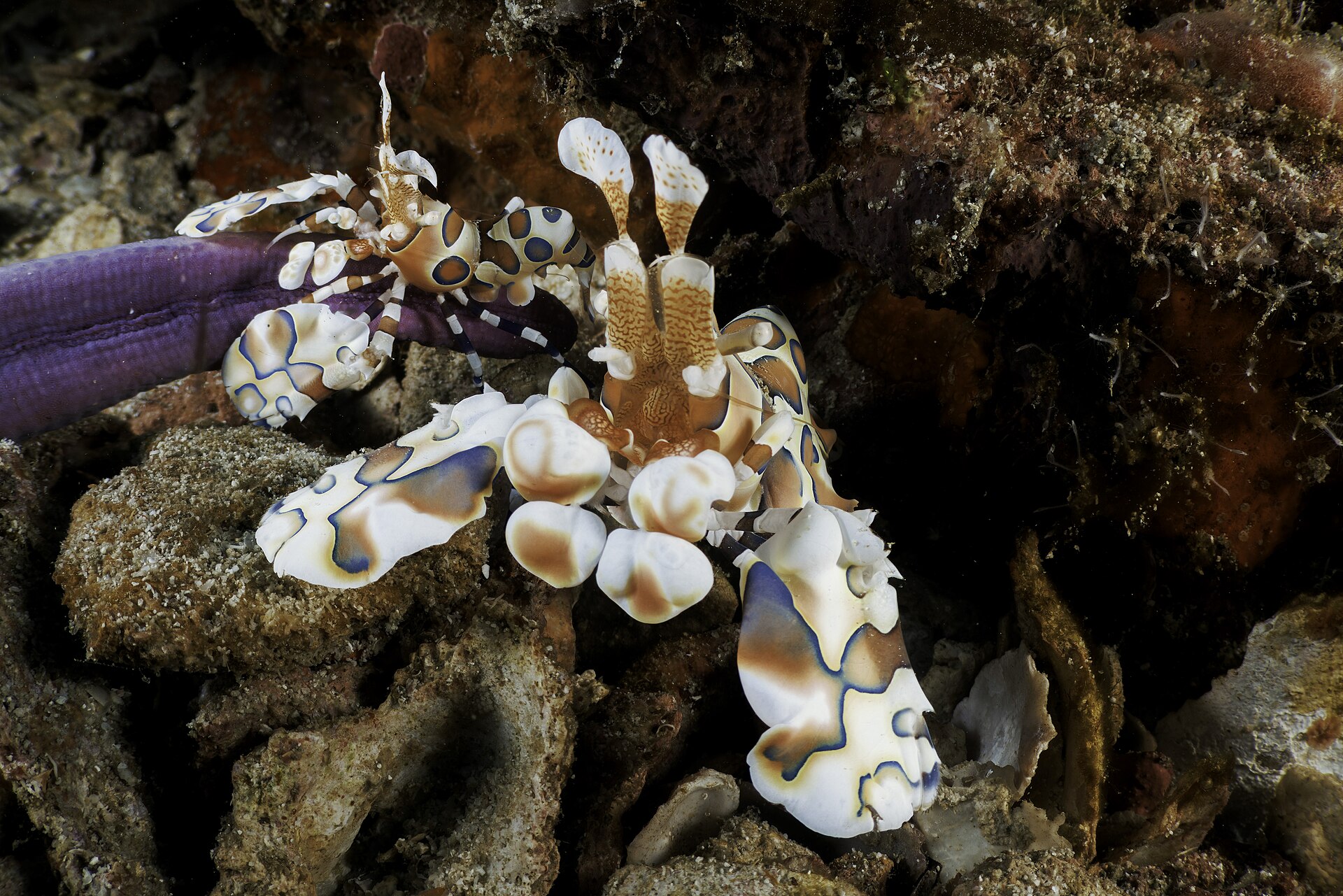
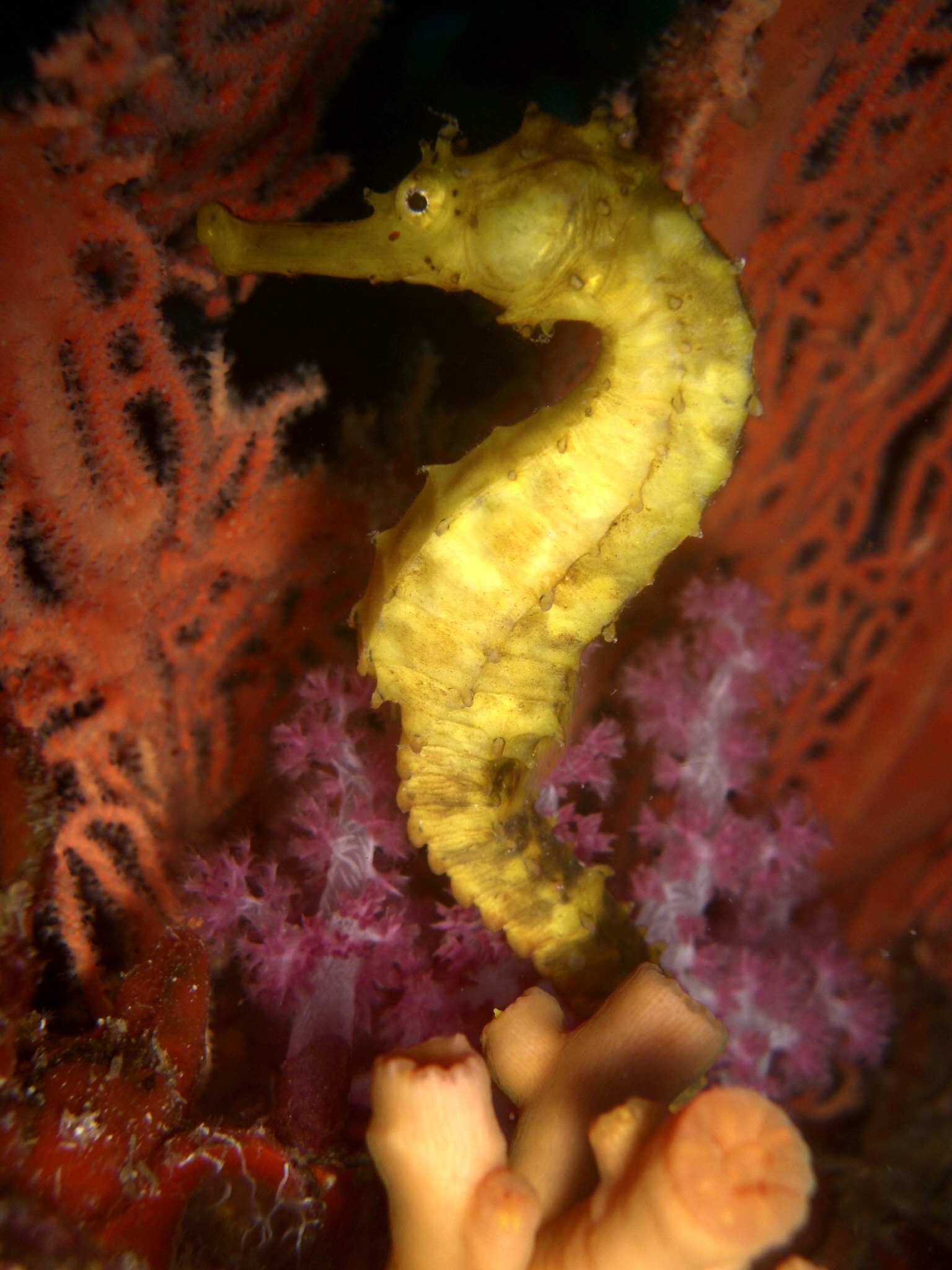
Richelieu Rock packs in everything the Andaman Sea has to show. In the blue above the top, walls of bigeye trevallies and schools of chevron barracudas circle, while dogtooth tuna and Malabar groupers hunt at the foot of the rocks. From February to April, whale sharks come to feed on the pinnacle, sometimes with manta rays. A zebra shark often rests on the sand, and guitarfish pass farther out. The site is just as good for macro: tiger tail seahorses in the sea fans, ornate ghost pipefish along the soft corals, harlequin shrimp in pairs under the overhangs, frogfish, cuttlefish and octopus. The walls are covered in purple and pink soft corals, with little hard coral, as the current is too strong for it. Lionfish are everywhere, and tomato clownfish, rare elsewhere in Thailand, live here in their anemones.
| Species | J | F | M | A | M | J | J | A | S | O | N | D | Note |
|---|---|---|---|---|---|---|---|---|---|---|---|---|---|
 Whale shark | possible | peak season | peak season | peak season | possible | rare | rare | rare | rare | rare | possible | possible | mostly from February to April, above the pinnacle or in the blue, when the plankton rises |
 Reef manta ray | possible | peak season | peak season | peak season | possible | rare | rare | rare | rare | rare | possible | possible | passing by, in the same season as the whale shark |
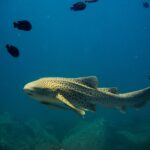 Zebra shark | possible | possible | possible | possible | possible | rare | rare | rare | rare | possible | possible | possible | resting on the sand at the foot of the rocks |
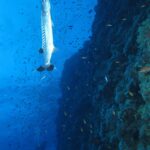 Great barracuda | peak season | peak season | peak season | peak season | peak season | rare | rare | rare | rare | peak season | peak season | peak season | lone great barracudas and tight schools of chevron barracudas around the top |
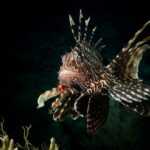 Lionfish | peak season | peak season | peak season | peak season | peak season | rare | rare | rare | rare | peak season | peak season | peak season | by the dozen in the cracks and under the overhangs |
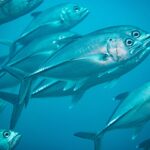 Bigeye trevally | peak season | peak season | peak season | peak season | peak season | rare | rare | rare | rare | peak season | peak season | peak season | in walls above the pinnacle, the show on every dive |
 Fusiliers | peak season | peak season | peak season | peak season | peak season | rare | rare | rare | rare | peak season | peak season | peak season | in walls above the pinnacle, the show on every dive |
| Seahorses and ghost pipefish | peak season | peak season | peak season | peak season | peak season | rare | rare | rare | rare | peak season | peak season | peak season | in the sea fans and soft corals, for macro |
| Harlequin shrimp | peak season | peak season | peak season | peak season | peak season | rare | rare | rare | rare | peak season | peak season | peak season | in pairs under the overhangs, on the starfish they eat |
| Malabar groupers and dogtooth tuna | possible | possible | possible | possible | possible | rare | rare | rare | rare | possible | possible | possible | at the foot of the rocks, on the current side |
peak seasonpossiblerare
What is diving like at Richelieu Rock?
The pinnacle rises from 35 meters to the surface, where it breaks through by one meter at low tide, and it forms a horseshoe with its tips facing south. Inside lies a plateau between 25 and 5 meters; outside, the north and west sides drop sheer, while the south slopes gently. Most dives take place between 20 and 28 meters. The current usually runs from north to south and can be strong, but the site is big enough to offer a sheltered side: you descend along the mooring line, move around in the lee of the rock and finish in open water, under an inflatable buoy that marks the divers for the boat. Visibility is 10 to 35 meters. Operators accept Open Water divers on day trips but recommend Advanced; real comfort in current is needed, and divers on a rebreather, a unit that reuses exhaled air, gain long minutes at the bottom.
When to dive Richelieu Rock?
idealgoodnot recommended
Mu Ko Surin National Park is open from October 15 to May 15: the 2026-2027 season opened on October 15, 2026 and ends on May 15, 2027. Whale sharks and manta rays show up mostly from February to April. The water stays between 27 and 29 °C at the bottom and rises to 30 °C at the surface in April and May. Visibility changes from one side of the pinnacle to the other: 30 meters on one side, less than 5 on the other when plankton rises after the full moon and the new moon, and that plankton is exactly what draws the big animals. From November to April, the sea is calm and the speedboats go out every day; from mid-May to mid-October, the southwest monsoon closes the park and nobody goes.
How to get to Richelieu Rock?
Richelieu Rock is 45 kilometers off the coast and about fifteen kilometers east of the Surin Islands, in Mu Ko Surin National Park. The classic way in is a liveaboard out of Tap Lamu, the port of Khao Lak, 60 kilometers north of Phuket: Manta Queen 1 (Khao Lak Scuba Adventures), five days and four nights with fifteen dives from the Similans to Richelieu Rock for THB 28,000; Manta Queen 2, four days and three nights at Koh Bon, Koh Tachai and Richelieu Rock for THB 20,000; Sawasdee Fasai, four days and four nights with fourteen dives for THB 30,700; MV Andaman, four days and four nights for THB 24,000 to 27,000, park fees included. Other boats charge park fees on top, THB 1,500 to 2,300 per trip. From Khao Lak, Khao Lak Explorer also runs the day trip by speedboat or catamaran: less than an hour and a half at sea, two dives, THB 5,600 to 5,700 plus THB 700 for the park and THB 500 for gear, every day from October 15 to May 15.
Stay in Khao Lak
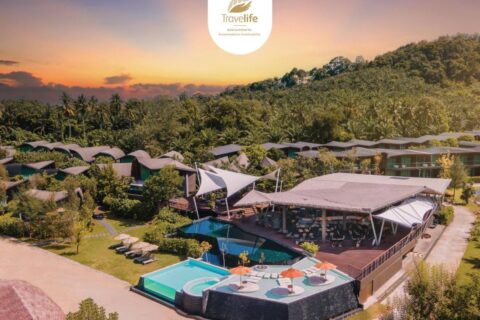
Where to stay near Richelieu Rock?
Hotels, apartments and rooms around Khao Lak, with current prices.
Which hotels to choose near Richelieu Rock?
Who was Richelieu Rock named after?
Richelieu Rock is named after Andreas du Plessis de Richelieu, a Danish officer who served Siam as commander of the Royal Navy and led the first hydrographic survey of the Andaman coast in the early 20th century. Another story goes around the boats: Jacques-Yves Cousteau supposedly discovered the site and named it after the cardinal's red robe, because of the soft corals. It does not hold up, since Cousteau's 1989 Andaman Sea expedition went no farther than Koh Bon. The rock itself is an isolated limestone pinnacle in open sea, 45 kilometers off the coast, part of Mu Ko Surin National Park, created on July 9, 1981.
What can you see on a Richelieu Rock dive?
The first dive is on the outside of the horseshoe, between 20 and 28 meters, along the sheer north and west sides: that is where trevallies, barracudas and tuna circle, and where you watch the blue for the whale shark. The second goes inside the horseshoe, onto the plateau from 25 to 5 meters, out of the current, for macro: seahorses in the sea fans, ghost pipefish, harlequin shrimp, frogfish. On a liveaboard, a third dive at sunset shows lionfish and moray eels hunting, and often cuttlefish and octopus displaying.
Wide-angle or macro: how do you photograph Richelieu Rock?
Richelieu calls for both lenses. Outside, use wide-angle for the walls of trevallies, the barracudas in a vortex and, with luck, the whale shark backlit below the surface. Inside, use macro for the tiger tail seahorses, ornate ghost pipefish and harlequin shrimp, which stay put and let you frame them. Visibility is often better on one side than the other: ask the guide which side to take before choosing your lens. The purple soft corals show their color under a light or strobe; in daylight, they look brown.
What should you know about the Surin Islands and the Moken?
Mu Ko Surin National Park covers 141 square kilometers, 76% of it sea, with five islands and two rocky islets, 55 kilometers off the coast. Its reefs hold more than 260 species of reef fish, 68 species of coral, 48 of nudibranchs and 31 of shrimp. On Ko Surin Tai lives a community of Moken, the sea nomads: 329 people in 78 houses in 2019. Speedboats also reach the park from the port of Khura Buri, 12 kilometers from the islands closest to the coast, but divers leave from Khao Lak, where day trips to Richelieu Rock run daily in season.
Our tip
Choose a liveaboard: three dives instead of two, including one at sunset, without the speedboats. Keep the pinnacle between you and the current, as there is always a sheltered edge. Finish away from the rocks, eyes on the blue: that is where the whale shark passes.
Other dive sites nearby
 ThailandPelagic
Koh Tachai Pinnacle
Andaman Sea: Similan, Surin and Lanta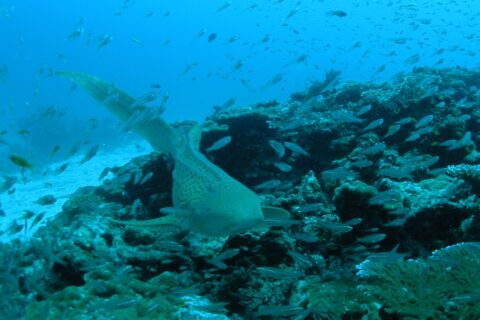 ThailandReef
Elephant Head Rock
Andaman Sea: Similan, Surin and Lanta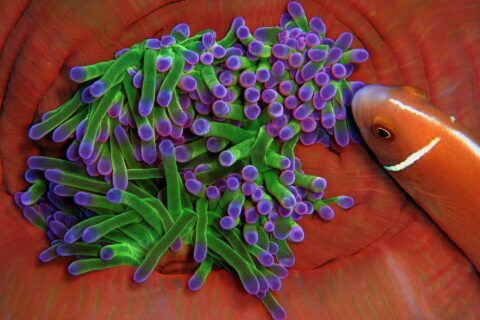 ThailandPelagic