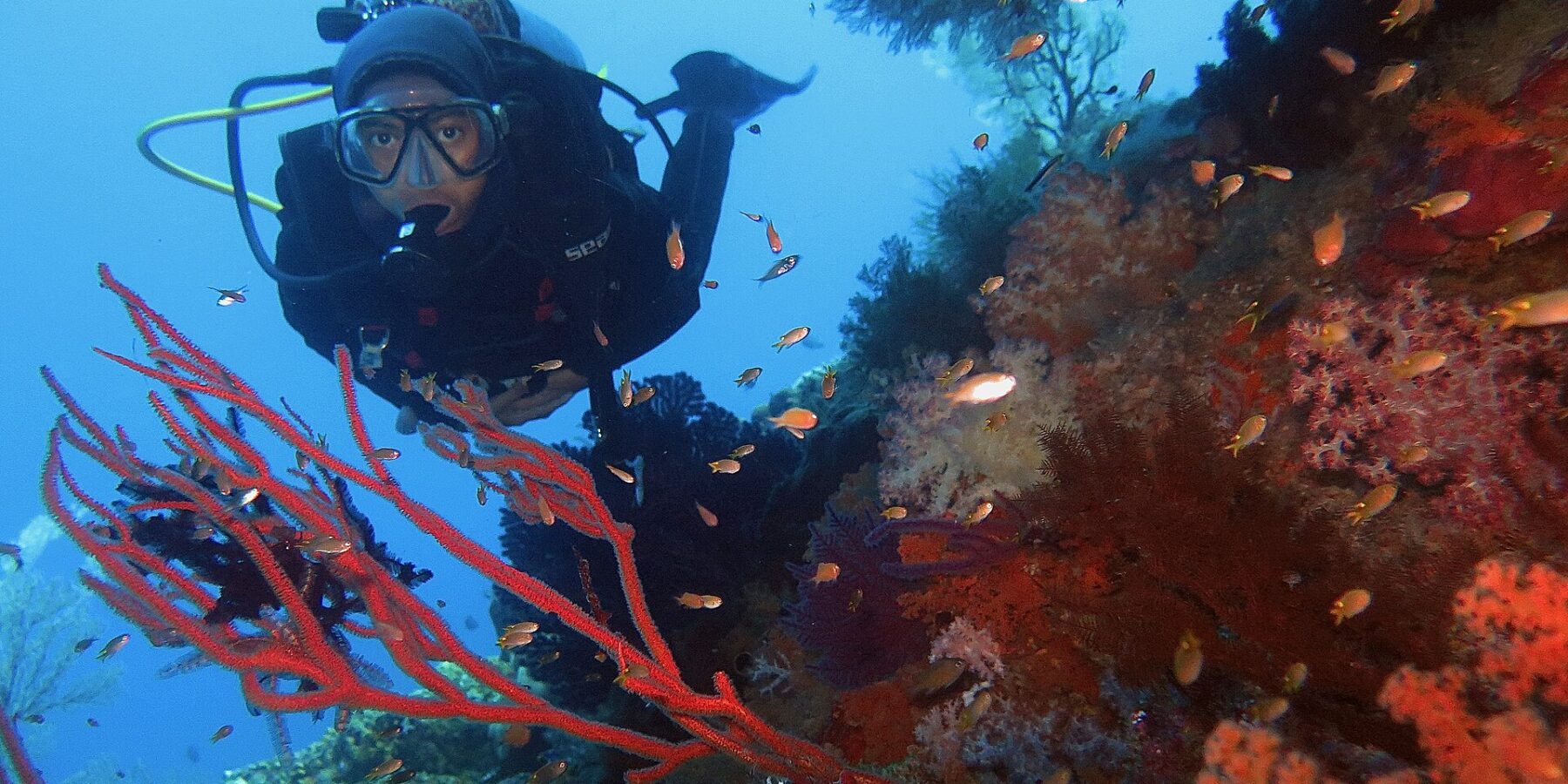
Cape Kri is the eastern tip of Kri Island, in Raja Ampat: in 2012, ichthyologist Gerald Allen counted 374 fish species there in a single dive, a world record. Its slope runs from 5 to 40 m, and the current gathers barracuda, trevally and sharks off the point.
Why dive Cape Kri?
- The world biodiversity record for a single dive: 374 fish species counted by Gerald Allen in 90 minutes, in April 2012
- A coral slope from 5 to 40 m and two currents meeting off the point
- Barracuda, trevally, tuna, gray reef sharks and Napoleon wrasse gathered at peak current
- Wobbegongs under the table corals, pygmy seahorses on the sea fans
- A few minutes by boat from the Kri Island resorts
Cape Kri in pictures
What will you see at Cape Kri?
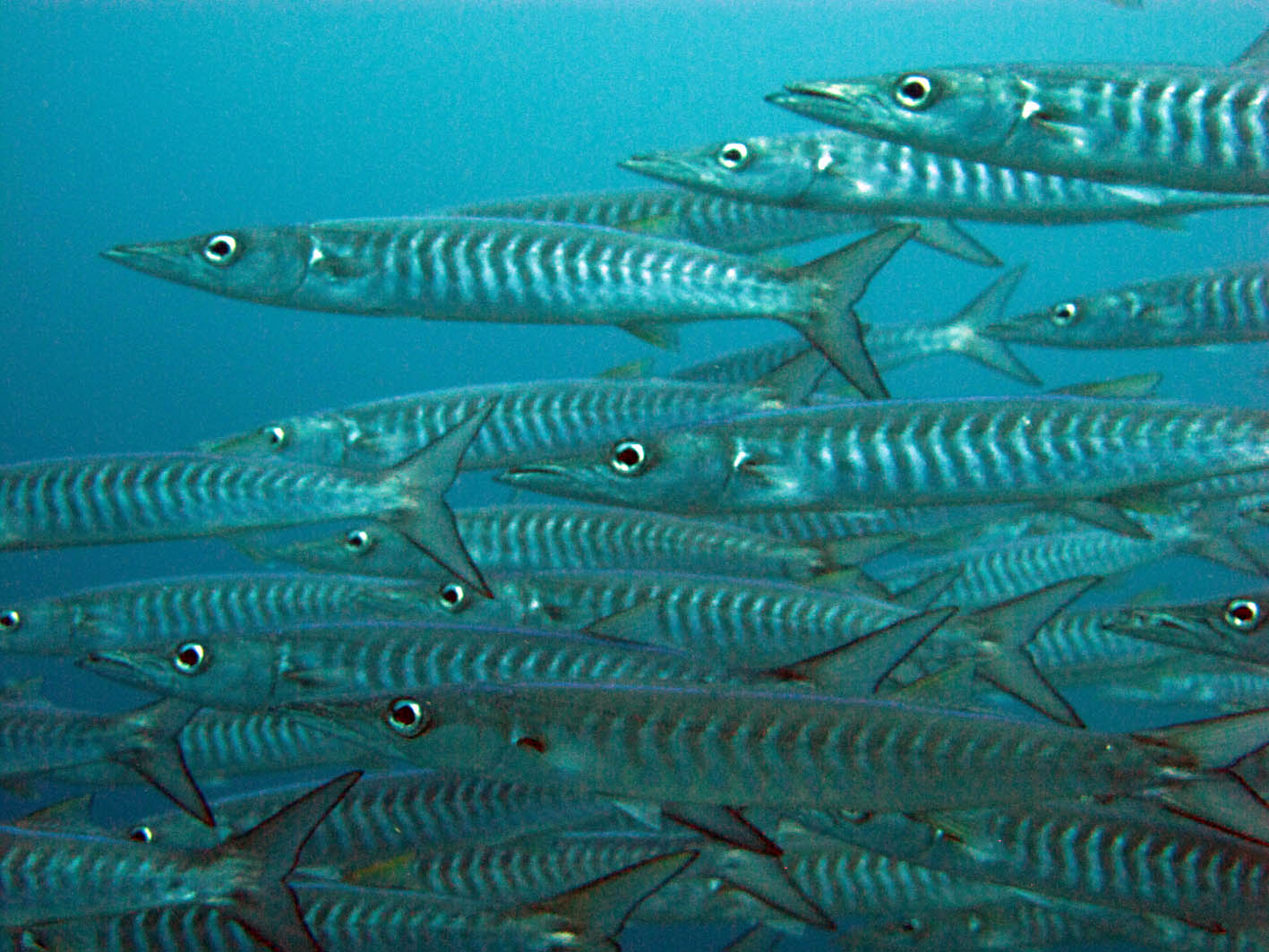
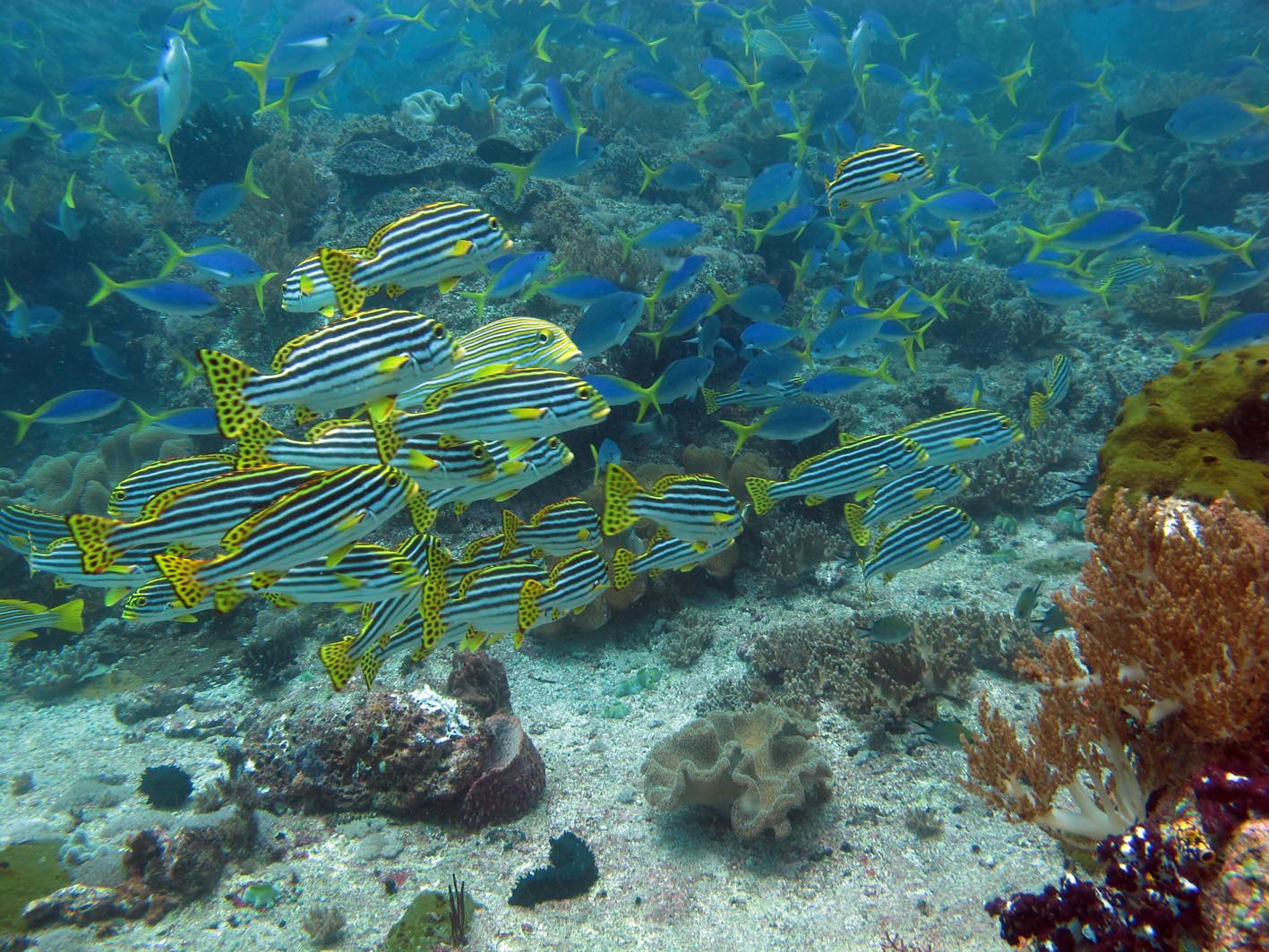
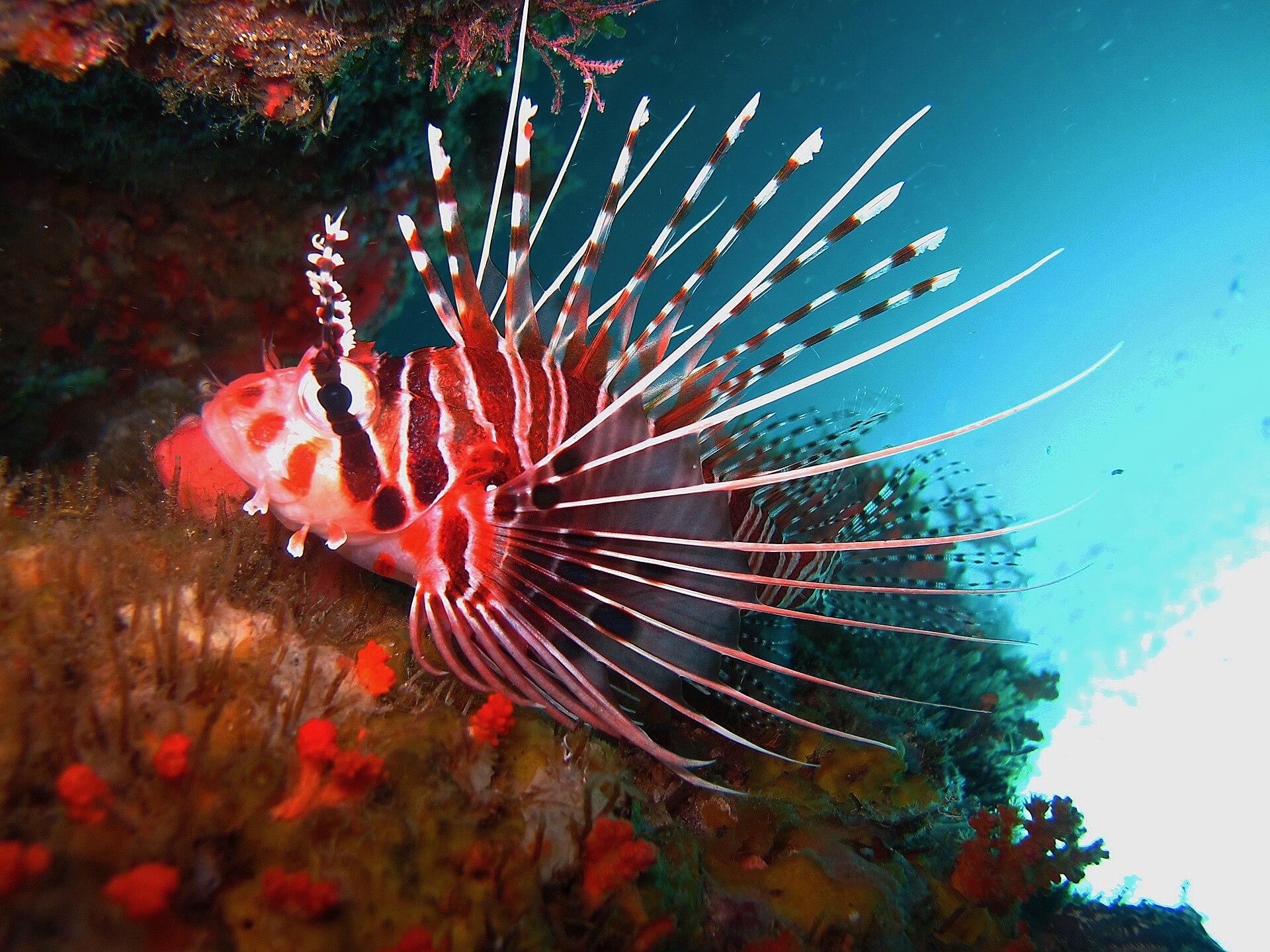
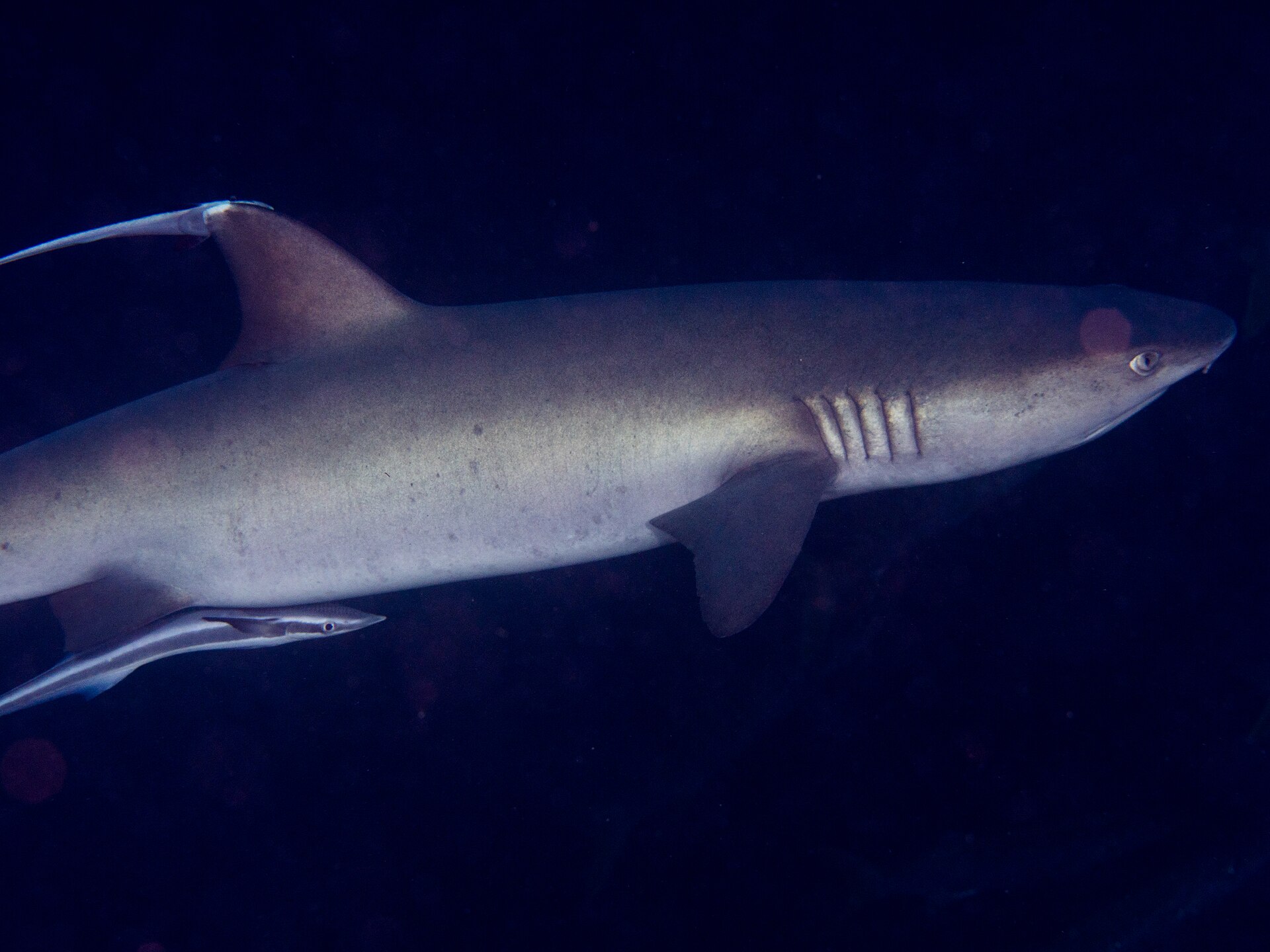
Cape Kri is the site that earned Raja Ampat its title of richest reef in the world. In April 2012, ichthyologist Gerald Allen counted 374 fish species there on a single 90-minute dive, the highest number ever recorded at one site; ten years earlier, in the same spot, he had counted 327. The secret is the current: the cape, at the eastern tip of Kri Island, takes two currents that cross and gather the schools. Fusiliers, bigeye trevally, chevron barracuda, sweetlips, snappers and batfish fill the water column; gray reef sharks, whitetips and blacktips hunt in the flow alongside dogtooth tuna and giant trevally. Over the reef pass friendly Napoleon wrasse, bumphead parrotfish, hawksbill turtles and good-sized groupers. Macro holds its own too: pygmy seahorses on the sea fans, nudibranchs, octopus, scorpionfish and, under the table corals, wobbegongs lying still. At night, walking sharks come out on the upper reef.
| Species | J | F | M | A | M | J | J | A | S | O | N | D | Note |
|---|---|---|---|---|---|---|---|---|---|---|---|---|---|
 Great barracuda | peak season | peak season | peak season | peak season | possible | possible | possible | possible | possible | peak season | peak season | peak season | a school of chevron barracuda in the current off the point, with loners out in the blue |
 Napoleon wrasse | peak season | peak season | peak season | peak season | peak season | peak season | peak season | peak season | peak season | peak season | peak season | peak season | several resident adults that swim close to divers during the drift |
 Gray reef shark | peak season | peak season | peak season | peak season | possible | possible | possible | possible | possible | peak season | peak season | peak season | with whitetips and blacktips, hunting in the current at the point |
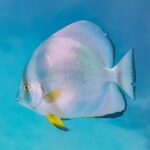 Orbicular batfish | peak season | peak season | peak season | peak season | peak season | peak season | peak season | peak season | peak season | peak season | peak season | peak season | schooling above the slope, with sweetlips and snappers |
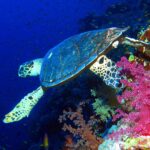 Hawksbill turtle | peak season | peak season | peak season | peak season | peak season | peak season | peak season | peak season | peak season | peak season | peak season | peak season | resting on the reef, often several per dive |
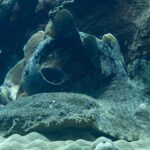 Tasseled wobbegong | peak season | peak season | peak season | peak season | peak season | peak season | peak season | peak season | peak season | peak season | peak season | peak season | lying under the table corals on the slope; look for them with your guide |
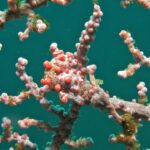 Pygmy seahorse | peak season | peak season | peak season | peak season | peak season | peak season | peak season | peak season | peak season | peak season | peak season | peak season | on the sea fans of the slope, pointed out by the guide |
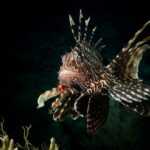 Lionfish | peak season | peak season | peak season | peak season | peak season | peak season | peak season | peak season | peak season | peak season | peak season | peak season | under overhangs and in cracks on the upper slope |
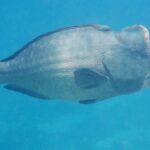 Bumphead parrotfish | possible | possible | possible | possible | possible | possible | possible | possible | possible | possible | possible | possible | small groups passing over the plateau |
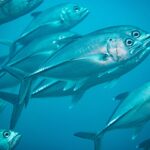 Bigeye trevally | peak season | peak season | peak season | peak season | possible | possible | possible | possible | possible | peak season | peak season | peak season | tornadoes of bigeye trevally and tuna hunting at peak current |
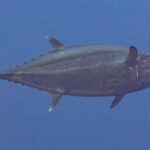 Dogtooth tuna | peak season | peak season | peak season | peak season | possible | possible | possible | possible | possible | peak season | peak season | peak season | tornadoes of bigeye trevally and tuna hunting at peak current |
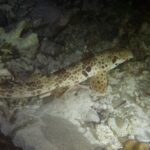 Raja Ampat walking shark | possible | possible | possible | possible | possible | possible | possible | possible | possible | possible | possible | possible | on night dives, on the upper reef |
peak seasonpossiblerare
What is diving like at Cape Kri?
The reef starts from a plateau at 5 m and slopes down to the sand between 35 and 40 m, with a steeper wall on the south side. It's a drift dive: you enter to the west, on the south coast of Kri, descend to around 25 m, then the current carries you east along the slope, reef on your left. Near the point, you come up to 10 m and hook in to watch sharks, tuna and trevally pass in the flow. The current is moderate to strong, sometimes over three knots, and can split at the point; north of the cape, it plunges toward the bottom and forms a washing machine you avoid by staying on the slack side, between Kri and Koh. Visibility 15 to 30 m. Advanced level and drift experience required; an SMB and a reef hook are part of the kit.
When to dive Cape Kri?
idealgoodnot recommended
The Dampier Strait can be dived year-round, but the season runs from October to April: flat seas, 20 to 30 m visibility, 27 to 29°C water. November and December bring the steadiest currents and the best gatherings of predators; from December to March, mantas circle the nearby cleaning stations, Blue Magic and Manta Sandy. From May to September, the southeast monsoon raises a swell in the south of the archipelago and closes Misool, but the Kri resorts stay open and the strait, sheltered by Waigeo, remains diveable, with less consistent visibility. The temperature barely moves: 27°C at its coolest, 29°C at the end of the year. The real calendar at Cape Kri is the tide: the site is dived on the incoming current, when the schools form, and the guide picks the time each day.
How to get to Cape Kri?
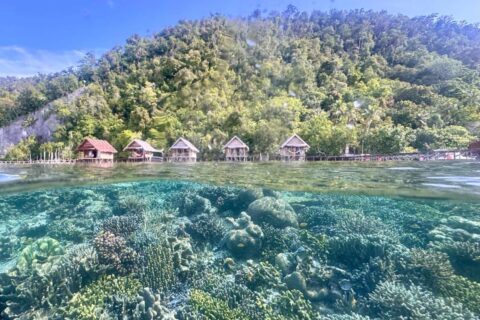
Cape Kri is at the eastern tip of Kri Island, in the Dampier Strait, two hours by boat from Sorong, the Raja Ampat airport. Papua Diving's two resorts, Kri Eco Resort and Sorido Bay, sit right on this point, less than two kilometers from the site: three guided dives a day, six divers per boat, free Nitrox and no boat diving on Saturdays. Kri Eco Resort charges €60 per single dive and €1,894 for a week full board with unlimited diving, transfers included on Sundays and Wednesdays. From Waisai, the district capital on Waigeo, dive centers such as Meridian Adventure Dive reach the site by speedboat; ten-day liveaboards, from €4,280 excluding flights with Adékua, stop here before Penemu and Misool. On top of that come IDR 2,000,000 for the permit and entry ticket, about a hundred euros per person.
Stay in Waisai
Where to stay near Cape Kri?
Hotels, apartments and rooms around Waisai, with current prices.
Which hotels to choose near Cape Kri?
What was the 2012 fish species record at Cape Kri?
Gerald Allen, author of more than thirty books on reef fish and of the reference work Reef Fishes of the East Indies, which lists 2,631 species, has been diving Raja Ampat since the 2000s. On a first survey at Cape Kri, he had counted 327 species in one dive, already a peak. In April 2012, back on the site, he identified 374 in 90 minutes, without searching for a single one: the fish, used to divers from the nearby resorts, came to him. The figure has never been beaten anywhere else. It says two things: how rich the Dampier Strait is, at the heart of the Coral Triangle, and what protection achieves, since Allen showed that a large share of reef fish larvae come back to settle where they were born.
How do you dive Cape Kri?
You enter to the west of the site, on the south coast of Kri, and descend to around 25 m on a slope covered in hard corals, soft corals, big sponges and sea fans. The current pushes east; you drift, reef on your left, past turtles, Napoleon wrasse and schools of snappers and sweetlips. As you approach the point, you rise to around 10 m: this is where the guide has everyone set their reef hooks, facing the blue, to watch trevally, tuna and sharks cross the flow. When your air runs low, you unhook and let the current carry you toward the ridge linking Kri to Koh Island, where you do your safety stop in a shallow coral garden. If the current is strong, you hook in again at 5 m rather than drift north.
What other dive sites are around Cape Kri?
The Kri resorts dive some thirty sites within a ten-kilometer radius: Sorido Wall and its sheer face, Chicken Reef and Sardine Reef for the schools, the Yenbuba and Arborek jetties for the schools of trevally under the pilings, Mioskon and Blue Magic for the mantas. The resort's house reef is dived from the jetty, day and night, with its walking sharks. Cape Kri remains the dive you come back to: every tide changes its face.
Our tip
Dive the point on the rising tide, when the schools form. Don't let yourself drift north of the cape, where the current pushes down toward the bottom. Save a calm dive for the slope and its pygmy seahorses.
Other dive sites nearby
 IndonesiaPelagic
Blue Magic
Raja Ampat IndonesiaPelagic
Magic Mountain (Misool)
Raja Ampat IndonesiaReef