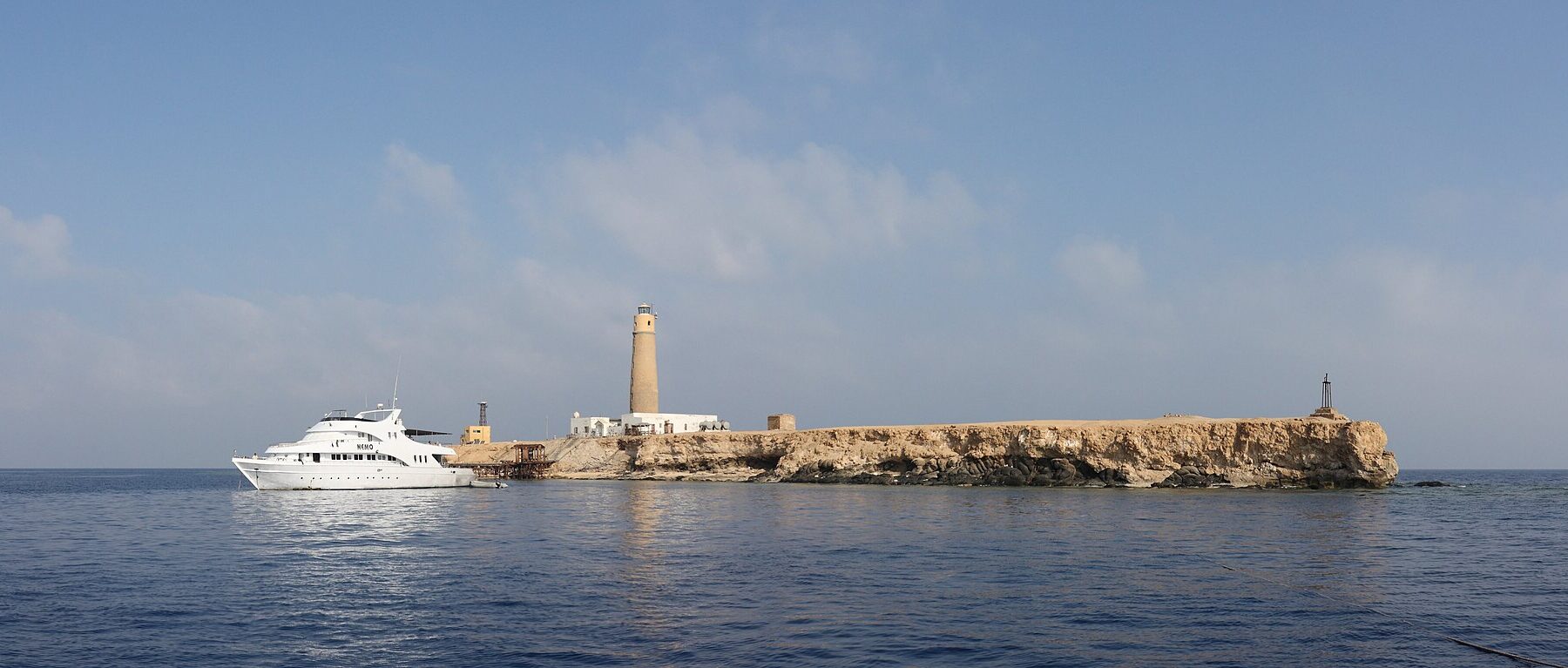
The Brothers are twin islets about sixty kilometers off El Quseir, sitting on walls that drop into several hundred meters of water. Big Brother has a lighthouse and two wrecks; on the plateaus of Small Brother, gray reef sharks are almost guaranteed. It is the great classic of southern Red Sea liveaboards.
Why dive the Brothers?
- The gray reef sharks on the Small Brother plateaus, almost guaranteed all year
- Hammerheads in summer, oceanic whitetips and threshers in the fall, in the blue off the walls
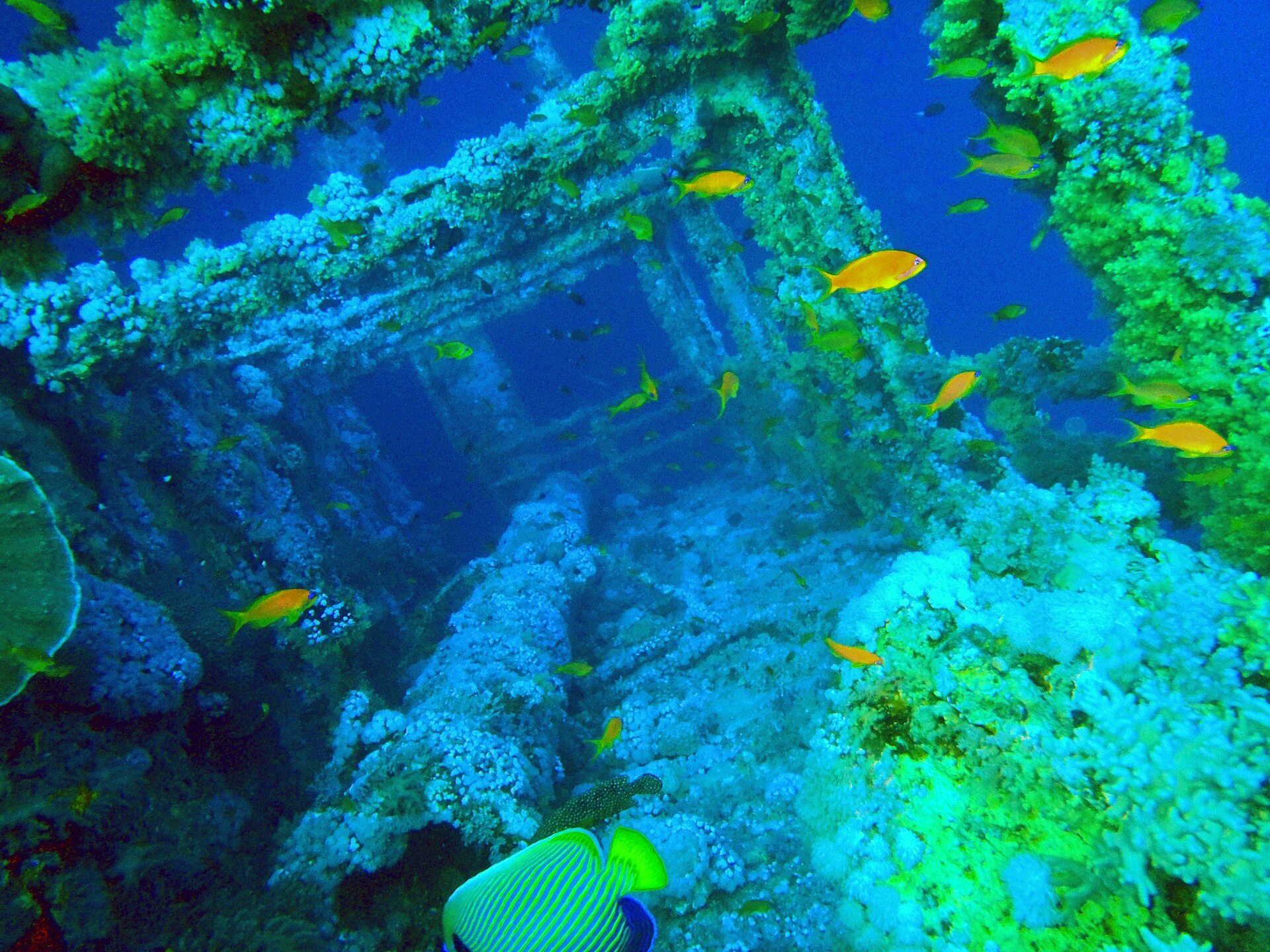
- Two wrecks clinging to the walls of Big Brother, the Numidia and the Aida, covered in soft corals
- Walls dropping several hundred meters, among the richest in the Red Sea for soft corals and sea fans
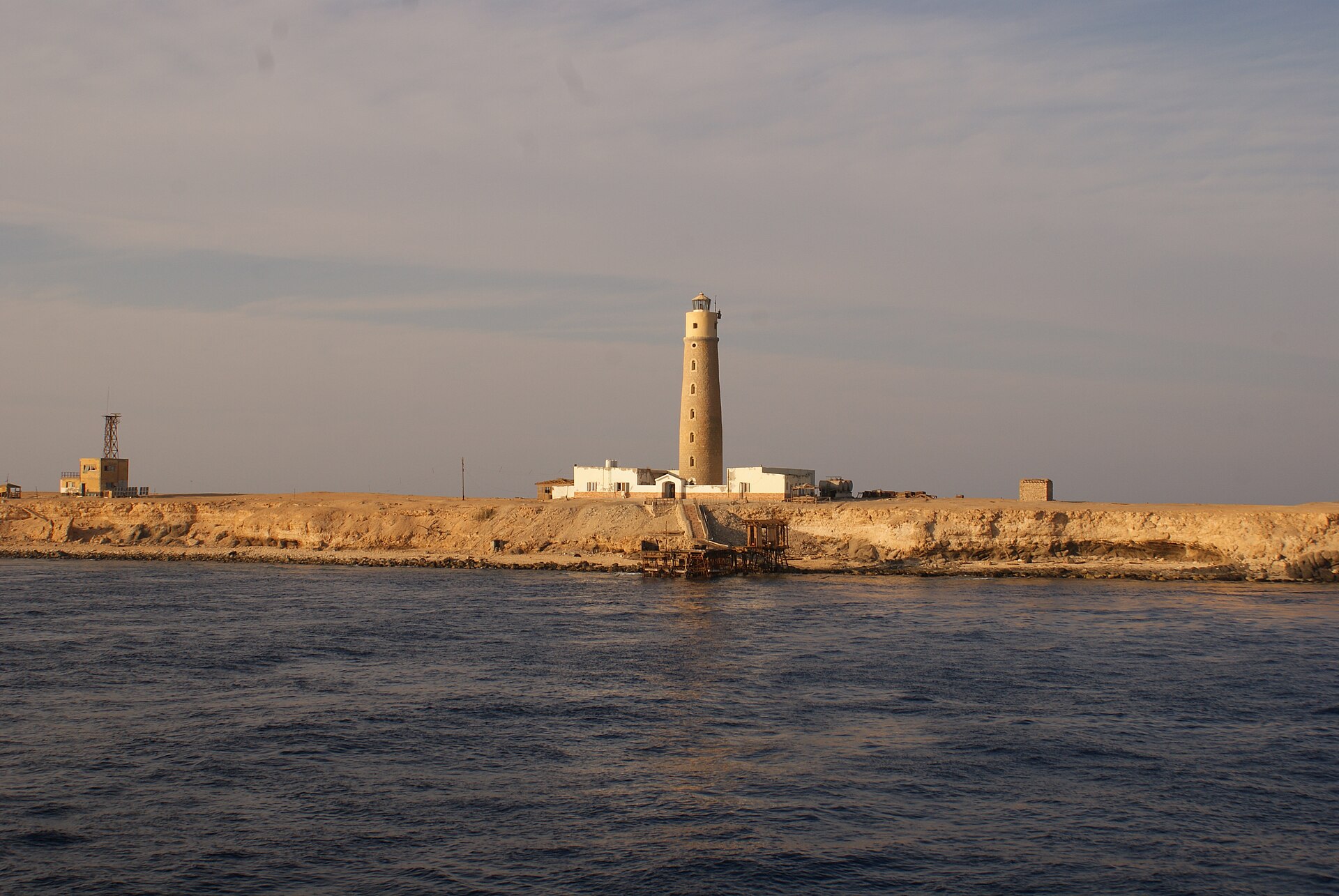
- A 19th-century British lighthouse, still manned, for the stop between two dives
The Brothers in pictures
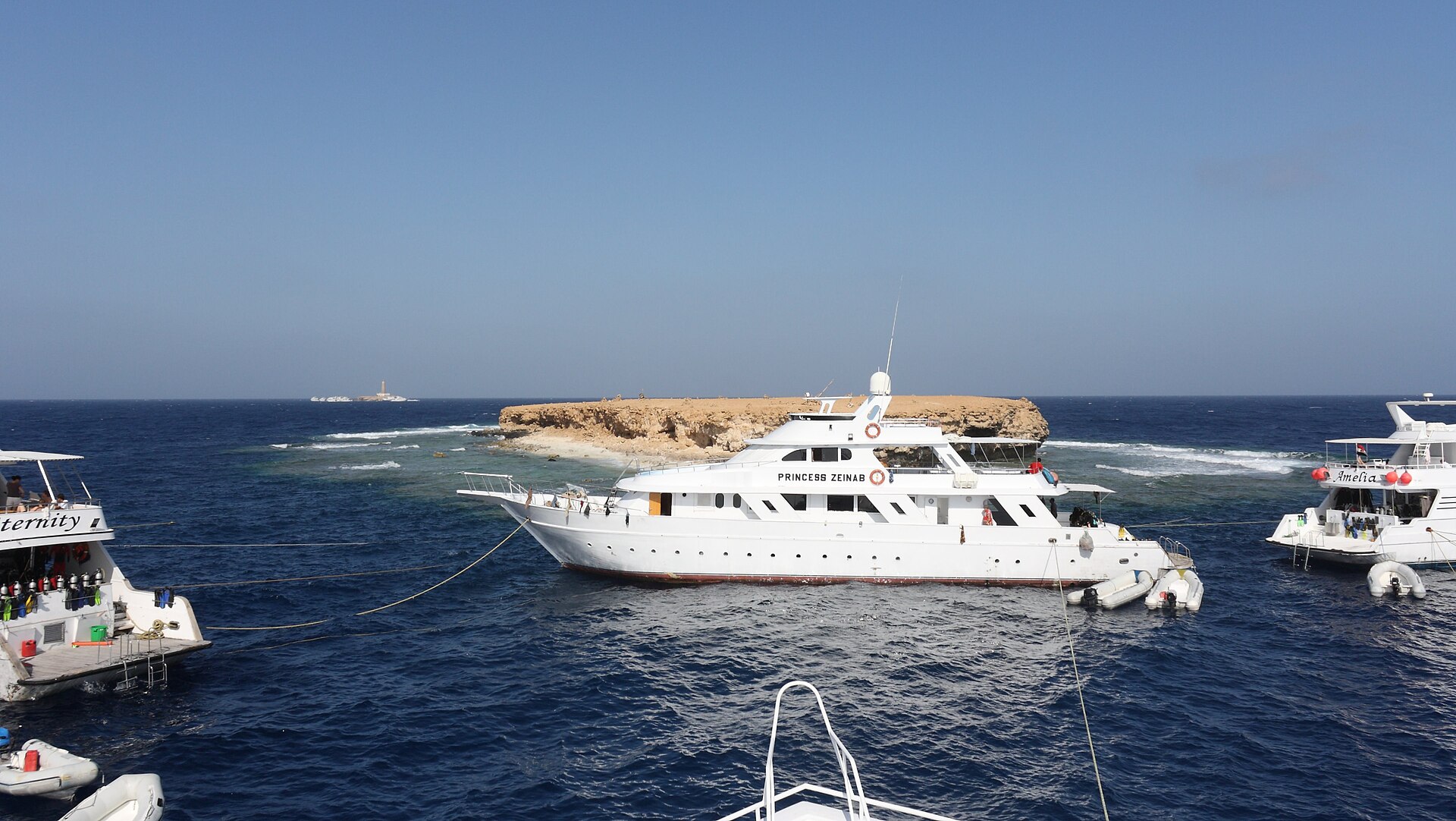
What will you see at the Brothers?
The Brothers owe their reputation to sharks. The gray reef shark is almost guaranteed on the north and south plateaus of Small Brother, where it patrols the edge of the wall; scalloped hammerheads rise in the blue in summer, oceanic whitetips circle under the boats from September to November, and the rarer threshers cruise the walls at dawn in the fall; silky sharks pass in the blue. The walls themselves are among the richest in the Red Sea: soft corals, giant sea fans, anthias and angelfish, with tuna, trevallies and barracudas offshore. A family of Napoleon wrasse lives on the Big Brother wrecks, and manta rays pass over the plateaus in summer.
| Species | J | F | M | A | M | J | J | A | S | O | N | D | Note |
|---|---|---|---|---|---|---|---|---|---|---|---|---|---|
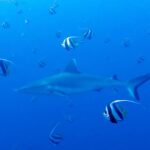 Gray reef shark | peak season | peak season | peak season | peak season | peak season | peak season | peak season | peak season | peak season | peak season | peak season | peak season | on the north and south plateaus of Small Brother, almost guaranteed |
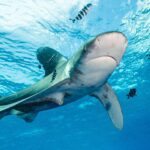 Oceanic whitetip shark | rare | rare | rare | rare | rare | rare | rare | possible | peak season | peak season | peak season | possible | under the moored boats, from September to November |
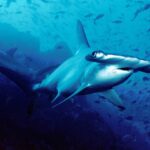 Scalloped hammerhead | rare | rare | rare | possible | peak season | peak season | peak season | possible | possible | rare | rare | rare | in the blue off the north plateau of Small Brother, in summer, early in the morning |
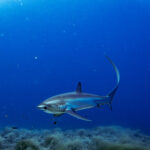 Pelagic thresher shark | rare | rare | rare | rare | rare | rare | rare | rare | peak season | peak season | peak season | rare | at dawn along the walls, from September to November |
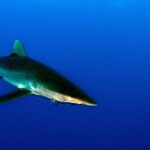 Silky shark | possible | possible | possible | possible | possible | possible | possible | possible | possible | possible | possible | possible | passing in the blue |
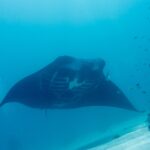 Reef manta ray | rare | rare | rare | rare | possible | possible | possible | possible | rare | rare | rare | rare | passing over the plateaus in summer |
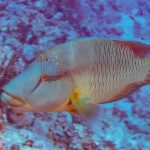 Napoleon wrasse | peak season | peak season | peak season | peak season | peak season | peak season | peak season | peak season | peak season | peak season | peak season | peak season | a resident family around the Big Brother wrecks |
| Tuna | possible | possible | possible | possible | possible | possible | possible | possible | possible | possible | possible | possible | hunting off the plateaus |
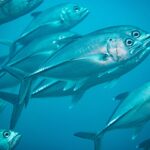 Bigeye trevally | possible | possible | possible | possible | possible | possible | possible | possible | possible | possible | possible | possible | hunting off the plateaus |
| Barracudas | possible | possible | possible | possible | possible | possible | possible | possible | possible | possible | possible | possible | hunting off the plateaus |
 Scalefin anthias | peak season | peak season | peak season | peak season | peak season | peak season | peak season | peak season | peak season | peak season | peak season | peak season | on the soft corals of the walls and wrecks |
| Angelfish | peak season | peak season | peak season | peak season | peak season | peak season | peak season | peak season | peak season | peak season | peak season | peak season | on the soft corals of the walls and wrecks |
peak seasonpossiblerare
What is diving like at the Brothers?
The two islands are the peaks of underwater mountains whose sides drop straight into several hundred meters. At Small Brother, two plateaus extend the island to the north and south, between 35 and 40 meters for the north one, a little shallower for the south, and that is where you wait for the sharks, settled at the edge of the drop; the east and west walls are done as drifts, with the sea fans within reach. At Big Brother, the Numidia and the Aida are visited along the wall, one from 8 meters to well beyond 60, the other between 25 and 65 meters: set yourself a depth not to exceed. The current is strong, often shifting, and every dive ends away from the reef, under an inflatable buoy that marks the divers, before the zodiac picks you up. Advanced and fifty dives are required; comfort in the blue is not optional.
When to dive the Brothers?
idealgoodnot recommended
Liveaboards run from March to November; the rest of the year, wind and open-sea swell make the crossing and anchoring too uncertain. In summer, the water reaches 30°C and the hammerheads show up; from September to November, it is oceanic whitetips and threshers, usually with a calmer sea; in spring, the water is still at 23 or 24°C and visibility often reaches 40 meters. Whatever the season, the islands stay exposed: a blow can force the boat to pull anchor and head back to the coast.
How to get to the Brothers?
The Brothers lie about sixty kilometers off El Quseir, a night's sailing from Port Ghalib, Hurghada or Safaga. You only go on a liveaboard, on the week-long Brothers, Daedalus, Elphinstone route, with two or three days on site: €1,115 to €2,260 for the week without flights, depending on the boat and the season, sometimes plus a €255 fuel surcharge, or from €1,390 with flights and visa from French tour operators, for about eighteen dives. Marsa Alam airport is ten minutes from Port Ghalib; the full visa, US$25, is mandatory.
Stay in Port Ghalib
Where to stay near the Brothers?
Hotels, apartments and rooms around Port Ghalib, with current prices.
Where are the Brothers Islands?
El Akhawein, "the two brothers", are two coral islets side by side in the open sea, about sixty kilometers off the Egyptian coast. Big Brother, the larger, a few hundred meters long, has a lighthouse built by the British in the late 19th century and still kept by a small garrison; Small Brother, a kilometer away, is just a bare platform. Underwater, the two islands are the peaks of mountains whose sides drop sheer, swept by an open-sea current that feeds some of the finest walls of soft corals and sea fans in the Red Sea.
Where do you see sharks at Small Brother?
Small Brother is the shark island. Its two plateaus, to the north and south, slope to about 35 to 40 meters before dropping into the void, and it is along the edge of these plateaus that gray reef sharks patrol, almost every day, a few meters from divers settled in the current. In summer, scalloped hammerheads rise in the blue off the north plateau; in the fall, oceanic whitetips circle under the boats and threshers show up at dawn. The walls between the two plateaus are drift dives through a forest of sea fans and soft corals.
How do you dive the Numidia and Aida wrecks at Big Brother?
Two ships broke up on Big Brother and slid down its walls. The Numidia, a British cargo ship lost in 1901, clings to the north point: her bow starts at about 8 meters and the rest of the hull runs down the wall to 80 meters, with her superstructure covered in soft corals and anthias around 40 meters. The Aida, an Egyptian supply ship sunk in 1957, lies farther south between 25 and 65 meters, just as overgrown. Dive both with a depth limit set in advance, because the blue below has no visible bottom; a family of Napoleon wrasse and the gray reef sharks keep you company.
What is the Brothers, Daedalus, Elphinstone liveaboard like?
The Brothers are the first stop on the most famous liveaboard in southern Egypt: a week from Port Ghalib, Hurghada or Safaga, with a night's sailing to the Brothers, two or three days on the two islands, then Daedalus and Elphinstone to finish. Boats require Advanced and fifty dives, tie up to the moorings on the sheltered side, drop dive groups off by zodiac and do not dive at night. The afternoon stop at the Big Brother lighthouse is the outing of the week.
Our tip
Ask for the north plateau of Small Brother on the first morning dive, when the gray reef sharks and hammerheads are there. On the Numidia, set yourself a maximum depth before you descend, because the wreck runs down to 80 meters.
Other dive sites nearby
 EgyptWreck
Salem Express wreck
Central Red Sea, Egypt EgyptReef
Panorama Reef
Central Red Sea, Egypt EgyptPelagic