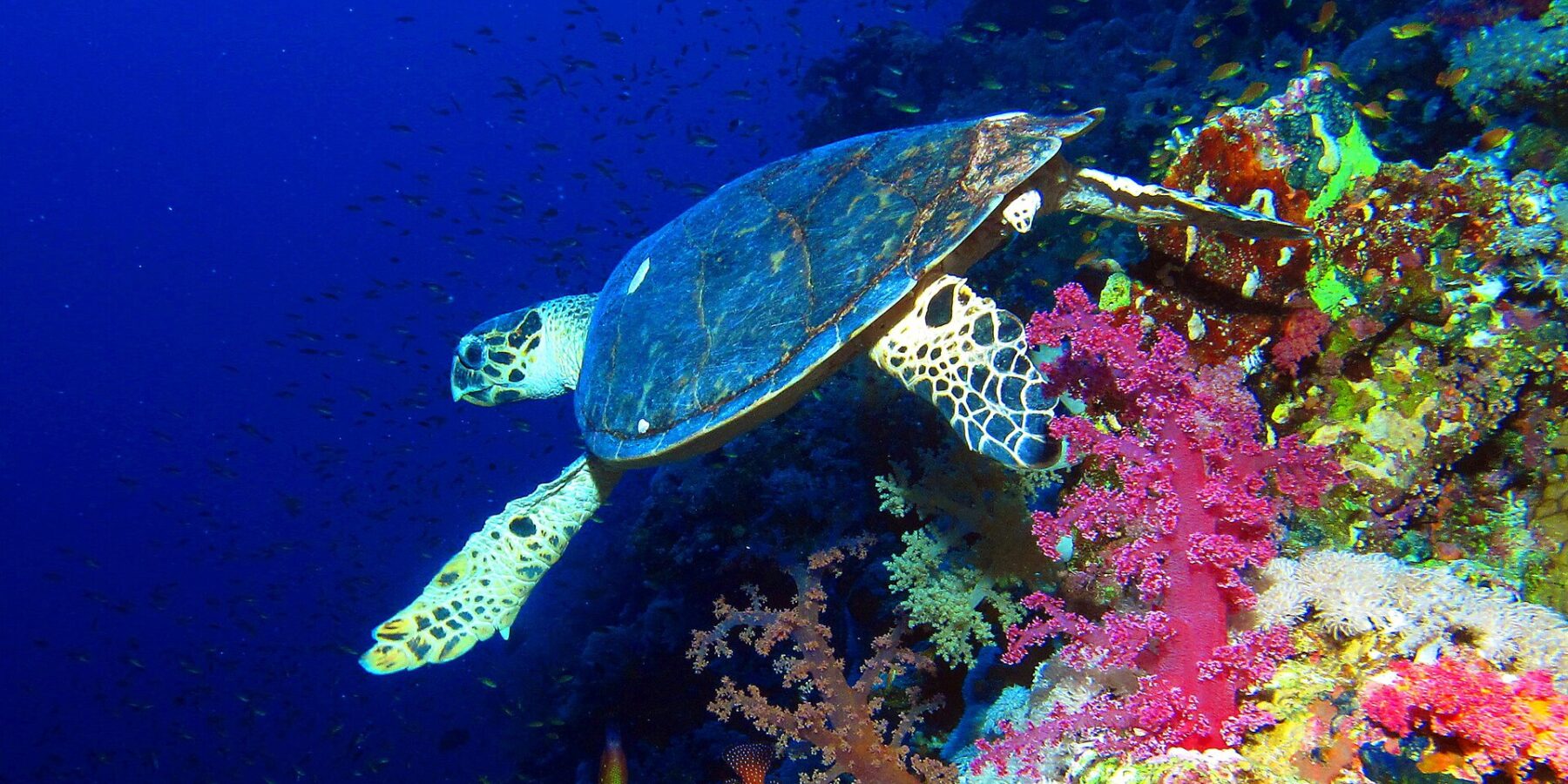
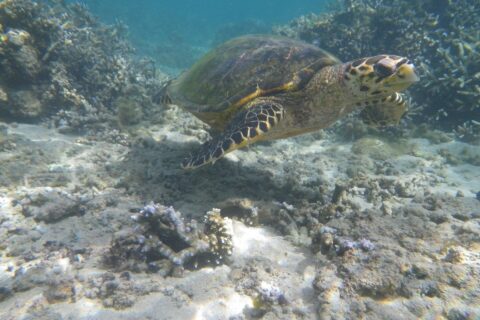
The hawksbill turtle searches the reef for sponges in every season, often a few meters from divers. It shows up on almost every dive in Cozumel, you will often see several in Raja Ampat, and on the Red Sea walls it is the most common turtle, at Elphinstone as around the Giftun Islands.
Where to dive to see the hawksbill turtle?
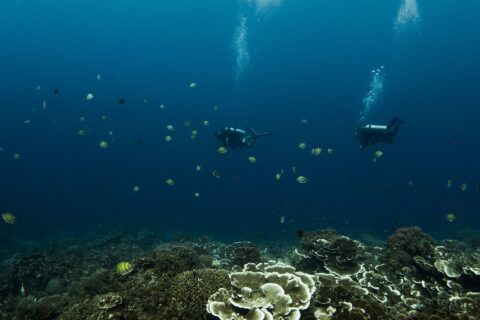
 PhilippinesReef
Apo Island
Visayas: Cebu, Bohol and NegrosPeak season all year round: resting under the overhangs at Cogon Point
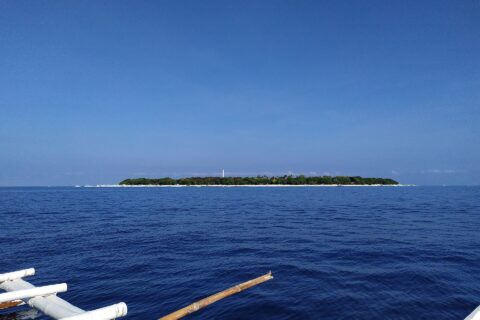 PhilippinesReef
Balicasag Island
Visayas: Cebu, Bohol and NegrosPeak season all year round: under the overhangs at Diver's Heaven, in the shallower sections
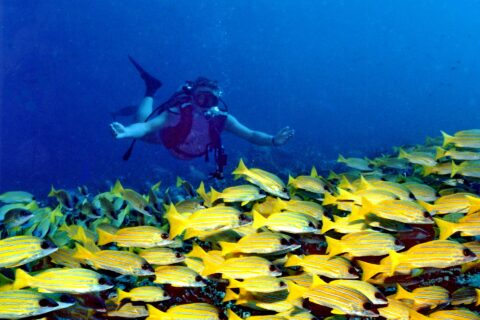
 MaldivesReef
Banana Reef
Malé atollsCan be seen all year round: on the plateau, among the acropora tables
 IndonesiaReef
Batu Bolong
KomodoPeak season all year round: grazing on sponges on the upper reef
 IndonesiaPelagic
Blue Magic
Raja AmpatPeak season all year round: on the corals of the plateau
 IndonesiaReef
Bunaken, Lekuan walls
Sulawesi: Bunaken and LembehPeak season all year round: less common than the green, on the upper wall
 FranceReef
Cap La Houssaye (Réunion)
French Indian Ocean: Réunion and MayotteCan be seen all year round: passing through, coming in from the blue
 IndonesiaReef
Cape Kri
Raja AmpatPeak season all year round: resting on the reef, often several per dive
 FranceReef
Cousteau Reserve (Pigeon Islands)
French West Indies: Guadeloupe and MartiniquePeak season all year round: among the sponges on the plateaus, at the Aquarium and the Coral Garden
 IndonesiaPelagic
Crystal Bay
Bali and Nusa PenidaCan be seen all year round: less common than the green, on the islet's wall
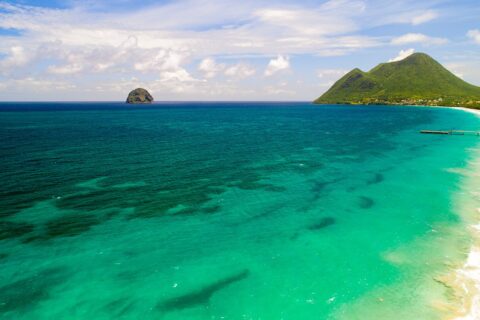 FrancePelagic
Diamond Rock
French West Indies: Guadeloupe and MartiniqueCan be seen all year round: on the sponge walls, the turtle you are most likely to see on this rocky bottom
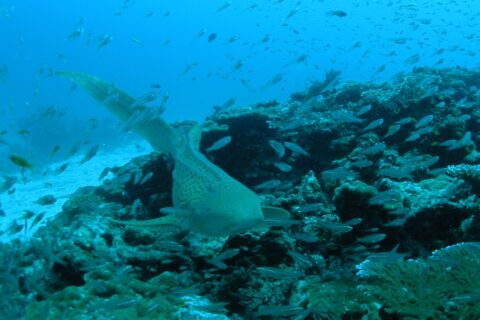
 ThailandReef
Elephant Head Rock
Andaman Sea: Similan, Surin and LantaCan be seen all year round: on the corals of Islands 7 and 8, sometimes at the surface between the boulders
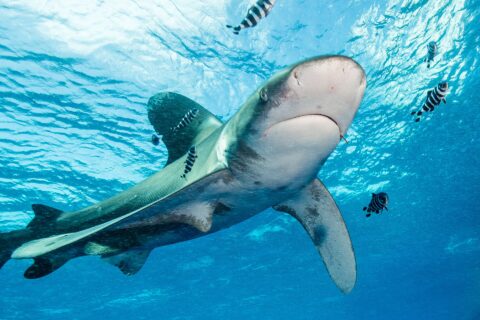
 EgyptPelagic
Elphinstone Reef
Southern Red Sea, EgyptPeak season all year round: on the soft corals of the walls, all year
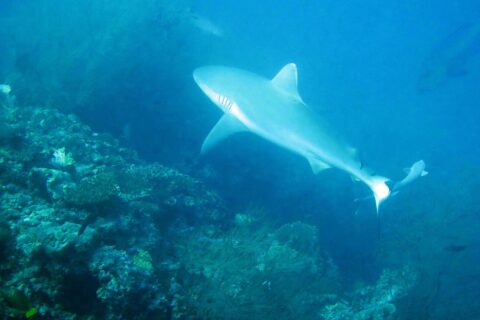 MaldivesReef
Fish Head (Mushimasmingili Thila)
Ari and Rasdhoo atollsCan be seen all year round: on the plateau
 TanzaniaPass
Fundu Gap
PembaCan be seen all year round: on the sponges and sea fans of the wall
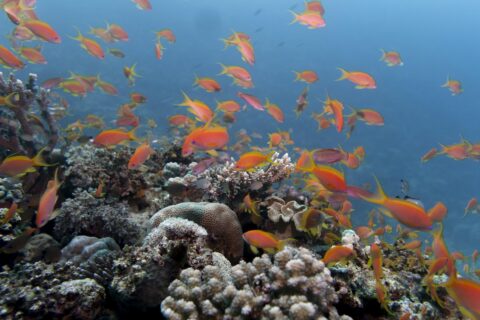 EgyptReef
Giftun Islands
Central Red Sea, EgyptCan be seen all year round: on the soft corals of the wall, all year
 Costa RicaReef
Islas Catalinas
Guanacaste and the North PacificCan be seen all year round: passing through, over the boulders
 MaldivesPelagic
Kandooma Thila
Malé atollsCan be seen all year round: on the top, among the soft corals
 TanzaniaPass
Kinasi Pass
Mafia IslandPeak season all year round: the most common turtle in the bay, on Kinasi Wall
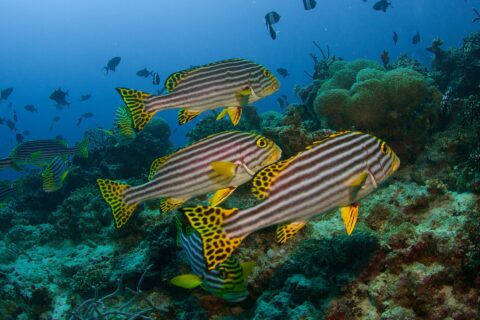 MaldivesReef
Kuda Rah Thila
Ari and Rasdhoo atollsCan be seen all year round: on the top, among the soft corals
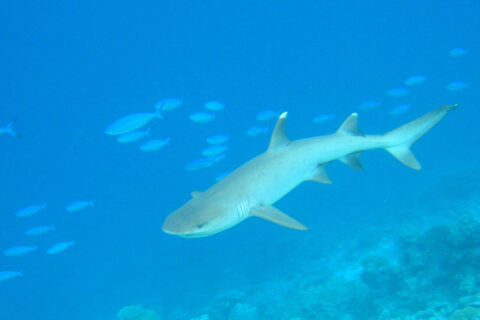 MaldivesReef
Maaya Thila
Ari and Rasdhoo atollsCan be seen all year round: on the plateau, grazing on sponges
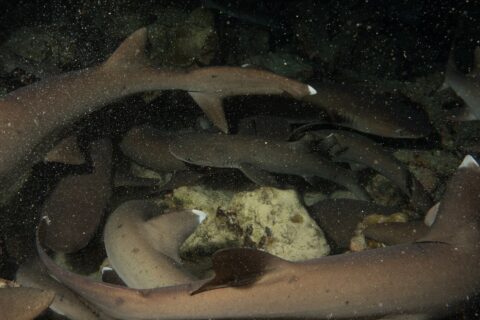 Costa RicaPelagic
Manuelita
Cocos IslandCan be seen all year round: in the inner garden
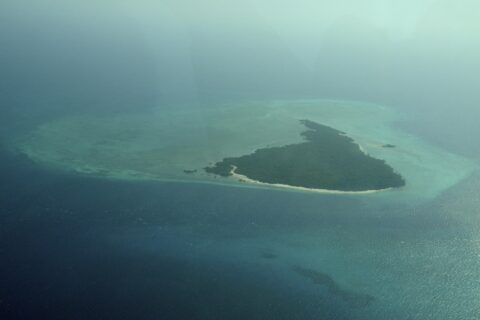 TanzaniaReef
Misali Island
PembaPeak season all year round: on the wall, among the sponges
 TanzaniaReef
Mnemba Atoll
ZanzibarCan be seen all year round: more discreet, on the coral of the slopes
 MexicoReef
Palancar Reef
Yucatán and the Caribbean: Cozumel, cenotes, Playa del CarmenPeak season all year round: on the sponges in the canyons, on almost every dive
 PhilippinesReef
Pescador Island
Visayas: Cebu, Bohol and NegrosPeak season all year round: on the sponges of the east wall, with the greens
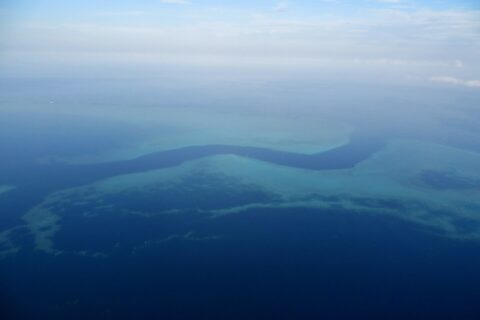 FrancePass
S Pass (Mayotte)
French Indian Ocean: Réunion and MayotteCan be seen all year round: resident in the lagoon, on the coral walls
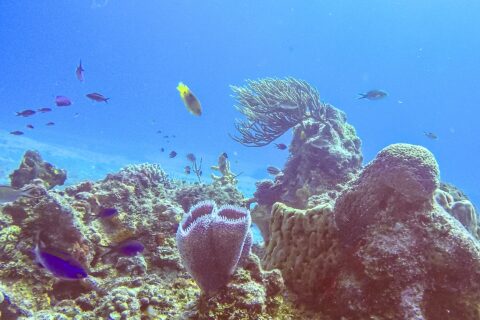 MexicoWall
Santa Rosa Wall
Yucatán and the Caribbean: Cozumel, cenotes, Playa del CarmenPeak season all year round: on the sponges at the top of the wall
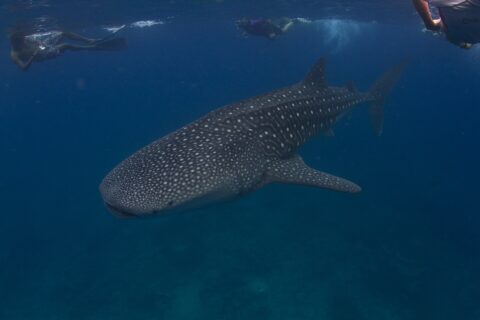 MaldivesPelagic
South Ari Atoll (Maamigili)
Ari and Rasdhoo atollsCan be seen all year round: on the outer reef
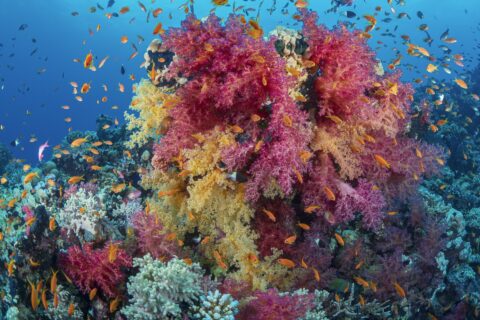 EgyptCave or cenote
St. John's and Fury Shoals
Southern Red Sea, EgyptPeak season all year round: on the soft corals, at Fury Shoals as at St. John's
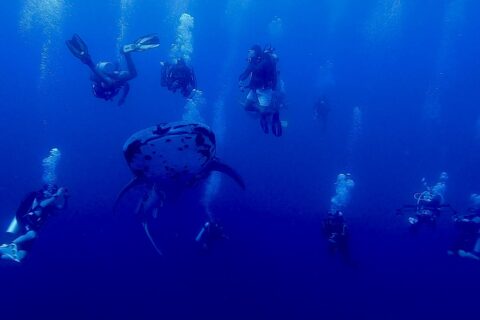 PhilippinesPelagic
Tubbataha Reef
PalawanPeak season from April to May: on the reef flats and the tops of the walls; it also nests in the park
How do you identify a hawksbill turtle?
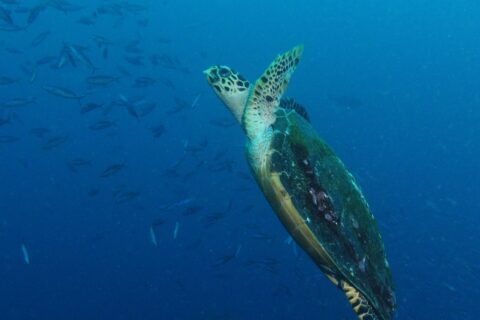
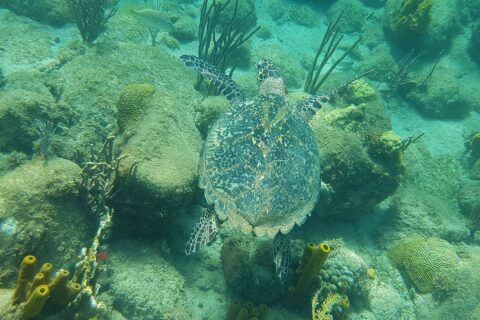
The hawksbill turtle, named for its hawk-like beak, measures 60 to 100 centimeters of shell and weighs 43 to 75 kg; the largest known specimen reached 127 centimeters. It looks much like the other sea turtles, but three details set it apart: the thick scutes of its carapace, laid like the tiles of a roof, a long, narrow, hooked beak, and two claws on each flipper. The shell, flattened and without a continuous keel, is very colorful, and four prefrontal scales draw a pale line between the eyes.
How does the hawksbill turtle live?
It lives close to shore in all tropical seas, and it is the turtle of coral reefs: it uses its hooked beak to reach the sponges in crevices that make up most of its diet, along with anemones, jellyfish and invertebrates. Females come ashore to nest on beaches, in a nest dug up to 90 centimeters deep. Prized for the quality of its shell, long worked into combs, eyeglass frames and jewelry, it has been hunted everywhere: the species is Critically Endangered and its trade is banned under Appendix I of CITES.
Where and when can you see hawksbill turtles?
In the Red Sea, it is the turtle you will meet most often on the walls, all year round. At Elphinstone, it feeds among the soft corals of the walls, a few meters from divers. You will also see it around the Giftun Islands, at St. John's and Fury Shoals, and passing over the wrecks. The green turtle prefers the seagrass beds of sandy bays, such as Abu Dabbab. The hawksbill stays on the coral.
In the Philippines, you will find it under the overhangs of Cogon Point, at Apo Island, and of Diver's Heaven, at Balicasag. In Indonesia, at Cape Kri in Raja Ampat, you will often see several per dive. In the Caribbean, in Cozumel, it shows up on almost every dive on the sponges of the Palancar canyons.
In the Indian Ocean, on Mafia Island in Tanzania, it is the most common turtle in Chole Bay. It stays on the wall at Kinasi Pass. In the Maldives, you can meet it all year round, on the plateaus and reef tops. In the Pacific, in Costa Rica, you may cross paths with it at Manuelita and the Islas Catalinas. It has no season: at most of these sites, it shows up all year round.
How do you dive with hawksbill turtles?
A turtle feeding on the reef lets you approach if you come slowly, from the side, never above it: it must be able to go up and breathe at any moment. No contact, no chasing, no bursts of flash. A disturbed turtle abandons its meal and leaves the site for the day, sometimes longer.
Our tip
If it is feeding on the reef, stay at a distance and to the side, never above it: it must be able to go up and breathe. A flash or a sudden fin kick makes it flee for the day.