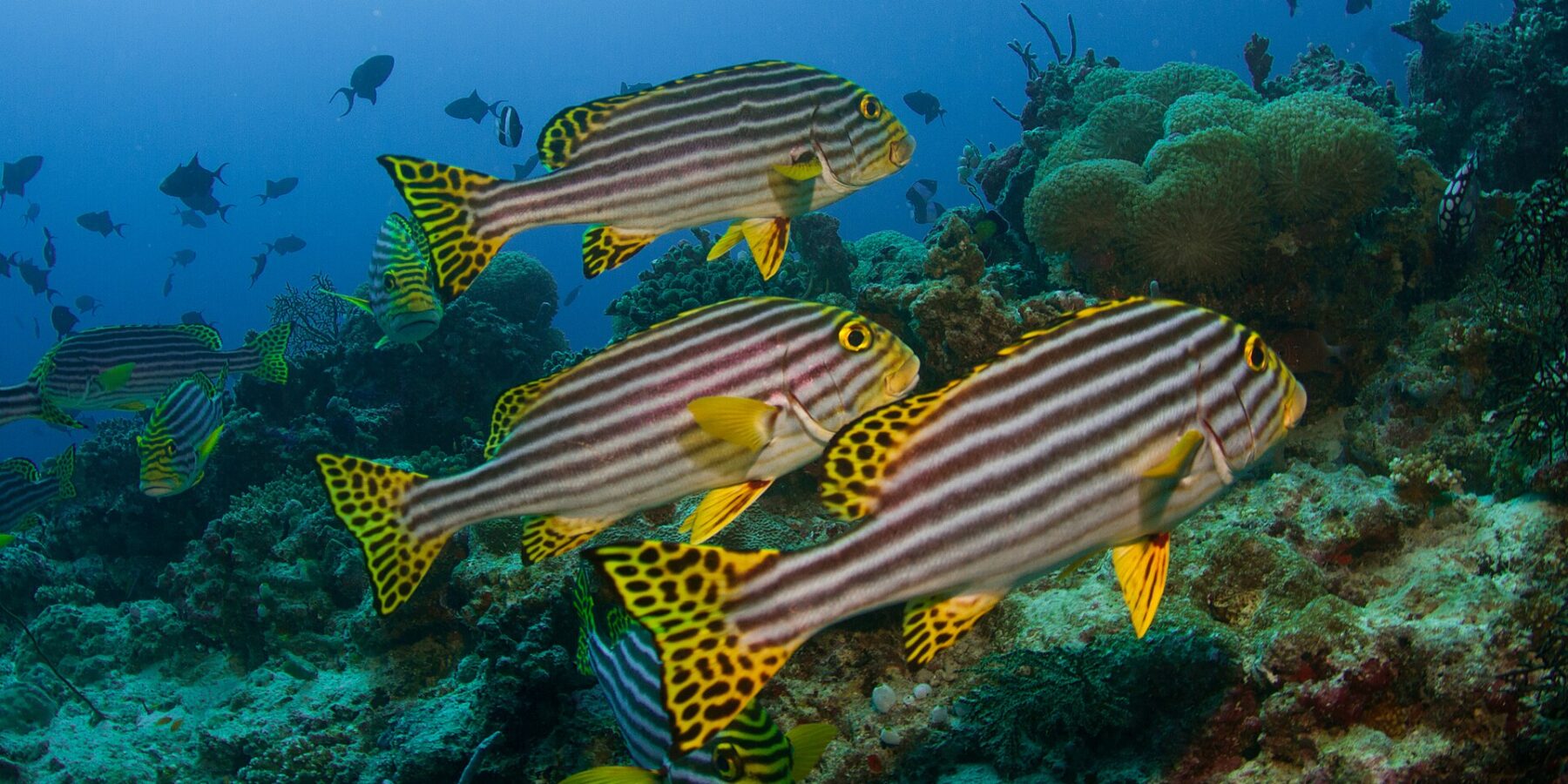
Kuda Rah Thila is a small coral block in the Dhigurah channel, in South Ari, with its top between 12 and 16 meters. Its arch and sea fan overhangs draw sweetlips, Napoleon wrasse, gray reef sharks and eagle rays in a swirling current, less than 4 kilometers from Dhigurah.
Why dive Kuda Rah Thila?
- A compact coral block, top between 12 and 16 meters, that you can circle in one dive
- An arch and swim-throughs on the west side, a large sea fan overhang at around 24 meters on the east side
- Dozens of oriental sweetlips, schools of snappers and fusiliers, Napoleon wrasse, gray reef sharks and eagle rays
- Protected since 1995, less than 4 kilometers from Dhigurah
Kuda Rah Thila in pictures
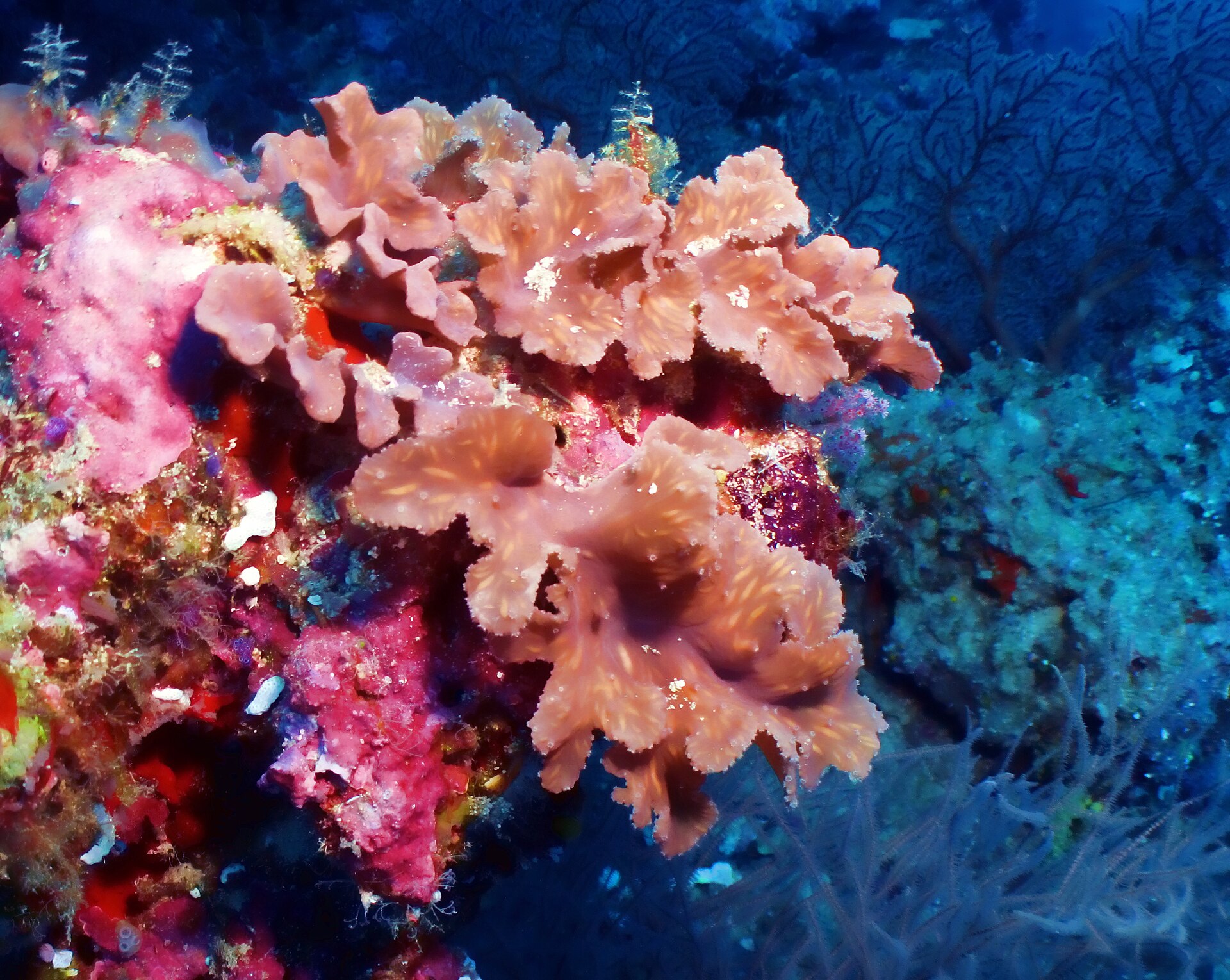
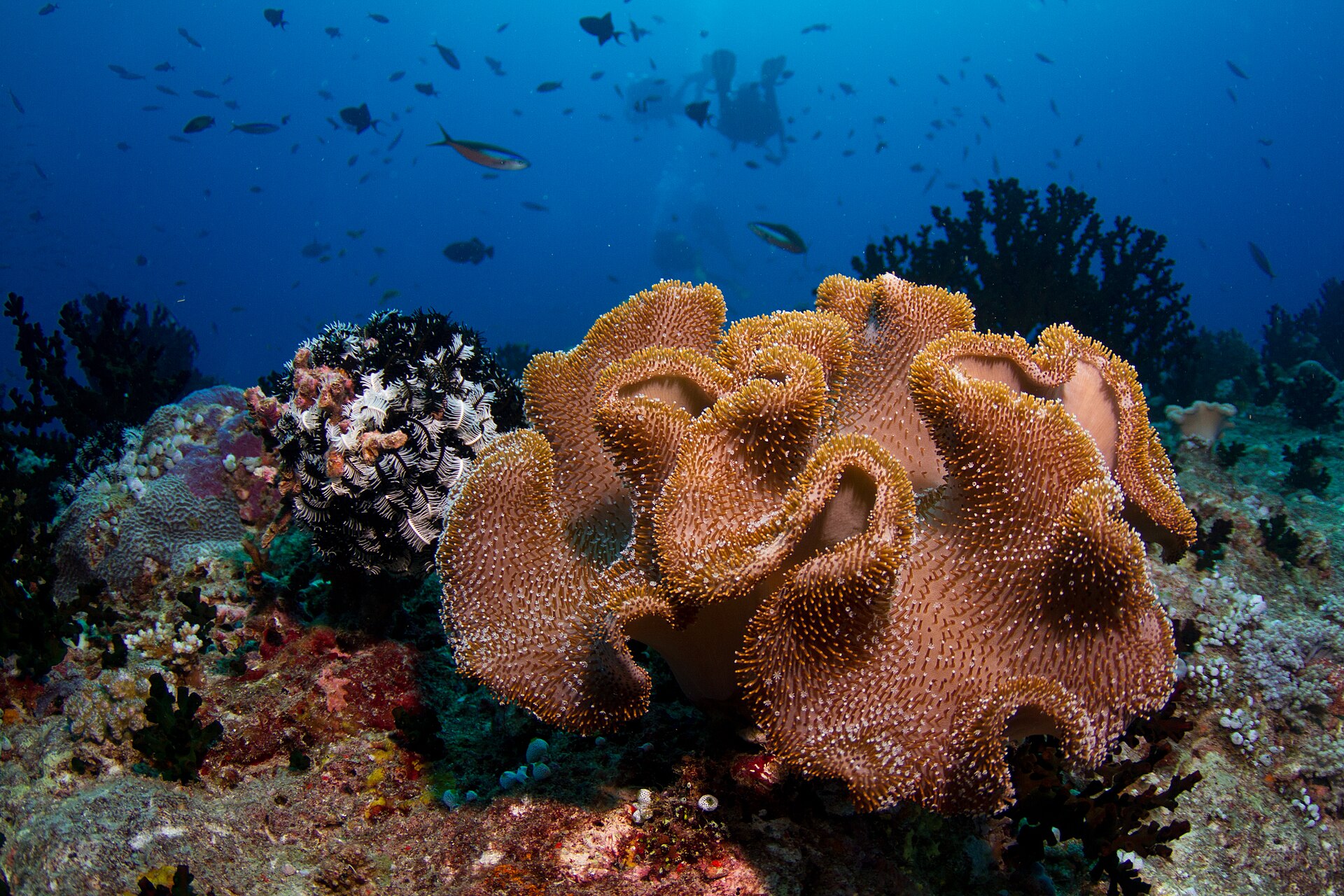
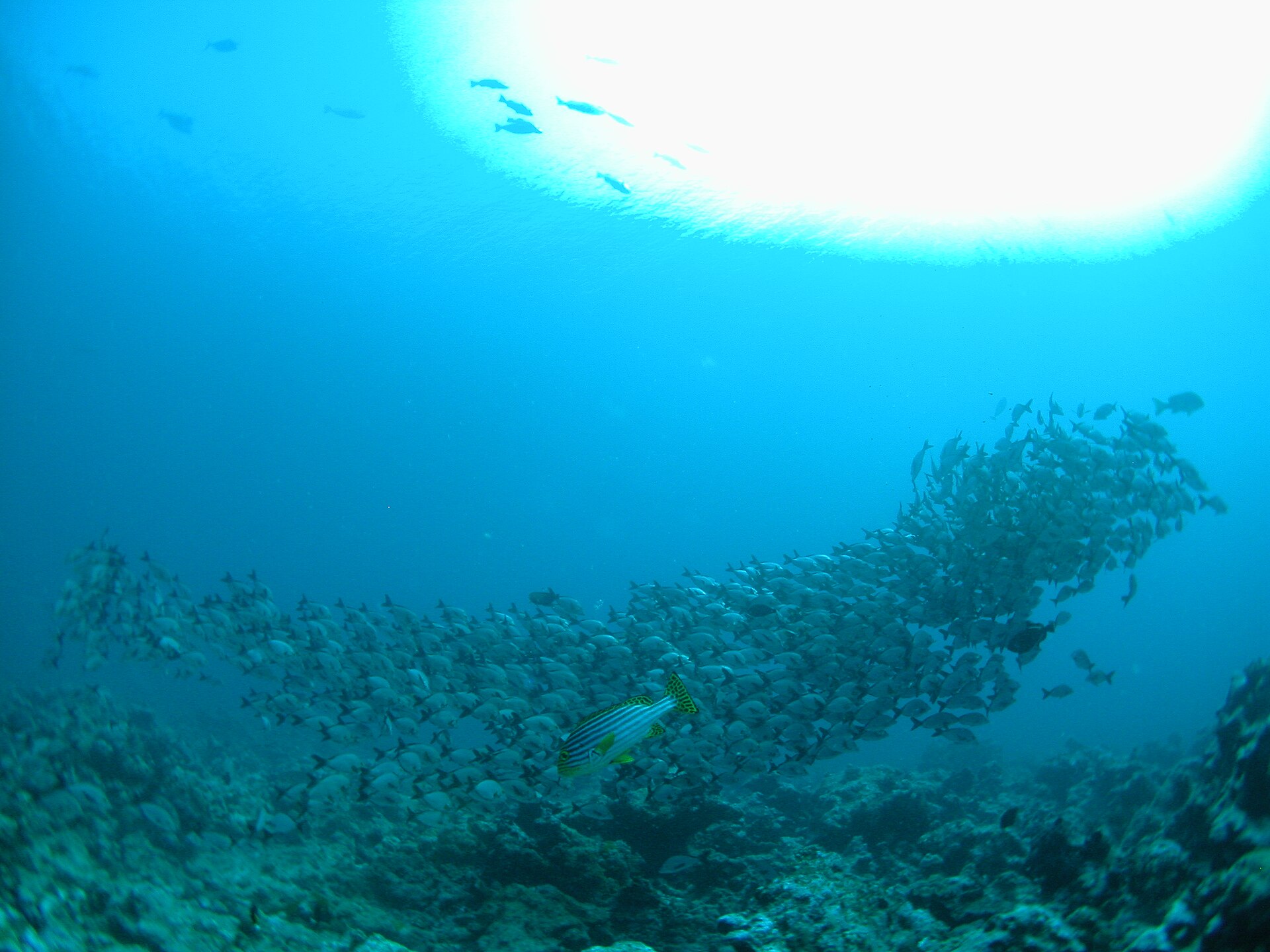
What will you see at Kuda Rah Thila?
Kuda Rah Thila is a reef fish site before it is a shark site. Oriental sweetlips, striped black and yellow, gather by the dozen under the overhangs, motionless in the current, while bluestripe snappers and yellowback fusiliers wrap the main block in tight schools. A resident Napoleon wrasse circles the coral heads, groupers and leaf scorpionfish hide in the clefts, and hawksbill turtles graze on the top among the soft corals and sea fans. In the flow, gray reef sharks patrol the edge of the block, whitetips rest on the sand, dogtooth tuna and giant trevallies hunt off the arch, and eagle rays cross the channel.
| Species | J | F | M | A | M | J | J | A | S | O | N | D | Note |
|---|---|---|---|---|---|---|---|---|---|---|---|---|---|
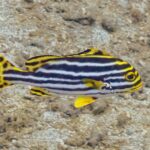 Oriental sweetlips | peak season | peak season | peak season | peak season | peak season | peak season | peak season | peak season | peak season | peak season | peak season | peak season | in groups under the overhangs, motionless |
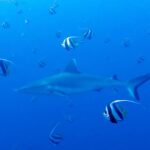 Gray reef shark | peak season | peak season | peak season | peak season | peak season | peak season | peak season | peak season | peak season | peak season | peak season | peak season | at the edge of the block, facing the current |
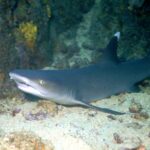 Whitetip reef shark | peak season | peak season | peak season | peak season | peak season | peak season | peak season | peak season | peak season | peak season | peak season | peak season | resting on the sand and under the overhangs |
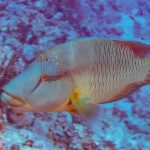 Napoleon wrasse | peak season | peak season | peak season | peak season | peak season | peak season | peak season | peak season | peak season | peak season | peak season | peak season | resident, around the coral heads |
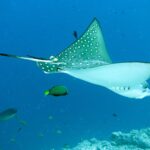 Spotted eagle ray | possible | possible | possible | possible | possible | possible | possible | possible | possible | possible | possible | possible | passing through the channel |
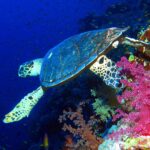 Hawksbill turtle | possible | possible | possible | possible | possible | possible | possible | possible | possible | possible | possible | possible | on the top, among the soft corals |
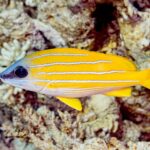 Bluestripe snapper | peak season | peak season | peak season | peak season | peak season | peak season | peak season | peak season | peak season | peak season | peak season | peak season | in tight schools around the main block |
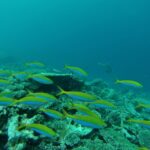 Fusiliers | peak season | peak season | peak season | peak season | peak season | peak season | peak season | peak season | peak season | peak season | peak season | peak season | in tight schools around the main block |
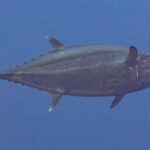 Dogtooth tuna | peak season | peak season | peak season | peak season | peak season | peak season | peak season | peak season | peak season | peak season | peak season | peak season | hunting in the current, off the arch |
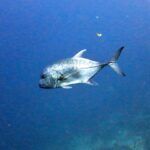 Giant trevally | peak season | peak season | peak season | peak season | peak season | peak season | peak season | peak season | peak season | peak season | peak season | peak season | hunting in the current, off the arch |
| Groupers and leaf scorpionfish | peak season | peak season | peak season | peak season | peak season | peak season | peak season | peak season | peak season | peak season | peak season | peak season | in the clefts and under the sea fans |
peak seasonpossiblerare
What is diving like at Kuda Rah Thila?
The site is a small oval block sitting in the channel, one kilometer from Kudarah island: one main coral head and two smaller ones, a top between 12 and 16 meters, steep sides cut with clefts, overhangs and swim-throughs, and the sand at 30 meters, the legal limit. On the west side there is an arch and swim-throughs; on the east side, a large overhang at around 24 meters lined with sea fans; and more sea fans on the northern slopes. Current defines the site. Moderate to strong and swirling, especially along the eastern slope, it calls for a fast descent, a circuit of the block with the flow and an ascent in open water under a surface marker buoy. Visibility ranges from 20 to 40 meters, best from December to April. Advanced required.
When to dive Kuda Rah Thila?
idealgoodnot recommended
You can dive the thila all year. The northeast season, from December to April, brings the calmest seas and the best visibility, 30 to 40 meters. It is also when the whale sharks of the nearby protected area stay along the west and south sides of the atoll. From May to November, the southwest wind raises a swell, plankton cuts visibility to 20 meters and the tidal currents in the Dhigurah channel get stronger, which makes the dive more demanding; the filter feeders then move closer to Dhigurah. Surface water is 28 °C from December to February and rises to 30 °C in April; at depth, cold upwellings drop to 26 °C.
How to get to Kuda Rah Thila?
The thila is in the Dhigurah channel, in the southeast of Ari Atoll, less than 4 kilometers north of the local island of Dhigurah and 50 minutes by boat from the Vilamendhoo resort. From Dhigurah, Island Divers sells a two-dive trip for US$120, and Fari Dive Center a package of three nights and five dives, with accommodation and transfers included, for US$771, at 2026 prices; single dives on the island run around US$50 to US$60. At Vilamendhoo, the Euro-Divers price list of July 1, 2025 shows US$60 a dive and US$21 for the boat trip before taxes, US$77 and US$27 with the 10% service charge and 17% TGST, and US$520 for a ten-dive package, US$669 with taxes. South Ari liveaboards stop there too. Dhigurah is reached from Malé by public speedboat in two to two and a half hours, for US$66 to US$70.
Stay in Dhigurah
Where to find a dive guide in Kuda Rah Thila?
Guided tours you can book online, ranked by number of reviews. These are affiliate links: if you book, you support us at no extra cost.

 Viator
Small Group Diving experience in Caribbean
5.0 (165 reviews)View and book Viator
2 Tank (1 Day) Guided Diving for Certified Divers - Denarau Marina
4.8 (24 reviews)View and bookWhere to stay near Kuda Rah Thila?
Hotels, apartments and rooms around Dhigurah, with current prices.
What is Kuda Rah Thila, the small block in the Dhigurah channel?
Kuda Rah Thila, listed as Kudarah Thila in official records, takes its name from Kudarah island, one kilometer away. It is a compact, oval coral block rising from the sand of the Dhigurah channel, in the southeast of Ari Atoll: one main head and two smaller ones, a top between 12 and 16 meters, and steep sides split by clefts, overhangs, caves and swim-throughs. Because it sits across a channel, it takes the tidal current head-on, and that current feeds the sea fans on the overhangs, the soft corals on the top and the schools around it. On September 27, 1995, the government listed it among the country's first fifteen protected dive sites, over 269 hectares.
What will you see on the overhangs and arch of Kuda Rah Thila?
The dive circles the block between 20 and 25 meters. On the east side, a large overhang at around 24 meters is lined with sea fans, with oriental sweetlips lined up beneath and bluestripe snappers in a cloud in front; the northern slopes carry more fans. On the west side, an arch and swim-throughs cut through the reef, to be taken only when there is no current. On the top you find soft corals, anemones, turtles and the Napoleon wrasse. In the blue, off the corners, gray reef sharks, dogtooth tuna and giant trevallies work the schools of fusiliers, and eagle rays pass through the channel. Photographers come back at slack water, when you can stop under the overhangs.
How do you handle the swirling current at Kuda Rah Thila?
The flow crossing the channel wraps around the block and creates eddies, especially along the eastern slope. So the dive is built like on the other thilas of the Maldives: an upcurrent entry, a fast descent along the sheltered side, a fixed position at the edge of the block at 15 or 20 meters to watch the blue, then a circuit of the reef with the current, overhangs and arch included, and an ascent in open water under a surface marker buoy. Stay above 30 meters, the legal limit, do not force the arch when the current runs through it, and set your reef hook on dead coral, never on a sea fan. Dive centers require Advanced Open Water.
Should you dive Kuda Rah Thila from Dhigurah or from a resort?
Dhigurah is the closest local island, less than 4 kilometers away, with several dive centers, guesthouses and the whale shark outer reef on its doorstep. It is the budget base for South Ari, with a green tax of US$6 a night. Vilamendhoo, a resort island 50 minutes away by boat, puts the site on its Euro-Divers program, and the other South Ari resorts do the same. Liveaboards out of Malé stop there on the South Ari route, often on the same day as the outer reef of Maamigili or Dhigurah for the whale sharks.
Our tip
To photograph the sweetlips, dive at slack water, when the current eases. Circle the block at 20 or 25 meters along the overhangs, and save the arch for the end. A reef hook set on dead coral, never on a sea fan, will hold you in place.
Other dive sites nearby
 MaldivesPelagic
South Ari Atoll (Maamigili)
Ari and Rasdhoo atolls MaldivesReef
Fish Head (Mushimasmingili Thila)
Ari and Rasdhoo atolls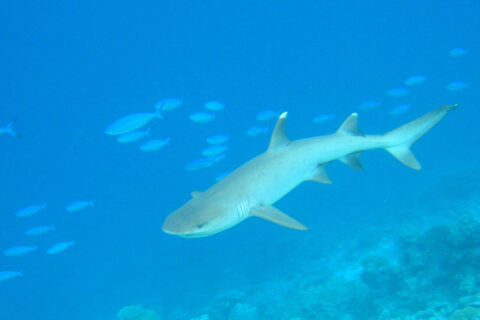 MaldivesReef