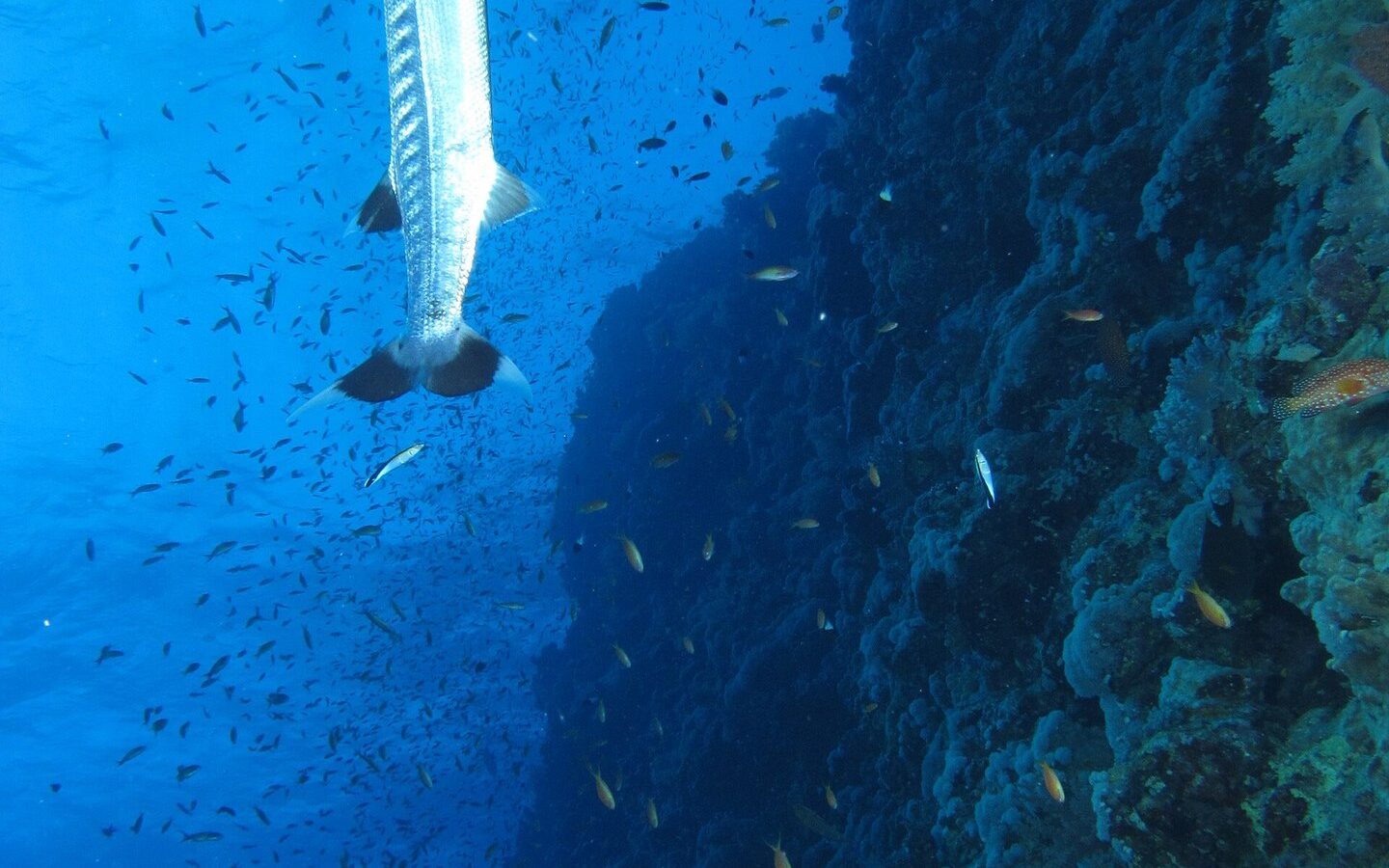
The great barracuda is a streamlined predator, 1.40 meters on average and up to 2 meters, that hunts by ambush. It sometimes follows divers out of curiosity. You find it in almost every tropical sea, the Red Sea included.
Where to dive to see the great barracuda?
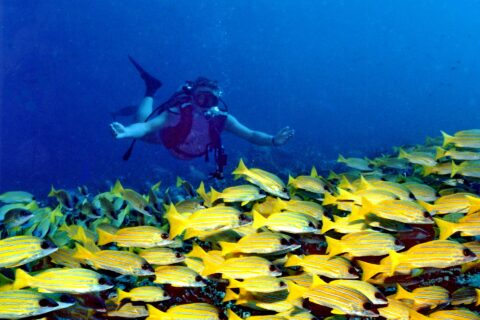
 MaldivesReef
Banana Reef
Malé atollsCan be seen all year round: hunting in the current, with giant trevallies
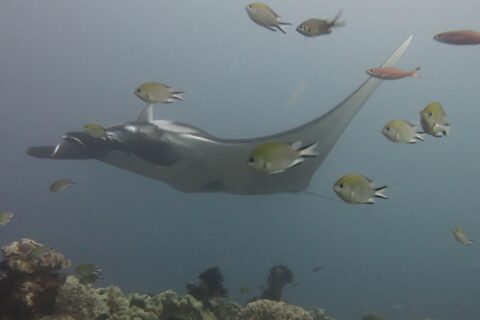
 IndonesiaPelagic
Blue Magic
Raja AmpatPeak season from October to April: a school of yellowtail and chevron barracuda at the edge of the pinnacle
 IndonesiaReef
Bunaken, Lekuan walls
Sulawesi: Bunaken and LembehPeak season all year round: solitary in the blue, plus schools of Heller's barracuda on Lekuan 3
 IndonesiaReef
Cape Kri
Raja AmpatPeak season from October to April: a school of chevron barracuda in the current off the point, with loners out in the blue
 IndonesiaPelagic
Castle Rock
KomodoPeak season all year round: loners in the blue, near the trevally tornadoes
 ThailandPelagic
Chumphon Pinnacle
Gulf of Thailand: Koh TaoPeak season from January to October: lone great barracudas around the schools of chevron barracudas
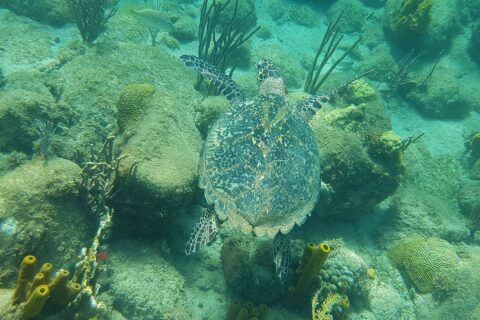
 FranceReef
Cousteau Reserve (Pigeon Islands)
French West Indies: Guadeloupe and MartiniqueCan be seen all year round: on the Coral Garden wall and at Pointe Barracuda
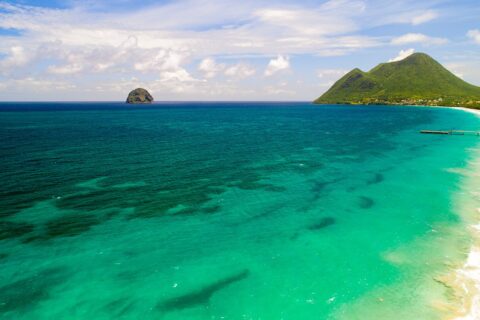 FrancePelagic
Diamond Rock
French West Indies: Guadeloupe and MartiniqueCan be seen all year round: in the current, off the east and south faces
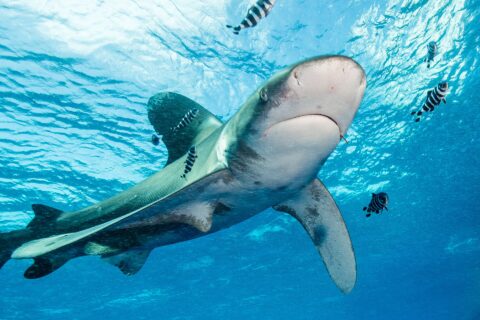
 EgyptPelagic
Elphinstone Reef
Southern Red Sea, EgyptCan be seen all year round: alone at cleaning stations or schooling in the blue
 TanzaniaPass
Fundu Gap
PembaCan be seen all year round: schooling in the current, at the mouth of the channel
 EgyptReef
Giftun Islands
Central Red Sea, EgyptPeak season from May to October: in the blue along the Small Giftun wall, with snappers and trevallies
 ThailandPelagic
Hin Daeng and Hin Muang
Andaman Sea: Similan, Surin and LantaPeak season from November to May: schooling in the blue, along the walls
 TanzaniaPass
Kinasi Pass
Mafia IslandPeak season all year round: in a tight school in the current, above the deep wall
 ThailandPelagic
Koh Tachai Pinnacle
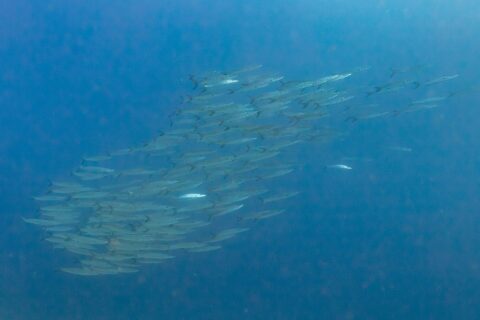
Andaman Sea: Similan, Surin and LantaPeak season from October to May: tight schools spinning in a vortex above the top, large loners at the edge of the boulders
 TanzaniaPelagic
Leven Bank
ZanzibarCan be seen all year round: schooling at the edge of the plateau, in the current
 IndonesiaPelagic
Magic Mountain (Misool)
Raja AmpatPeak season from October to April: a school of barracuda in the current, on the slope, with fusiliers and surgeonfish
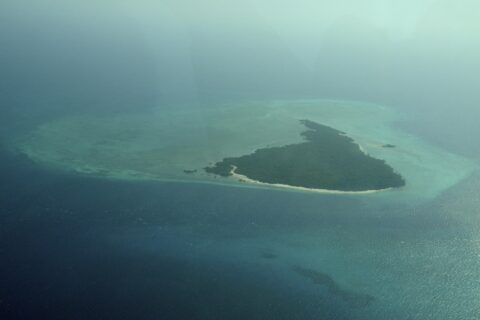 TanzaniaReef
Misali Island
PembaCan be seen all year round: alone or in small schools at the edge of the drop-off
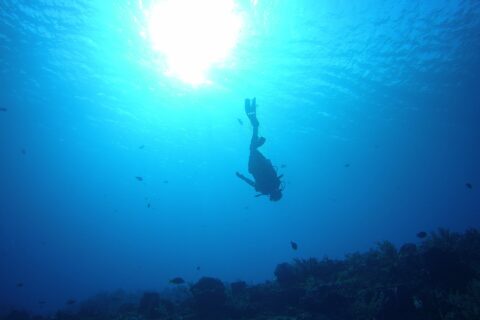
 MexicoReef
Palancar Reef
Yucatán and the Caribbean: Cozumel, cenotes, Playa del CarmenCan be seen all year round: hanging still in the blue above the pinnacles
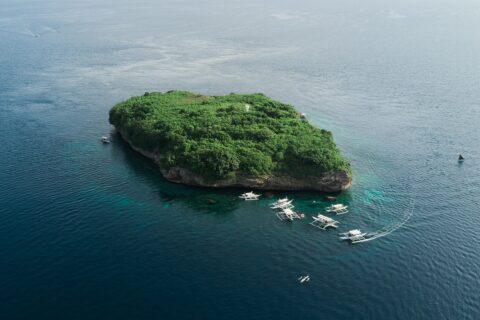
 PhilippinesReef
Pescador Island
Visayas: Cebu, Bohol and NegrosCan be seen all year round: schooling in the blue, especially early in the morning
 ThailandPelagic
Richelieu Rock
Andaman Sea: Similan, Surin and LantaPeak season from October to May: lone great barracudas and tight schools of chevron barracudas around the top
 ThailandPelagic
Sail Rock
Gulf of Thailand: Koh TaoPeak season from January to October: alone on the edges of the chevron barracuda schools
 MexicoWall
Santa Rosa Wall
Yucatán and the Caribbean: Cozumel, cenotes, Playa del CarmenCan be seen all year round: in the blue, along the wall
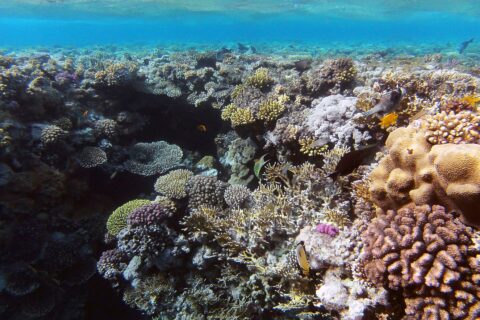 EgyptReef
Shark and Yolanda Reef, Ras Mohammed
Northern Red Sea, EgyptPeak season from May to October: in a tight school above the saddle, from May to October
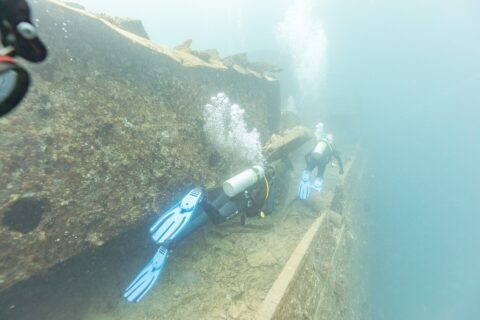 EgyptWreck
SS Thistlegorm
Northern Red Sea, EgyptPeak season from April to November: schooling above the bridge, densest from April to November
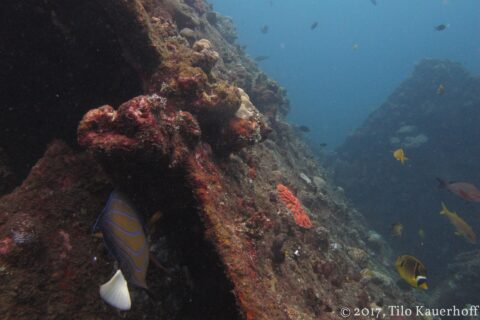 IndonesiaShore dive
USAT Liberty wreck
Bali and Nusa PenidaCan be seen all year round: loners hanging motionless above the deck
How do you identify a great barracuda?
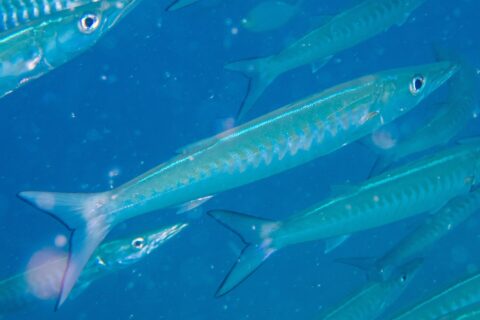
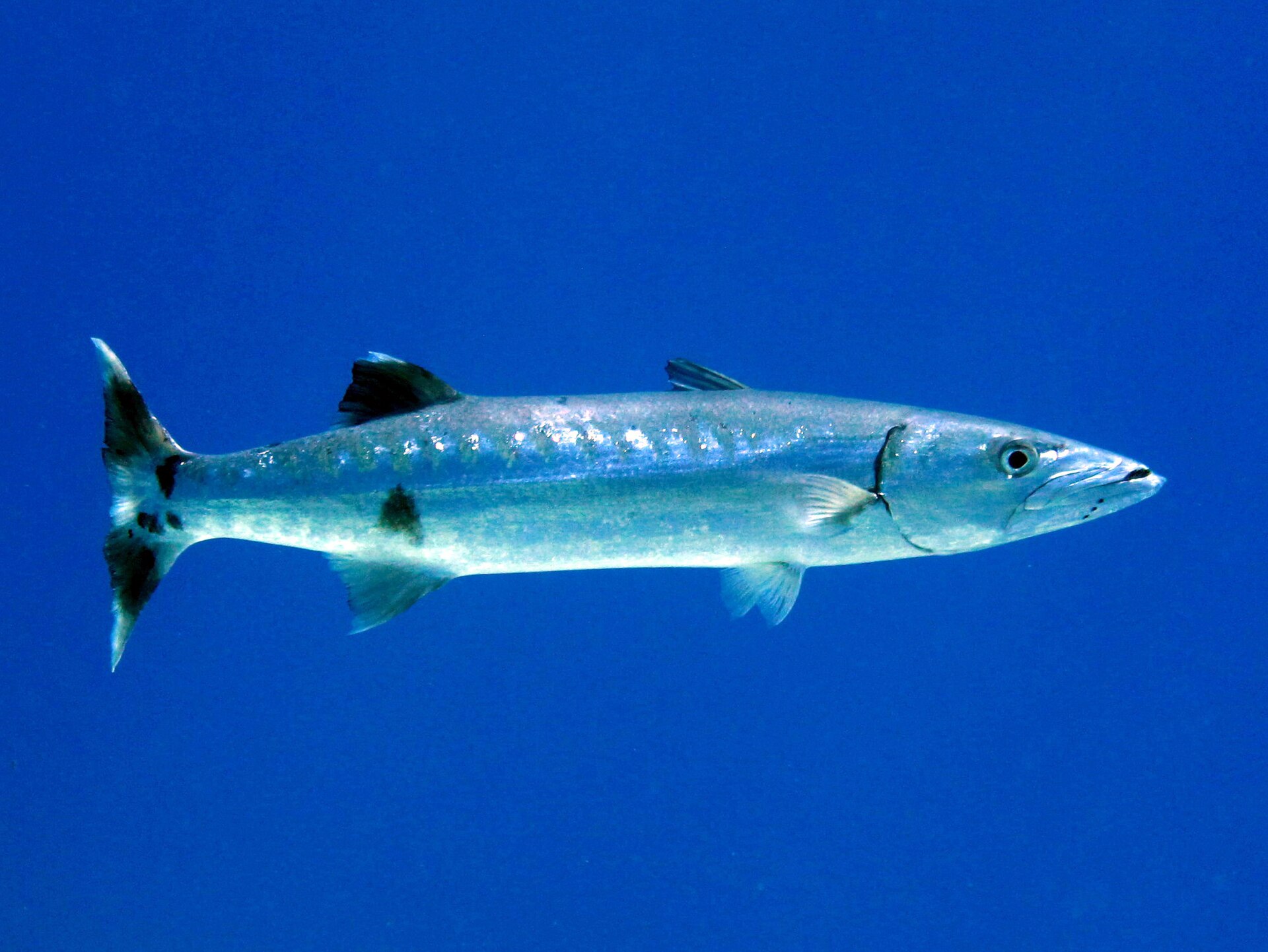
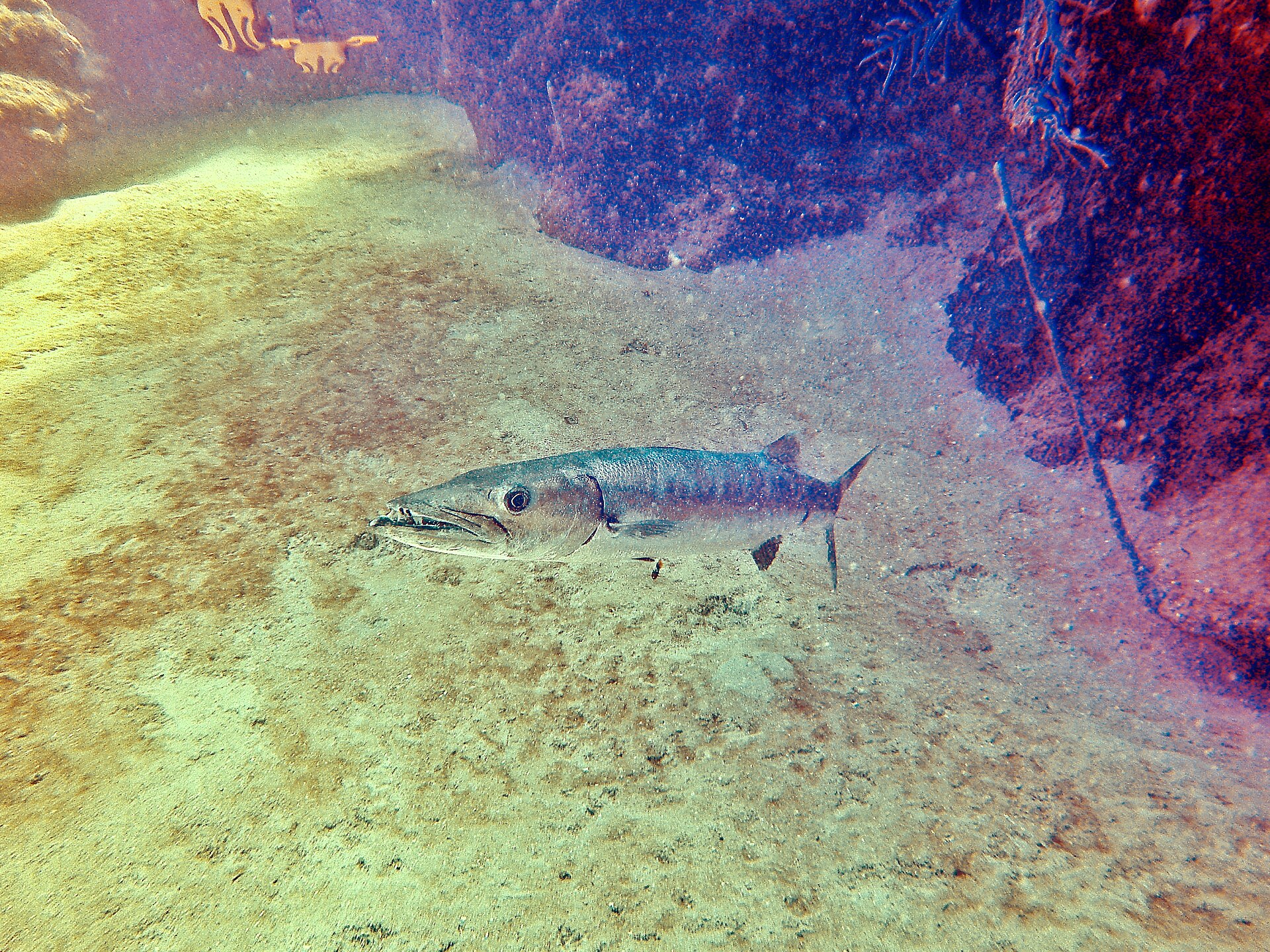
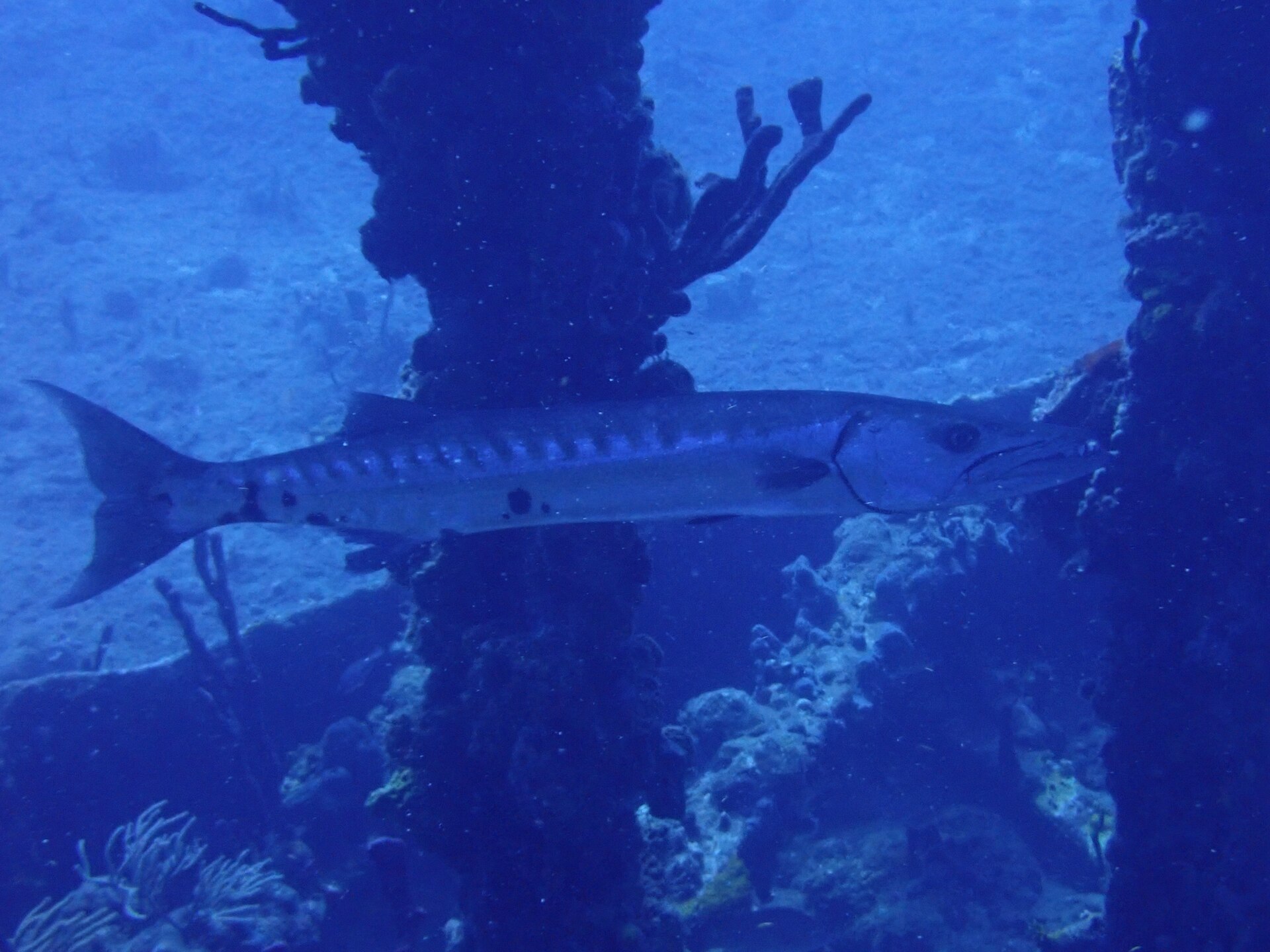
Long body, prominent lower jaw, fang-like teeth: the great barracuda looks like nothing else. Its two dorsal fins are widely spaced, the flanks carry a few black spots and the tips of the rear fins are white. It averages 1.40 meters and can reach 2 meters and 50 kilos.
Great barracuda in pictures
Where does the great barracuda live?
You find it in almost all tropical and subtropical seas, except the eastern Pacific, from the surface to about thirty meters, sometimes down to 100 meters. Juveniles frequent reefs and estuaries, in schools; adults live mostly alone, also in open water. Since the late 1970s, it has colonized the northern Mediterranean, from the Gulf of Genoa to the Esterel.
Is the great barracuda dangerous?
The great barracuda hunts fish and cephalopods by ambush, with a short burst of speed that reaches 60 km/h. It is curious and sometimes follows divers, and more often spearfishers, drawn by their catch. Incidents are extremely rare: its jaw is weak and its teeth fragile, although a large one can inflict a wound. Don't bother it and don't feed it.
Our tip
Is it following you? That's curiosity. Keep your distance, don't try to touch or feed it, and let it go: it isn't built to go after a diver.