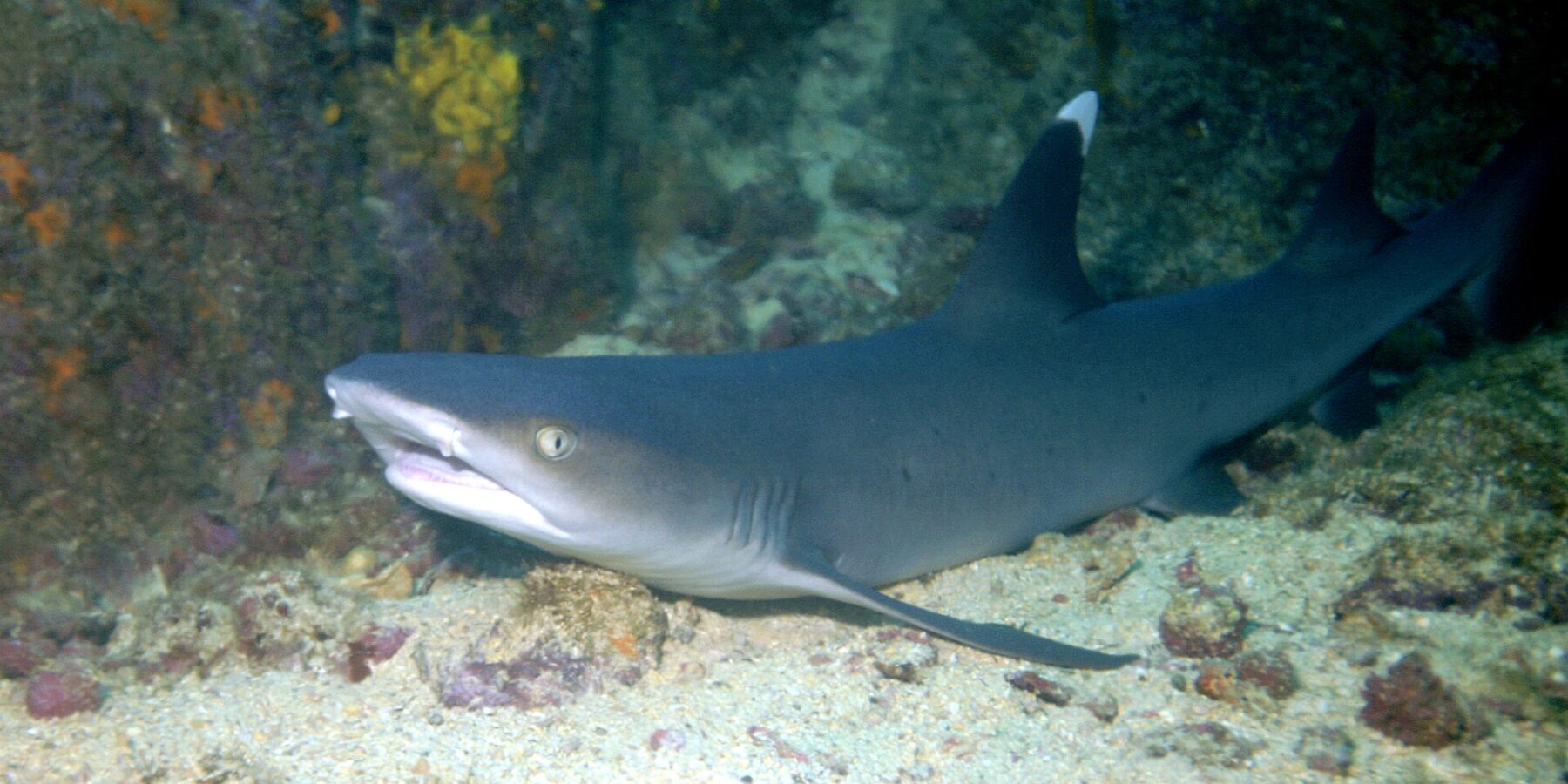
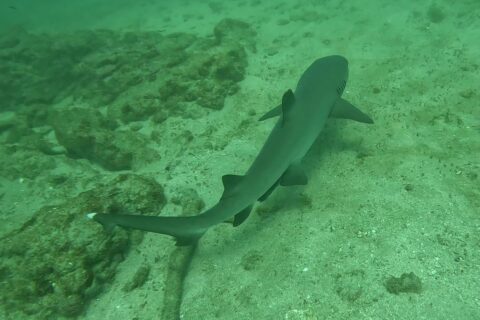
The whitetip reef shark rarely exceeds 1.60 meters and lives in caves; you recognize it by the white tips of its dorsal fin and tail. It sleeps on the sand by day and hunts at night, from the Red Sea to the Maldives and from Komodo to Cocos Island; a harmless homebody, it is listed as Vulnerable.
Where to dive to see the whitetip reef shark?
 PhilippinesReef
Apo Island
Visayas: Cebu, Bohol and NegrosCan be seen all year round: at Mamsa Point and Rock Point
 Costa RicaPelagic
Bajo Alcyone
Cocos IslandPeak season all year round: resting on the summit, between the boulders
 Costa RicaCave or cenote
Caño Island
South Pacific: Osa and Caño IslandPeak season all year round: about ten resting in the Cueva del Tiburón, at 14 meters, year-round
 IndonesiaPelagic
Castle Rock
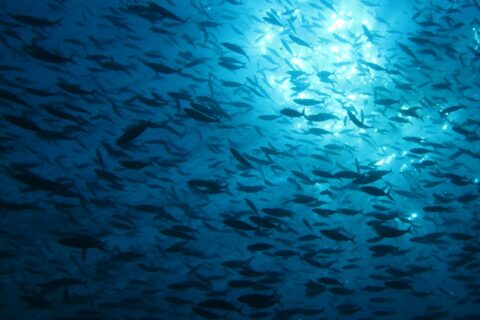
KomodoPeak season all year round: whitetips almost guaranteed on every dive, on the deep flanks
 EgyptPelagic
Daedalus Reef
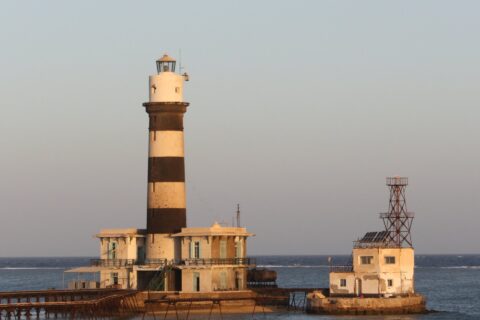
Southern Red Sea, EgyptCan be seen all year round: one of the eight species recorded on the reef
 Costa RicaPelagic
Dirty Rock
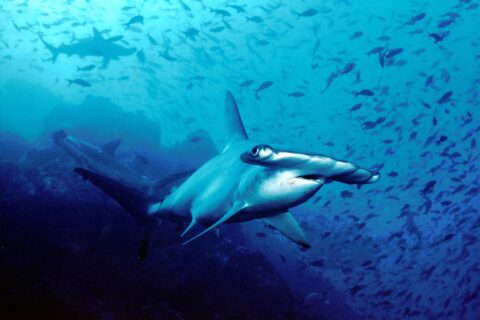
Cocos IslandPeak season all year round: resting between the boulders at the foot of the walls
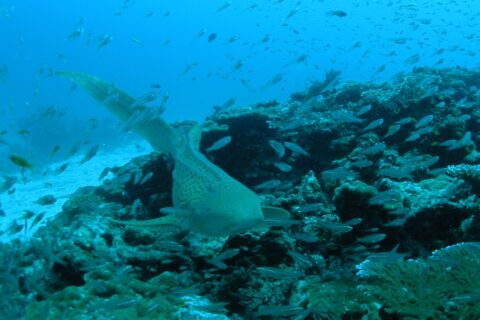
 ThailandReef
Elephant Head Rock
Andaman Sea: Similan, Surin and LantaPeak season from October to May: under the boulders and in the canyons, the highlight of the site
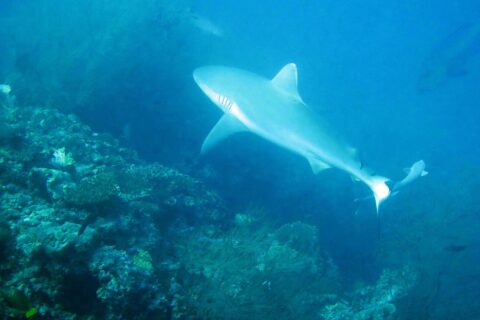
 MaldivesReef
Fish Head (Mushimasmingili Thila)
Ari and Rasdhoo atollsPeak season all year round: under the overhangs and on the sand at the foot of the thila
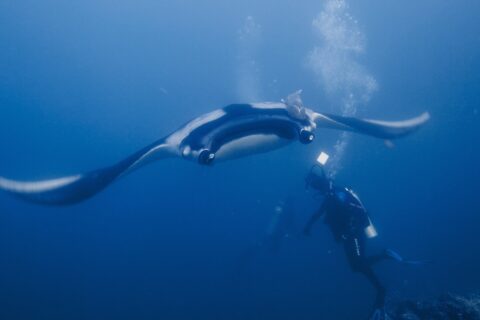 Costa RicaReef
Islas Catalinas
Guanacaste and the North PacificPeak season all year round: under the overhangs, year-round
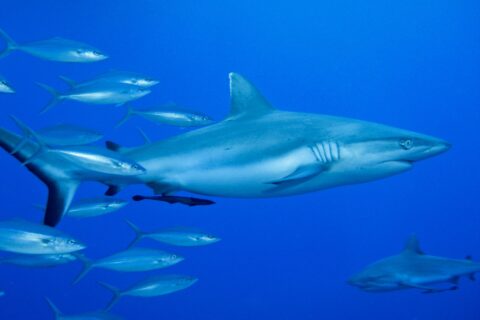 MaldivesPelagic
Kandooma Thila
Malé atollsPeak season all year round: with the gray reef sharks in the current and under the overhangs
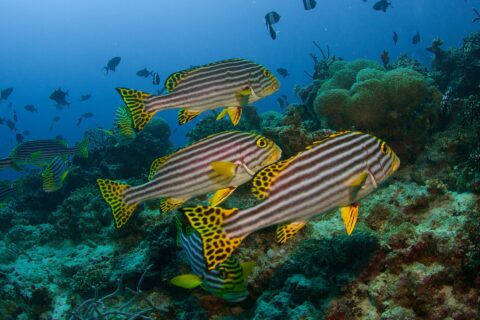 MaldivesReef
Kuda Rah Thila
Ari and Rasdhoo atollsPeak season all year round: resting on the sand and under the overhangs
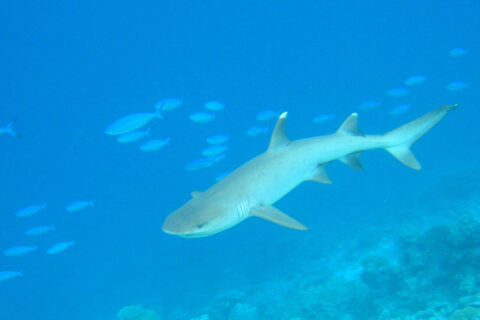 MaldivesReef
Maaya Thila
Ari and Rasdhoo atollsPeak season all year round: 20 to 30 hunting on the plateau at night, resting under the overhangs by day
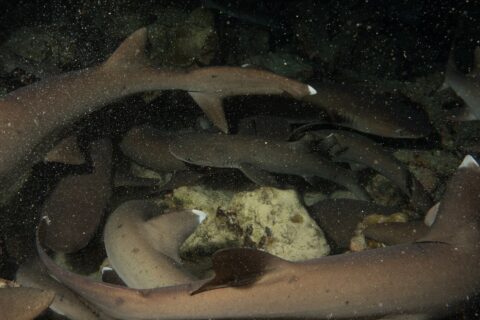 Costa RicaPelagic
Manuelita
Cocos IslandPeak season all year round: by the dozens, resting by day, hunting at night, year-round
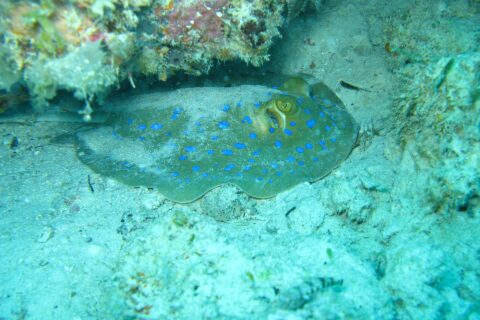
 TanzaniaReef
Mnemba Atoll
ZanzibarCan be seen all year round: on the deeper parts of the reef
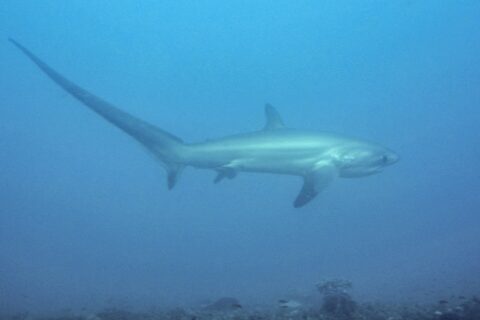 PhilippinesPelagic
Monad Shoal and Kimud Shoal
Visayas: Cebu, Bohol and NegrosPeak season all year round: asleep in the caves of Gato Island
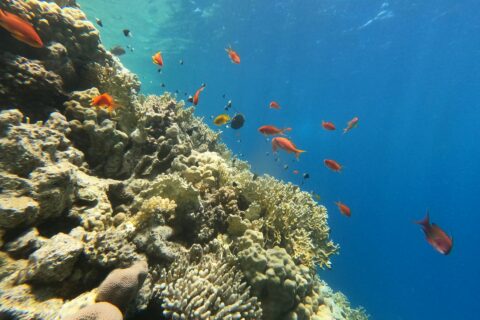 EgyptReef
Panorama Reef
Central Red Sea, EgyptCan be seen all year round: sometimes at the edge of the north plateau
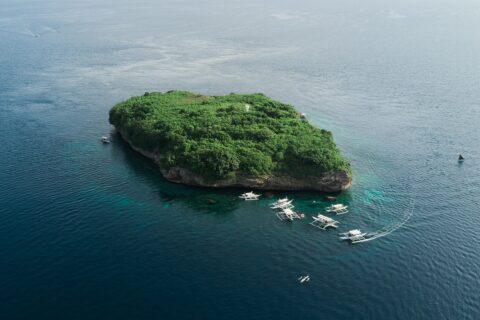 PhilippinesReef
Pescador Island
Visayas: Cebu, Bohol and NegrosCan be seen all year round: on the deeper parts of the wall
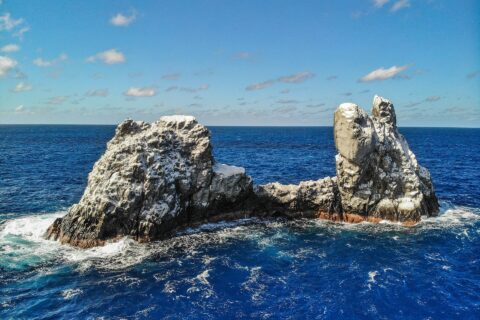
 MexicoPelagic
Roca Partida
Revillagigedo Islands (Socorro)Peak season from November to June: piled up by the dozens in the niches of the east face, where they sleep during the day
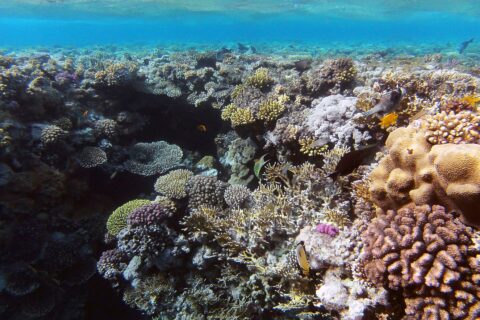 EgyptReef
Shark and Yolanda Reef, Ras Mohammed
Northern Red Sea, EgyptCan be seen all year round: in the blue off Shark Reef, never guaranteed, mostly in the fall
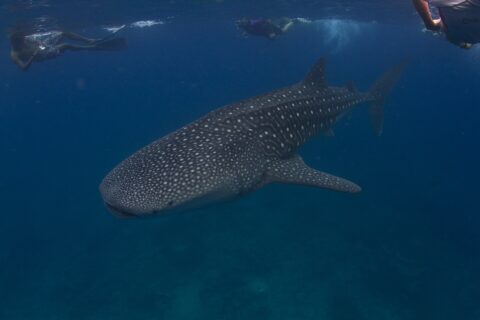 MaldivesPelagic
South Ari Atoll (Maamigili)
Ari and Rasdhoo atollsPeak season all year round: resting on the outer wall
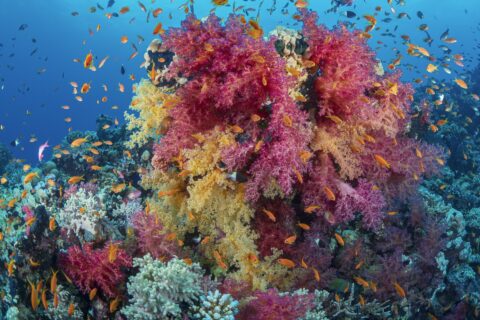 EgyptCave or cenote
St. John's and Fury Shoals
Southern Red Sea, EgyptCan be seen all year round: under the overhangs of the gotas
How do you identify a whitetip reef shark?
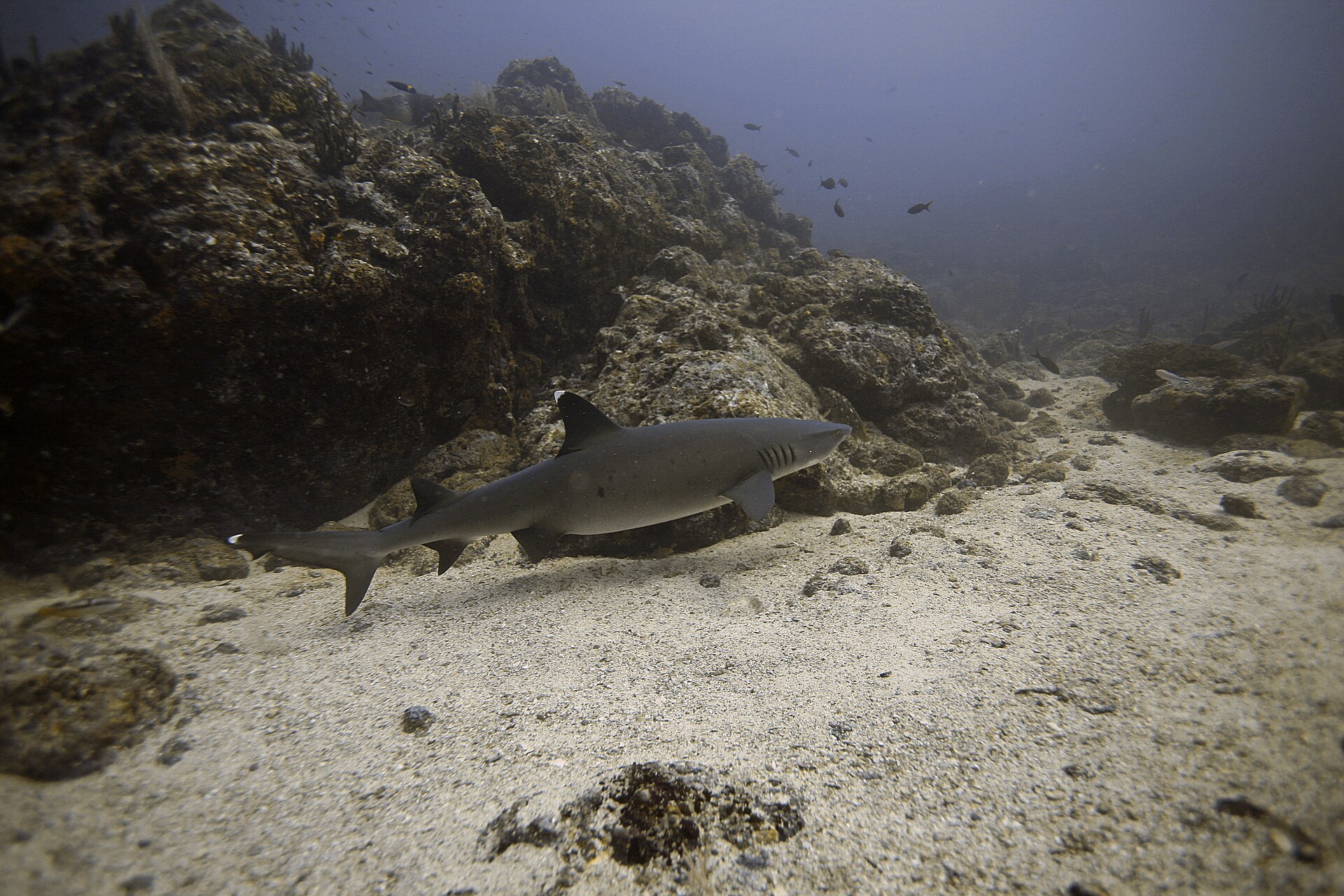
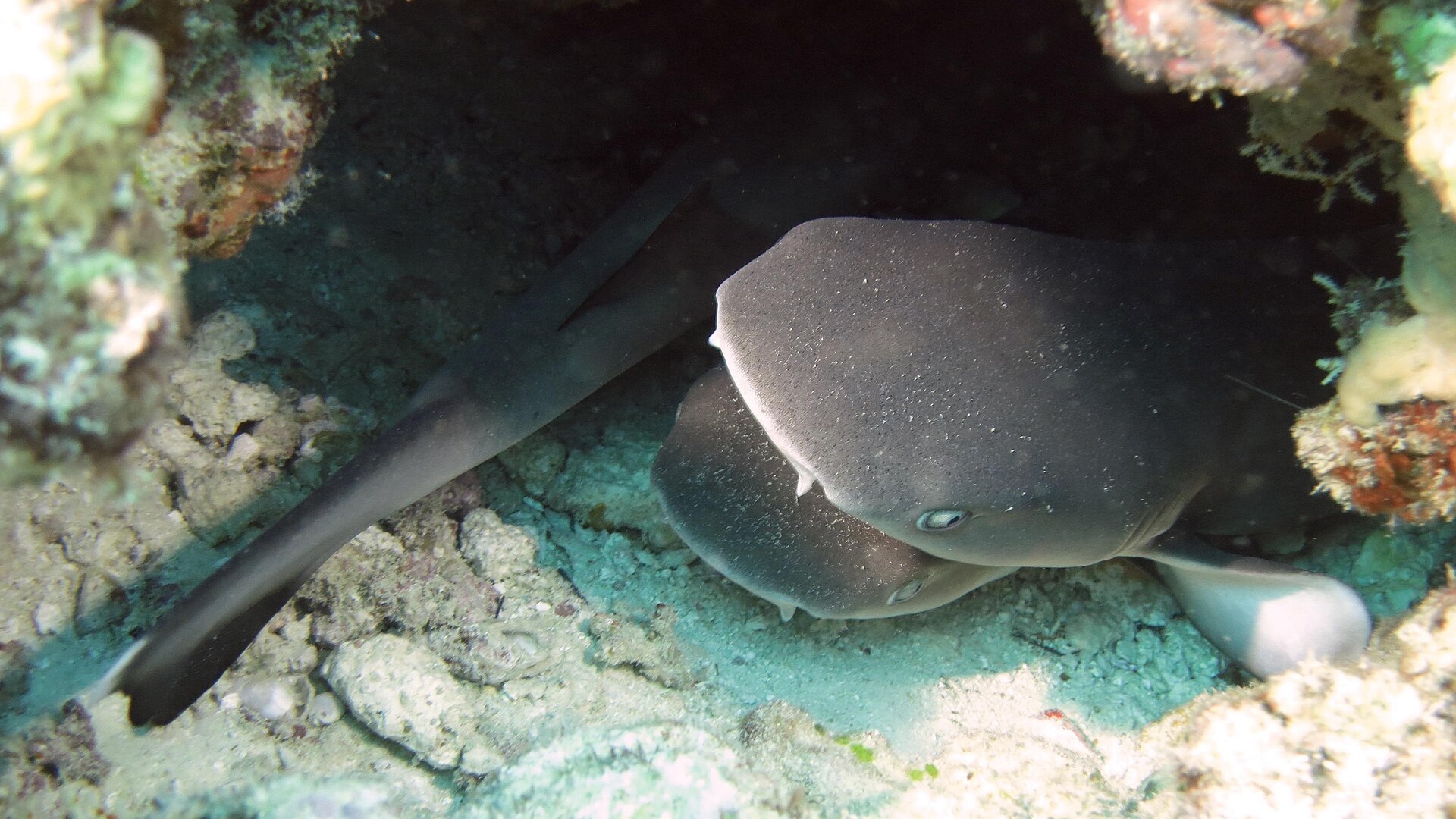
The whitetip reef shark, also called the reef whitetip or blunthead shark, is a small, slender shark: few individuals exceed 1.60 meters, and the known maximum is 2.10 meters and 18 kg. The back is gray to brown, sometimes dotted with small dark spots, and the belly white. The tips of the first dorsal fin and of the upper tail lobe are bright white, and they are how you recognize it from afar. The head is short, broad and flat, with a rounded snout, a large flap of skin rolled into a tube in front of each nostril, and small oval eyes. The teeth are small, each with a narrow cusp flanked by two shorter ones, in 42 to 50 rows in the upper jaw. Its supple body lets it slip into cracks in the coral without getting hurt. Do not confuse it with the oceanic whitetip, a large open-ocean shark with long, rounded fins edged in white.
Whitetip reef shark in pictures
How does the whitetip reef shark live?
It is the quintessential coral reef shark, found from the Red Sea and East Africa across Southeast Asia, northern Australia and the Pacific atolls to Hawaii, and in the eastern Pacific, from Costa Rica to the Galápagos. It lives almost only on the reef, most often between 8 and 40 meters. By day, it rests in a cave or under an overhang, alone or with others, lying on the sand: it does not need to swim to breathe, because it pumps water over its gills. At night it hunts, often in groups, searching the holes of the reef for bony fish, octopus, spiny lobsters and crabs, and it can go six weeks without eating. It is a homebody: most tracked individuals stay within three kilometers in a year, and the same shark can occupy the same cave for months, even years. The species is viviparous: after 10 to 13 months of gestation, the female gives birth to 1 to 6 pups, usually two or three, 52 to 60 centimeters long. It matures at about 1.10 meters and 8 or 9 years, and it can live more than 25 years.
Where and when can you see whitetip reef sharks?
It is one of the easiest sharks to see on our dive sites, and always the same way: resting under an overhang by day, hunting at night. In the Maldives, it is there all year, resting on the sand and under the overhangs of Kuda Rah Thila, at the foot of Fish Head and on the outer wall of South Ari Atoll, and with the gray reef sharks in the current at Kandooma Thila; at Maaya Thila, 20 to 30 of them hunt on the plateau at night. In Thailand, the boulders and canyons of Elephant Head Rock make it the highlight of the site, from October to May. In Komodo, Castle Rock almost guarantees it on every dive, on its deep flanks. In the Philippines, you find it asleep in the caves of Gato Island, near Monad Shoal, on the deep parts of the Pescador wall and at Apo Island, at Mamsa Point and Rock Point. In the Red Sea, it is more discreet: sometimes on the edge of the north plateau of Panorama Reef, under the overhangs of the gotas at St. John's, and among the eight shark species recorded at Daedalus. At Mnemba Atoll, in Tanzania, it shows up on the deep parts of the reef. In the eastern Pacific, it is abundant: dozens at Manuelita, at Cocos, resting by day and hunting at night; lying between the boulders of Dirty Rock and Bajo Alcyone; about ten in the Cueva del Tiburón at Caño Island, at 14 meters; under the overhangs of the Islas Catalinas, all year round. At Roca Partida, from November to June, the sharks sleep piled up by the dozen in the niches of the east face, and from November to May they patrol around the El Boiler pinnacle with Galapagos sharks.
Is the whitetip reef shark threatened?
The whitetip reef shark has been listed as Vulnerable on the IUCN Red List since 2020: its populations are declining under growing fishing pressure that is almost never regulated, and it is often killed for its fins alone, the body thrown back into the sea. With divers, it is fearless and curious, but rarely aggressive: the few known bites mostly targeted spearfishers whose catch it tried to steal, or came from sharks that had been touched or cornered in their cave. So watch it from the side, at a distance, without cutting off its exit or touching it, and skip feeding, which conditions it to come into contact with hands.
Our tip
Approach its cave slowly, from the side, with no light in its eyes and no bubbles above it: it stays as long as you do not corner it. Never block its exit and do not touch it, even asleep: the rare known bites were responses to provocation. On a night dive, watch it hunt from a distance and keep your hands close to your body: sharks hunting in a group search the reef without caring what sticks out.