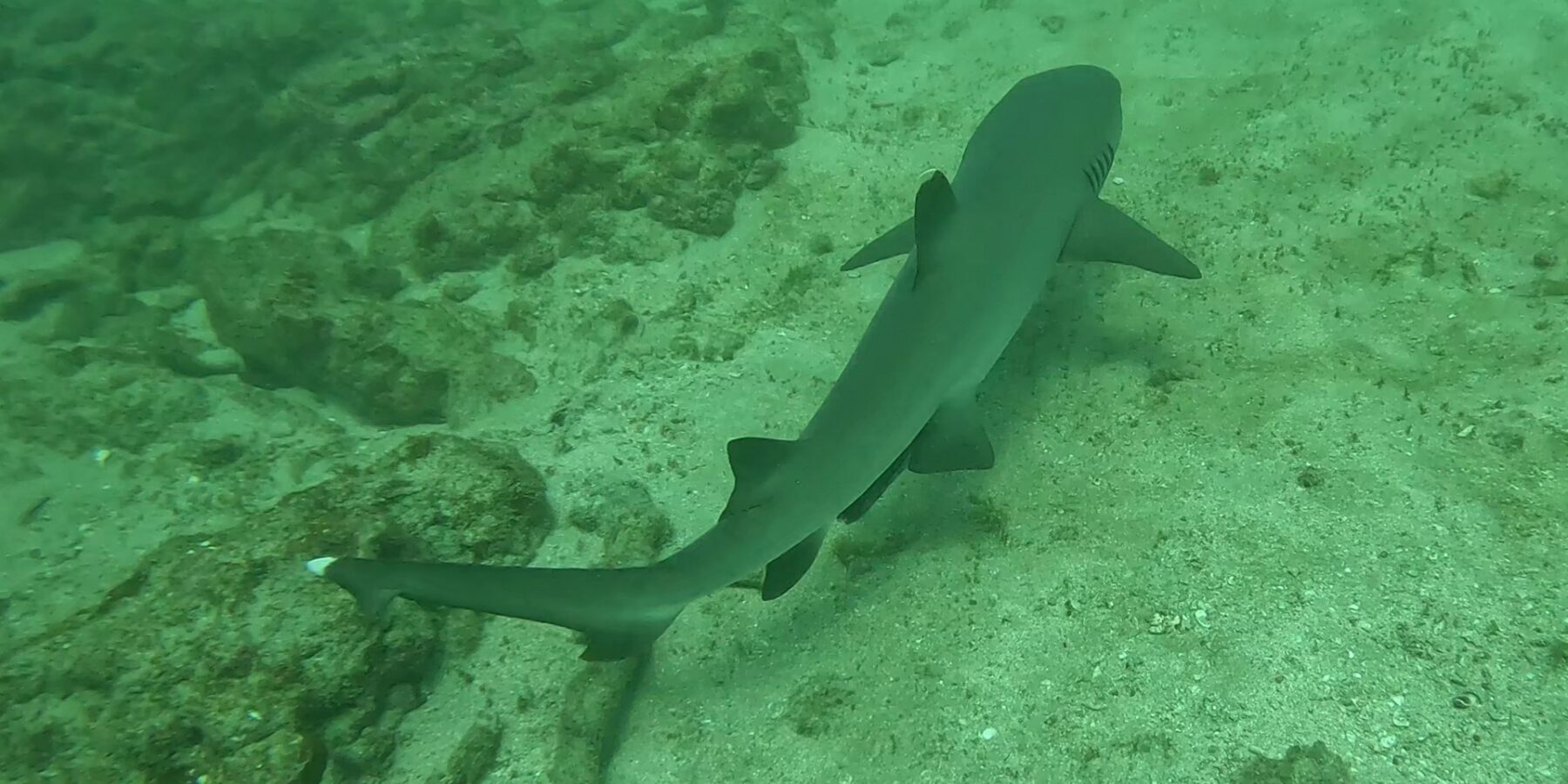
Caño Island is a biological reserve 16 kilometers off the Osa Peninsula, closed to fishing since 1976. Its seven sites, five of them open to Open Water divers, offer a whitetip shark cave, coral gardens and schools of jacks. Boats leave from Drake Bay or Uvita.
Why dive Caño Island?
- The most accessible diving in Costa Rica: Open Water is enough on five of the seven sites, between 12 and 20 meters
- The Cueva del Tiburón, a cave at 14 meters where about ten whitetip sharks sleep
- Bajo del Diablo, a pinnacle from 5 to 45 meters in the current, for experienced divers
- A biological reserve closed to fishing since 1976, with its pre-Columbian stone spheres
- Dolphins on the way out and humpback whales twice a year
Caño Island in pictures
What will you see at Caño Island?
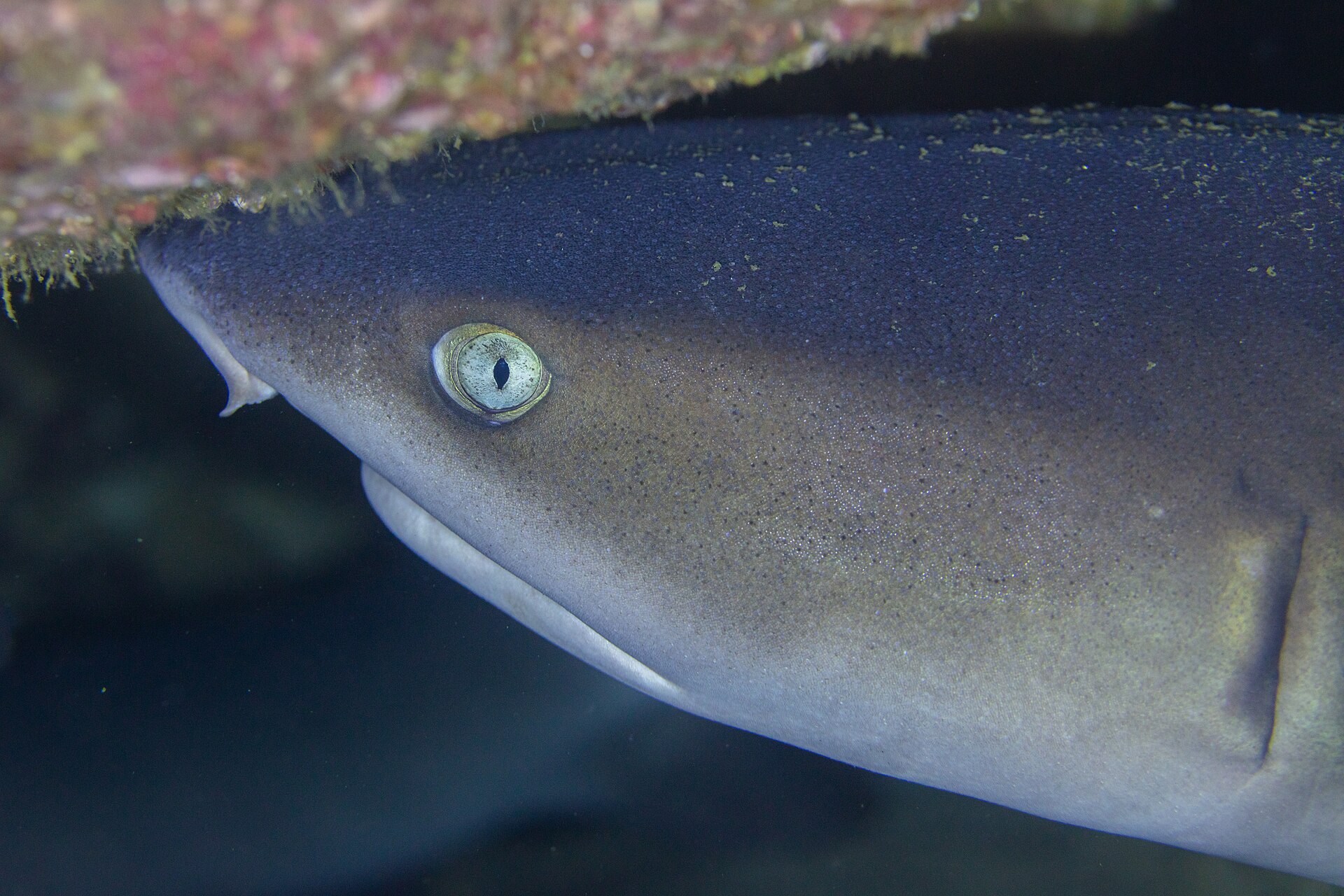
Caño is a biological reserve, and its waters, closed to fishing since 1976, show it underwater: schools of jacks, snappers and barracudas, eagle rays and golden cownose rays in formation, morays in the boulders, groupers, turtles, and nineteen species of coral, including the hard coral gardens of the shallow sites. The Cueva del Tiburón, at 14 meters, shelters about ten resting whitetip sharks. Offshore, El Faro and Bajo del Diablo get the occasional scalloped hammerhead or bull shark, and oceanic mantas pass several times a season. On the way from Drake Bay or Uvita, spotted and bottlenose dolphins escort the boat, and humpback whales show up twice a year, the northern ones from December to April, the southern ones from July to November. The whale shark remains exceptional.
| Species | J | F | M | A | M | J | J | A | S | O | N | D | Note |
|---|---|---|---|---|---|---|---|---|---|---|---|---|---|
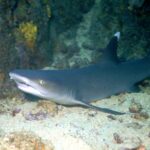 Whitetip reef shark | peak season | peak season | peak season | peak season | peak season | peak season | peak season | peak season | peak season | peak season | peak season | peak season | about ten resting in the Cueva del Tiburón, at 14 meters, year-round |
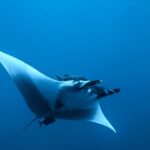 Oceanic manta ray | possible | possible | possible | possible | possible | possible | possible | possible | possible | possible | possible | possible | passing through, seen several times off the sites |
 Bull shark | possible | possible | possible | possible | possible | possible | possible | possible | possible | possible | possible | possible | occasional at El Faro and Bajo del Diablo |
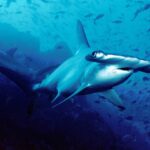 Scalloped hammerhead | possible | possible | possible | possible | possible | possible | possible | possible | possible | possible | possible | possible | occasional at El Faro and Bajo del Diablo, as single animals |
| Humpback whales | possible | possible | possible | possible | rare | rare | peak season | peak season | peak season | peak season | possible | possible | seen from the boat: southern whales from July to November, northern whales from December to April |
| Schools of jacks, snappers and barracudas | peak season | peak season | peak season | peak season | peak season | peak season | peak season | peak season | peak season | peak season | peak season | peak season | on every site, very dense at Bajo del Diablo |
| Eagle rays and golden cownose rays | peak season | peak season | peak season | peak season | peak season | peak season | peak season | peak season | peak season | peak season | peak season | peak season | above the sand, between the boulders |
| Morays and groupers | peak season | peak season | peak season | peak season | peak season | peak season | peak season | peak season | peak season | peak season | peak season | peak season | in the boulders, on every site |
| Sea turtles | possible | possible | possible | possible | possible | possible | possible | possible | possible | possible | possible | possible | passing over the coral gardens |
| Spotted dolphins | possible | possible | possible | possible | possible | possible | possible | possible | possible | possible | possible | possible | on the boat ride |
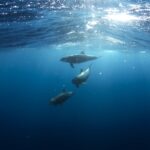 Bottlenose dolphin | possible | possible | possible | possible | possible | possible | possible | possible | possible | possible | possible | possible | on the boat ride |
peak seasonpossiblerare
What is diving like at Caño Island?
Seven sites are open in the reserve, most of them north of the island, near the ranger station, and Open Water is enough for almost all of them. La Esfera, 8 to 12 meters of sand, is used for try dives. El Ancla, around an anchor at 16 meters, and El Jardín, from 14 to 18 meters along a descent line, are easy dives. The Cueva del Tiburón, a cave at 14 meters with an entrance 2 meters high, is reached via boulders sitting on the sand between 7 and 12 meters. El Arco, an arch at 18 meters, is not for students. Two sites are reserved for experienced divers: El Faro, offshore to the west, with no line, and Bajo del Diablo, a pinnacle 2.5 kilometers from the last rock, whose top rises to 5 meters below the surface at low tide and whose channels drop from 18 to 45 meters, with current, swell and a group descent without a line. Regular dives take place between 12 and 20 meters; visibility ranges from 12 to 24 meters, reduced near the island by tidal sediment. Six to eight divers per guide.
When to dive Caño Island?
idealgoodnot recommended
You can dive the island year-round from Uvita and Drake Bay. The dry season, from December to April, is the best: calm seas, visibility of 18 to 24 meters, good light, and the northern humpback whales. It is also when permits sell fastest, so book a week ahead. From May to November, the rainy season brings stronger currents and lower visibility, 15 meters on average, but the sea stays manageable in the morning and the Southern Hemisphere humpbacks arrive from July to November. Surface temperature varies little, from 27.9 °C in November to 29.7 °C in March and April; on the dive, expect 24 to 28 °C with cooler thermoclines on the deep sites, and bring a 3 millimeter wetsuit, 5 if you feel the cold. Liveaboards that stop at Caño only come from January to June.
How to get to Caño Island?
There are two bases. Drake Bay, on the Osa Peninsula, is a village you reach by boat from Sierpe or through a small airstrip: Drake Bay Getaway sells the two-dive trip there for US$155 in 2026, gear and entry fee included, from 7 a.m. to 1 p.m. Uvita, on the Ballena coast, can be reached by road: the boat leaves from the beach, with no harbor, at around 8 a.m., for a 50 to 80 minute crossing of 26 nautical miles, and comes back in the afternoon. Costa Rica Divers charges from US$250 for the two-dive day there, gear, guide, breakfast, lunch and reserve fees included. The reserve entry fee is US$15 to US$17 per person, with opening hours from 8 a.m. to 4 p.m., and both dive centers include it. Book at least a week ahead from December to April: the number of divers allowed each day is limited and permits go fast. Bring shoes for boarding in the water at Uvita.
Stay in Drake Bay
Where to find a dive guide in Caño Island?
Guided tours you can book online, ranked by number of reviews. These are affiliate links: if you book, you support us at no extra cost.

 Viator
Diving tour in Isla del Caño for certified divers
5.0 (74 reviews)View and bookWhere to stay near Caño Island?
Hotels, apartments and rooms around Drake Bay, with current prices.
Why has Caño Island been a biological reserve since 1976?
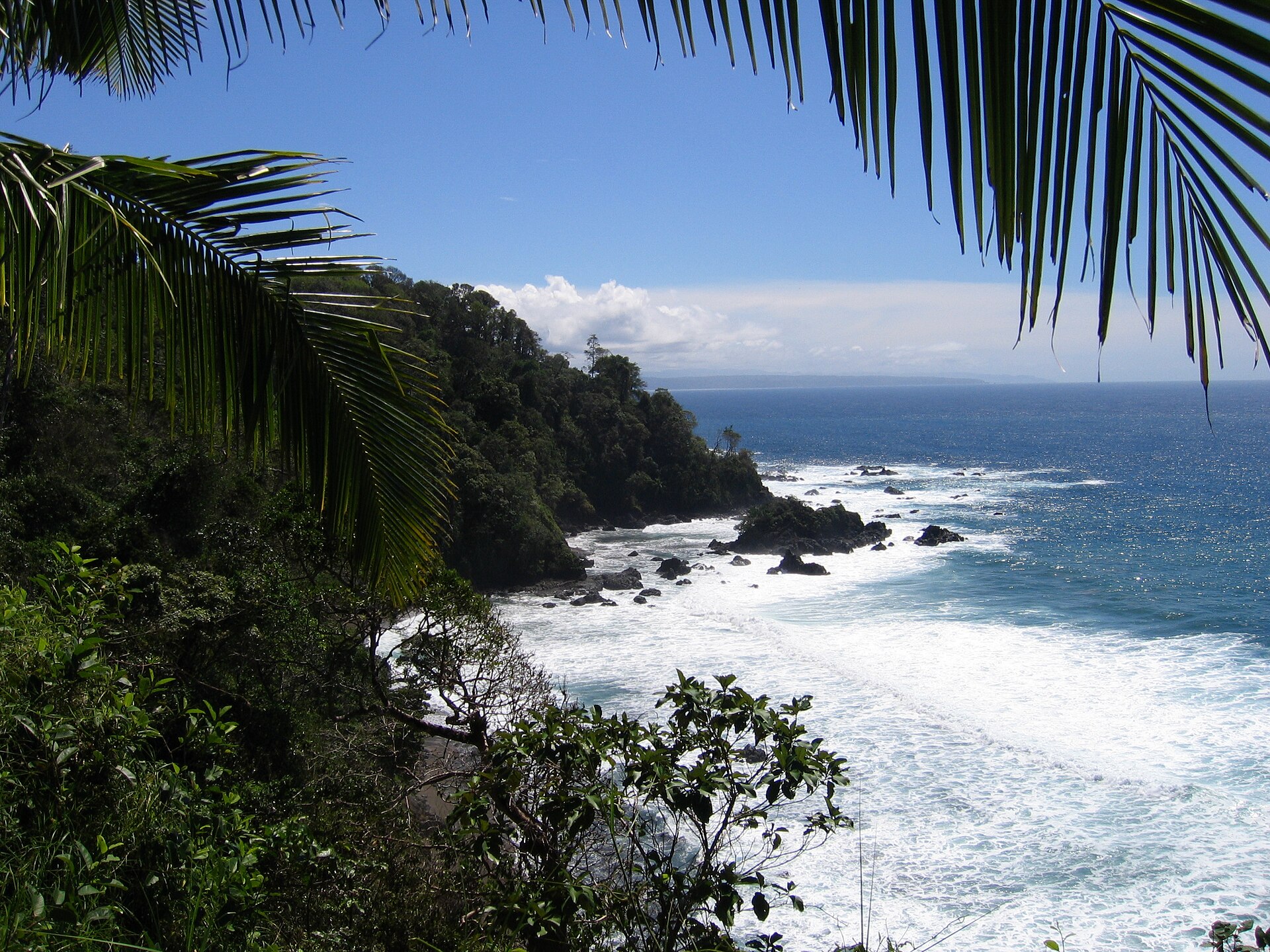
Caño Island is a 3.2 square kilometer plateau with a flat top at 123 meters, lying 16 kilometers west of Punta Llorona, in Corcovado Bay. The biological reserve was created on September 30, 1976 by decree 6385-A; it covers 3.26 square kilometers of land and 52 square kilometers of sea, falls under the Área de Conservación Osa, and has a permanent ranger station. On land, the island is an archaeological site: pre-Columbian stone spheres have been found there, and it served as a burial ground for the peoples of the region. Underwater, the reserve is one of the few stretches of sea in the country closed to fishing for half a century, and the fish schools show it.
What are the seven dive sites of Caño Island?
La Esfera, named after a stone sphere, is a sand bottom at 8 to 12 meters for try dives. El Ancla circles an anchor lying at 16 meters, 18 at most, for all levels. El Jardín, from 14 to 18 meters, is reached down a line; the hard coral garden, from 4 to 12 meters, is used for late-day and night dives. The Cueva del Tiburón, the shark cave, opens at 14 meters through an entrance 2 meters high and 15 meters deep, with its resting whitetips; you reach it via boulders sitting on the sand between 7 and 12 meters and finish at 18. El Arco is an arch at 18 meters. El Faro, offshore to the west, is dived without a line and sometimes gets a hammerhead or a bull shark. Finally, Bajo del Diablo is the offshore site.
Why is Bajo del Diablo for experienced divers only?
Lying 2.5 kilometers from the island's last rock, Bajo del Diablo is a pinnacle whose top rises to 5 meters below the surface at low tide, and whose channels and boulders drop from 18 to 45 meters, with most dives played out between 20 and 35 meters. The current is strong, the swell noticeable, and there is no line: you descend and ascend as a group, under an SMB, and snorkelers are not allowed. It is the site with the densest schools, jacks, snappers and barracudas, and the one where mantas, hammerheads and the occasional bull sharks pass. Dive centers only take experienced divers there, on a dedicated trip: ask for it when you book.
Our tip
Ask for Bajo del Diablo when you book if you have the level: dive centers do not go there every day. In the dry season, book a week ahead. In Uvita, bring shoes you can wear in the water.
Other dive sites nearby
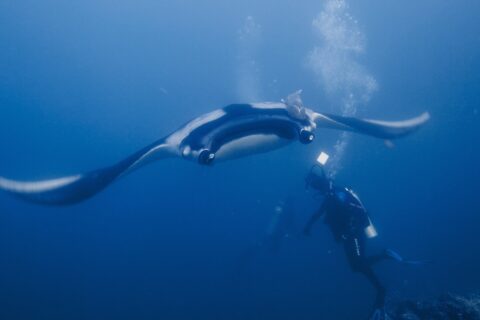
 Costa RicaReef
Islas Catalinas
Guanacaste and the North Pacific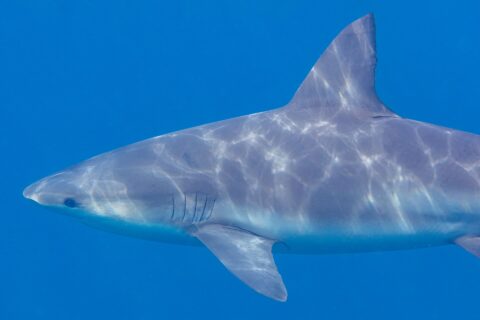 Costa RicaPelagic
Bat Islands (Islas Murciélago)
Guanacaste and the North Pacific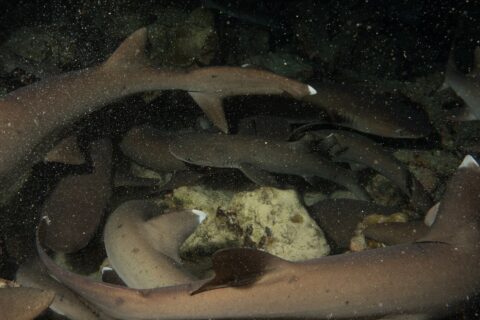 Costa RicaPelagic