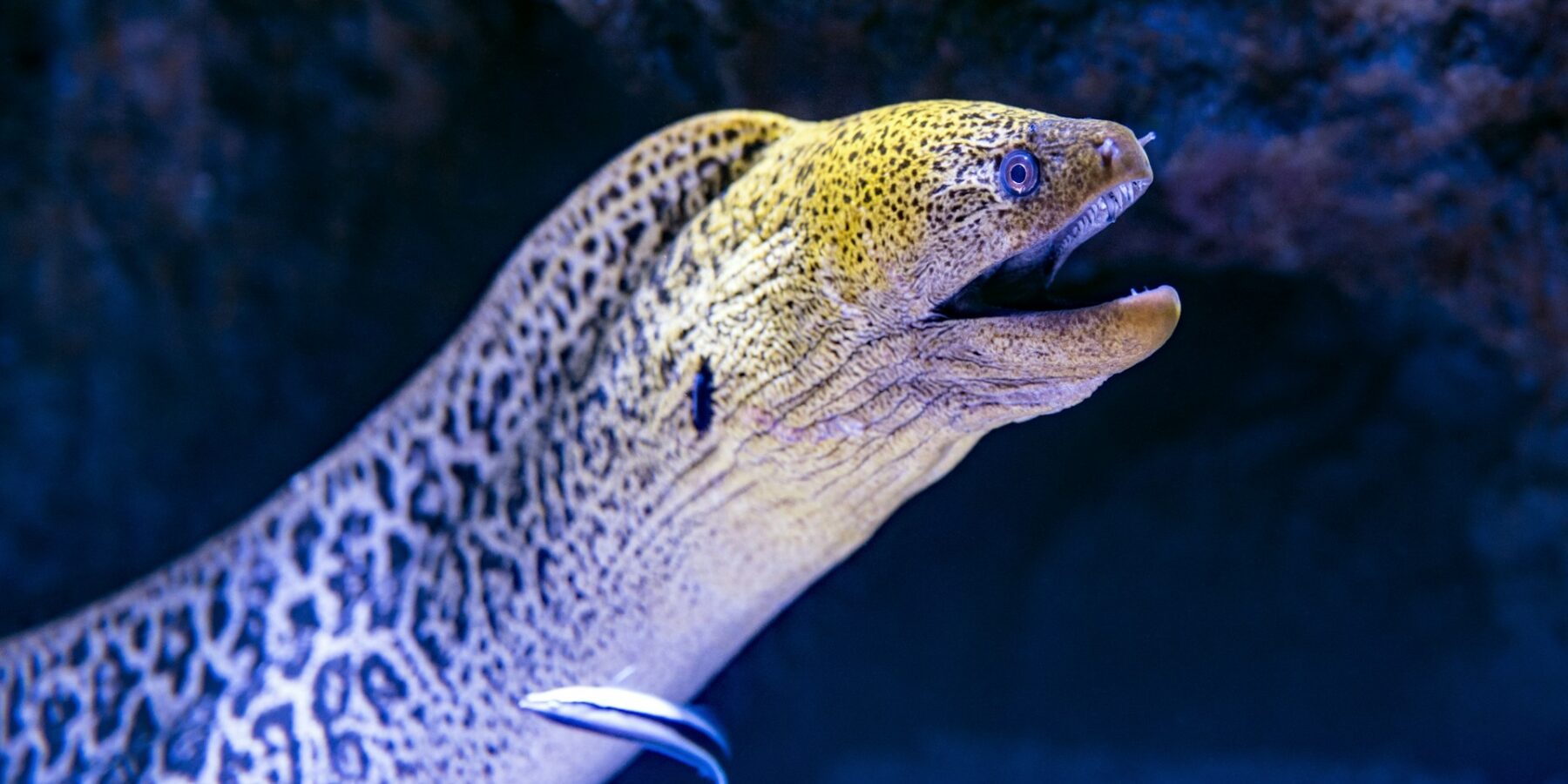
The giant moray is the biggest of all morays, reaching 3 meters and 30 kilos. Not shy and without venom, it hides by day in crevices on reef slopes across the Indo-Pacific, Red Sea included.
Where to dive to see the giant moray?
 EgyptReef
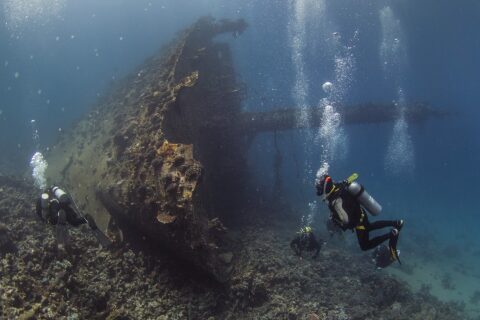
Abu Nuhas wrecks
Central Red Sea, EgyptPeak season all year round: in the structures of the Carnatic and the Giannis D
 IndonesiaReef
Batu Bolong
KomodoPeak season all year round: heads out of the holes in the wall, all the way up
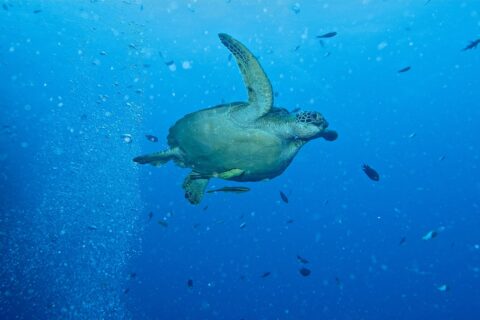 IndonesiaReef
Bunaken, Lekuan walls
Sulawesi: Bunaken and LembehPeak season all year round: in the cracks of the wall
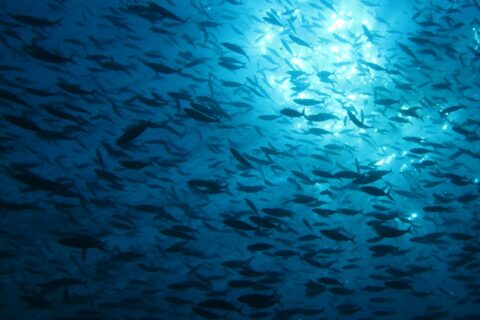 IndonesiaPelagic
Castle Rock
KomodoPeak season all year round: among the boulders on top, with cleaner shrimp
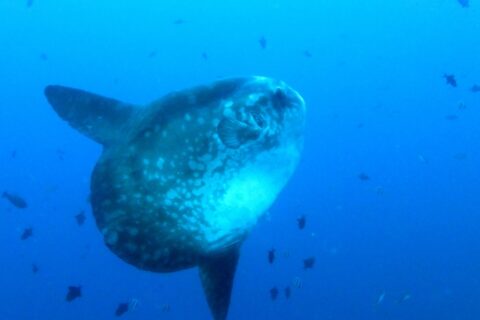 IndonesiaPelagic
Crystal Bay
Bali and Nusa PenidaPeak season all year round: in the cracks of the wall
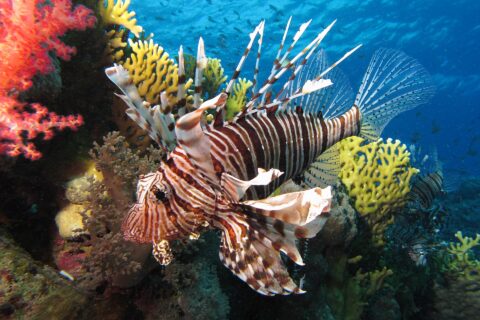 EgyptWreck
Dunraven wreck
Northern Red Sea, EgyptPeak season all year round: in the stern, near the propeller
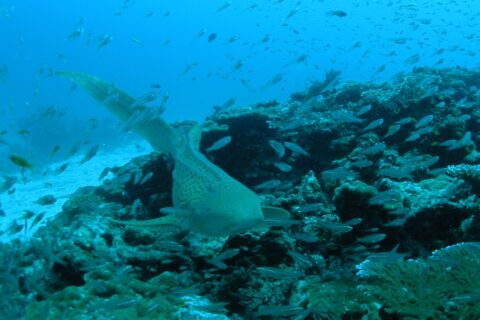
 ThailandReef
Elephant Head Rock
Andaman Sea: Similan, Surin and LantaPeak season from October to May: in the cracks in the granite, head out
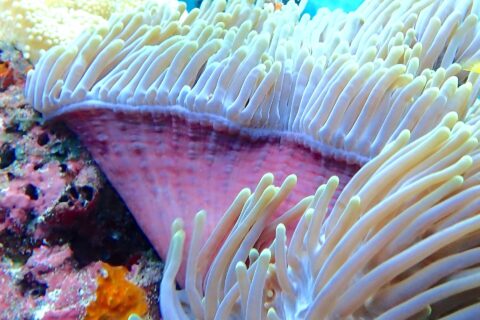
 TanzaniaPass
Fundu Gap
PembaPeak season all year round: in the overhangs of the wall
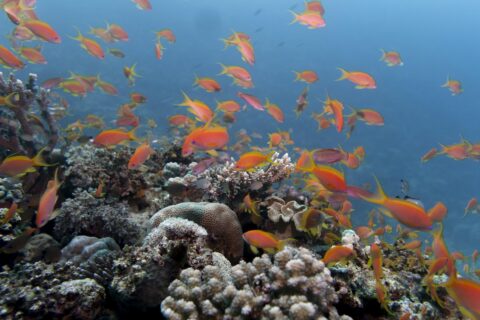 EgyptReef
Giftun Islands
Central Red Sea, EgyptPeak season all year round: in the cracks of the reef
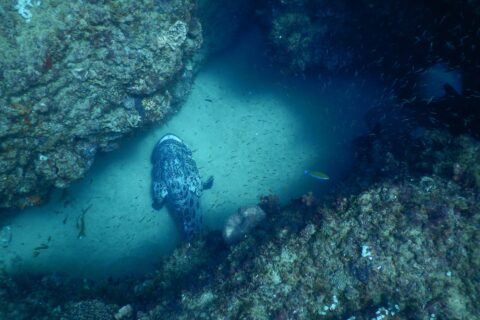 TanzaniaPass
Kinasi Pass
Mafia IslandPeak season all year round: a very large resident in a hole in the Pinnacle
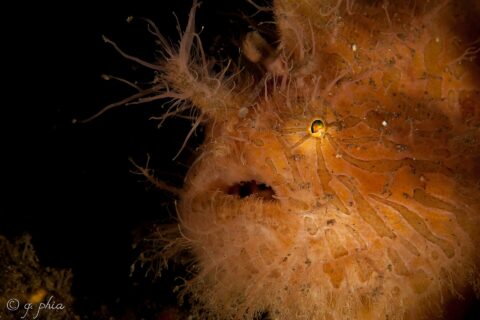 IndonesiaReef
Lembeh Strait
Sulawesi: Bunaken and LembehPeak season all year round: among the boulders and rubble, with ribbon eels
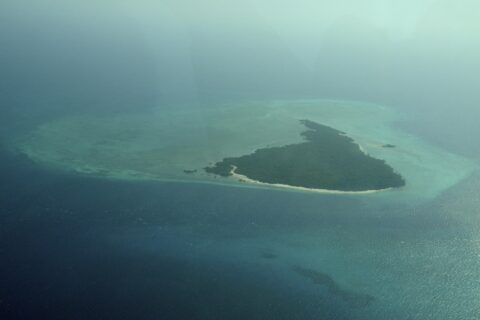 TanzaniaReef
Misali Island
PembaPeak season all year round: in the cracks of the wall and the gardens
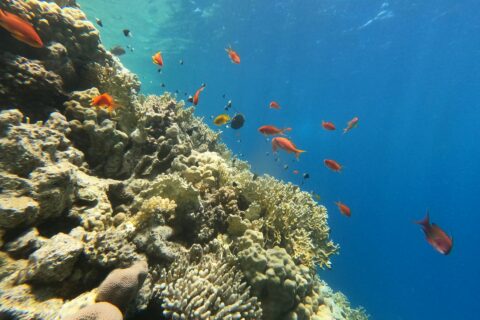 EgyptReef
Panorama Reef
Central Red Sea, EgyptPeak season all year round: in the crack on the south plateau
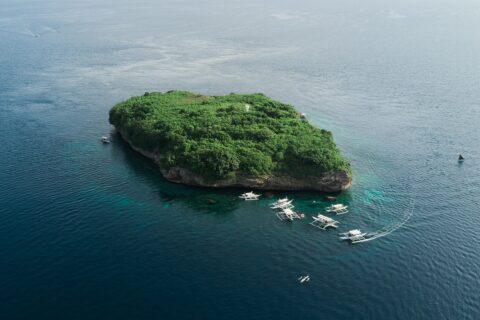
 PhilippinesReef
Pescador Island
Visayas: Cebu, Bohol and NegrosPeak season all year round: in the holes in the wall
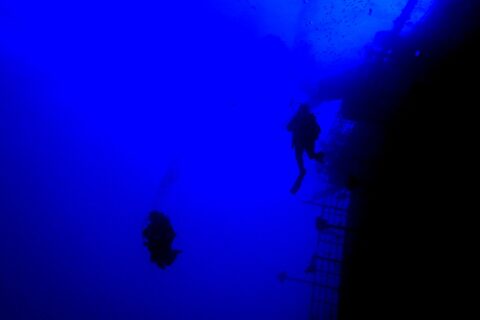 EgyptWreck
Salem Express wreck
Central Red Sea, EgyptPeak season all year round: in the plates and the davits
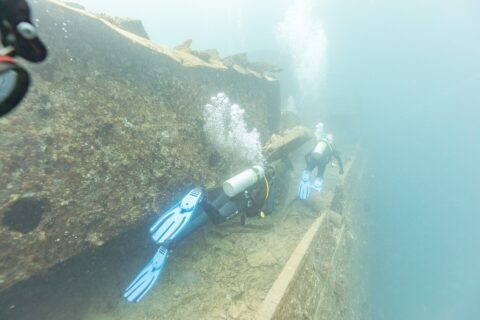 EgyptWreck
SS Thistlegorm
Northern Red Sea, EgyptPeak season all year round: in the plates and among the cargo crates
How do you identify a giant moray?
The giant moray, Gymnothorax javanicus, is the biggest moray species: up to 3 meters and 30 kilos, although the ones you meet on a dive are much smaller. The snake-like body is brown and covered in dark spots, the head is yellowish and the gill openings are ringed in black. It keeps its mouth open for much of the day to oxygenate its gills.
Where does the giant moray live?
It lives in the tropical and subtropical waters of the Indo-Pacific, from the coasts of East Africa and the Red Sea to Polynesia, and from southern Japan to New Caledonia. You find it on outer reef slopes and in lagoons down to 50 meters; the young stay in shallow lagoons. By day it rests in a crevice among the corals. At night it hunts, mostly fish, sometimes crustaceans.
Is the giant moray dangerous?
Sluggish and not shy, it lets you approach. It has no venom, but it bites if you grab it or slip an arm into its den, and the wound needs thorough cleaning. The rest is legend: few sea creatures have more false stories attached to them. Its second set of jaws, which pulls prey back into the esophagus, inspired the creature in the film Alien.
Our tip
It keeps its mouth open to breathe, not to threaten. Watch it from a distance, never slip a hand or an arm toward its den, and don't feed it.