You can dive the Coron wrecks year-round in a sheltered bay, at their best from December to April, with up to 20 meters of visibility. Tubbataha opens only from mid-March to mid-June, and April and May are the most stable months there. The water ranges from 27 °C in February to 30 °C in May.
Budget
In Coron, a three-dive day on the wrecks costs PHP 5,500 to PHP 6,900, plus a PHP 200 environmental fee. At Tubbataha, a six-night liveaboard costs US$2,950 to US$3,995, and the park charges a PHP 5,000 fee on top.
Getting there
Coron is reached through Busuanga airport, an hour's flight from Manila, then 30 to 45 minutes by van. For Tubbataha, you fly to Puerto Princesa the day before, and the boats cross overnight, in ten to twelve hours. France's Foreign Ministry advises against all travel to the waters of southern Palawan.
What can you dive on the 1944 Japanese wrecks of Coron?
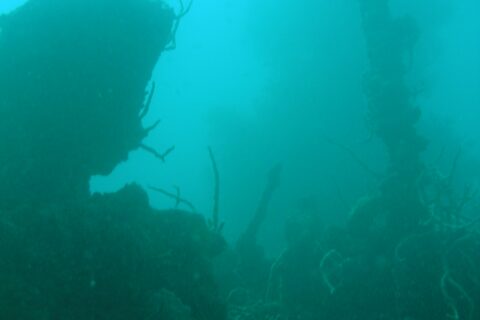
In the north of Palawan, in the Calamian Islands, the town of Coron, on Busuanga Island, is the base for the wrecks. On September 24, 1944, aircraft from the US carriers of Task Force 38 sank, in under twenty minutes, a dozen Japanese supply ships anchored in Coron Bay and around Busuanga. They lie between 10 and 45 meters: the tanker Okikawa Maru, 170 meters long, sitting upright with its deck between 10 and 16 meters, accessible from Open Water; the Kogyo Maru and the Morazan Maru, lying on their sides between 12 and 36 meters; the Akitsushima and its seaplane crane; and the Irako and its 45 meters for experienced divers. Busuanga airport is an hour's flight from Manila and half an hour by road from town. Dive centers head out every morning for three dives, from PHP 5,500 at Pirates Diving Center to PHP 6,900 at Corto Divers, gear, fees and lunch included. Between two wrecks, Barracuda Lake, with its thermocline, costs PHP 300 to enter.
When can you dive Tubbataha Reef by liveaboard?
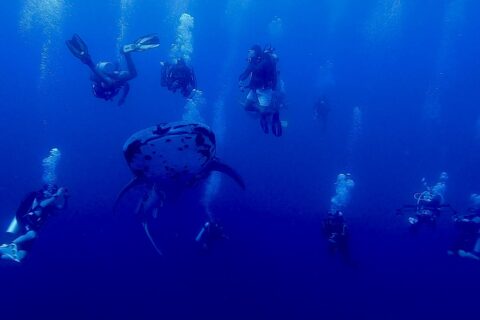
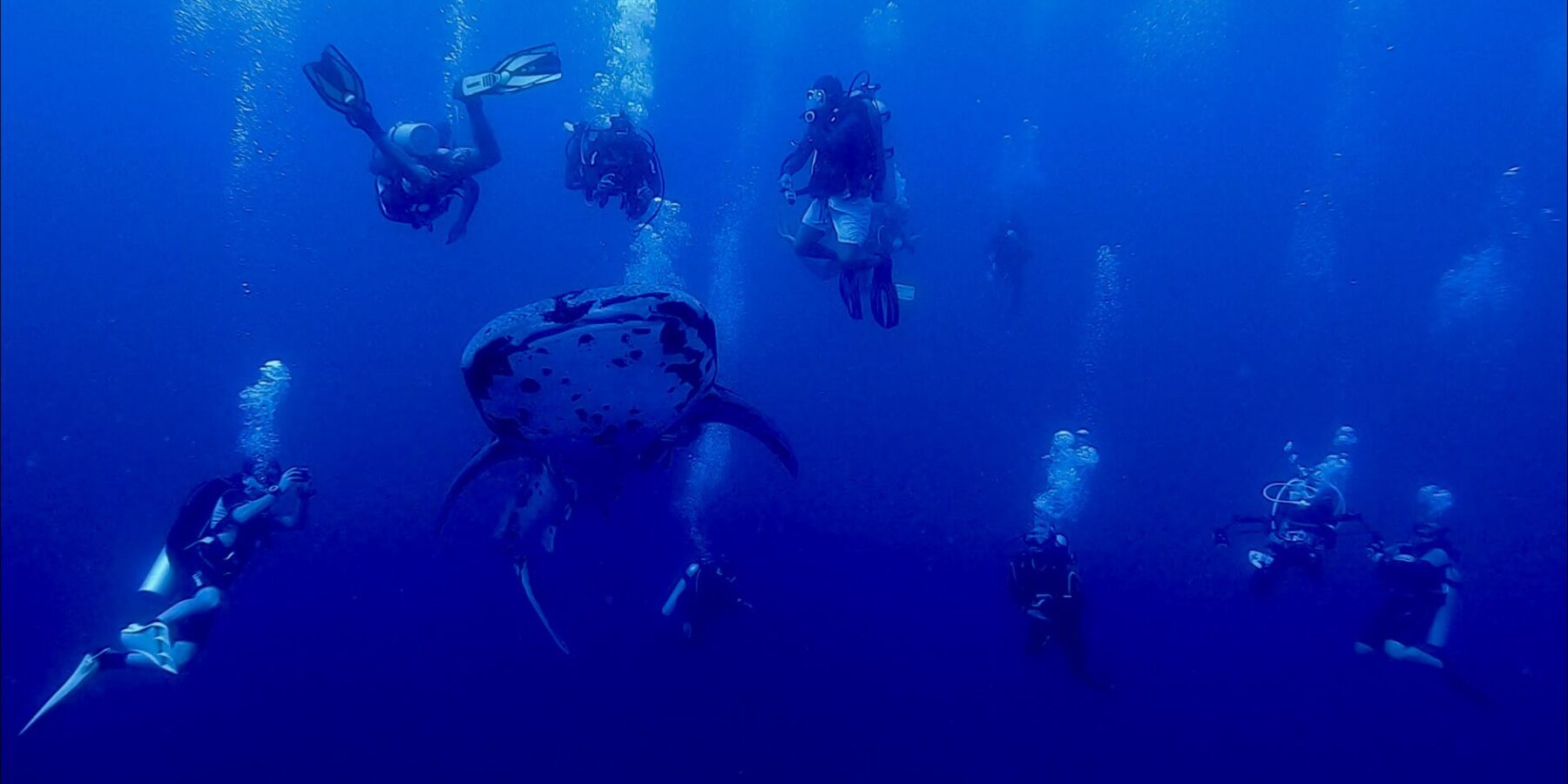
In the middle of the Sulu Sea, 150 kilometers southeast of Puerto Princesa, the two atolls of Tubbataha and Jessie Beazley Reef form a natural park of 97,030 hectares, the country's first national marine park in 1988 and a UNESCO World Heritage Site since 1993. You can only go there by liveaboard, from mid-March to mid-June, when the Sulu Sea allows it: ten to twelve hours of sailing overnight, six nights on board, three or four dives a day on walls, with gray reef sharks, whitetips, hammerheads, whale sharks, manta rays and bumphead parrotfish. Boats require Advanced and around fifty dives. Budget US$2,950 to US$3,995 for the week depending on the boat, plus a PHP 5,000 conservation fee paid to the park. Spots are booked six to nine months ahead.
When is the best time to dive Palawan, and how do you get there?
Palawan is dived mostly from November to May, in the dry season: the water drops to 27 °C in February and rises to 30 °C in May. Visibility in Coron Bay holds at 5 to 20 meters depending on the tide, and at 30 to 45 meters at Tubbataha. From June to October, rain and typhoons close the Sulu Sea and reduce visibility on the wrecks, without stopping the Coron dives. Puerto Princesa and Busuanga have daily flights from Manila. France's Foreign Ministry advises against all travel to the waters from the southern half of Palawan to the Sulu Archipelago. Tubbataha liveaboards operate with a park permit and a mandatory AIS transponder. El Nido, between the two, is worth a visit more for its lagoons than for its diving.
Where to stay in Palawan?
Hotels, apartments and rooms around Puerto Princesa, the starting point for dives at Tubbataha Reef, with current prices.
 PhilippinesWreck