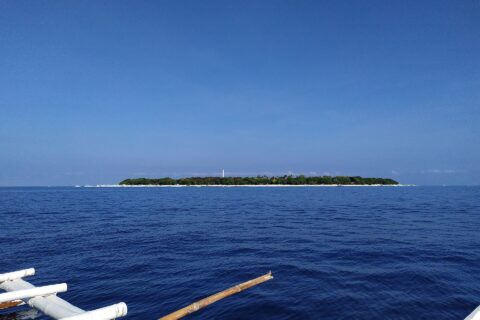
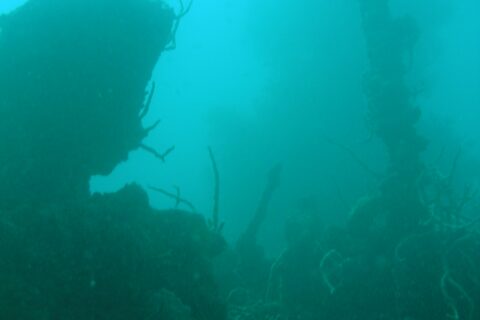
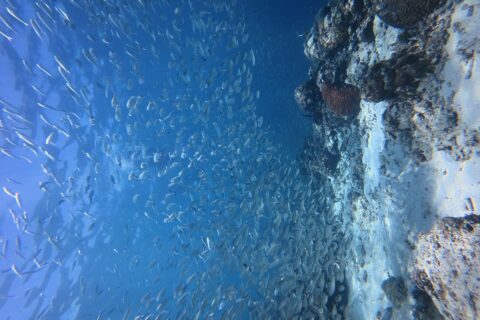
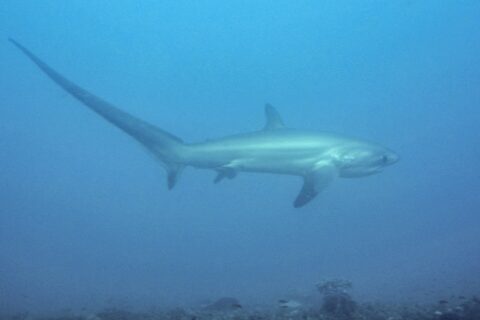
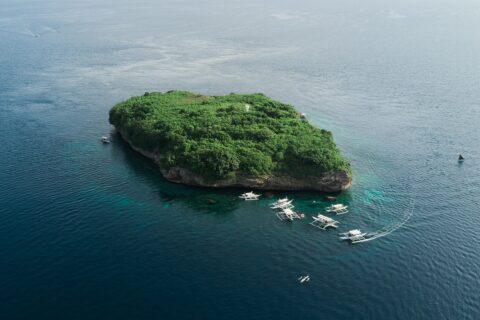
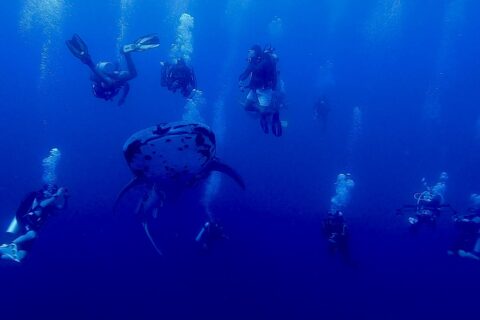
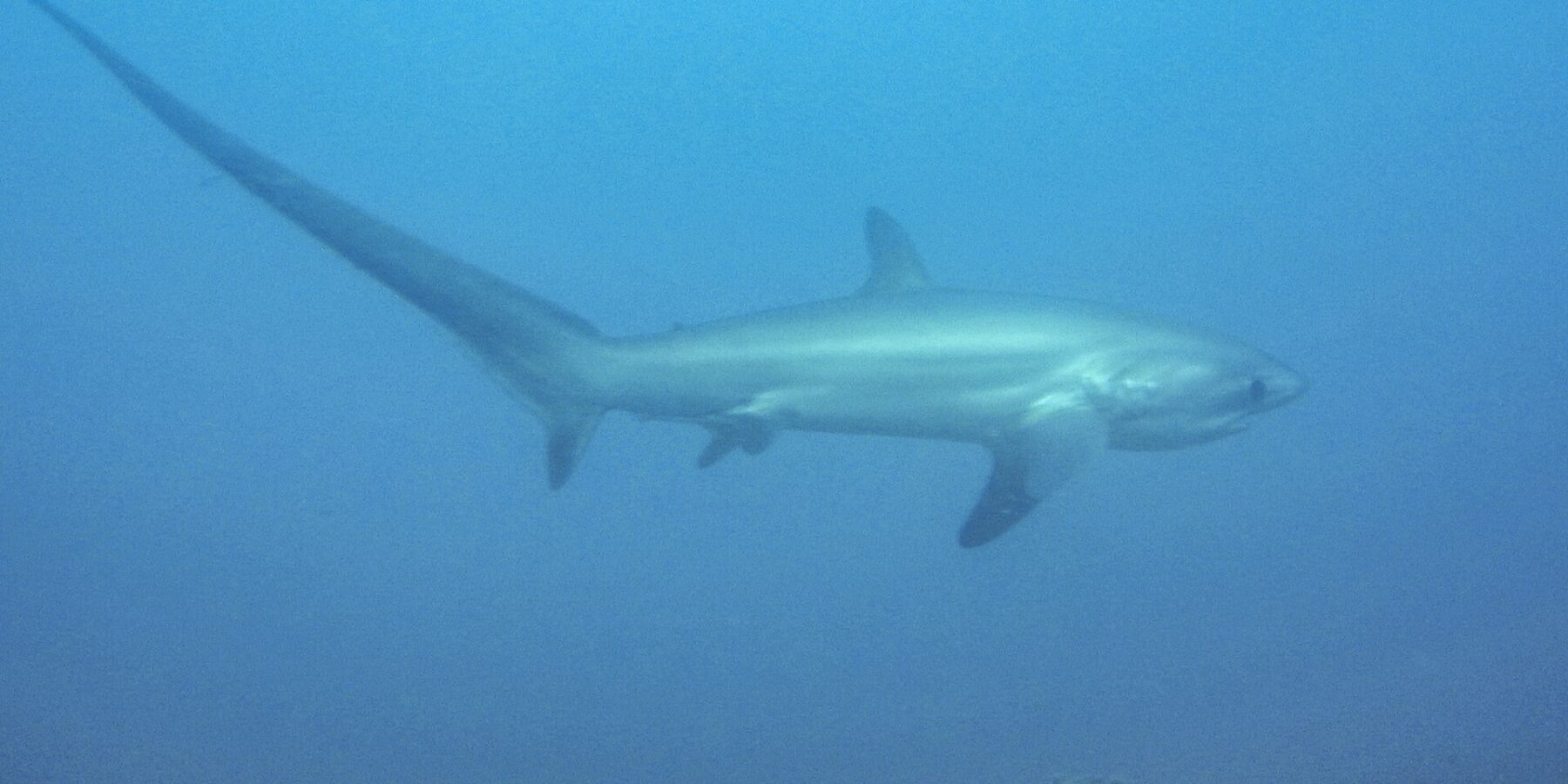
The Philippines is the only place in the world where you can dive with thresher sharks almost every morning, off Malapascua, north of Cebu. In Moalboal, you just fin out from the beach to swim into a school of several million sardines. In Coron Bay, an entire Japanese fleet was sunk in a single day.
Why dive the Philippines?
In the Philippines, you build your scuba diving trip island by island. By fast ferry, Cebu, Bohol and Negros are a few hours apart, and ten days are enough to dive all three.
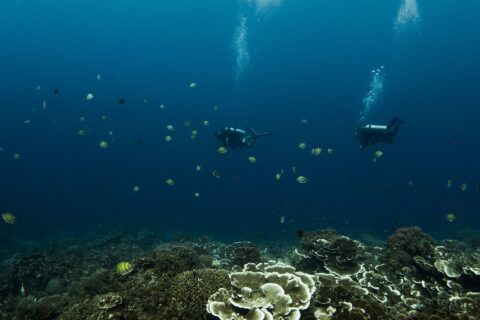
At Apo Island, green and hawksbill turtles show up on almost every dive, in a sanctuary its fishermen created in 1982. More than 650 species of fish live around the island.
Tubbataha Reef lies in the middle of the Sulu Sea, and you can only go there by liveaboard, three months a year. You drift along walls that drop more than 100 meters. Reef sharks are on almost every dive.
Where should you dive in the Philippines?
In the Visayas, divers go to Malapascua for the thresher sharks. The sharks come up at dawn to be cleaned on Kimud Shoal, since they left Monad Shoal in 2022. To see them, you need Advanced, or an instructor at your side if you have Open Water. In Moalboal, southwest of Cebu, Open Water is enough for the sardine run as well as for the walls of Pescador Island, just opposite.
Schools of jacks swirl in a tornado at Balicasag, off Bohol. Dive centers take you there from Open Water if you have four logged dives, and children from age 10. The island takes only 150 divers a day, so book several days ahead. From Dauin, on Negros, you spend the day at Apo Island, long enough for three dives. Experienced divers drift at Coconut Point, in a current that reverses mid-dive.
The Coron wrecks, in the north of Palawan, are an hour by boat from the town where you stay. With Open Water, you can already visit the deck of the Okikawa Maru, between 10 and 16 meters. Wrecks deeper than 30 meters call for Advanced, and to enter the holds you need wreck training and a light. Liveaboards to Tubbataha Reef leave from Puerto Princesa, and the boats check that you have Advanced and 50 dives.
When is the best time to dive the Philippines?
The thresher sharks of Malapascua and the Moalboal sardines are there in every season, so you pick the month for sea conditions and visibility. From November to February, the northeast wind sometimes makes the crossing to Malapascua rough, without stopping the boats. In February and March, schools of hammerheads pass off Kimud Shoal.
For the Moalboal sardines, dive before 8 a.m., when the school is close to shore and divers are few. The water on the Coron wrecks is clearer before high tide, and turns murky during spring tides.
Tubbataha usually opens from mid-March to mid-June, and its spots sell out 12 to 18 months ahead. The sea is more stable there in April and May. Hammerheads, mantas and whale sharks come by with no fixed date, more often when the current picks up and the water fills with plankton.
How much does a dive trip to the Philippines cost?
On land, a three-dive day at Apo Island costs from €93, all-inclusive. The Malapascua thresher shark trip includes only two dives, for €90 at Thresher Shark Divers, with park fees and fuel. An Open Water diver dives there with an instructor and pays €127, gear included. In Coron, a day on the wrecks starts at €78, and gear adds €11. Dive centers often take cards, for a surcharge, and always take cash.
On a Tubbataha dive liveaboard, the park charges an extra PHP 5,000 per person, about €71, payable in pesos. Some boats also bill port fees separately.
What do you need to know before diving in the Philippines?
Malaria persists below 600 meters of altitude on Palawan, Negros and Mindoro, which includes the coast where you sleep. Dengue affects the whole country. Against both, bring repellent and a mosquito net. Your dive insurance must cover repatriation, because medical care is expensive.
You bring nothing up from the Coron wrecks, where munitions still lie around. France's Foreign Ministry advises against all travel to western Mindanao, Basilan, Sulu, Tawi-Tawi and the waters of the southern half of Palawan. It also reports occasional incursions by armed groups on the southern coasts of Cebu and Bohol. The dive resorts of the Visayas, Coron and Puerto Princesa remain open and busy. Tubbataha liveaboards sail with a park permit. Its ranger station also houses Coast Guard and Navy personnel.
 PhilippinesReef