Why is Ari Atoll famous for its thilas?
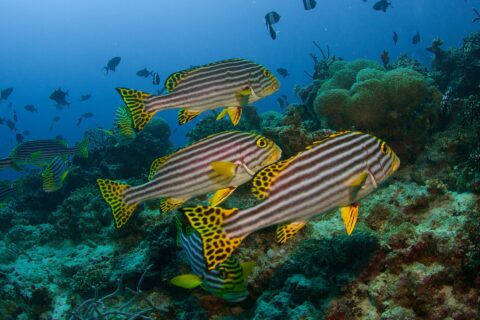
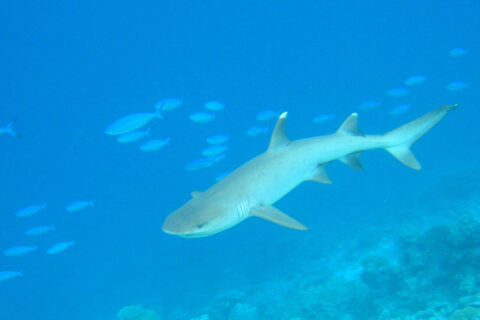
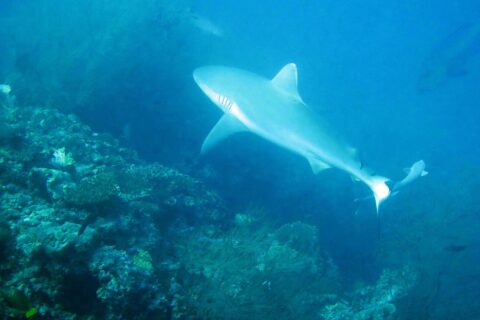
West of Malé, Ari Atoll is the most dived atoll in the Maldives. Its lagoon is dotted with thilas, isolated pinnacles that rise from the bottom to within 6 to 15 meters of the surface and that the tidal current feeds every time it flows. Three of them were among the country's first fifteen protected sites, in 1995: Maaya Thila, in the center of North Ari, for its whitetip reef sharks hunting at night; Fish Head, or Mushimasmingili Thila, for its gray reef sharks by the dozen; Kuda Rah Thila, in the Dhigurah channel, for its overhangs covered in sea fans. These thilas are dived mostly on liveaboards from Malé: Emperor's "Best of Maldives" route links them over seven nights for €2,032 to €3,680. You can also dive them from resort islands such as Vilamendhoo, where Euro-Divers charges US$60 a dive and US$21 per boat trip, before taxes.
Where do you see whale sharks in South Ari Atoll?
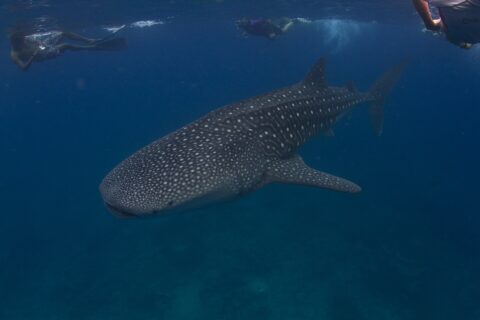
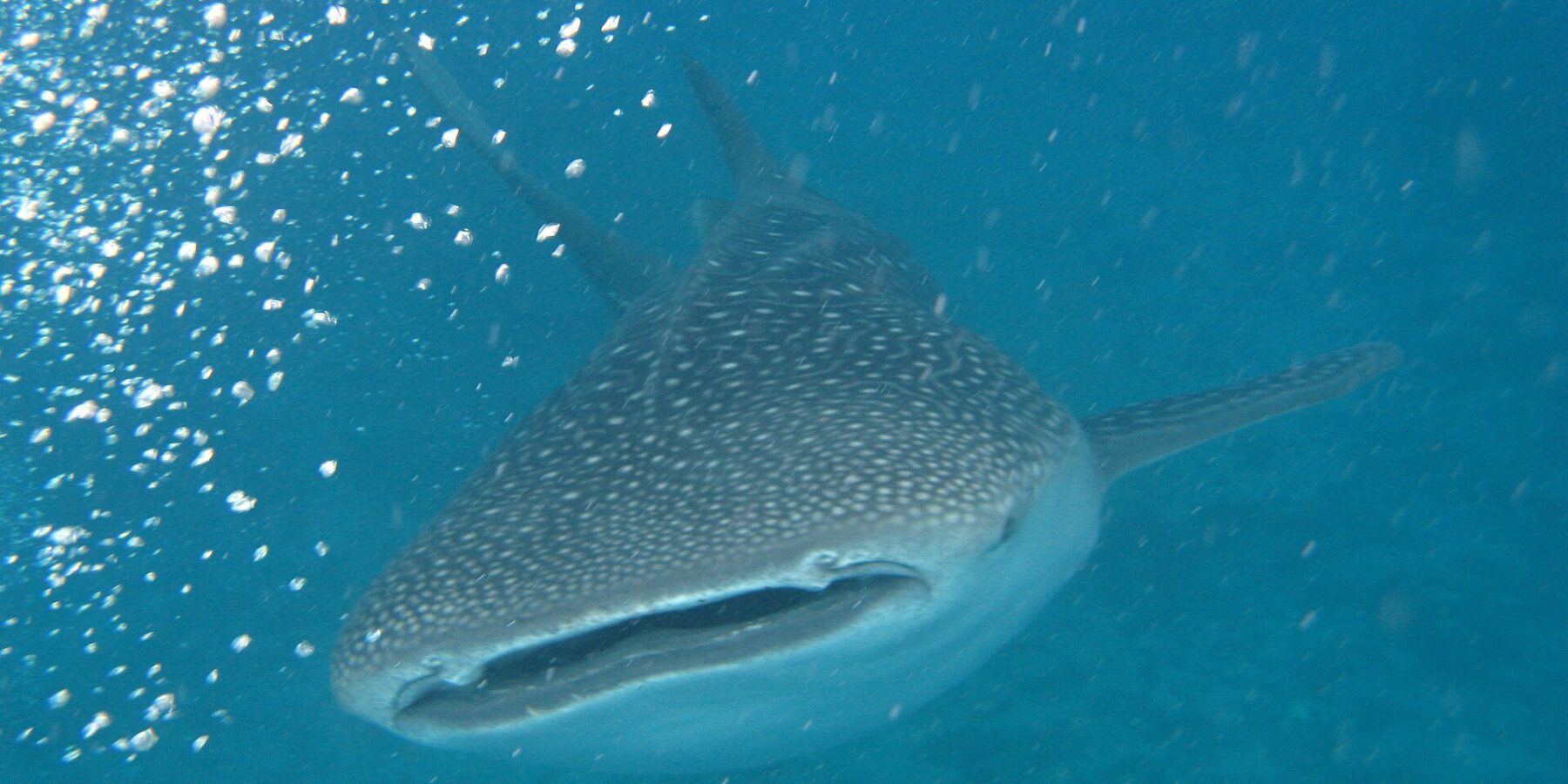
The southern edge of the atoll, from Rangali to Dhigurah, has been a marine protected area since June 5, 2009: 56 km² stretching one kilometer out from the reef crest, where whale sharks, mostly young males of 4 to 8 meters, are seen year-round. Dhigurah, an inhabited island on the edge of the protected area, is the budget base: US$120 for a two-dive trip at Island Divers, US$771 for a three-night, five-dive package at Fari Dive Center, US$60 to US$120 for a half day snorkeling with the whale sharks. The approach rules are strict and enforced by rangers: 3 meters from the body, 4 from the tail, no flash, at most 60 people in the water, from 6 a.m. to 6 p.m.
When do you see hammerheads at Rasdhoo?
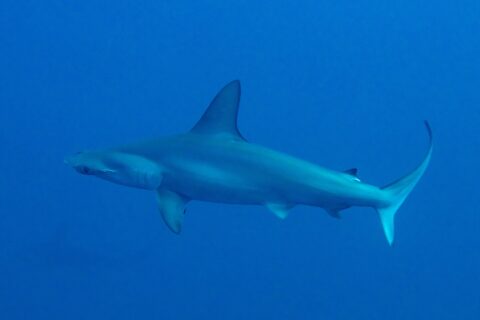
Tucked against the northeast tip of Ari, 60 kilometers west of Malé, the small Rasdhoo Atoll comes down to one inhabited island, one resort, Kuramathi, and one pass. Its outer reef, Rasdhoo Madivaru, protected since 2018, is the site in the Maldives where you see the most scalloped hammerheads over the year. You descend into the blue at 25 or 30 meters, between 5:30 and 7:30 a.m., and the encounters are less regular than twenty years ago. On the island, dives cost US$50 to US$60 at The Deep Blue Maldives, and US$69 with gear at Acqua Adventures.
When should you dive Ari and Rasdhoo, and how do you get there?
From December to April, the sea is calm and visibility reaches 30 to 40 meters. The whale sharks tend to stay on the west and south of the atoll, and the hammerheads are most regular from January to April. From May to November, the southwest wind brings the plankton and the filter feeders back to the east side, off Dhigurah. Public speedboats link Malé to Dhigurah in two to two and a half hours, for US$66 to US$70, and to Rasdhoo in the same time. Kuramathi can also be reached by seaplane.
 MaldivesReef