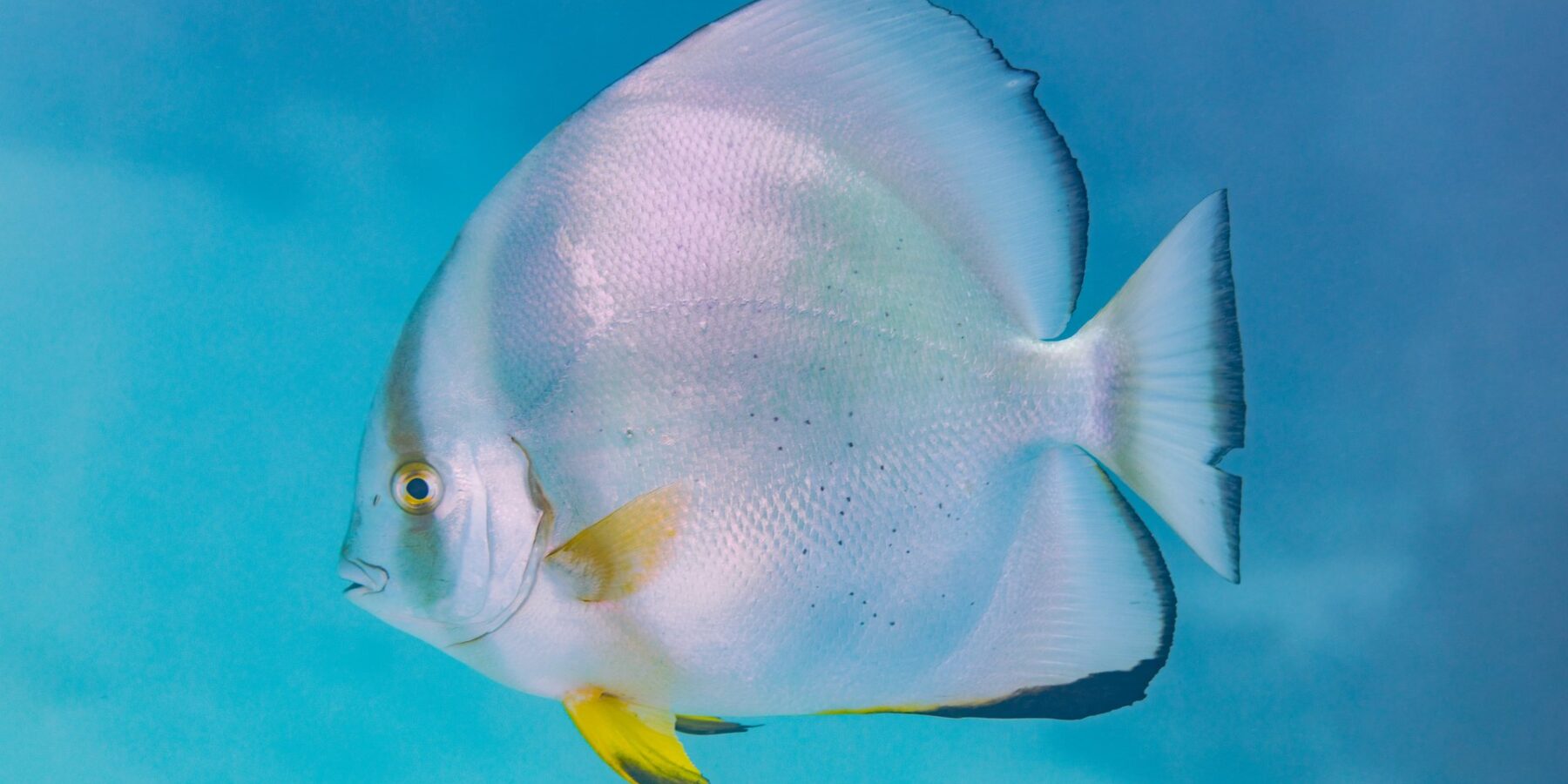
The orbicular batfish is a 50-centimeter silver disk, as tall as it is long. It gathers in small groups above wrecks and walls in the Red Sea and the Indo-Pacific.
Where to dive to see the orbicular batfish?
 EgyptReef
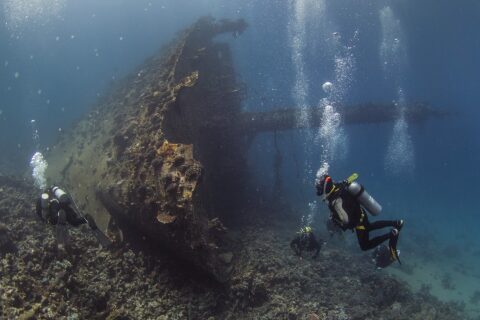
Abu Nuhas wrecks
Central Red Sea, EgyptCan be seen all year round: a few above the superstructures
 IndonesiaReef
Batu Bolong
KomodoPeak season all year round: schooling in the lee of the rock, with the sweetlips
 IndonesiaReef
Bunaken, Lekuan walls
Sulawesi: Bunaken and LembehPeak season all year round: schooling a little way off the wall
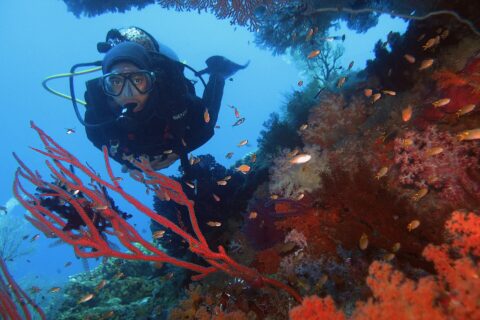 IndonesiaReef
Cape Kri
Raja AmpatPeak season all year round: schooling above the slope, with sweetlips and snappers
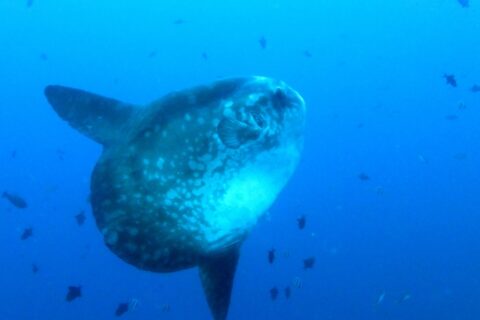 IndonesiaPelagic
Crystal Bay
Bali and Nusa PenidaPeak season all year round: in small schools along the wall
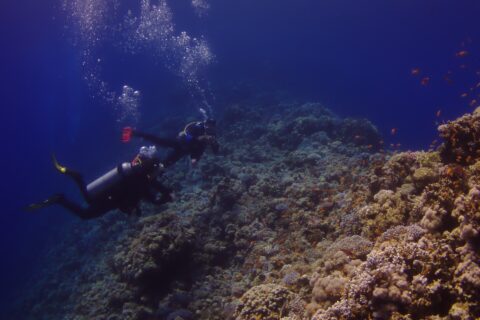 EgyptShore dive
Dahab Blue Hole
Northern Red Sea, EgyptPeak season all year round: inside the hole, below the freedivers' lines
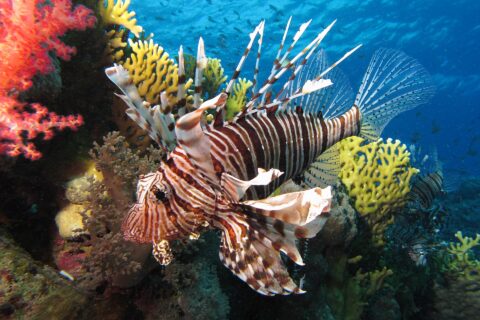 EgyptWreck
Dunraven wreck
Northern Red Sea, EgyptCan be seen all year round: a few above the hull
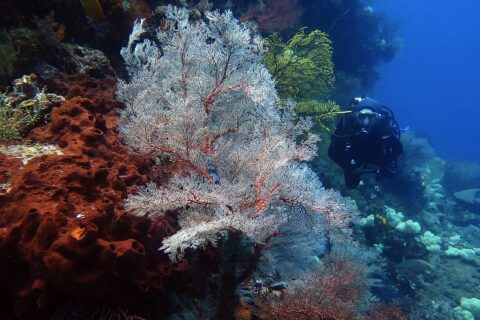 IndonesiaPelagic
Magic Mountain (Misool)
Raja AmpatPeak season all year round: schooling on the plateau on top
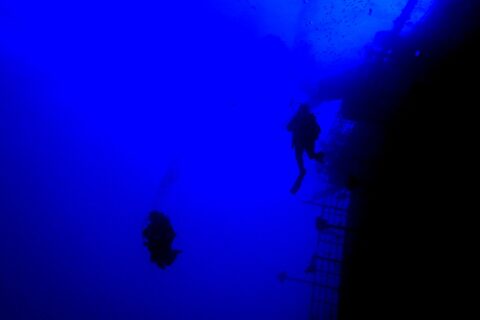 EgyptWreck
Salem Express wreck
Central Red Sea, EgyptCan be seen all year round: above the funnels
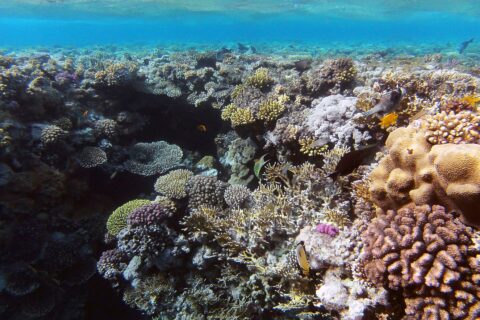 EgyptReef
Shark and Yolanda Reef, Ras Mohammed
Northern Red Sea, EgyptPeak season all year round: schooling under the boats and along the wall
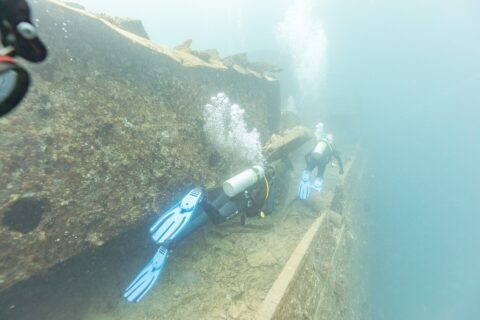 EgyptWreck
SS Thistlegorm
Northern Red Sea, EgyptPeak season all year round: resident, along the deck and around the stern
How do you identify an orbicular batfish?
The orbicular batfish, also called the round batfish, belongs to the family Ephippidae. The adult forms a silver disk almost as tall as it is long, extended by large dorsal and anal fins; the pelvic fins are yellow and the fin edges are lined with black. It reaches 50 centimeters.
Where does the orbicular batfish live?
It is a reef species of the tropical Indo-Pacific, Red Sea included, found from the surface to 30 meters. It lives alone or in small groups and feeds on algae, invertebrates and small fish.
Where can you dive with orbicular batfish in the Red Sea?
Batfish love structures: in the northern Red Sea, they hang in midwater above the plating of the Thistlegorm wreck, in groups of four or five. The list of dive sites above gives, for each one, the months when diving is best.
Our tip
Approach slowly, without finning toward the group: batfish hold their position in midwater above the structure, and that is where you photograph them in profile.