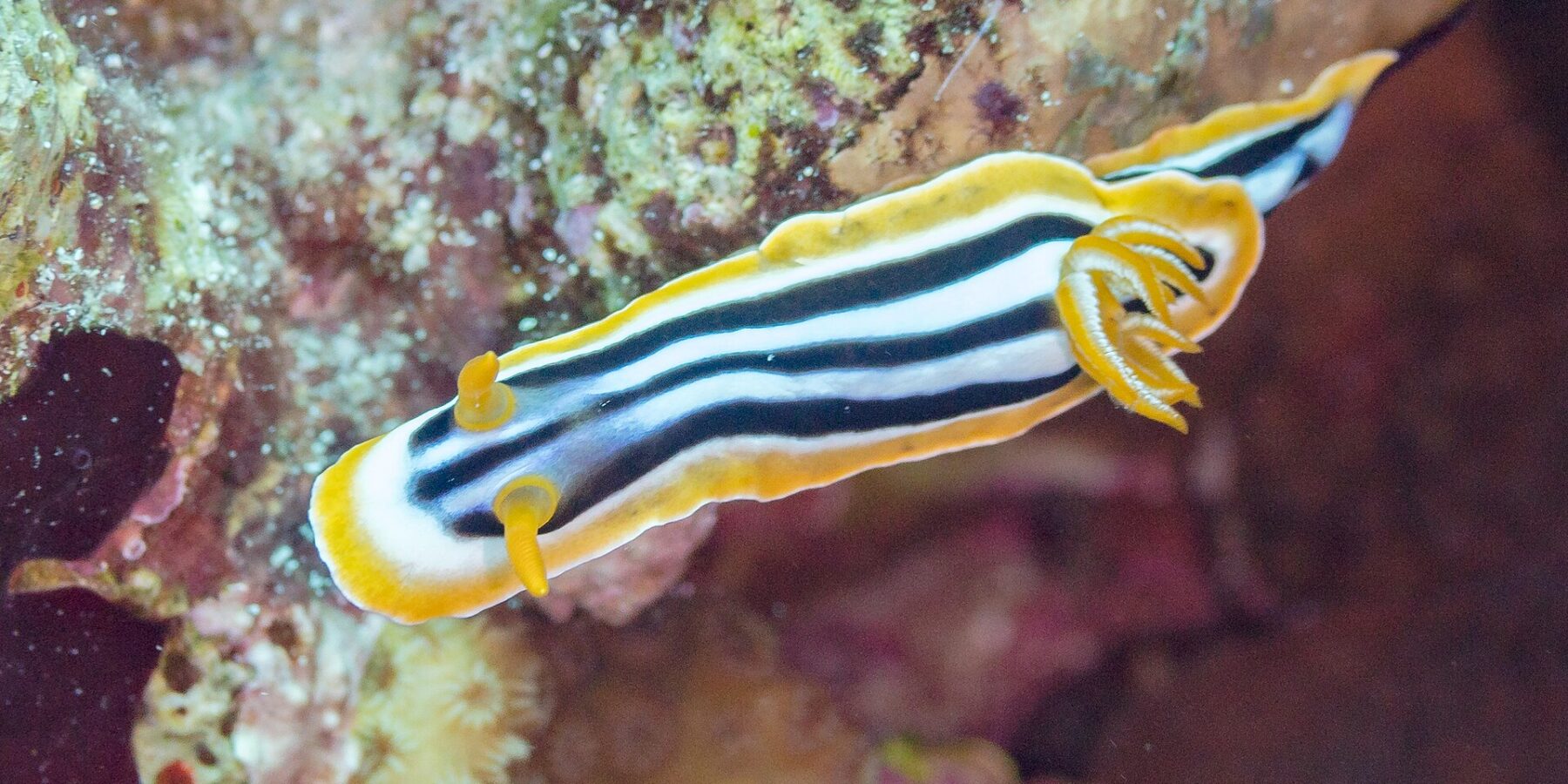
Nudibranchs are shell-less sea slugs, often brightly colored, with their gills exposed on their backs: several thousand species, from 4 millimeters to 60 centimeters, live in every sea. The Lembeh Strait shows dozens per dive, and you can look for them all year on the Red Sea wrecks.
Where to dive to see the nudibranchs?
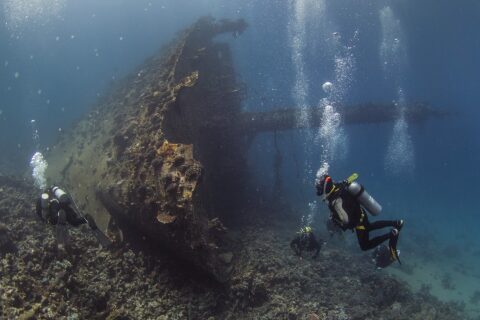
 EgyptReef
Abu Nuhas wrecks
Central Red Sea, EgyptPeak season all year round: on the soft corals carpeting the hulls
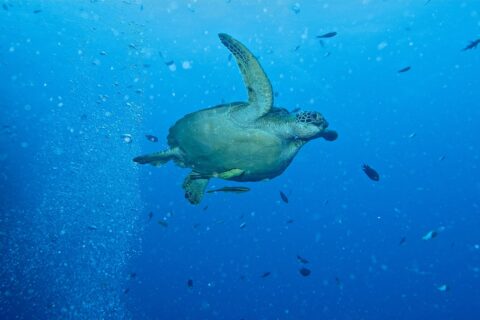
 IndonesiaReef
Bunaken, Lekuan walls
Sulawesi: Bunaken and LembehPeak season all year round: on the sponges and bubble corals of the wall
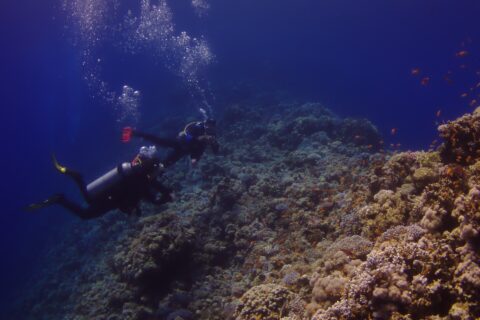 EgyptShore dive
Dahab Blue Hole
Northern Red Sea, EgyptPeak season all year round: on the walls of the hole, for macro
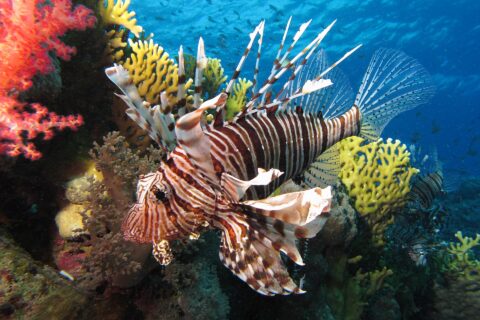 EgyptWreck
Dunraven wreck
Northern Red Sea, EgyptPeak season all year round: on the soft corals covering the hull
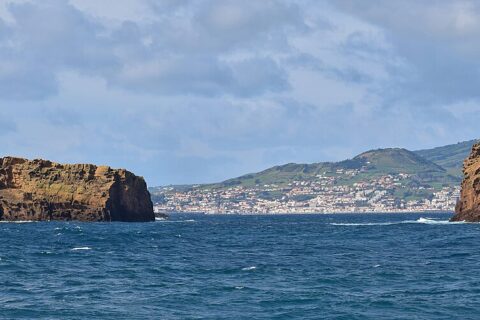
 AzoresReef
Ilhéus da Madalena
Pico and FaialPeak season from May to June: Tambja ceutae and Hypselodoris picta on the Pico coast, in late spring and early summer
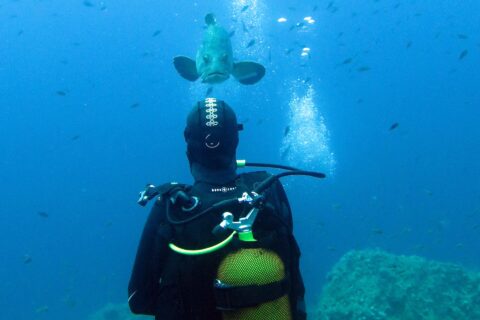
 FranceWall
La Gabinière (Port-Cros)
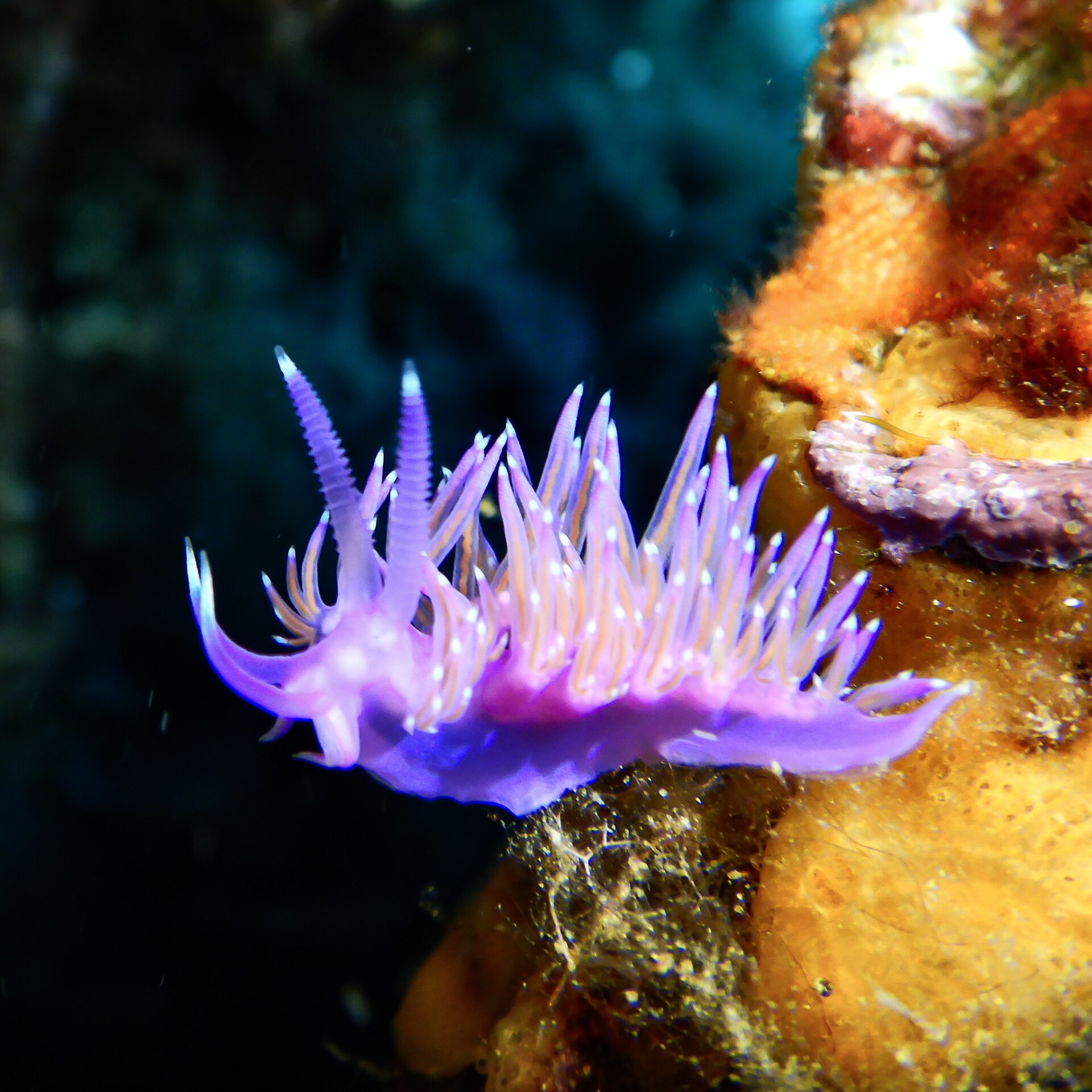
French Mediterranean: Riviera, Provence and CorsicaCan be seen all year round: flabellinas on the gorgonians and sponges
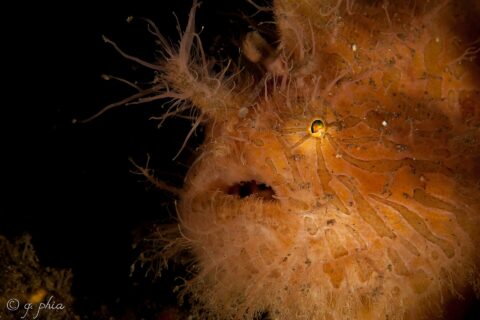 IndonesiaReef
Lembeh Strait
Sulawesi: Bunaken and LembehPeak season all year round: dozens of species per dive, the strait's original specialty
 TanzaniaPelagic
Leven Bank
ZanzibarPeak season all year round: on the low coral of the plateau, for those who look at the bottom
 FranceWreck
Liban wreck (Marseille)
French Mediterranean: Riviera, Provence and CorsicaCan be seen all year round: on the hull plates, look for them with a light
 EgyptWreck
Salem Express wreck
Central Red Sea, EgyptPeak season all year round: on the railings and davits, for macro
How do you identify a nudibranch?
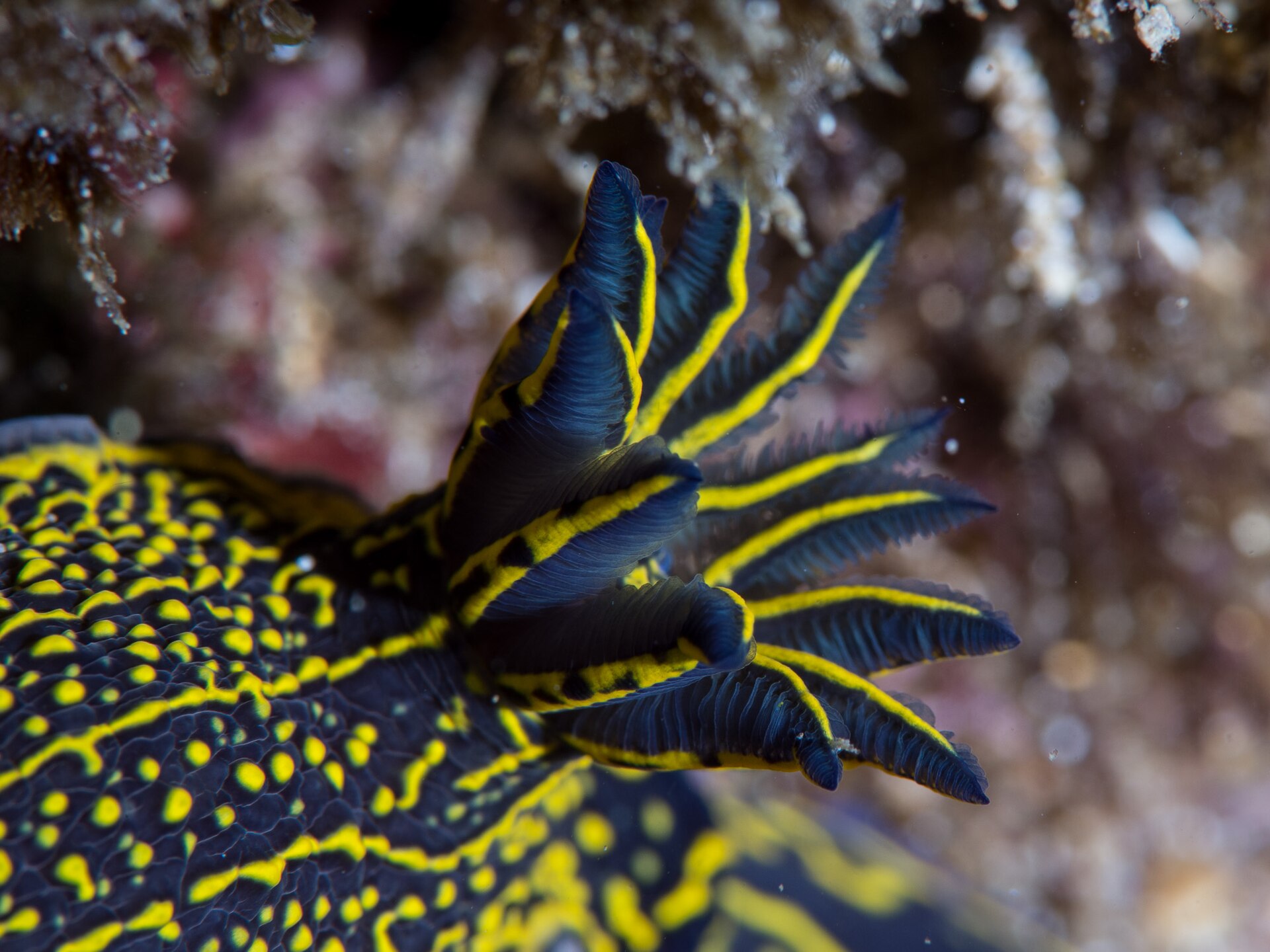
Nudibranchs are gastropod mollusks, cousins of snails, that lose their shell at the end of their larval life. Their name, from the Latin nudus and the Greek bránkhia, means naked gills: they breathe through organs exposed to the water. On the head, two rhinophores, often club-shaped, pick up chemicals in the water and guide the animal to its food and its mates. Underwater, you can tell two main body shapes apart. Dorids carry a plume of feathery gills in a rosette around the anus, at the back. Aeolids have no gills but cerata, colorful papillae that cover the back and help them breathe, digest and defend themselves. Sizes range from 4 millimeters to 60 centimeters, and the often vivid colors change from one species to the next.
Nudibranchs in pictures
How do nudibranchs live?
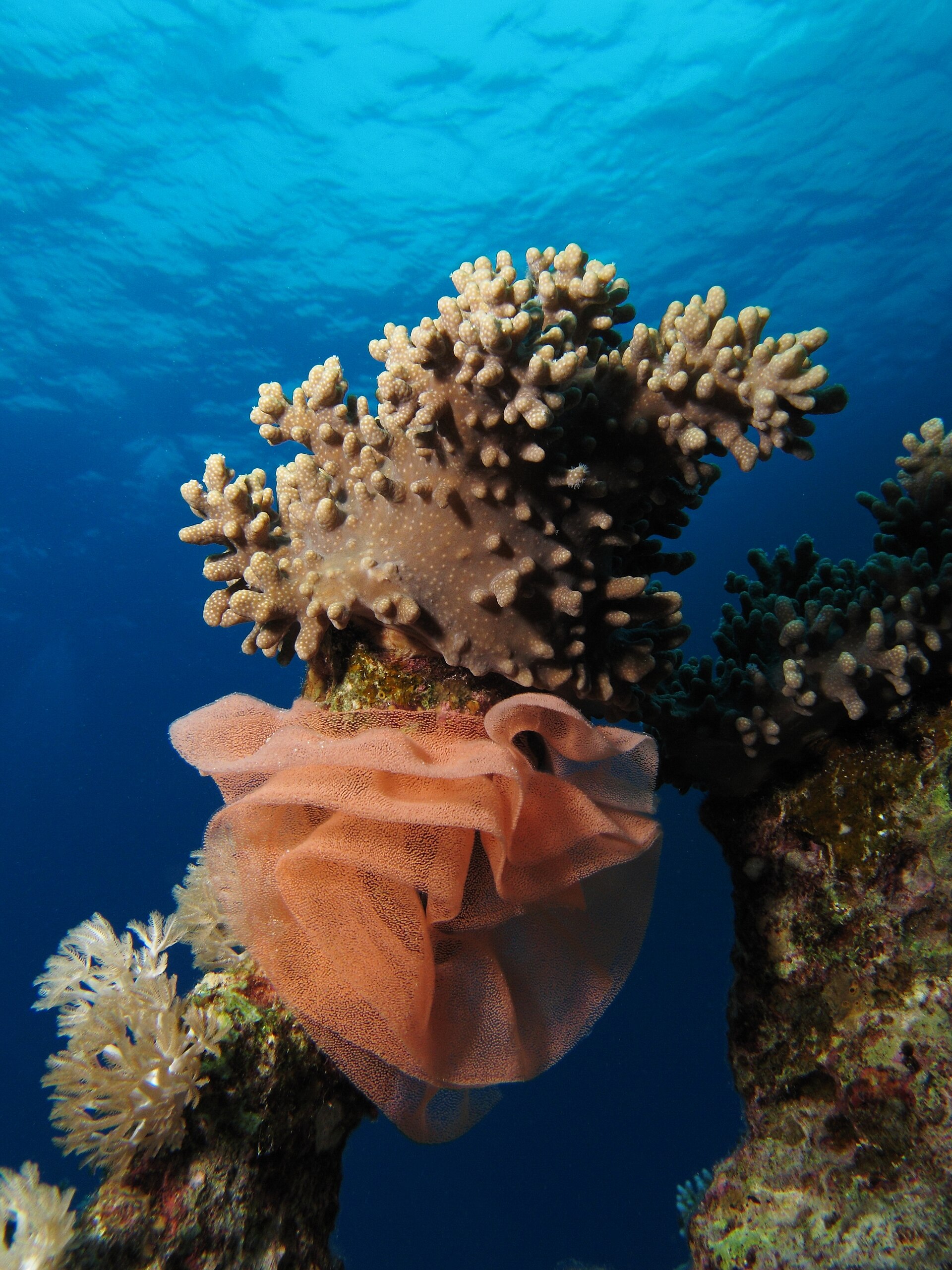
Nudibranchs live in every sea on the planet, from the Arctic to the Antarctic, and at almost every depth, from the intertidal zone to more than 700 meters; they are most diverse in the tropics, around coral reefs. All are carnivores, and many are highly specialized: sponges, hydroids, bryozoans, anemones, sea squirts, barnacles, and sometimes other nudibranchs or their eggs. They take their defenses from their prey: some keep the toxins of the sponges they graze, others store in their cerata the stinging cells of the hydroids they eat, and a few secrete acid when disturbed. Hermaphrodites, they mate in pairs, each fertilizing the other, and lay their eggs in gelatinous spiral ribbons. They live from a few weeks to a year.
Where and when can you see nudibranchs?
You will find them almost everywhere, but not in the same numbers. The Lembeh Strait, in Indonesia, shows dozens of species per dive, all year, and it is the place to go for them. At Bunaken and Crystal Bay, look for them on sponges and on the sand during your safety stop. In the Red Sea, they live on the soft corals of the wrecks, the Dunraven, Abu Nuhas and the Salem Express, and on the walls of the Dahab Blue Hole. In Tanzania, check the low coral of Leven Bank and the wall of Misali Island. In the Mediterranean, you need a light: search the plating of the Liban wreck and the sea fans of La Gabinière, home to flabellinas. In the Azores, around the Madalena islets, Tambja ceutae and Hypselodoris picta come out in May and June. Our dive site pages also report them on the Thistlegorm, on the Liberty, at Pescador Island and at Monad Shoal.
Why are nudibranchs so colorful?
The bright colors of nudibranchs are usually read as a warning to predators, since many are toxic or armed with stolen stinging cells, but this role is still debated: other species do the opposite and rely on camouflage, mimicking the attached invertebrates they live on. For divers, these colors are the whole charm of macro: each species has its own, and many owe a nickname to it, such as clown or dragon. Look at them without touching them and without moving them for a photo: they are soft, fragile animals that rarely leave the sponge or coral they feed on.
Our tip
Slow down and look closely: on a sponge, a soft coral or a sheet of wreck plating, a nudibranch a few centimeters long barely moves. Hold yourself steady above the bottom without putting a hand or a fin down, and frame it head-on to show its rhinophores. A light, even by day, brings out its colors.