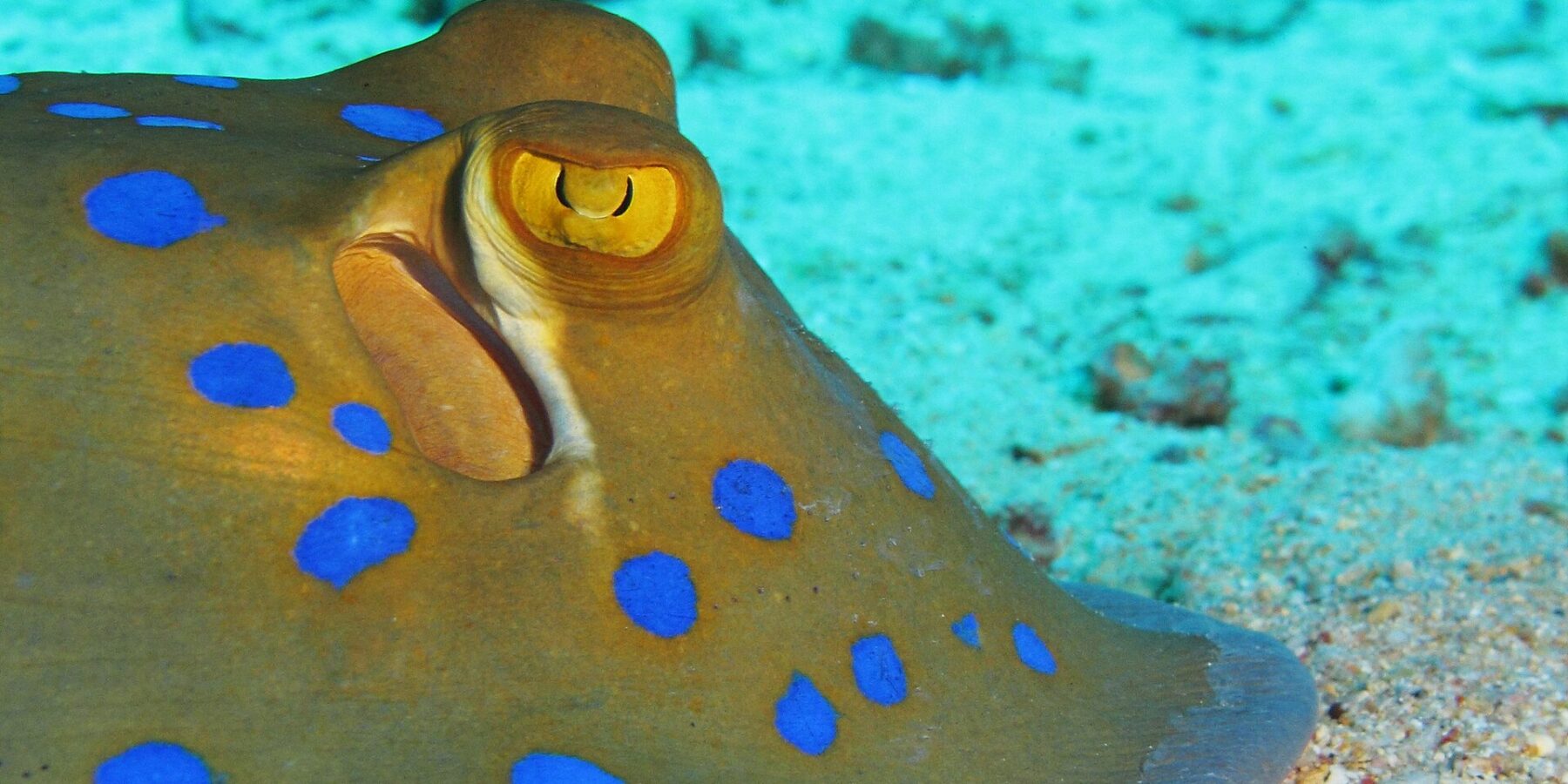
The bluespotted ribbontail ray spends the day hidden under a table coral, its tail sticking out. You will find it on the sand at the foot of reefs, in the Red Sea, Tanzania and Indonesia, in every season. In Egypt, start with the Giannis D wreck at Abu Nuhas.
Where to dive to see the bluespotted ribbontail ray?
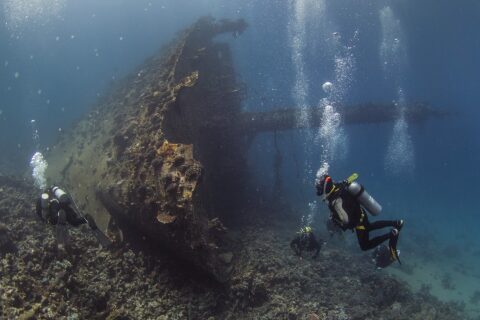
 EgyptReef
Abu Nuhas wrecks
Central Red Sea, EgyptPeak season all year round: on the sand, at the foot of the Giannis D
 IndonesiaReef
Bunaken, Lekuan walls
Sulawesi: Bunaken and LembehPeak season all year round: on the sand slopes of Lekuan 3 and on the plateau at the top
 IndonesiaPelagic
Crystal Bay
Bali and Nusa PenidaPeak season all year round: on the sand at the bottom of the bay, under the boulders
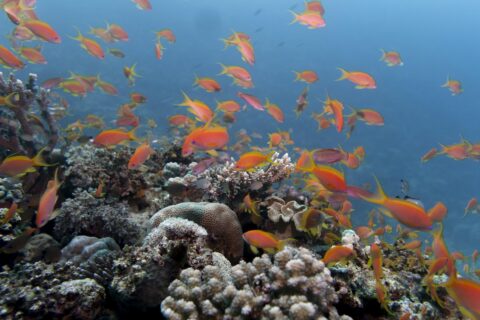 EgyptReef
Giftun Islands
Central Red Sea, EgyptPeak season all year round: on the sand of the plateau, under the table corals
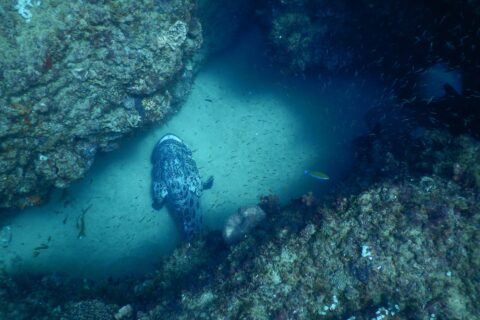
 TanzaniaPass
Kinasi Pass
Mafia IslandPeak season all year round: on the sand of the coral gardens and coral heads
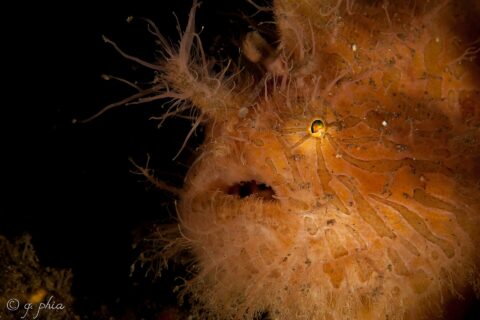 IndonesiaReef
Lembeh Strait
Sulawesi: Bunaken and LembehPeak season all year round: resting on the black sand
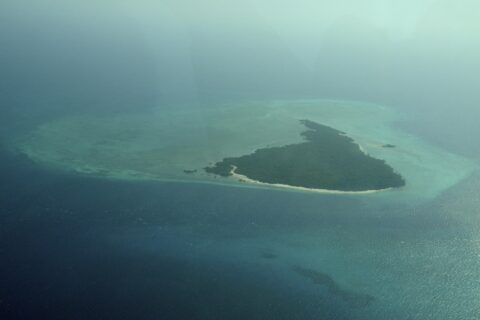 TanzaniaReef
Misali Island
PembaPeak season all year round: on the sand between the coral heads
 TanzaniaReef
Mnemba Atoll
ZanzibarPeak season all year round: on the sand, under the coral overhangs
 EgyptReef
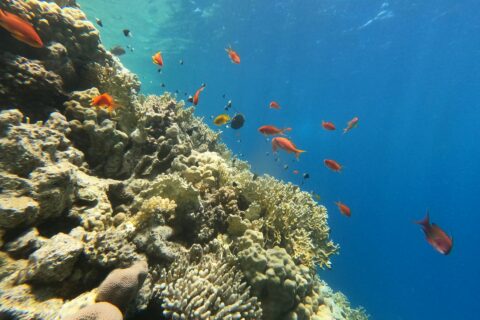
Panorama Reef
Central Red Sea, EgyptPeak season all year round: on the sand of the south plateau
How do you identify a bluespotted ribbontail ray?
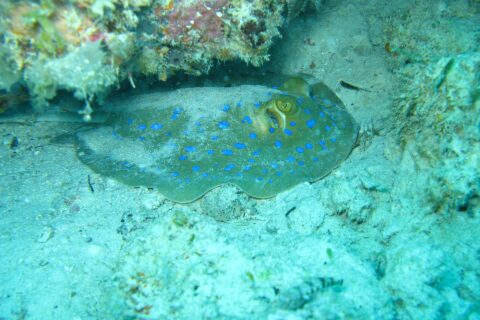
The bluespotted ribbontail ray, also called the bluespotted stingray, is a small ray whose oval, regular pectoral disc is no more than 35 centimeters across. The large eyes bulge, and the short, thick tail has a fin fold. It is impossible to mistake: many electric blue spots cover a yellowish background, and the tail is marked with two blue stripes. It is one of the most photographed rays in the Red Sea.
How does the bluespotted ribbontail ray live?
It frequents coastal habitats and the edges of coral reefs in the Indian Ocean and the western Pacific, from the intertidal zone down to 30 meters. On the rising tide, it joins others of its kind and hunts in small groups on the sand flats, for bottom-dwelling invertebrates and small fish. As the tide falls, it leaves the group and retreats to shelter under the reef. It is ovoviviparous, with up to seven pups per litter. Its tail carries venomous spines that can inflict a painful sting, but it flees as soon as it feels threatened. Its beauty makes it a target for the aquarium trade, even though it copes poorly with captivity, and reef degradation weighs on its populations.
Where and when can you see bluespotted ribbontail rays?
The bluespotted ribbontail ray lives wherever there is sand at the foot of a reef. In the Red Sea, look for it on the sand at the foot of the Giannis D wreck, at Abu Nuhas. It also rests on the plateaus of the Giftun Islands and Panorama Reef, and on the Yolanda plateau at Ras Mohammed. You will also find it in the sandy bays of southern Egypt. By day, look for the tail sticking out from under a table coral or from a crack in the reef.
In the Indian Ocean, in Tanzania, it stays on the sand between coral heads, at Misali and Kinasi Pass. At Mnemba, you will see it on the sand, under the coral overhangs.
In Indonesia, it rests on the black sand of the Lembeh Strait and on the sandy slopes of Bunaken. In Bali, it lies under the boulders at the bottom of Crystal Bay. At each of these sites, it is there all year round: the season doesn't matter.
How should you approach a bluespotted ribbontail ray?
Approach it slowly, from the front, without cornering it in its hiding place, and never put a hand or a knee on the sand near its tail: the sting, though rare, is very painful. A flash or a cast shadow sends it darting off; stillness and patience bring it back out.
Our tip
It often lies under a table coral or in a crevice, its tail sticking out: approach from the front, slowly, without cornering it, and never put a hand or a knee near its tail.