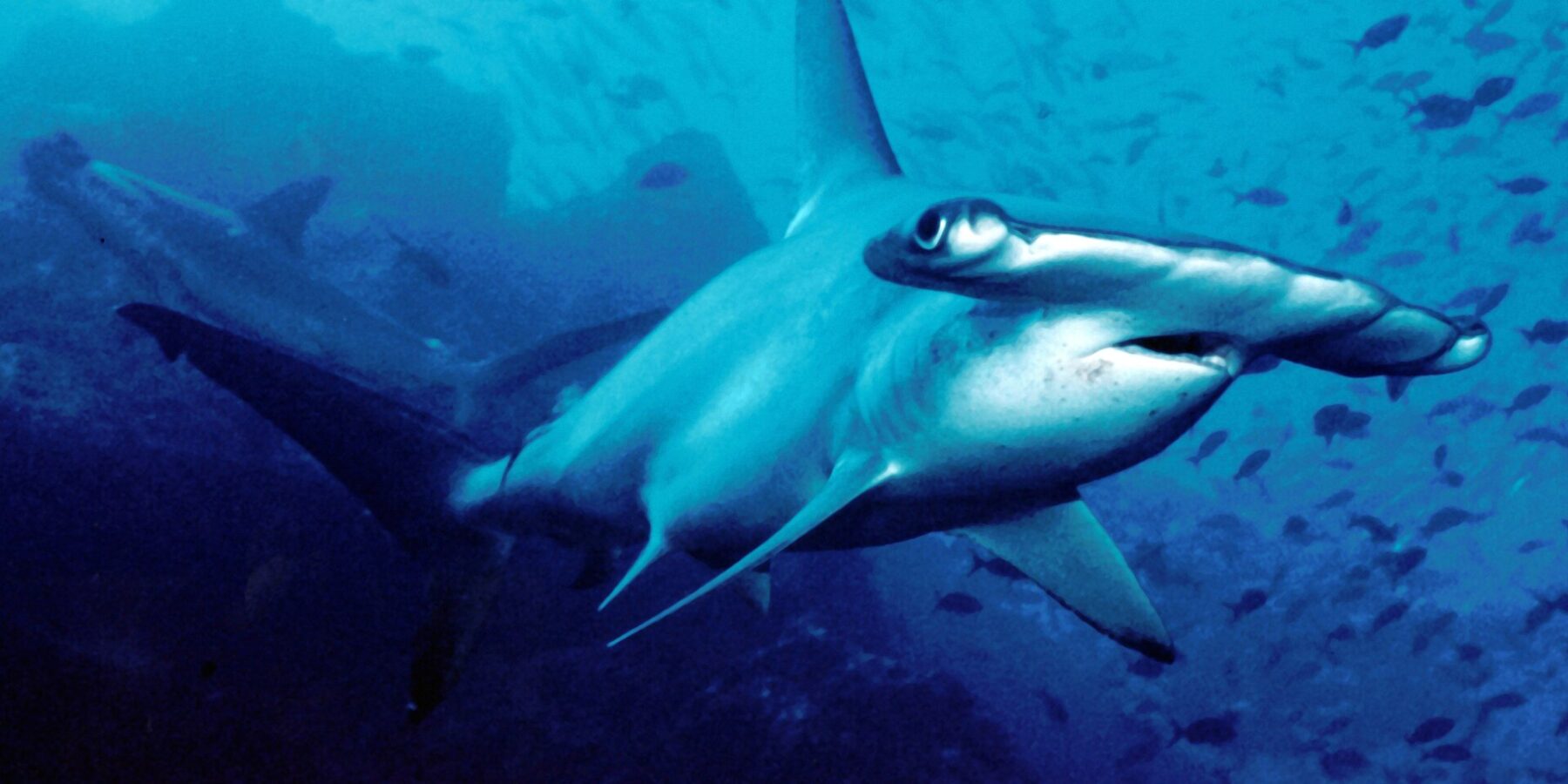
The scalloped hammerhead schools in the blue, away from the walls, often early in the morning, and the biggest schools pass Cocos Island, Costa Rica, from June to November. In the Red Sea, aim for Daedalus from May to July; in the Maldives, the Rasdhoo channel at dawn, from December to April.
Where to dive to see the scalloped hammerhead?
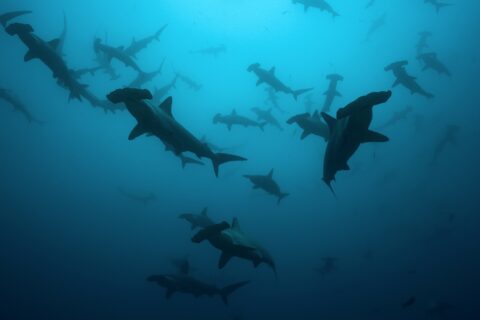
 Costa RicaPelagic
Bajo Alcyone
Cocos IslandPeak season from June to November: by the hundreds above the cleaning stations, at their peak from August to October; present year-round in smaller groups
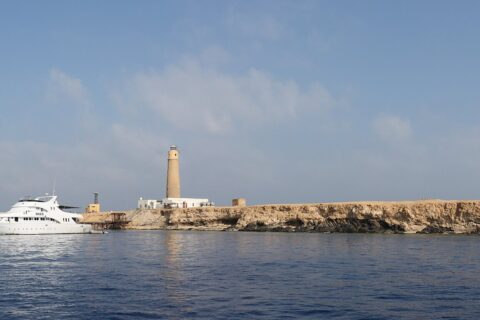
 EgyptPelagic
Brothers Islands
Southern Red Sea, EgyptPeak season from May to July: in the blue off the north plateau of Small Brother, in summer, early in the morning
 Costa RicaCave or cenote
Caño Island
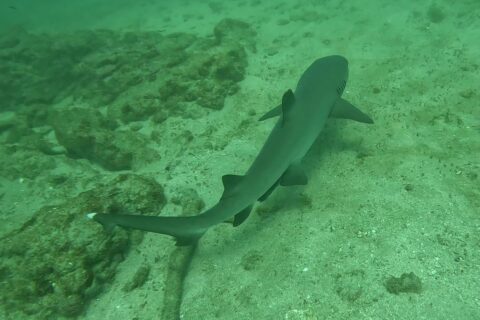
South Pacific: Osa and Caño IslandCan be seen all year round: occasional at El Faro and Bajo del Diablo, as single animals
 EgyptPelagic
Daedalus Reef
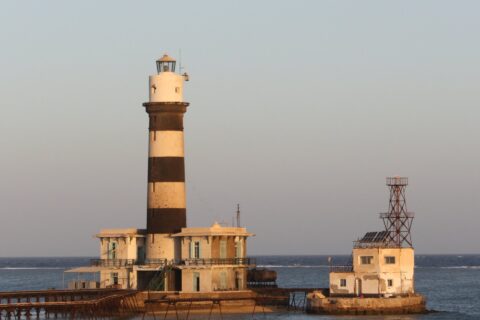
Southern Red Sea, EgyptPeak season from May to July and from September to November: schooling off the north point from May to July; closer to the surface from September to November
 Costa RicaPelagic
Dirty Rock
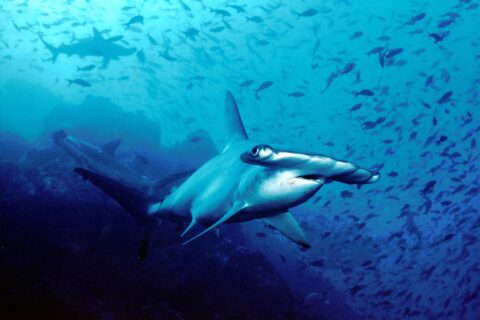
Cocos IslandPeak season from June to November: schooling at the cleaning stations on the walls, year-round, at their peak from June to November
 MexicoPelagic
El Boiler
Revillagigedo Islands (Socorro)Can be seen all year round: schools mostly at The Canyon, south of the island, sometimes off the Boiler
 EgyptPelagic
Elphinstone Reef
Southern Red Sea, EgyptPeak season from June to August: in the blue off the north point, in summer, early in the morning
 MexicoReef
Los Islotes
Sea of Cortez: La Paz and Cabo PulmoCan be seen all year round: not at Los Islotes itself: on the El Bajo seamount, a separate trip that depends on the weather
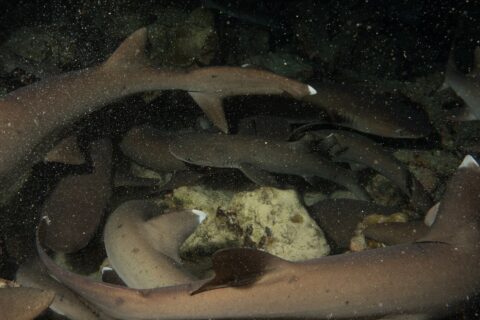 Costa RicaPelagic
Manuelita
Cocos IslandPeak season from June to November: at the cleaning stations on the outer slope, in big schools from June to November
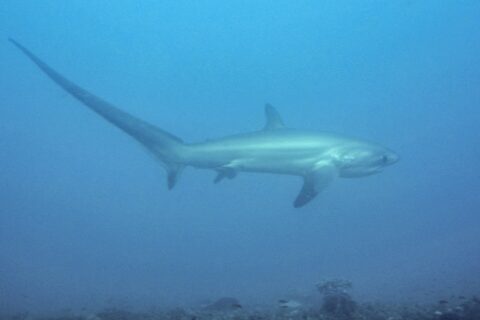
 PhilippinesPelagic
Monad Shoal and Kimud Shoal
Visayas: Cebu, Bohol and NegrosPeak season from February to March: schooling in the blue off Kimud Shoal, in February and March
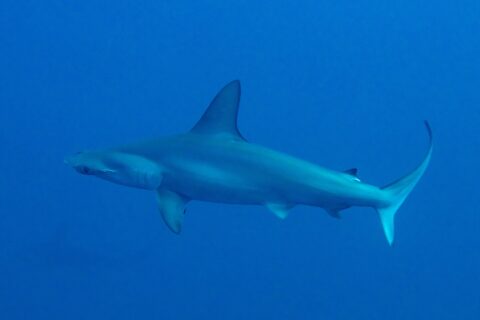
 MaldivesPelagic
Rasdhoo Madivaru
Ari and Rasdhoo atollsPeak season from December to April: resident in the channel all year, schooling off the wall between 5:30 and 7:30 a.m., most regular from January to April
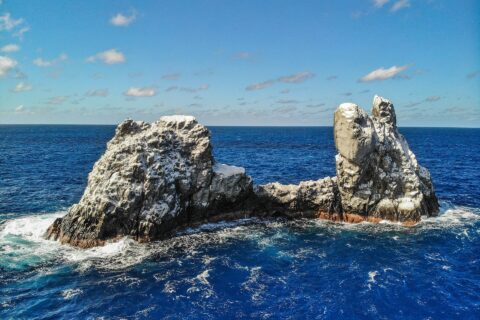 MexicoPelagic
Roca Partida
Revillagigedo Islands (Socorro)Peak season from November to May: schooling in the blue, off the corners of the rock; move away from the walls to see them
 EgyptCave or cenote
St. John's and Fury Shoals
Southern Red Sea, EgyptPeak season from June to July: in the blue off the habilis, in summer
How do you identify a scalloped hammerhead?
Like all hammerheads, it has a very flat head widened into a hammer, with the eyes at the tips. The front edge of the hammer is scalloped, and that scalloped edge gives the species its name. Medium to large, it can reach 4.30 meters and weigh over 150 kg. The back is pale gray to brown, sometimes greenish, and the belly yellow or off-white. The lower lobe of the tail and the underside of the pectoral fins are marked with black, at least in juveniles. The first dorsal fin is tall and triangular.
How does the scalloped hammerhead live?
Found in all tropical and warm temperate seas, it is the most abundant hammerhead in coastal waters, but it is also pelagic and ranges as far as river mouths. Some populations stay put, others migrate. Juveniles often form schools of more than a hundred; adults live alone or in pairs. Potentially dangerous to humans, it is in fact rarely aggressive with divers, and rather shy. The species is listed as Critically Endangered and in Appendix II of CITES.
Where and when can you dive with scalloped hammerheads?
In the Red Sea, the hammerhead schools are one of the big reasons to take a liveaboard in the south. At Daedalus, they hold in the blue off the north point from May to July. They come back from September to November, closer to the surface. At the Brothers and Elphinstone, they rise in the blue in summer, early in the morning. In the north, you will see them at Jackson Reef, in the Strait of Tiran, from June to August.
In the Pacific, Cocos Island, in Costa Rica, is their great meeting place. At Bajo Alcyone, they pass by the hundreds over the cleaning stations, with a peak from August to October. At Dirty Rock and Manuelita, the big schools rise to the cleaning stations from June to November. In Mexico, at Roca Partida, they school in the blue from November to May. To see them, move away from the walls.
In the Maldives, residents live in the Rasdhoo Madivaru channel. They school off the wall between 5:30 and 7:30 a.m., mostly from December to April. In the Philippines, a school passes off Kimud Shoal, near Malapascua, in February and March. For the biggest schools, aim for Cocos Island, from June to November.
How do you dive with scalloped hammerheads?
Hammerheads have to be earned. Go down early, settle on the edge of the plateau at 25 or 30 meters, and wait, still, watching the blue and breathing slowly. The schools come close to a calm group and move off as soon as a diver fins toward them. No flash, no chasing, and an ascent in open water under an SMB, away from the reef. The marine park boats require Advanced and fifty dives for these sites, for good reason.
Our tip
Reach the edge of the plateau before everyone else, settle at 25 or 30 meters without finning and watch the blue: the schools rise toward a still group and flee the first diver who moves forward. No flash, no bursts of bubbles, and an SMB for the ascent in open water.