Where should you dive in Cebu?
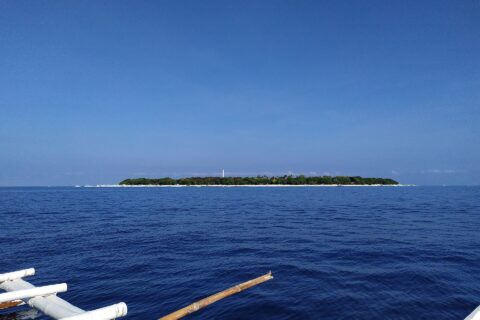
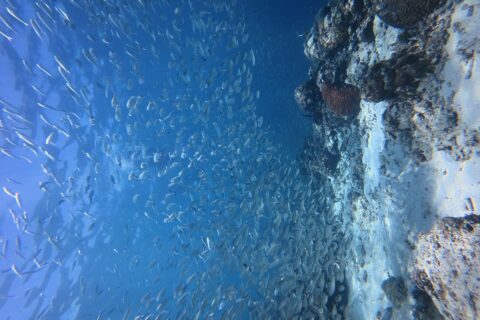
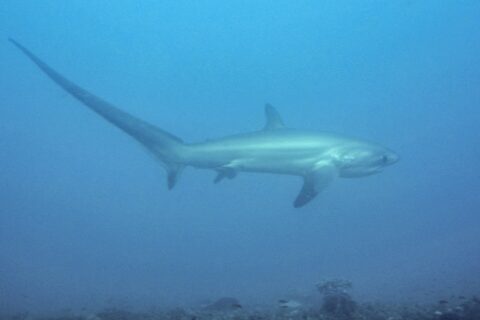
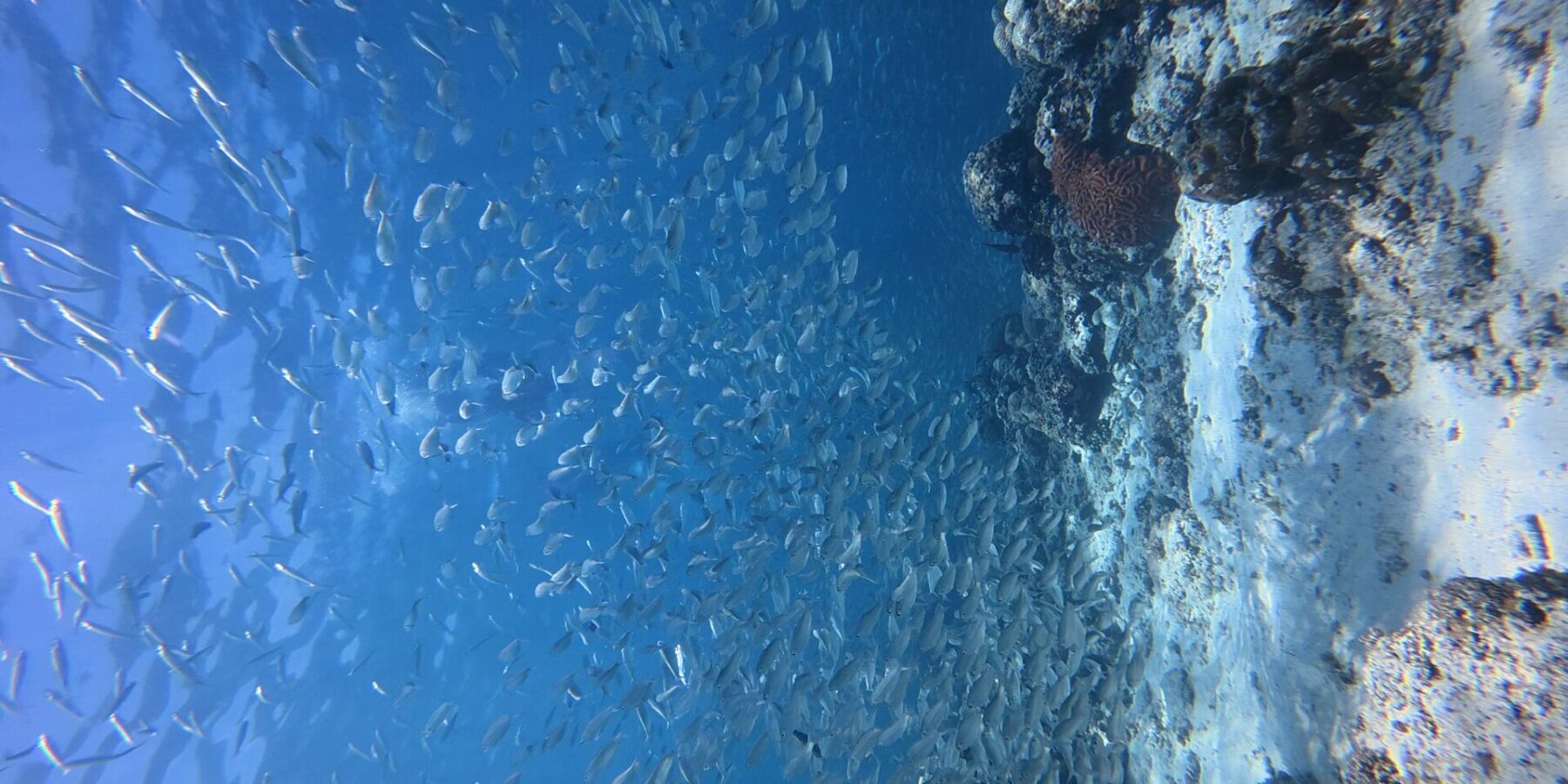
Cebu has the two best-known dives in the country. In the north, the islet of Malapascua, 4 or 5 hours by bus from Cebu City to Maya port and then 30 minutes by banca, lives off its pelagic thresher sharks. They come up at dawn to the cleaning stations of Kimud Shoal, a shoal 15 kilometers offshore, between 12 and 22 meters, and your chance of seeing them is better than 90%. Boats leave between 4:30 and 5:30 a.m., and the Bounty Beach dive centers add Gato Island, with its whitetip shark caves, and the mandarinfish mating display at dusk on the lighthouse reef. In the southwest, you dive Moalboal, 90 kilometers from Cebu City, from shore. The Panagsama Beach sardine school stays there year-round between 1 and 20 meters, twenty meters from the beach, and Pescador Island, 4 kilometers away, offers walls down to 60 meters and the Cathedral chimney, from 28 to 16 meters. Budget PHP 1,200 to PHP 1,950 a dive in Moalboal and PHP 2,300 to PHP 2,500 in Malapascua, plus sanctuary fees.
How do you dive Balicasag from Panglao, Bohol?
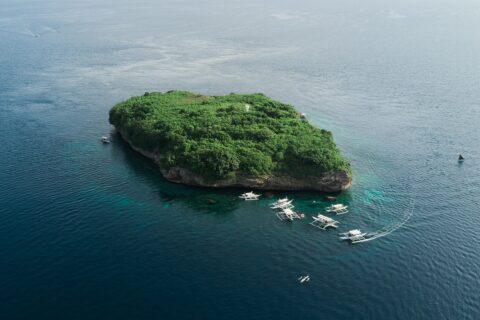
From Alona Beach, on Panglao Island, linked to Bohol by a bridge, bancas reach Balicasag in 40 minutes. The island is 600 meters across and ringed with walls. A community sanctuary since the 1980s, it is limited to 150 divers a day and two dives per person, with its tornadoes of jacks, its green turtles and visibility of up to 35 meters in the dry season. Three dives at Balicasag cost PHP 6,500 at Haka Dive Center. Seaquest charges PHP 1,900 a dive, with a PHP 500 entrance fee per day on top.
How do you dive Apo Island from Dauin, Negros?
On the east coast of Negros, Dauin, 30 kilometers south of Dumaguete, lines up dive centers facing Apo Island, 30 to 45 minutes away by banca. The 74 hectare volcanic island is the most famous community marine reserve in the country, founded in 1982 with Silliman University and protected by the state since 1994: more than 650 species of fish, 400 of coral, green and hawksbill turtles on every dive, and the current of Coconut Point for experienced divers. A three-dive day costs PHP 5,500 to PHP 6,400 at the Dauin dive centers, the PHP 300 entrance fee and meals included. Dauin's black sand, for its part, is dived in the evening for macro.
When is the best time to dive the Visayas?
The water in the Visayas ranges from 27 °C in February to 30 °C in June. The dry season, from November to May, brings the calmest sea and the best visibility, 20 to 35 meters. The amihan, the northeast wind from November to February, sometimes makes the crossing to Malapascua uncomfortable. From June to October, rain and typhoons can cancel trips, without closing the dive centers. Cebu, Bohol and Negros are linked by fast ferry in a few hours, so you can combine all three bases in ten days.
 PhilippinesReef