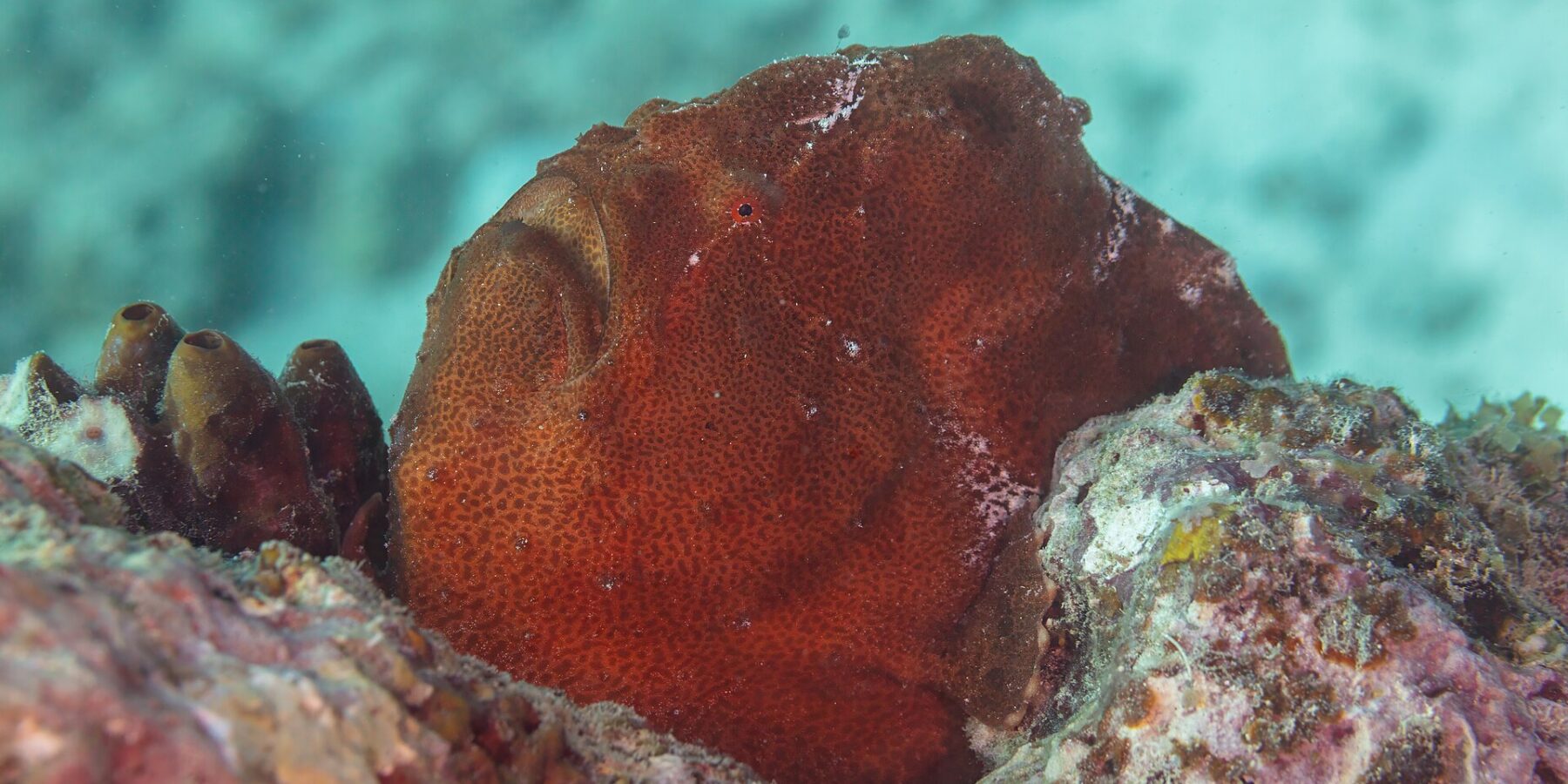
The frogfish is an angler: sitting on a sponge it mimics perfectly, it waves a lure at the tip of a spine and sucks in its prey in six milliseconds. The family includes the giant frogfish, up to 45 centimeters, and the hairy frogfish, emblem of the Lembeh Strait, where you look for them all year behind a guide.
Where to dive to see the Frogfish?
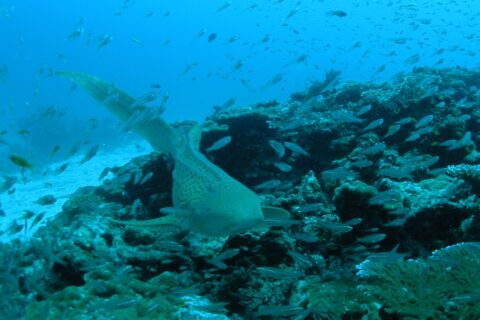
 ThailandReef
Elephant Head Rock
Andaman Sea: Similan, Surin and LantaCan be seen all year round: clinging to sponges, look for them with a light
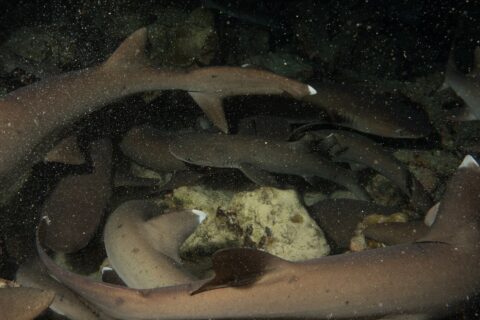
 Costa RicaPelagic
Manuelita
Cocos IslandPeak season all year round: orange, on the boulders of the inner garden
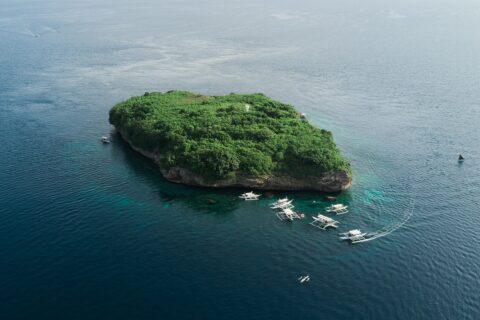
 PhilippinesReef
Pescador Island
Visayas: Cebu, Bohol and NegrosPeak season all year round: giant and painted frogfish, sitting on the sponges of the wall
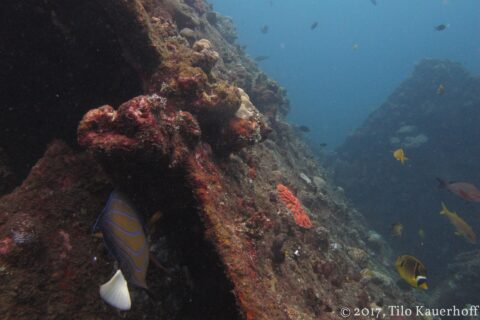
 IndonesiaShore dive
USAT Liberty wreck
Bali and Nusa PenidaPeak season all year round: sitting on sponges and in the nooks of the hull plates
How do you identify a frogfish?
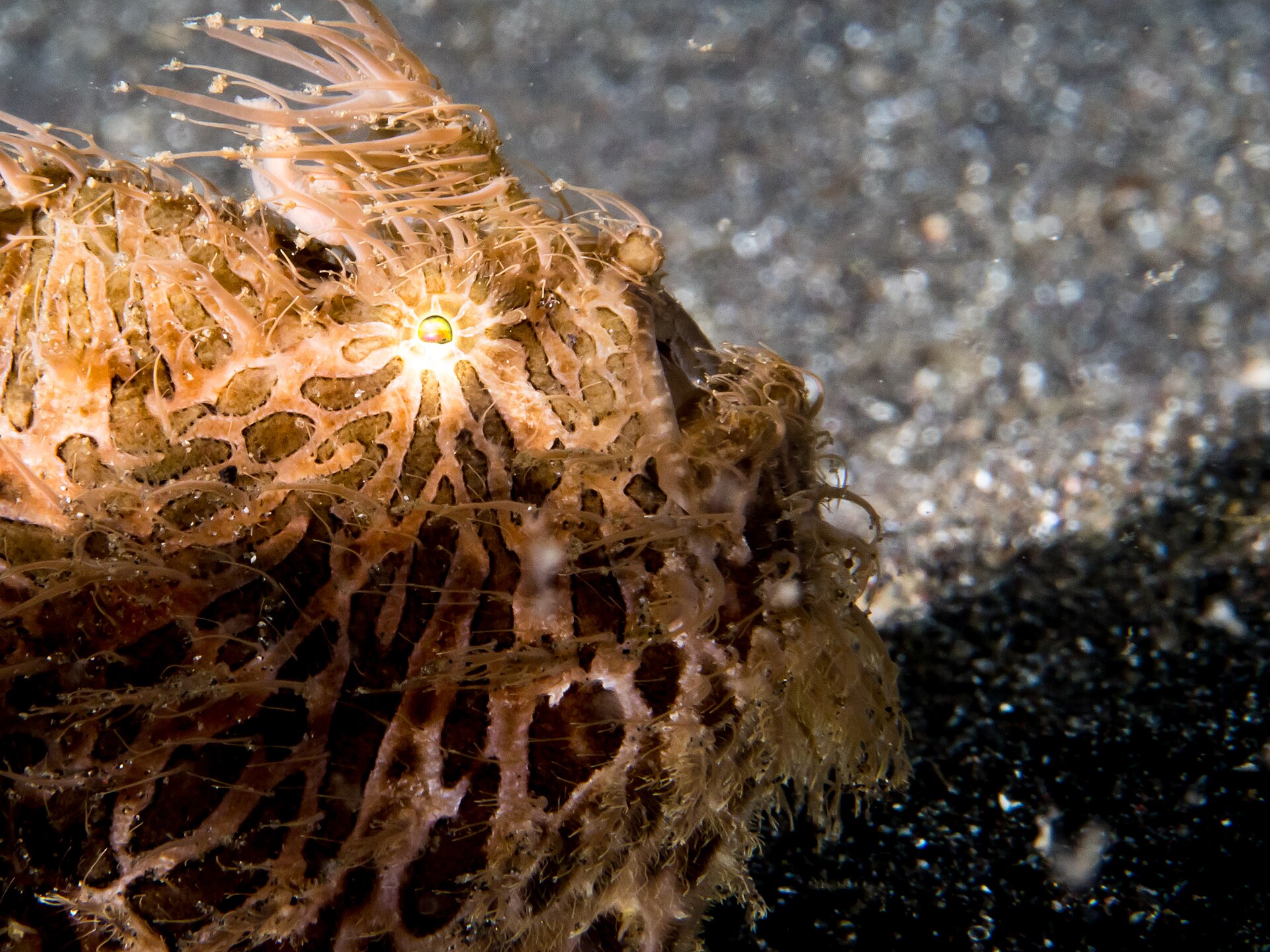
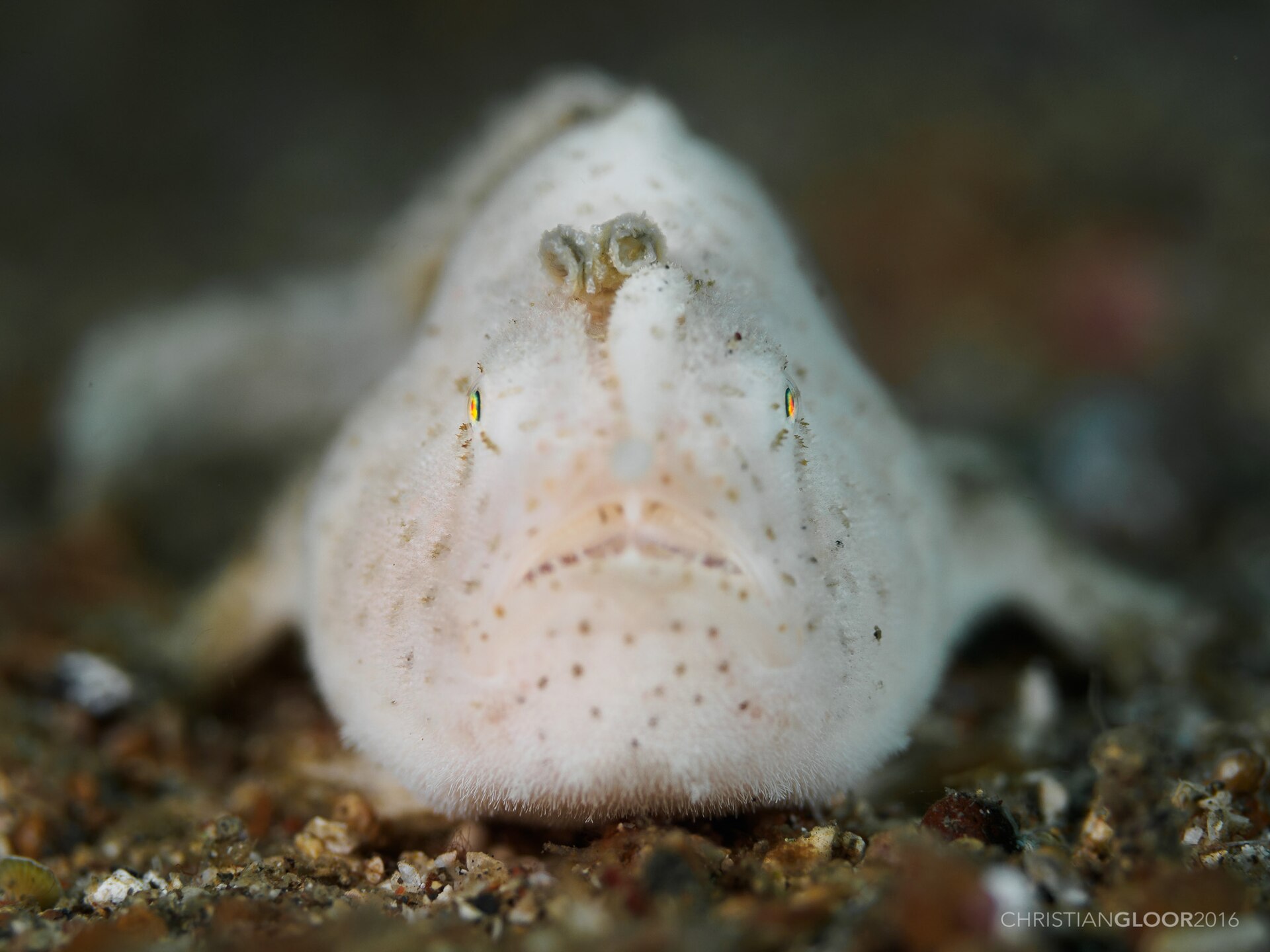
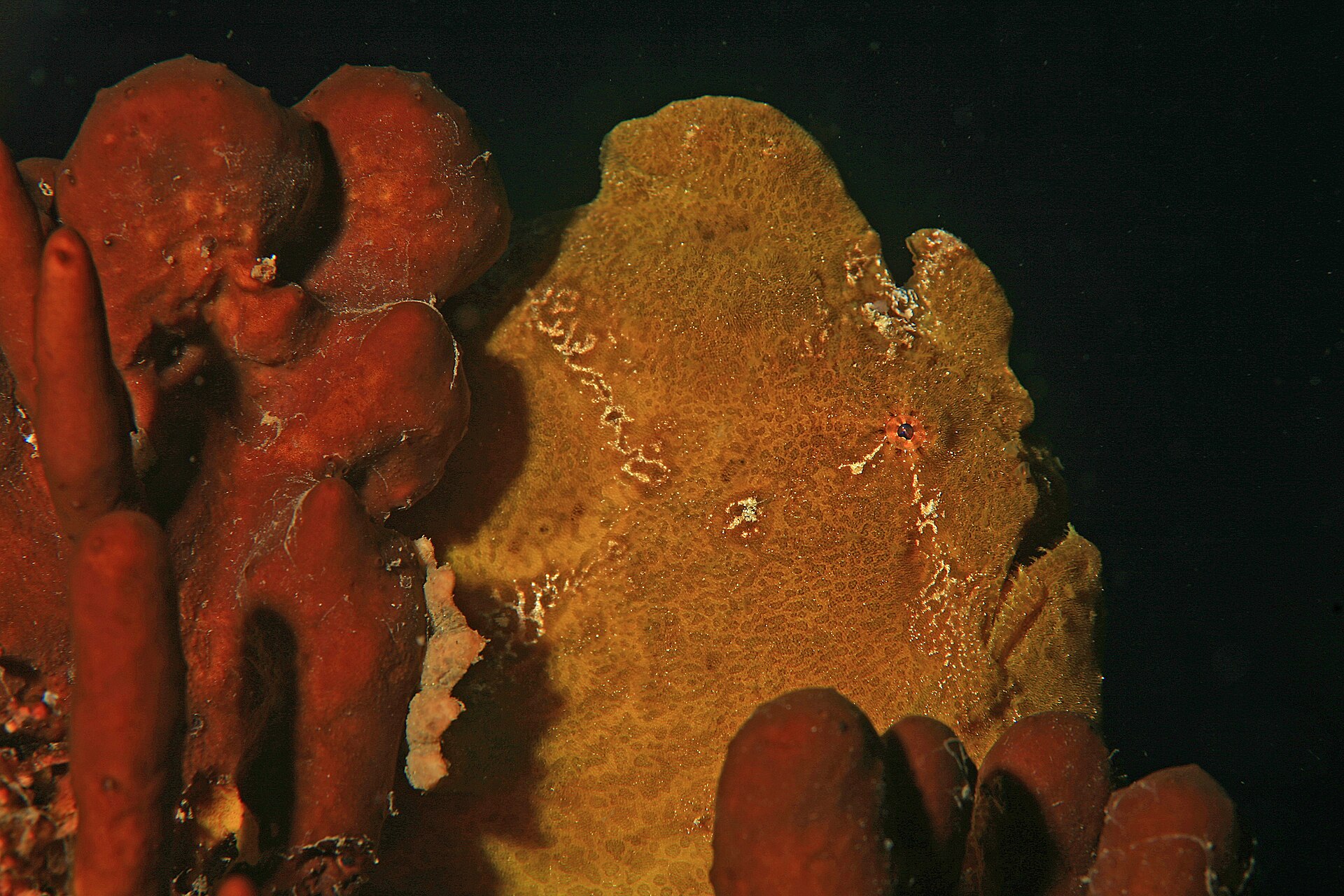
Frogfish form the family Antennariidae. Their body is stocky, tall and round, scaleless, covered in soft skin bristling with tiny forked spinules, and their big mouth opens upward. They measure 2.5 to 38 centimeters; the largest, the giant frogfish (Antennarius commerson), reaches 45 centimeters. Their first dorsal spine has become a fishing rod, the illicium, tipped with a lure, the esca, whose shape changes from one species to the next: a small fish, a shrimp, a worm or a simple tuft. Their colors run from white to black through yellow, orange, red and green, and many change color within a few days or weeks to blend into their surroundings. The hairy frogfish is a form of the striated frogfish (Antennarius striatus): its skin is covered in spinules as long as hairs.
Frogfish in pictures
How does the frogfish live?
Frogfish live on the bottom, around coral and rocky reefs, down to 100 meters, in the tropical and subtropical seas of the Atlantic, the Indian Ocean, the Red Sea and the Pacific, but not in the Mediterranean; they are most diverse in the Indo-Pacific, around Indonesia. Solitary, they spend their days motionless, disguised as a rock, a coral, a sponge or a sea squirt, and hunt by ambush: the waving lure draws in a fish or a shrimp, then the mouth snaps open and sucks in the prey in six milliseconds. Their stomach stretches enough to swallow prey twice their size. They walk on the bottom on their pectoral and pelvic fins, at a walk or a slow gallop, and jet forward by pushing water out through their gill openings. The giant frogfish favors lagoons and sheltered reefs, often on big sponges, down to 70 meters; the striated frogfish sits on rock, sand or rubble. The IUCN lists both as Least Concern.
Where and when can you see frogfish?
The Lembeh Strait, in Indonesia, is the top spot: the hairy frogfish, covered in filaments and sitting on the sand with its lure raised, is the emblem of the strait, and the other species come in every color on the sponges, all year. In Bali, the USAT Liberty wreck hosts them all year on the sponges and in the nooks of the plating. In the Philippines, the walls of Pescador Island hide giant and painted frogfish in every season, sitting on the sponges of the wall. In the Maldives, you look for the Maaya Thila frogfish with a light on the plateau, all year. In Costa Rica, in the inner garden of Manuelita, at Cocos Island, orange frogfish sit on the boulders all year. In Thailand, at Elephant Head Rock in the Similans, they cling to sponges and you look for them with a light from October to May. Our dive site pages also report them at Apo Island, Balicasag, Moalboal, Monad Shoal and Richelieu Rock.
How does a frogfish fish with its lure?
The frogfish's lure is its first dorsal spine turned into a fishing rod: it raises it and waves it in front of its mouth, and any prey that comes close to grab it ends up sucked in. The shape of the esca, a small fish, a shrimp, a worm or a shapeless tuft, varies from one species to the next; in the striated frogfish, it looks like a worm. A lost lure grows back. Breeding is just as unusual: the female lays up to 180,000 eggs, held in a ribbon of gelatinous mucus called a raft or a veil.
Our tip
Look at the sponges rather than the blue, and search for a big upturned mouth in the middle of a motionless lump: the guide, who knows the usual spots, will save you time. Approach slowly from the side, without stirring up the sand or touching the sponge it sits on. For photos, a macro lens and soft light are enough, with no burst of flash.