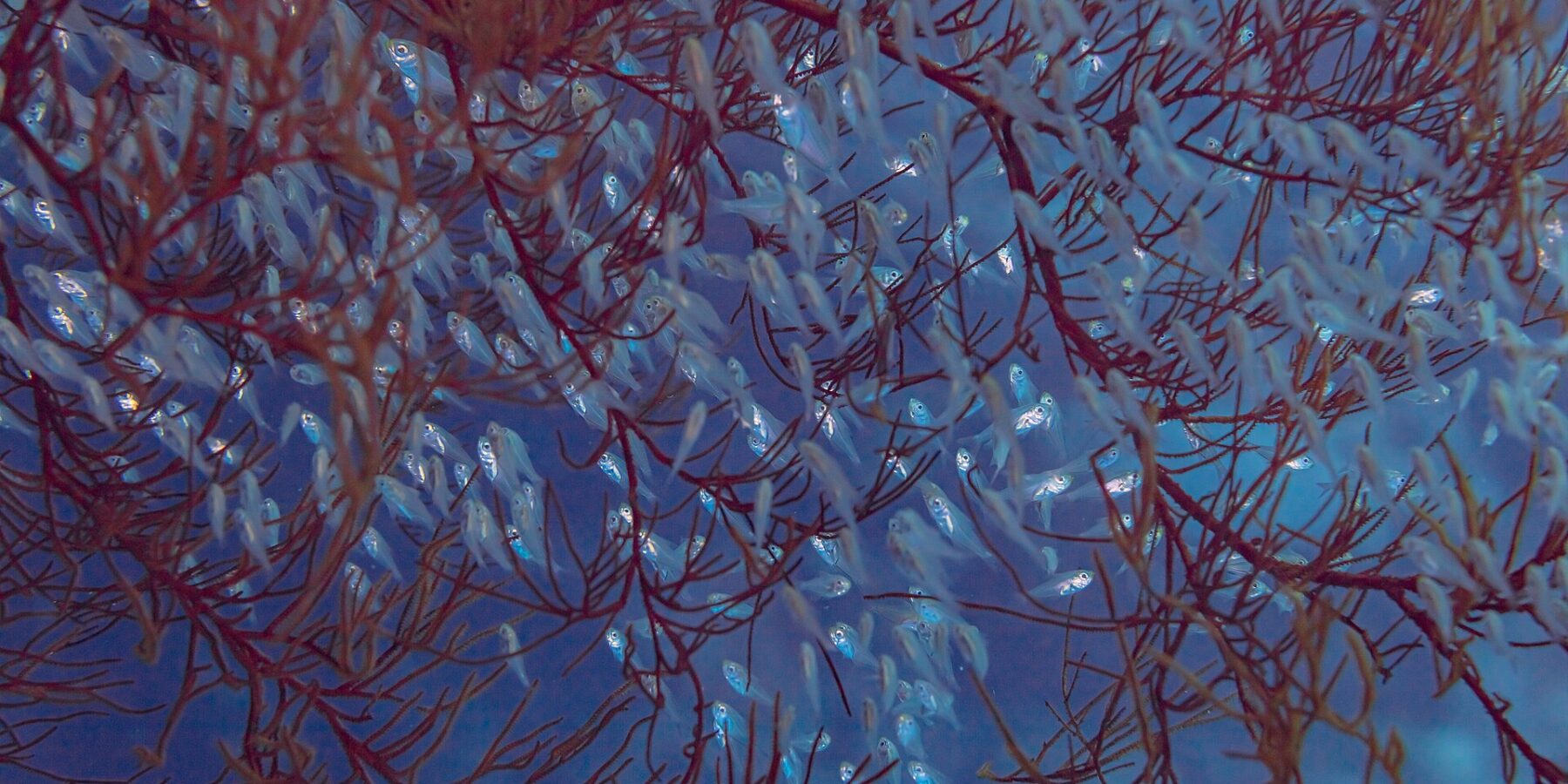
Glassfish are the small copper and gold fish that fill the holds and corridors of Red Sea wrecks in clouds, from the Thistlegorm to the Giannis D. They spend the day packed in shelter and only come out at night to feed on plankton. Groupers, lionfish and trevallies come to hunt in their schools.
Where to dive to see the Glassfish?
 EgyptReef
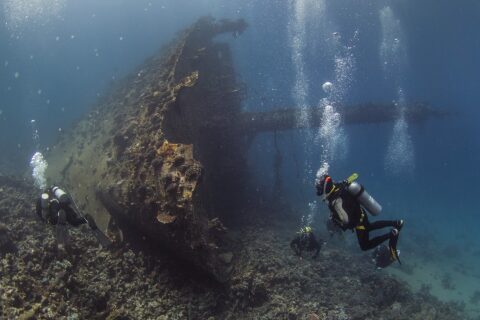
Abu Nuhas wrecks
Central Red Sea, EgyptPeak season all year round: the Giannis D engine room is full of them
 EgyptWreck
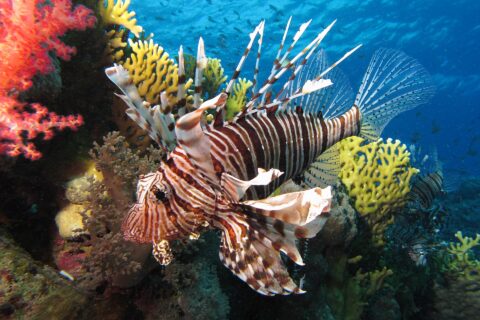
Dunraven wreck
Northern Red Sea, EgyptPeak season all year round: a cloud filling the hull, around the boilers
 MaldivesReef
Fish Head (Mushimasmingili Thila)
Ari and Rasdhoo atollsPeak season all year round: in clouds in the cavities, with feather stars and black coral
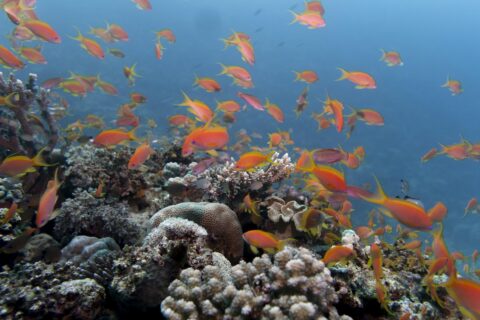 EgyptReef
Giftun Islands
Central Red Sea, EgyptPeak season all year round: the Erg Somaya chimney overflows with them
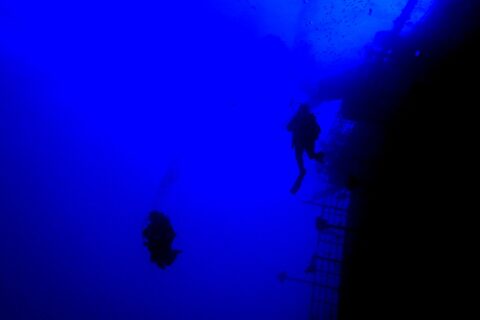 EgyptWreck
Salem Express wreck
Central Red Sea, EgyptPeak season all year round: in clouds under the decks and in the open passageways
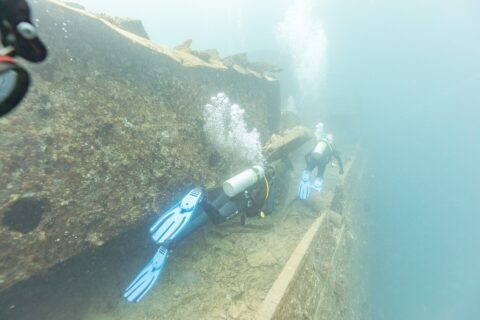 EgyptWreck
SS Thistlegorm
Northern Red Sea, EgyptPeak season all year round: they fill the passageways and hold 2
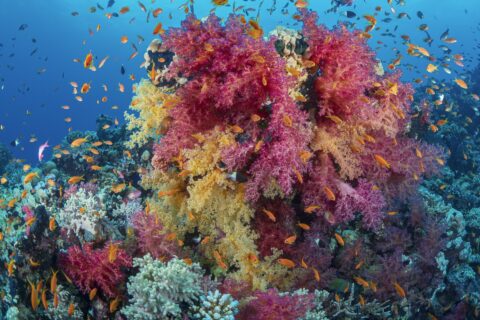 EgyptCave or cenote
St. John's and Fury Shoals
Southern Red Sea, EgyptPeak season all year round: in the caves of Sha'ab Claudio and St. John's Caves
How do you identify glassfish?
The glassfish on these pages belong to the family Pempheridae, also known as sweepers, which has two genera. Their body is compressed and deep, shaped like a hatchet, with large eyes, a short dorsal fin and a long anal fin. They measure 5 to 30 centimeters depending on the species. The smallest, the Parapriacanthus, grow no longer than 10 to 12 centimeters. Their body is translucent in juveniles, hence the name glassfish. The western Pacific adult, Parapriacanthus ransonneti, turns copper, with an almost glowing yellow-green head. In the Red Sea, the small wreck glassfish is Parapriacanthus guentheri, a species found only in that sea and long confused with its Pacific cousin. The Pempheris, the other genus, are larger, with muted colors.
Glassfish in pictures
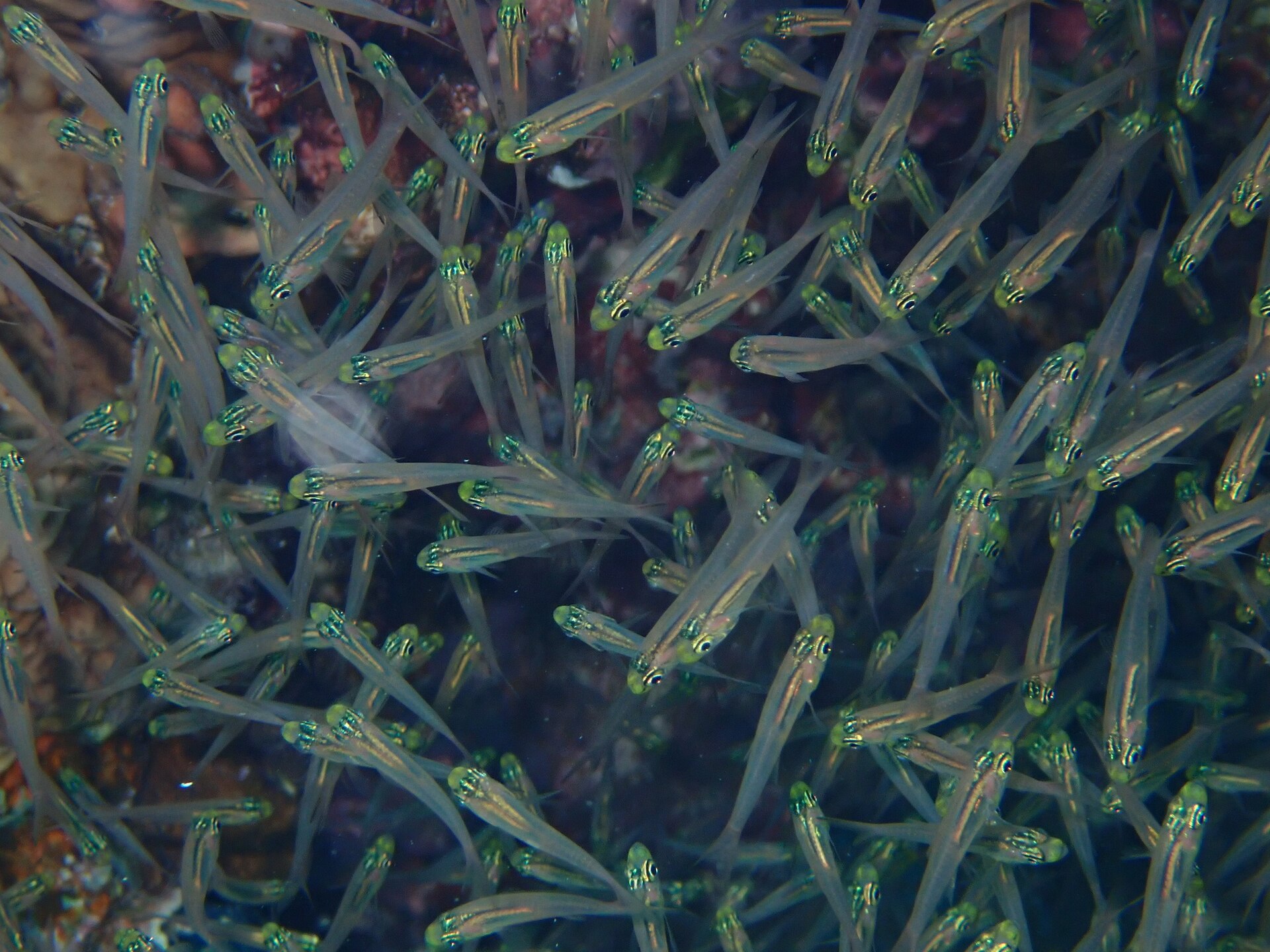
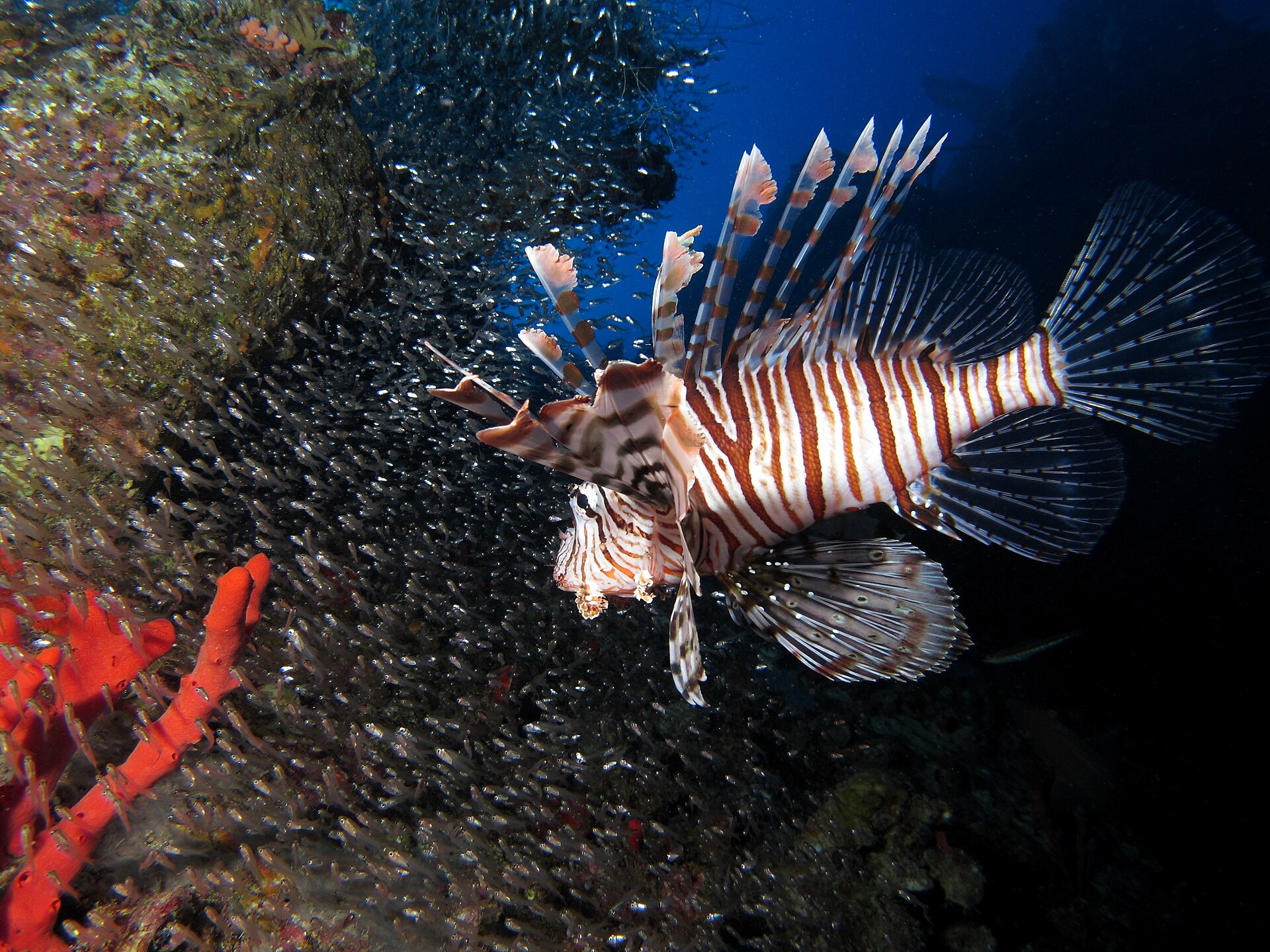
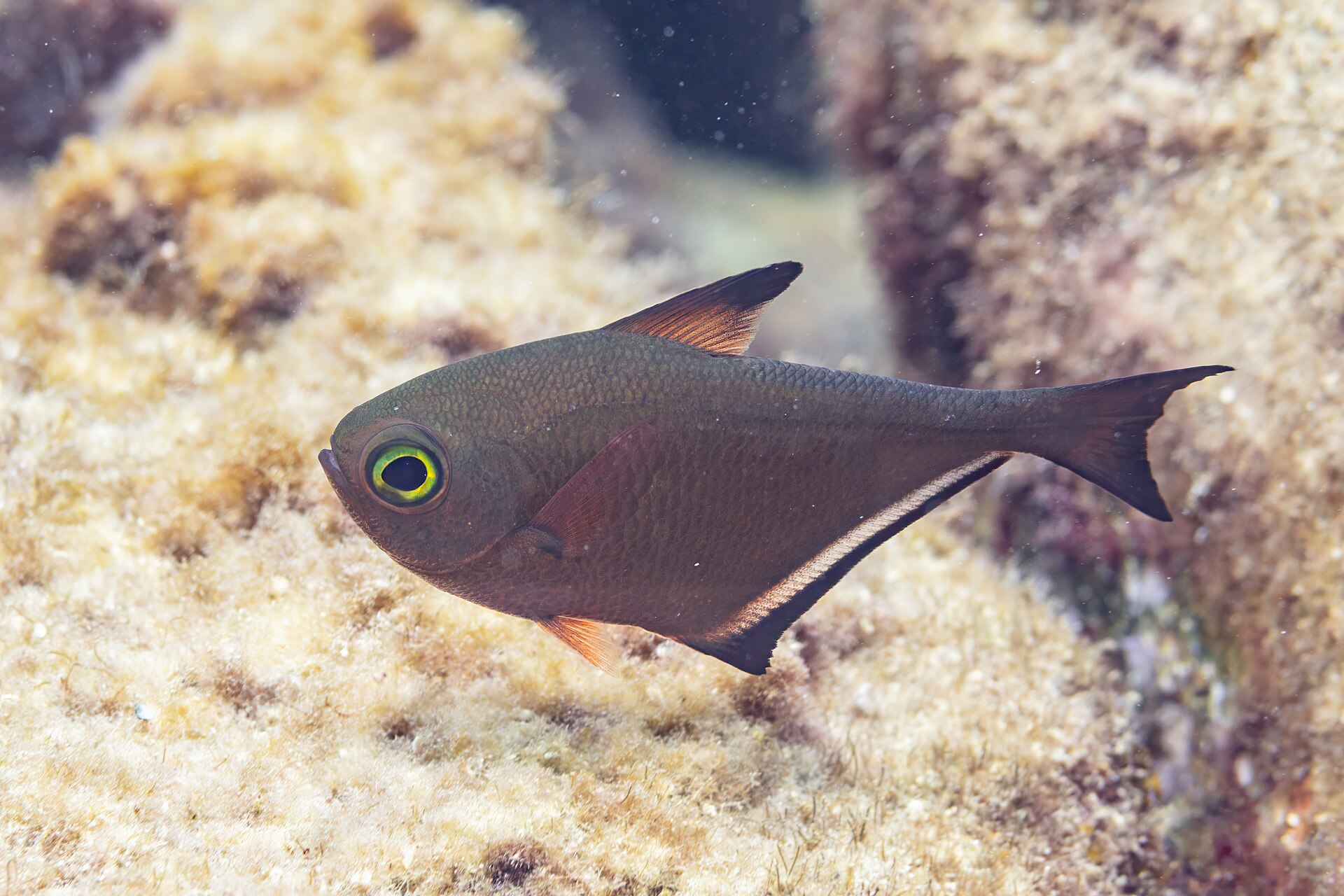
How do glassfish live?
Glassfish inhabit the shallow waters of reefs and rocky coasts in the Indo-Pacific and the western Atlantic. They are night fish. By day, they pack into dense schools in shelter: in caves, under overhangs, beneath table corals or inside wrecks. At nightfall, they spread out above the bottom to feed on zooplankton, mostly crustacean larvae and small worms. Their schools feed the reef's hunters. In the Red Sea, small groupers of the genus Cephalopholis hunt them, and at the dive sites we describe, lionfish and trevallies plunge into their clouds.
Where and when can you see glassfish?
Glassfish can be seen all year round, and the Red Sea is where they are most spectacular. They fill the corridors and hold 2 of the Thistlegorm. Inside the hull of the Dunraven, around the boilers, they form a cloud that opens and closes as divers pass. On the Salem Express, their clouds fill the space under the decks and the open corridors, crossed by lionfish. At Abu Nuhas, together with Pempheris sweepers, they fill the engine room of the Giannis D. Away from the wrecks, the chimney at Erg Somaya, in the Giftun Islands, overflows with them, the caves of Sha'ab Claudio and St. John's Caves are full of them, and so is the Canyon, the shore crevice next to the Dahab Blue Hole. In the Maldives, the glassfish at Fish Head move in clouds through the cavities, between feather stars and black coral, as the trevallies approach.
Stolen light
Parapriacanthus are bioluminescent. Light organs under the belly light up their silhouette from below and erase it from the view of predators looking up from the bottom. What makes them special is where this light comes from. The enzyme that produces it, luciferase, does not come from them but from their food: tiny glowing crustaceans called ostracods, which they eat and whose protein they keep. This is called a kleptoprotein, a stolen protein.
Our tip
Enter the wreck or cave slowly and without kicking hard: stirred-up sediment clouds the water for the whole group. A light aimed at the school makes the copper bodies shine, and a wide-angle lens captures the mass of the cloud. Watch the edge of the school, where groupers, lionfish and trevallies hunt.