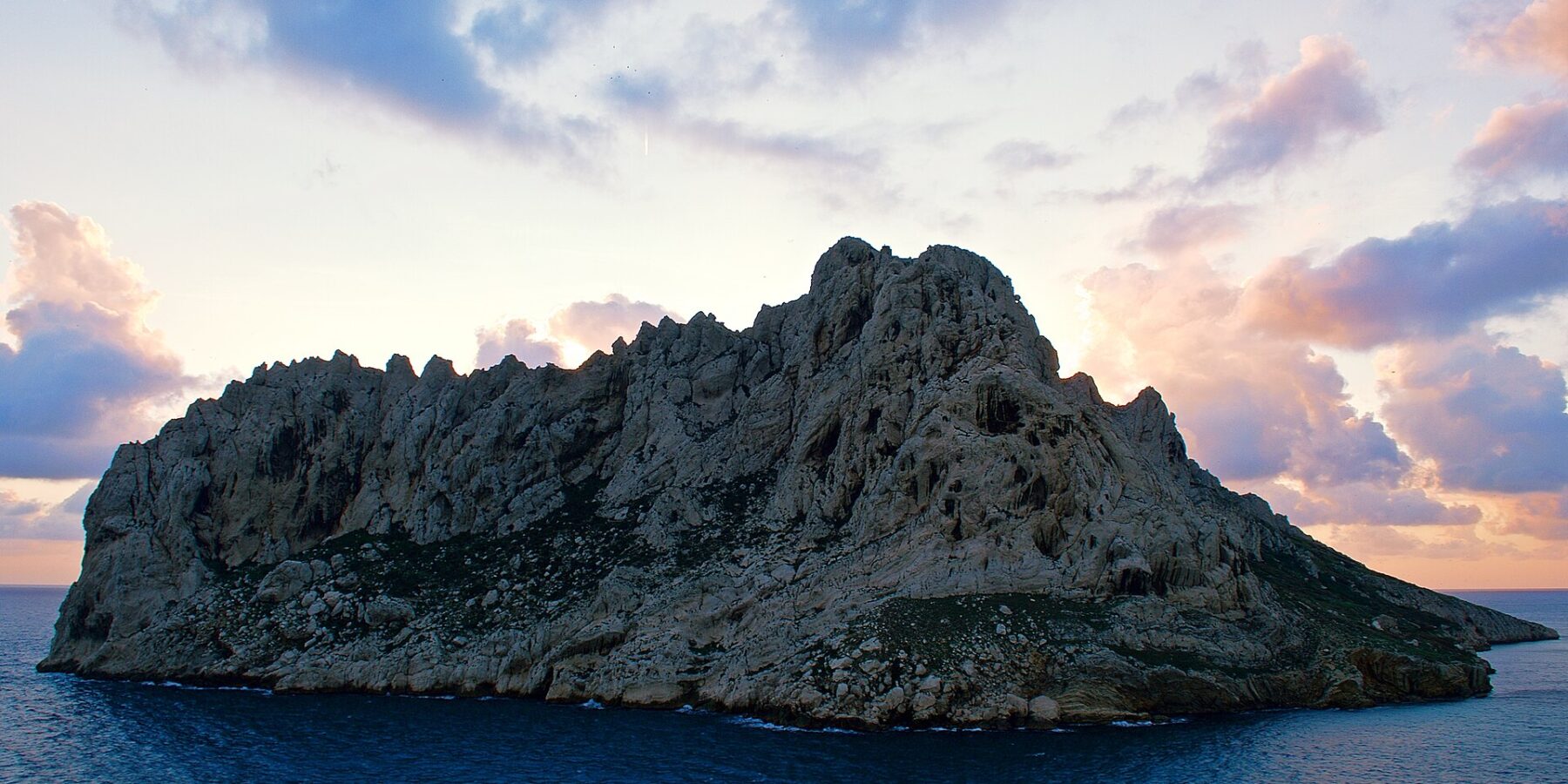
The Liban is a 91 m liner that sank on June 7, 1903 off the southern tip of Maïre Island and now lies at 28 to 36 m in Calanques National Park. You can still make out the boilers, the propeller and the galley, and it is Marseille's most dived wreck, twenty minutes by boat from Pointe Rouge.
Why dive the Liban?
- A 91 m liner sunk in 1903, Marseille's most dived wreck, twenty minutes from Pointe Rouge
- Boilers, bronze propeller, galley with brick ovens and forward holds still visible
- The dive ends under the Pharillons arch, at 15 m
- A sheltered site behind Maïre Island, diveable when the open sea is rough
The dive site on the map
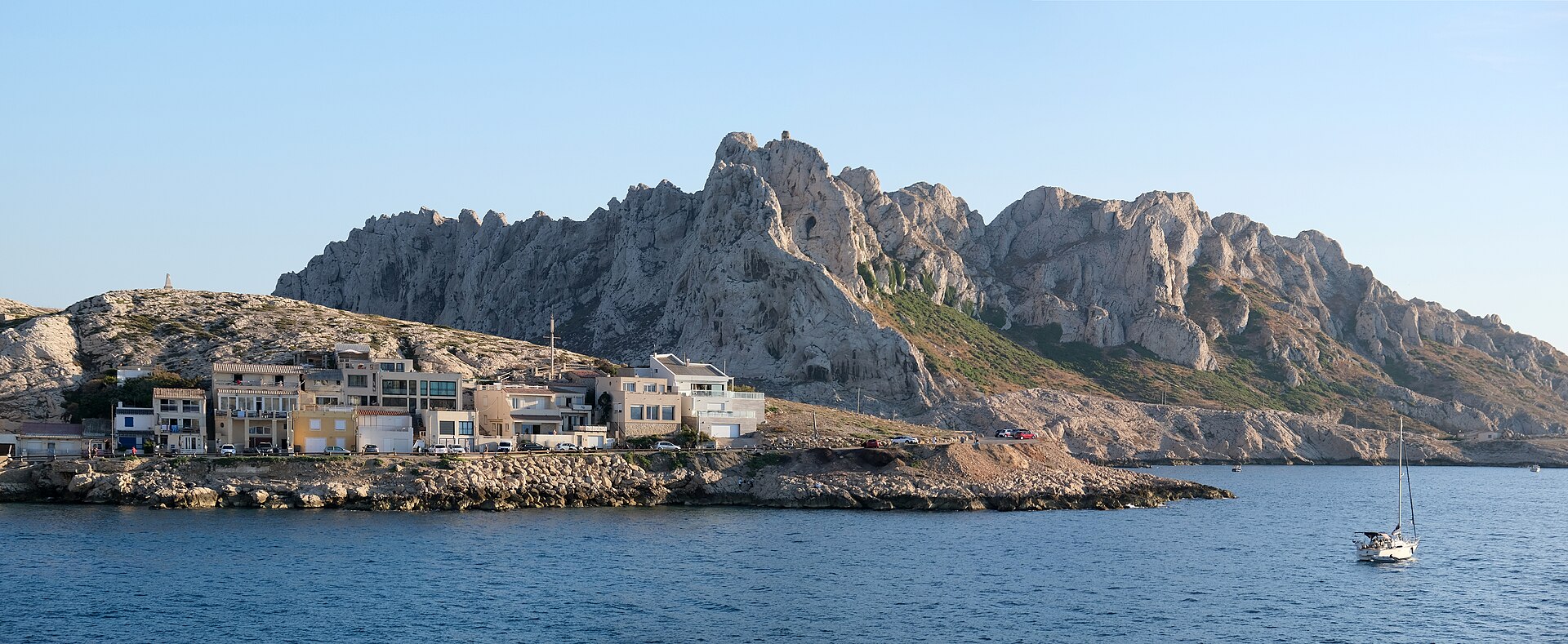
Base: Marseille, Pointe Rouge harbor, 5 km as the crow flies.
See nearby dive sites on the mapThe Liban in pictures
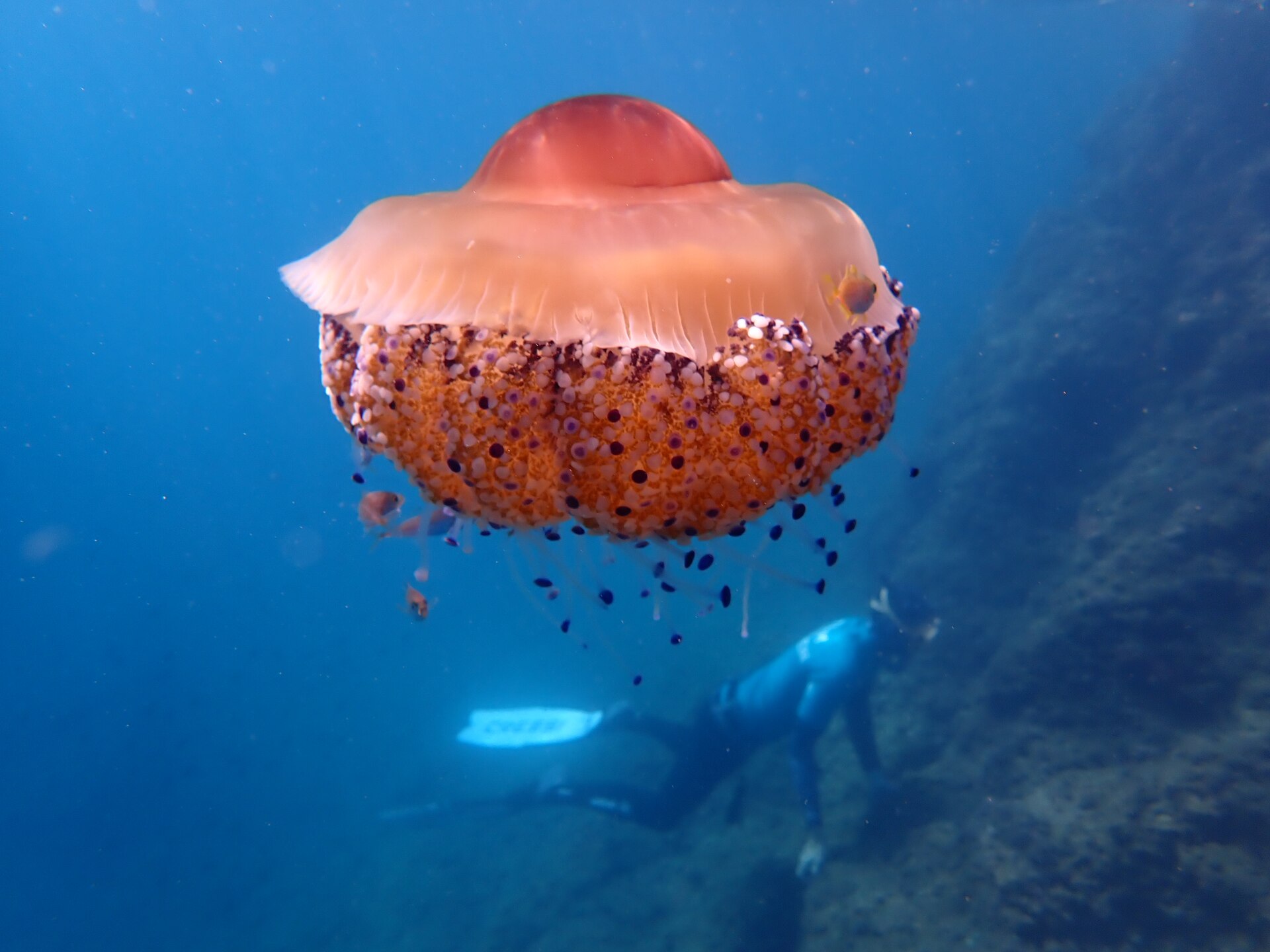
What will you see at the Liban?
In over a century, the wreck has become a 91 m reef lying on muddy sand. The hull plates shelter plenty of Mediterranean morays, conger eels and forkbeards, with a lobster now and then, and the holds shade the schools of sardines and mackerel that sea bass and sea bream come to hunt. Gorgonians have colonized the highest structures, anthias swirl above the boilers, and macro photographers search the plates for nudibranchs with a light. A dusky grouper sometimes shows up, but it is not resident, unlike at Port-Cros. At the end of the dive, the Pharillons arch at 15 m and the crack at 6 m add the rocky-reef life of the Calanques: white seabream, damselfish, rainbow wrasse, sponges and anemones in the shaded parts.
| Species | J | F | M | A | M | J | J | A | S | O | N | D | Note |
|---|---|---|---|---|---|---|---|---|---|---|---|---|---|
 Dusky grouper | possible | possible | possible | possible | possible | possible | possible | possible | possible | possible | possible | possible | an occasional passing fish, no resident |
 Mediterranean moray | peak season | peak season | peak season | peak season | peak season | peak season | peak season | peak season | peak season | peak season | peak season | peak season | plenty of them in the hull plates and the holds |
 Conger eel | peak season | peak season | peak season | peak season | peak season | peak season | peak season | peak season | peak season | peak season | peak season | peak season | in the nooks of the engine and the boilers |
| Sea bream | possible | possible | possible | possible | peak season | peak season | peak season | peak season | peak season | peak season | possible | possible | hunting the sardine schools with the sea bass |
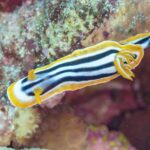 Nudibranchs | possible | possible | possible | possible | possible | possible | possible | possible | possible | possible | possible | possible | on the hull plates, look for them with a light |
| European lobster | possible | possible | possible | possible | possible | possible | possible | possible | possible | possible | possible | possible | now and then under the hull plates |
peak seasonpossiblerare
What is diving like at the Liban?
The bow, wedged into the rocks, sits between 28 and 32 m, the stern at 36 m, and the wreck rises 5 to 6 m above muddy sand. A mooring buoy has been fixed to the port side of the bow since 2010: you descend straight onto it. Depth is the challenge. The site is open to French Level 2 divers, or Level 1 divers holding the PE40, the qualification for guided dives down to 40 m, and a PADI Advanced Open Water diver, limited to 30 m, stays above the stern without a deep specialty. The site is sheltered behind Maïre, but visibility is the real issue: the fine silt lifts at the first kick and the plates vanish fast. You can visit the forward holds while staying in the light. Start managing your stops and air reserve at the stern, and ascend along the wall toward the Pharillons arch, at 15 m, then the crack at 6 m.
When to dive the Liban?
idealgoodnot recommended
You can dive the wreck all year: L'Atelier de la Mer goes out seven days a week, and the site, sheltered by Maïre Island, is the fallback when the open sea is rough. Surface water in Marseille is 13 °C in February, 13 to 14 °C in March and April, 17 °C in May, 20 °C in June, 21 to 22 °C in July, 22 to 23 °C in August, 22 °C in September, 19 to 20 °C in October, 17 to 18 °C in November and 15 °C in December. The mistral changes everything in a few hours: it brings cold water up from the depths, and the August low drops to 15 °C at the surface. At 30 or 36 m, the water stays cool all year: wear 7 mm in every season, and a drysuit from November to May. From June to October, temperature and light on the wreck are at their best.
How to get to the Liban?
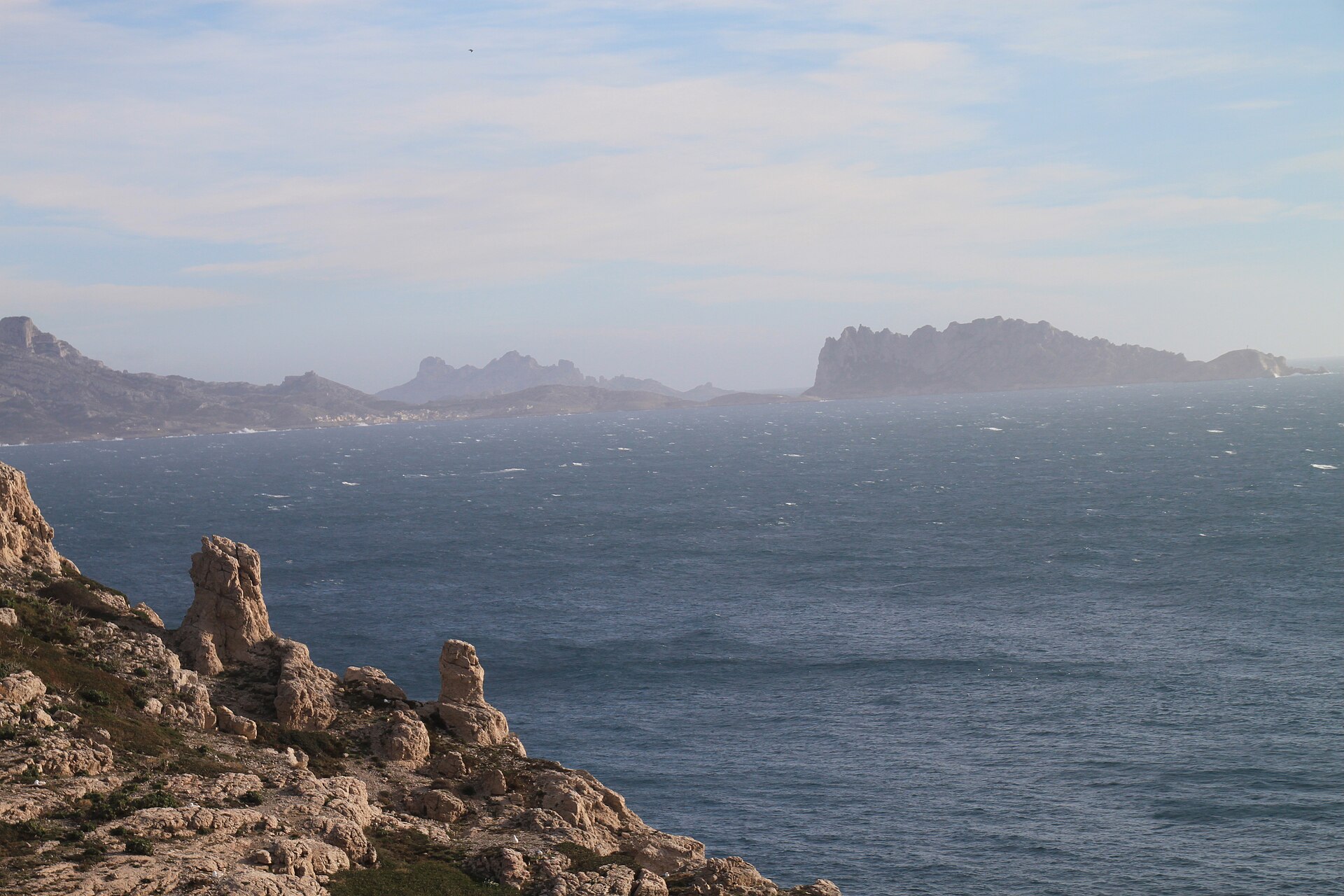
It is a boat dive, with a short ride: the Liban lies off the southern tip of Maïre Island, at the entrance to the Marseille roadstead. L'Atelier de la Mer, at Pointe Rouge harbor, entrance 2, is open seven days a week all year from 8 a.m. to 7 p.m. and sails twenty to twenty-five minutes to the sites. Its guided exploration dive down to 20 m costs €57, air or nitrox tank and weights included, €114 for two, plus €10 each for regulator and BCD; ask the center for the price of the 36 m dive on the Liban. The same center sells clubs a 50-dive agreement for €1,800, €36 per dive, tanks included. The Yachting Club de la Pointe Rouge and CIP Marseille, FFESSM clubs in the same harbor, go out all year. You can also leave from Les Goudes harbor or Cap Croisette, even closer. The Calanques National Park buoys are free, with priority for divers. Plan one dive for the wreck and a second for the wall and the Pharillons arch.
Stay in Marseille, Pointe Rouge harbor
Where to stay near the Liban?
Hotels, apartments and rooms around Marseille, Pointe Rouge harbor, with current prices.
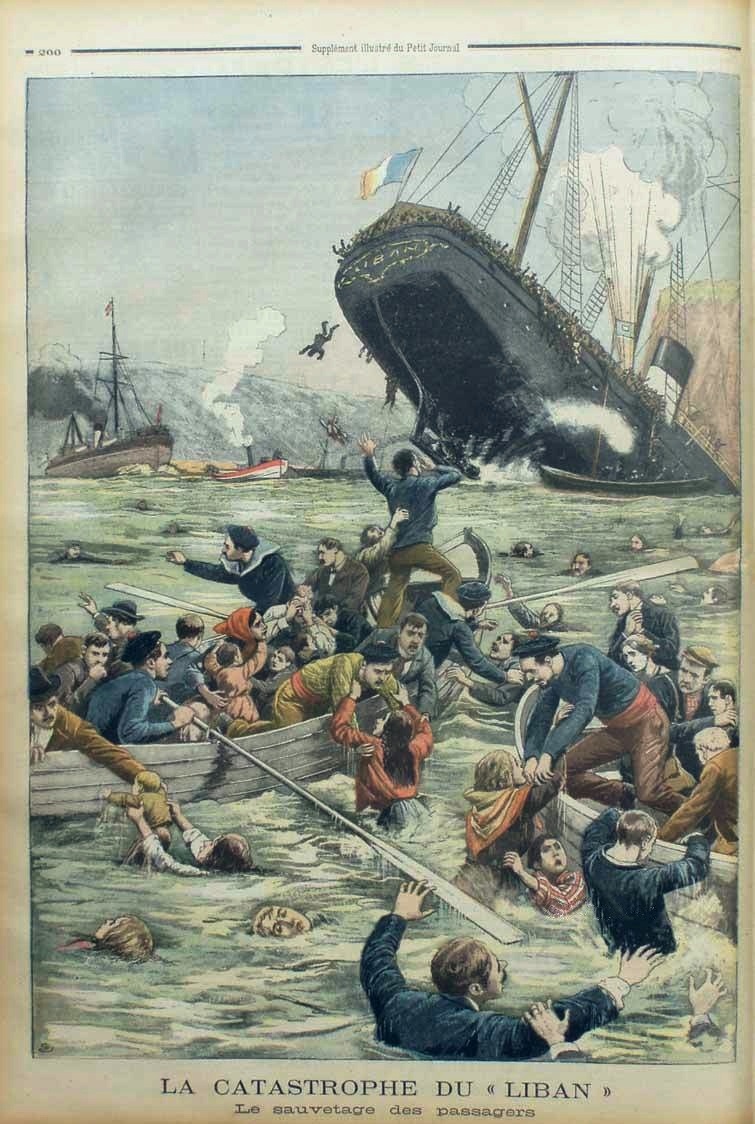
How did the Liban sink on June 7, 1903?
The Liban was a steamer built in Glasgow in 1882: 91 m long, 11 m wide, 2,308 gross tons, with a 2,150 hp triple-expansion engine, run by the Compagnie Fraissinet on the Corsica route. On June 7, 1903, shortly before noon, less than an hour after leaving Marseille for Bastia, she was rammed near Maïre Island by the Insulaire, a ship of the same company on its way back from Toulon. The captain tried to beach the liner between the two rocks south of the island, the Pharillons; she sank before reaching them.
There were 220 people on board, 43 of them crew. The death toll, close to a hundred, remains uncertain, because tickets were sold on board. Boats from Les Goudes, the Balkan and the Hungarian steamer Rakocsy picked up the survivors.
What can you see on the Liban wreck?
You descend on the buoy fixed to the port side of the bow. The stern, at 35 or 36 m, is cut off from the rest of the hull, and you can see the bronze propeller there. Two masts lie on the sand, and the boilers and engines rest on either side of the ship's axis. Toward the bow, you can still make out the deckhouse, the starboard davits, the saloon, the cabins and the galley with its brick ovens; you can visit the forward holds, and a third mast lies across them. The bow, wedged into the rocks between 28 and 32 m, carries a winch and a large port anchor.
The logical route starts at the stern, the deepest part, goes up along the hull to the bow, then leaves the wreck along the wall to finish under the Pharillons arch, at 15 or 16 m, and in the crack at 6 m for your safety stop.
What are the diving rules in Calanques National Park?
The wreck lies in the marine core of Calanques National Park, created on April 18, 2012, Europe's first peri-urban national park, with 43,500 hectares of marine core between Marseille and La Ciotat. The park has about 300 dive sites and more than 16,000 guided dives a year. The mooring buoys are free and meant first for divers. You touch nothing, feed nothing and take nothing, not even a relic, and two archaeological protection zones are closed to diving. In 2020, the park tested wreck conservation methods on the Liban. You can sign a voluntary diving charter online on its website.
Our tip
Start at the stern, the deepest part, then work up toward the bow and finish under the arch. Fin slowly, well above the bottom: the silt lifts at the first kick. With an Advanced certification but no deep specialty, stay above 30 m.
Other dive sites nearby
 FranceWall
La Gabinière (Port-Cros)
French Mediterranean: Riviera, Provence and Corsica FranceWreck
Rubis wreck (Cavalaire)
French Mediterranean: Riviera, Provence and Corsica FranceReef