From December to April, the dry season brings calm seas, 20 to 25 meters of visibility and humpback whales from the north. From July to October, whales from the Southern Hemisphere come to give birth, but visibility drops to 15 meters. The water stays between 24 and 28°C all year.
Budget
In Drake Bay, the two-dive trip to Caño costs US$140 to US$155, with gear and reserve fees included. In Uvita, the two-dive day starts at US$250, meal included. From December to April, book at least a week ahead: the number of divers allowed each day is capped.
Getting there
Drake Bay, with no paved road, is reached by boat from Sierpe or by plane from San José, and Caño is 45 minutes away by boat. Uvita is on the coastal road, and its boat leaves from the beach. French citizens enter without a visa for up to 180 days.
Drake Bay or Uvita: where do you stay to dive Caño Island?
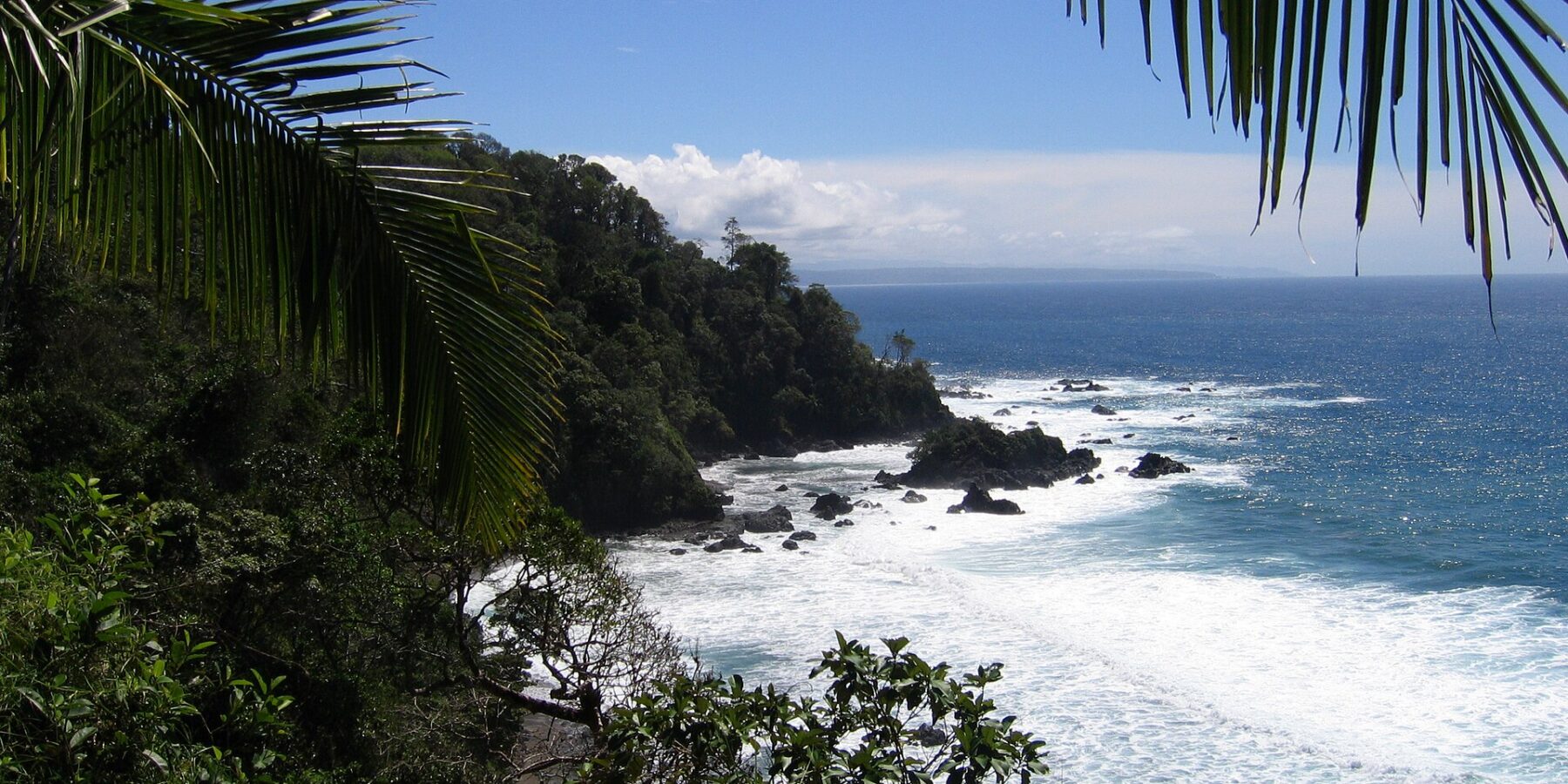
Costa Rica's South Pacific is the Osa Peninsula and Corcovado National Park, the densest forest in the country. Facing it, 16 kilometers off Punta Llorona, lies Caño Island. You dive it from Drake Bay, a village with no paved road, 45 minutes from the island by boat. You reach Drake Bay by boat from Sierpe or through a small airstrip. Or you dive it from Uvita, on the Ballena coast, an hour and a quarter away by sea. Each base has its own offer. In Drake Bay, the two-dive trip sells for US$140 to US$155, with gear, reserve fees and picnic included. In Uvita, Costa Rica Divers charges US$250.
What is the Caño Island Biological Reserve?
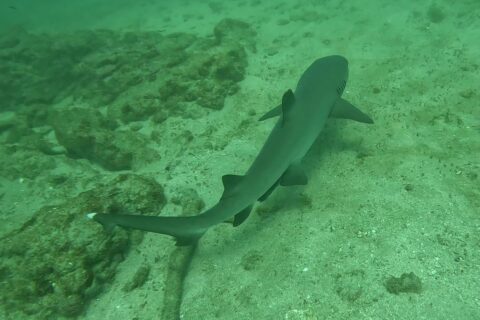
Created on September 30, 1976, the reserve covers 3.26 square kilometers of land and 52 of sea. It is managed by the Área de Conservación Osa, and access is capped: 200 visitors a day in two time slots, ten divers at a time per site, five sites open, and US$15 in fees per foreign adult. Underwater, you find boulders and pinnacles from 5 to 45 meters, with Bajo del Diablo first among them, and a cave where about ten whitetip reef sharks sleep. There are shallow hard coral gardens, rays, turtles, and dolphins on the way out. On land, the island is an archaeological site of the Diquís culture, with its pre-Columbian stone spheres.
When is the best time to dive Caño Island?
The dry season, from December to April, gives the best visibility, 20 to 25 meters, calm seas and humpback whales from the north. From July to October, whales from the Southern Hemisphere give birth in Ballena Bay and around Caño, in visibility cut by the rains to 15 meters on average. The water stays between 24 and 28°C all year, with thermoclines at 22°C on the deep sites. Oceanic mantas pass between late December and early March, and whale sharks remain exceptional.
Who is Caño Island diving for?
Caño is the most accessible dive in Costa Rica: Open Water is enough on most sites, working depths are 12 to 20 meters, and groups are small, six to eight divers per guide. Trips leave early, at 7 or 8 a.m., and are full two or three days ahead in high season.
Where to stay on the South Pacific coast?
Hotels, apartments and rooms around Drake Bay, the starting point for dives at Caño Island, with current prices.
 Costa RicaCave or cenote