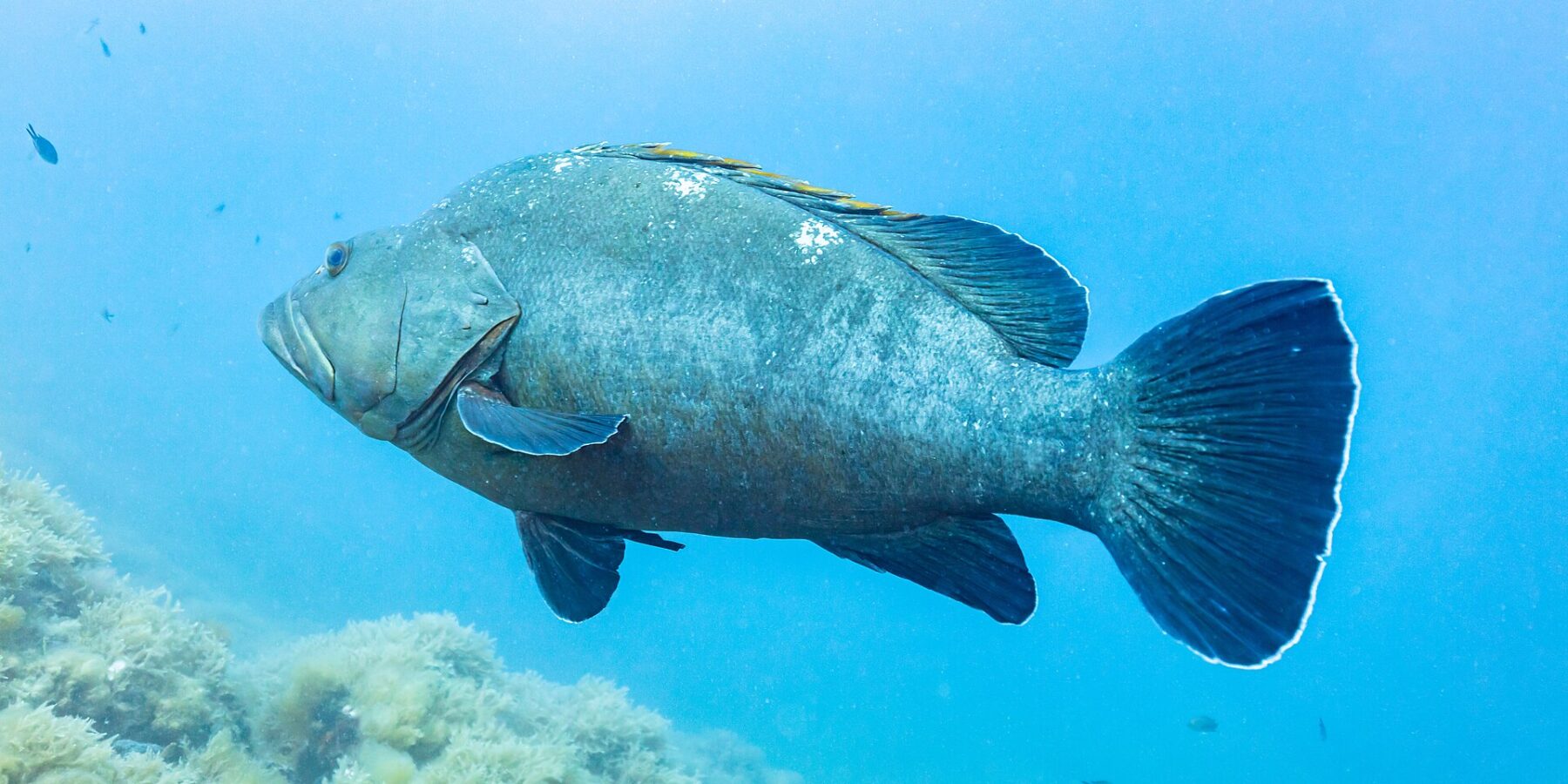
The dusky grouper is the big fish of Mediterranean rocky reefs: it can reach 1.50 meters and 100 kilos, lives about fifty years and is born female before becoming male. Protected by a moratorium, it has come back in numbers in the reserves, and at Port-Cros and the Lavezzi Islands the big ones swim right up to divers' masks.
Where to dive to see the dusky grouper?
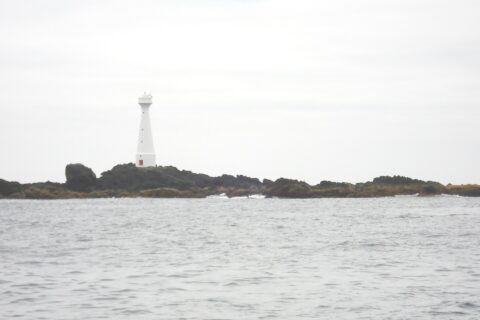
 AzoresReef
Formigas and Dollabarat
Santa MariaPeak season from June to October: on the walls and boulders, unafraid, with the island grouper and the barred hogfish
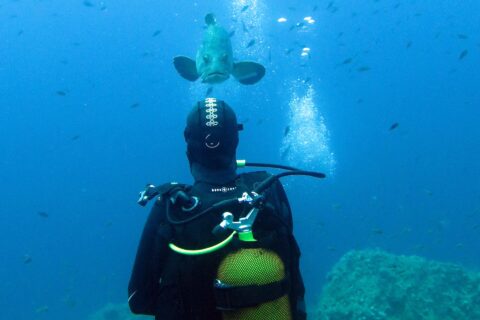
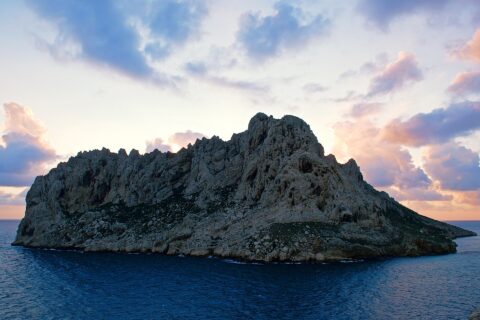
 FranceWall
La Gabinière (Port-Cros)
French Mediterranean: Riviera, Provence and CorsicaPeak season from May to October: resident, everywhere from 15 m, about ten per dive
 FranceWreck
Liban wreck (Marseille)
French Mediterranean: Riviera, Provence and CorsicaCan be seen all year round: an occasional passing fish, no resident
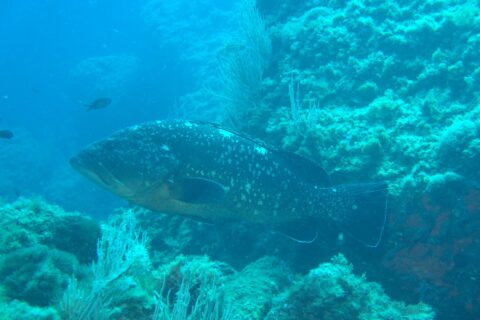 FranceReef
Mérouville (Lavezzi Islands)
French Mediterranean: Riviera, Provence and CorsicaPeak season from May to October: a group of residents on the shoal, some over 30 kg
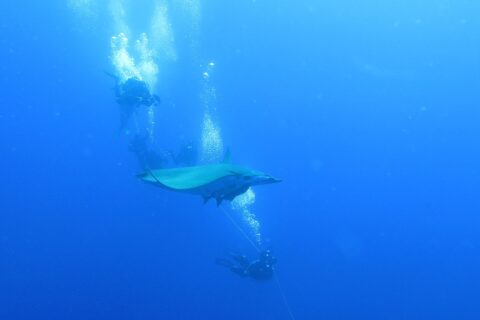 AzoresPelagic
Princess Alice Bank
Pico and FaialCan be seen all year round: on the rock at the summit, with wrasse, rainbow wrasse and combers
How do you identify a dusky grouper?
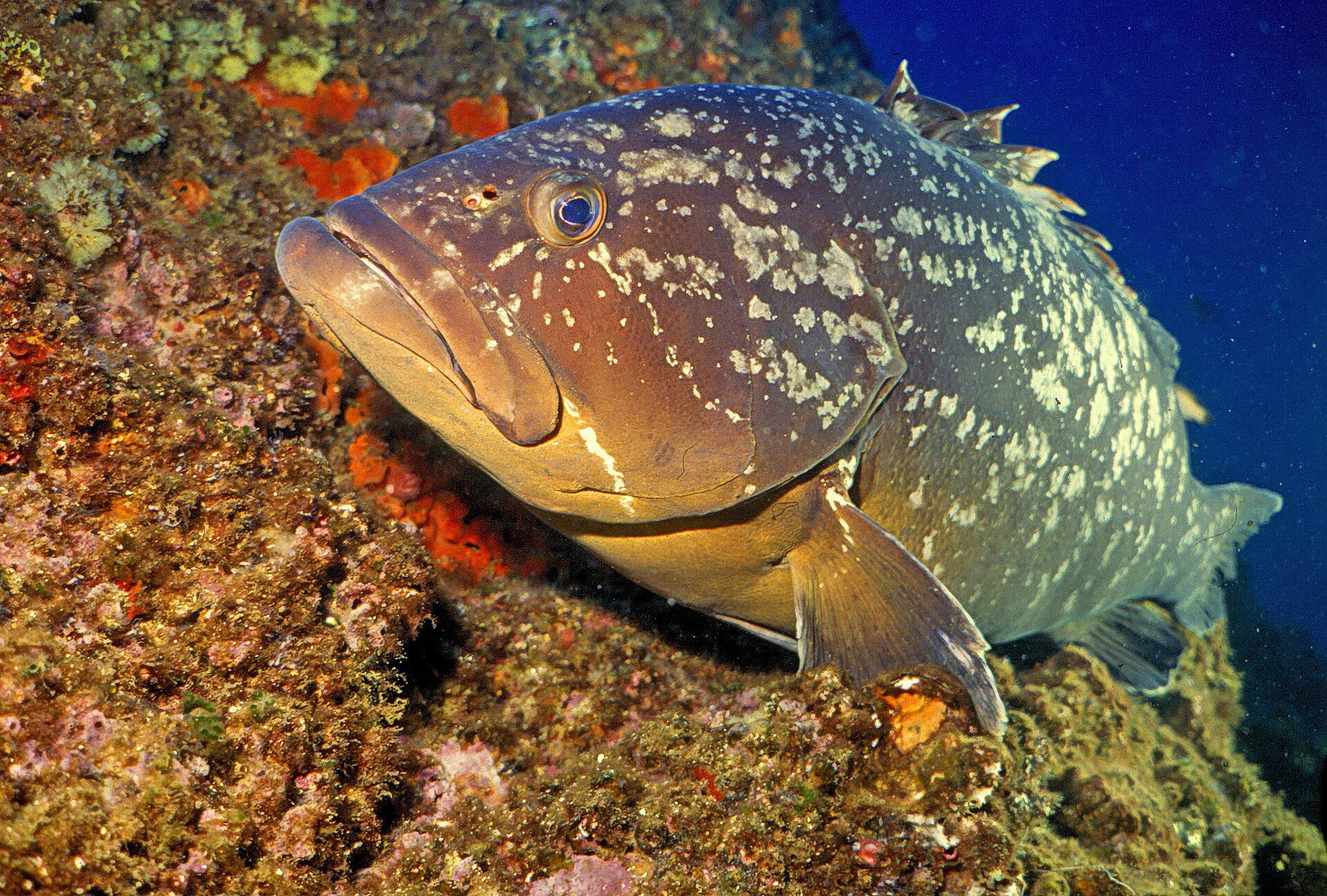
The dusky grouper, or Mediterranean grouper, is the best known of the eight groupers in this sea, in the family Serranidae. The body is oval and massive, covered in small scales, with a thick head, a large mouth with a jutting lower jaw and bulging eyes ringed with pale blotches. The coat is dark brown dotted with paler blotches. There is a single dorsal fin, the tail is rounded and edged in white, and the pectoral and anal fins darken toward the tips. It usually measures 90 centimeters and can reach 1.50 meters and 100 kilos. Juveniles, paler and spotted, live near the shore, even in tide pools.
Dusky grouper in pictures
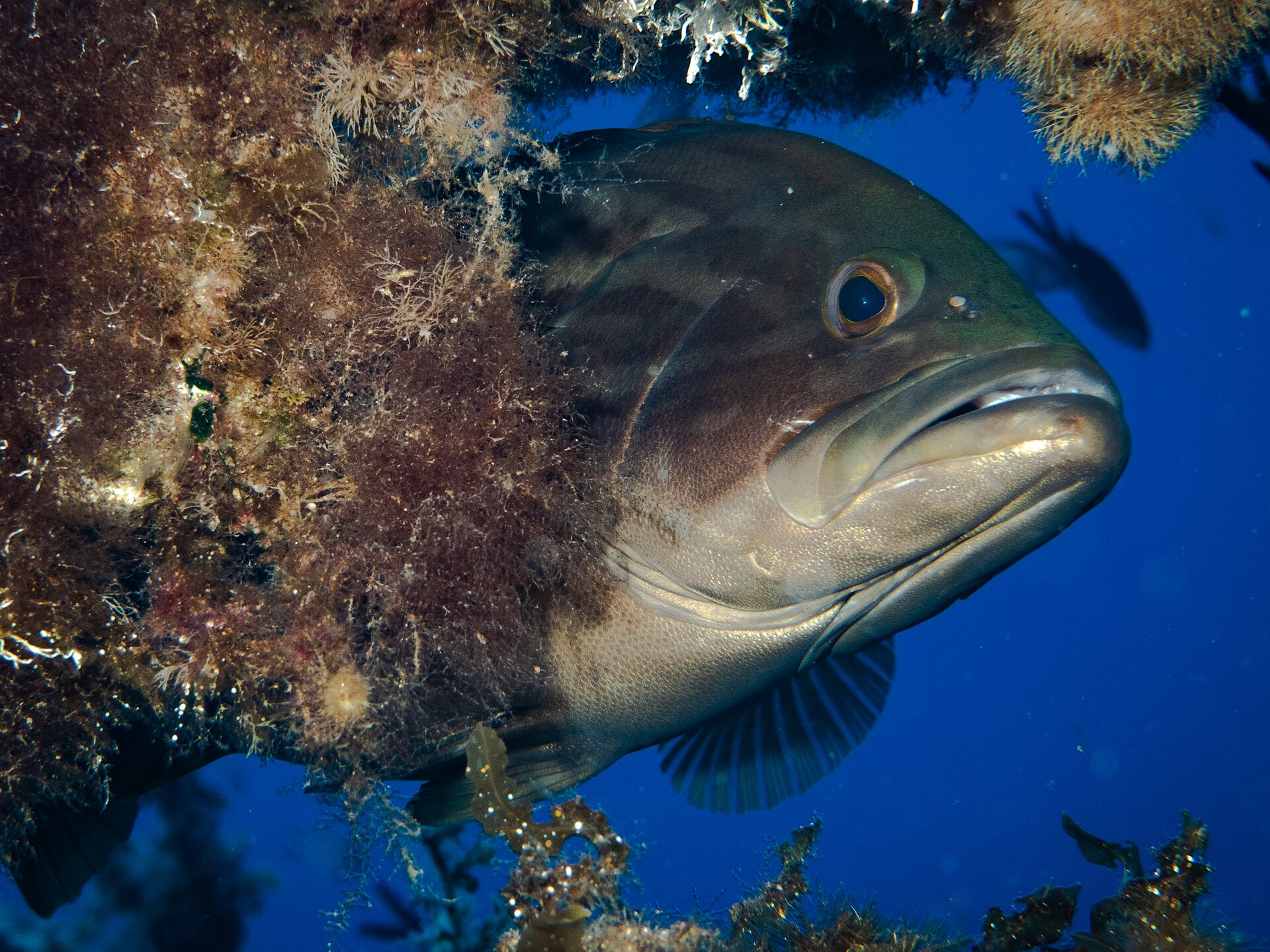
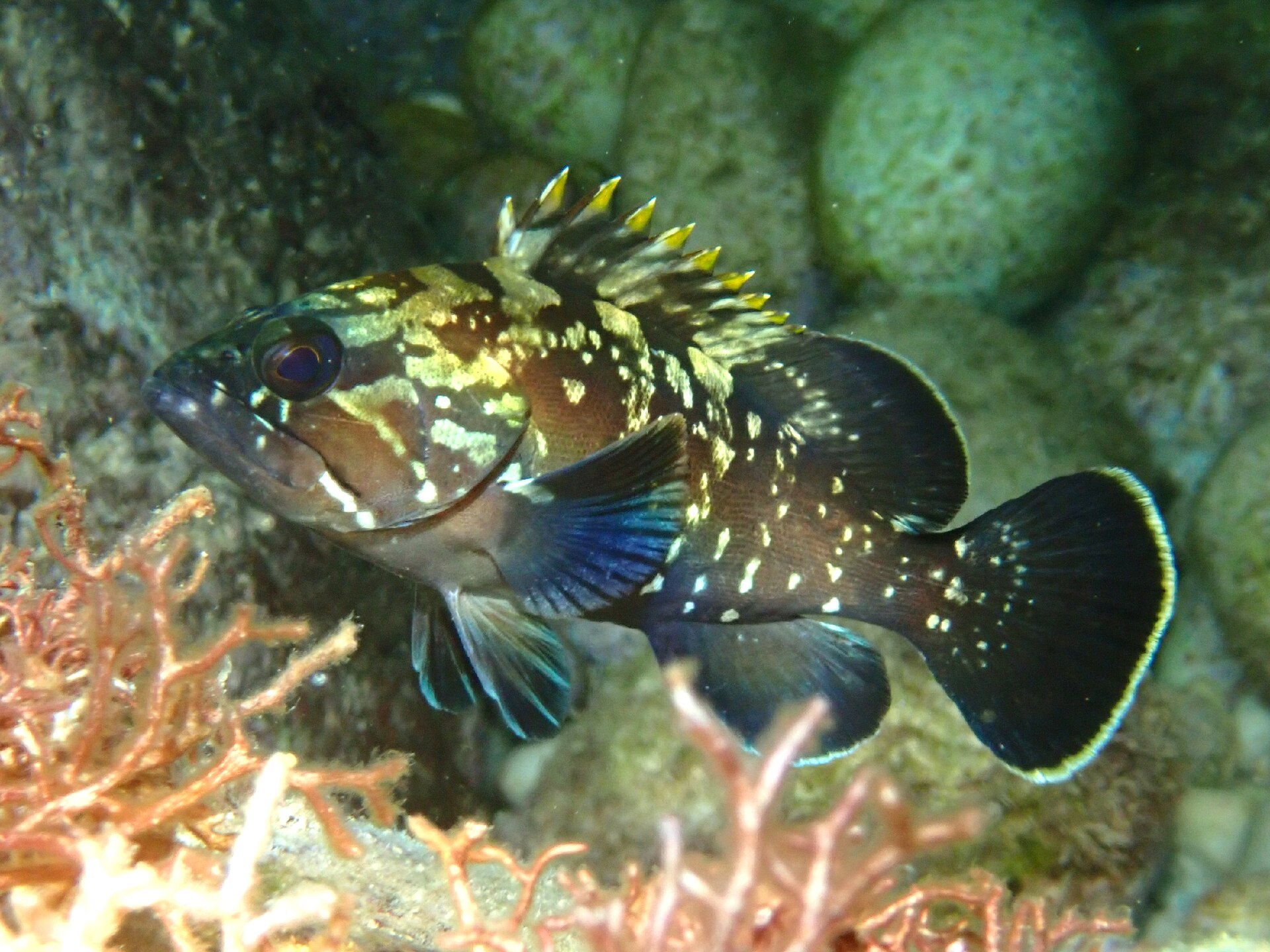
How does the dusky grouper live?
The dusky grouper lives on rugged rocky bottoms, often near Posidonia seagrass meadows, from a few meters down to more than 200 meters. The adult is solitary and territorial: it ambushes prey from the mouth of a hole and sucks it in at once, mollusks, crustaceans and octopus at first, then reef fish as it grows. It is a protogynous hermaphrodite: with no set sex before age 4, it is female around age 5 and then becomes male, usually around age 12. It lives about fifty years. In summer, mostly in July and August, groupers gather in groups of a few dozen at specific sites to spawn. Port-Cros National Park is one of the known spawning sites, along with the Medes Islands in Spain and Lampedusa in Italy.
Where and when can you see dusky groupers in France?
It lives throughout the Mediterranean and in the eastern Atlantic as far as Brittany, but the Mediterranean reserves are where you see it up close. At La Gabinière, in Port-Cros National Park, groupers are everywhere from 15 meters down, and dive centers count around ten per dive. At Mérouville, on the Pelu shoal near the Lavezzi Islands, a group of residents, some of them over 30 kilos, swims out to meet dive groups. On the Liban wreck in Marseille, you sometimes come across one. It is resident all year, and the diving season, May to October, also covers the summer spawning. The GEM, a French grouper research group, has surveyed Port-Cros in October every three years since 1993: it counted 473 individuals in 2005 and 565 in October 2008, 6.6 times more than in 1993. Porquerolles had 97 at its first survey, in November 2008.
Is the dusky grouper endangered?
The dusky grouper is listed as Vulnerable by the IUCN: catches fell by 88% in seven countries between 1990 and 2001, and its slow growth and late sex change make it fragile in the face of fishing, which takes the big males first. In France, a moratorium bans fishing it: on the mainland Mediterranean coast since 1993, renewed by prefectoral order on December 23, 2013; in Corsica, two orders of December 22, 2023 extended it for ten years, along with the brown meagre and the other groupers, for spearfishing as well as recreational hook-and-line fishing. In the Bouches de Bonifacio reserve, spearfishers may not take any grouper species. In Calanques National Park, poaching a grouper can bring a fine of up to €22,500. The parks also ban feeding and touching wildlife: enjoy its curiosity without provoking it.
Our tip
Stay still a few meters away and don't shine your light in its eyes: at Port-Cros and the Lavezzi Islands, the big ones come to you on their own. Don't feed it, don't touch it, and don't surround it as a group. Being familiar in the reserves does not make it tame.