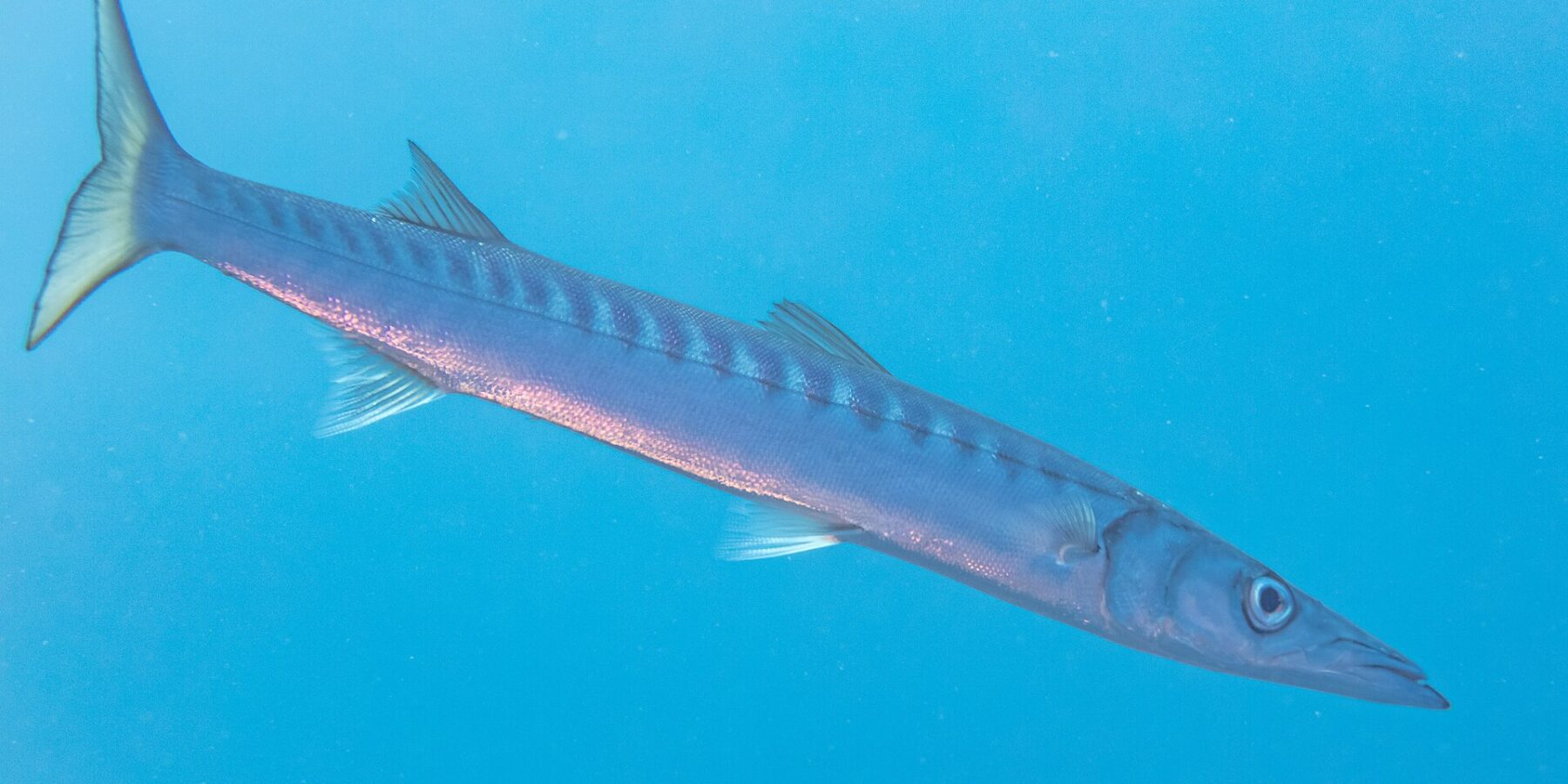
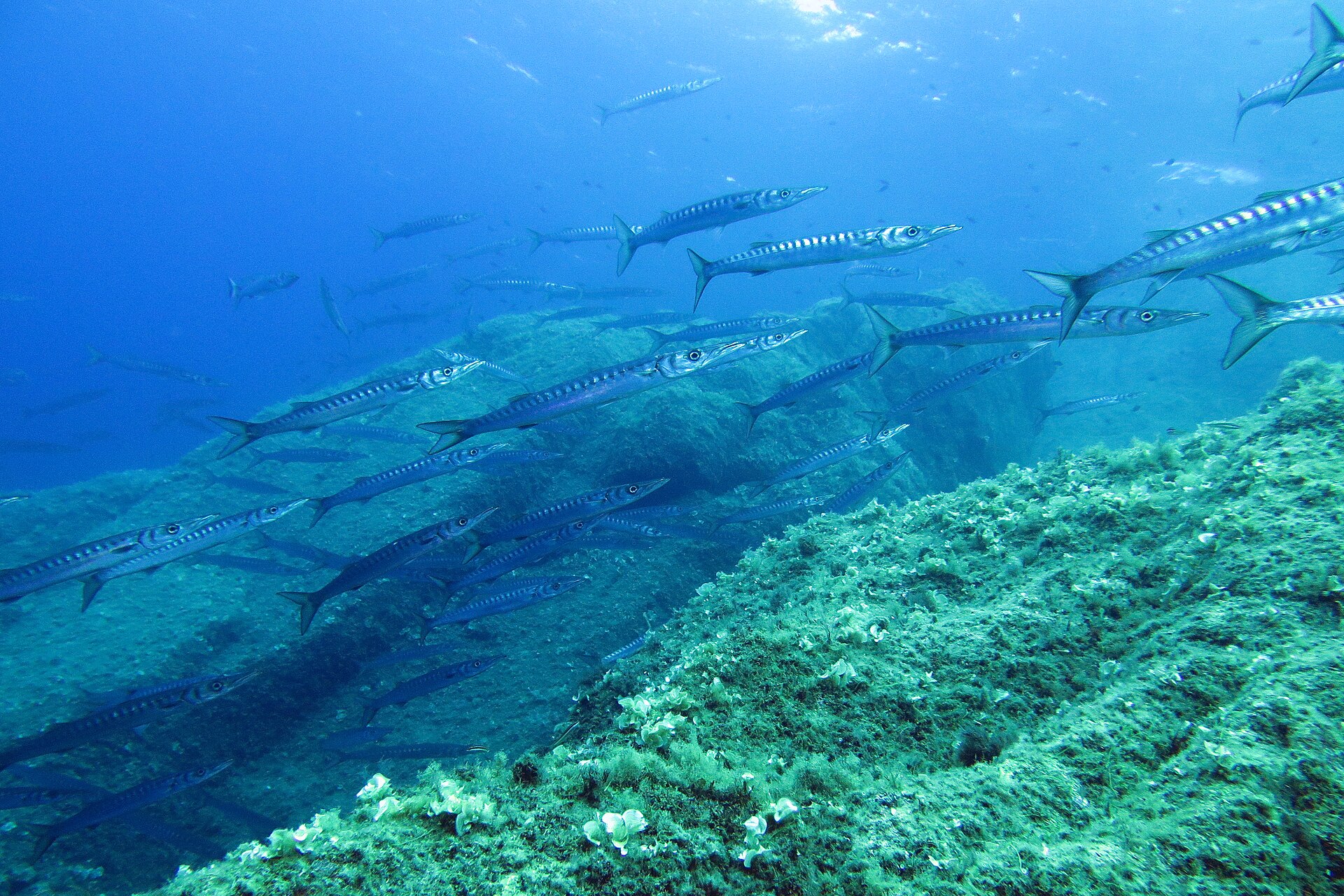
The yellowmouth barracuda is the barracuda of the Azores and the Mediterranean, with dark bars that run below the lateral line. It forms schools of several dozen to two hundred fish, from June to October in the Azores and year-round above La Gabinière. Harmless, it lets a calm diver come close.
Where to dive to see the yellowmouth barracuda?
 AzoresPelagic
Ambrósio
Santa MariaPeak season from June to October: Sphyraena viridensis, schooling around the line
 AzoresReef
Baixa do Sul
Pico and FaialPeak season from June to October: Sphyraena viridensis, schooling in the current
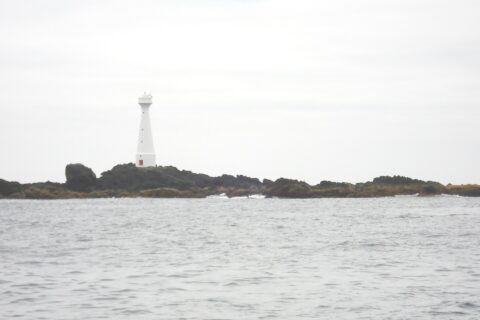 AzoresReef
Formigas and Dollabarat
Santa MariaPeak season from June to October: schooling in the current, with white trevally and amberjacks
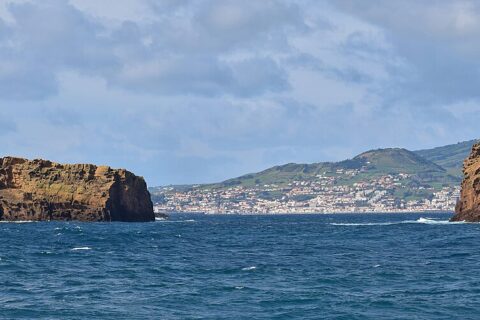 AzoresReef
Ilhéus da Madalena
Pico and FaialPeak season from June to September: Sphyraena viridensis, schooling with bonito and garfish
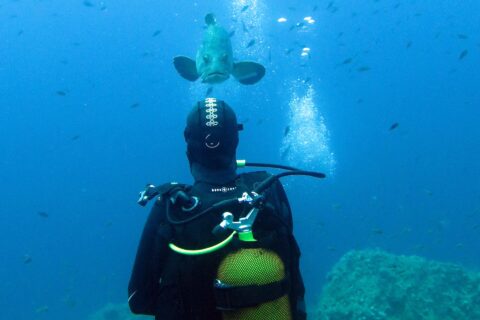
 FranceWall
La Gabinière (Port-Cros)
French Mediterranean: Riviera, Provence and CorsicaPeak season from June to October: a permanent school of about 200 fish above the wall
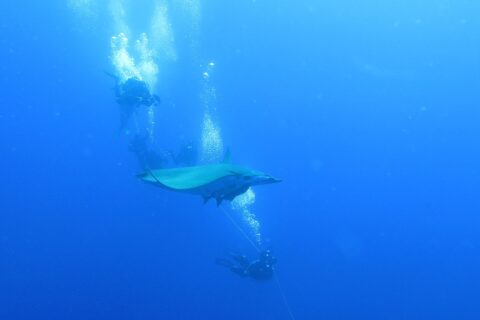 AzoresPelagic
Princess Alice Bank
Pico and FaialPeak season from June to October: schooling in the current above the plateau
How do you identify a yellowmouth barracuda?
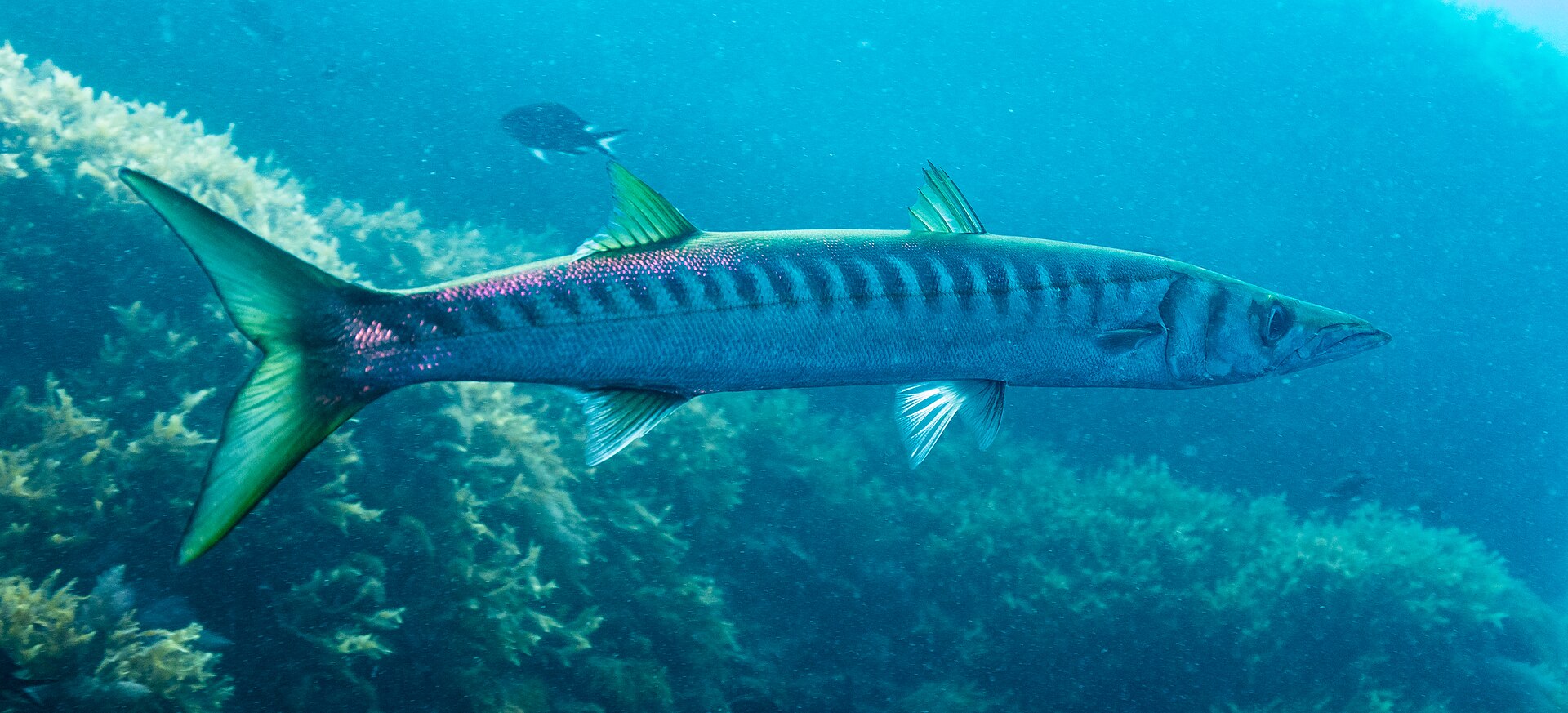
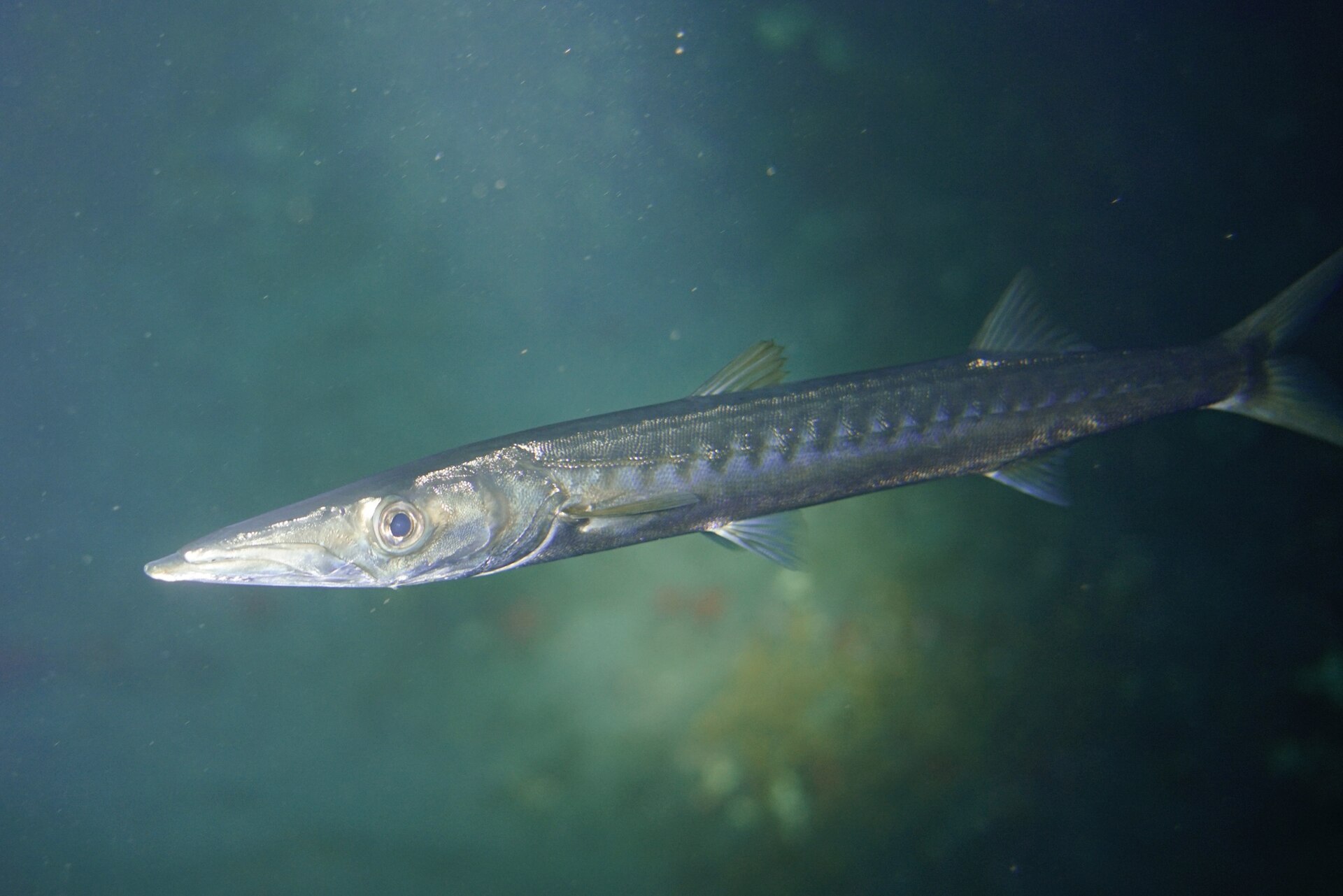
The yellowmouth barracuda has a streamlined body and a conical snout, and averages 35 to 40 centimeters; the largest fish ever measured, off the Azores, was 1.19 meters, and the species can reach 1.28 meters and 8 to 10 kilos. The mouth has a yellowish tinge, which gave it its name. Two details set it apart from Sphyraena sphyraena, Europe's other barracuda: its many dark crossbars run below the lateral line, especially on the front of the flanks, and its preopercle has no scales.
Yellowmouth barracuda in pictures
How do yellowmouth barracuda live?
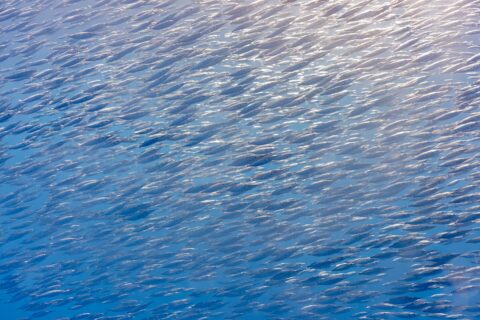
It lives in the eastern Atlantic, in the Azores, Madeira, the Canaries and Cape Verde, and throughout the Mediterranean, from Lebanon and Israel to Algeria, Corsica, Sicily, the Adriatic and the Aegean; it has even been recorded as far as Cornwall. Schools stay near the surface, down to about thirty meters, above shoals and along current-swept walls; juveniles grow up in enclosed sandy bays. It is an active hunter that chases its prey, alone or in groups, in bursts of 8 to 40 seconds: blue jack mackerel above all, then bogue, ornate wrasse, pandora, flying fish, cephalopods and crustaceans. Schools most often number 30 to 40 individuals and can reach 200 fish in summer.
Where and when can you see yellowmouth barracuda?
In the Azores, it is the fish of the summer shoals. On Santa Maria, Ambrósio shows it schooling around the point from June to October, and the Formigas and Dollabarat have it schooling in the current, with white trevally and amberjacks, from June to October, sometimes from May and still in November. Between Pico and Faial, Baixa do Sul has it schooling in the current from June to October, possible from April to November; Princess Alice Bank has it schooling in the current above the plateau, from June to October, possible in May and November; the Madalena islets have it schooling with bonito and garfish, from June to September, possible from April to October. In the Mediterranean, La Gabinière, at Port-Cros, holds a permanent school of about 200 fish above the wall, visible year-round and especially from June to October.
Is the yellowmouth barracuda endangered?
The yellowmouth barracuda is listed as Least Concern on the IUCN Red List and is harmless to humans. It is caught with trammel nets and beach seines, and it is a game fish in the Canaries, where the rod-and-reel record, 10.2 kilos, was landed off Lanzarote in 2007. On a dive, the school does not flee a diver who moves in slowly, at its level, without finning toward it: let it circle in the current and don't push it out into the blue.
Our tip
Approach the school slowly, at its level, without finning toward it: it circles in the current and lets you watch. Stay in the current rather than pushing it out into the blue: that is where it hunts and where it stays. The best time is summer, from June to October, when the schools are biggest above the Azores plateaus.