Tahiti, Moorea or the Tuamotu: where to dive in French Polynesia?
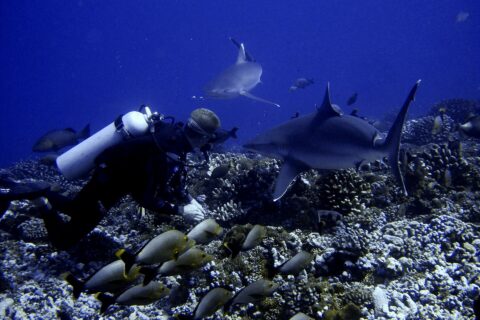
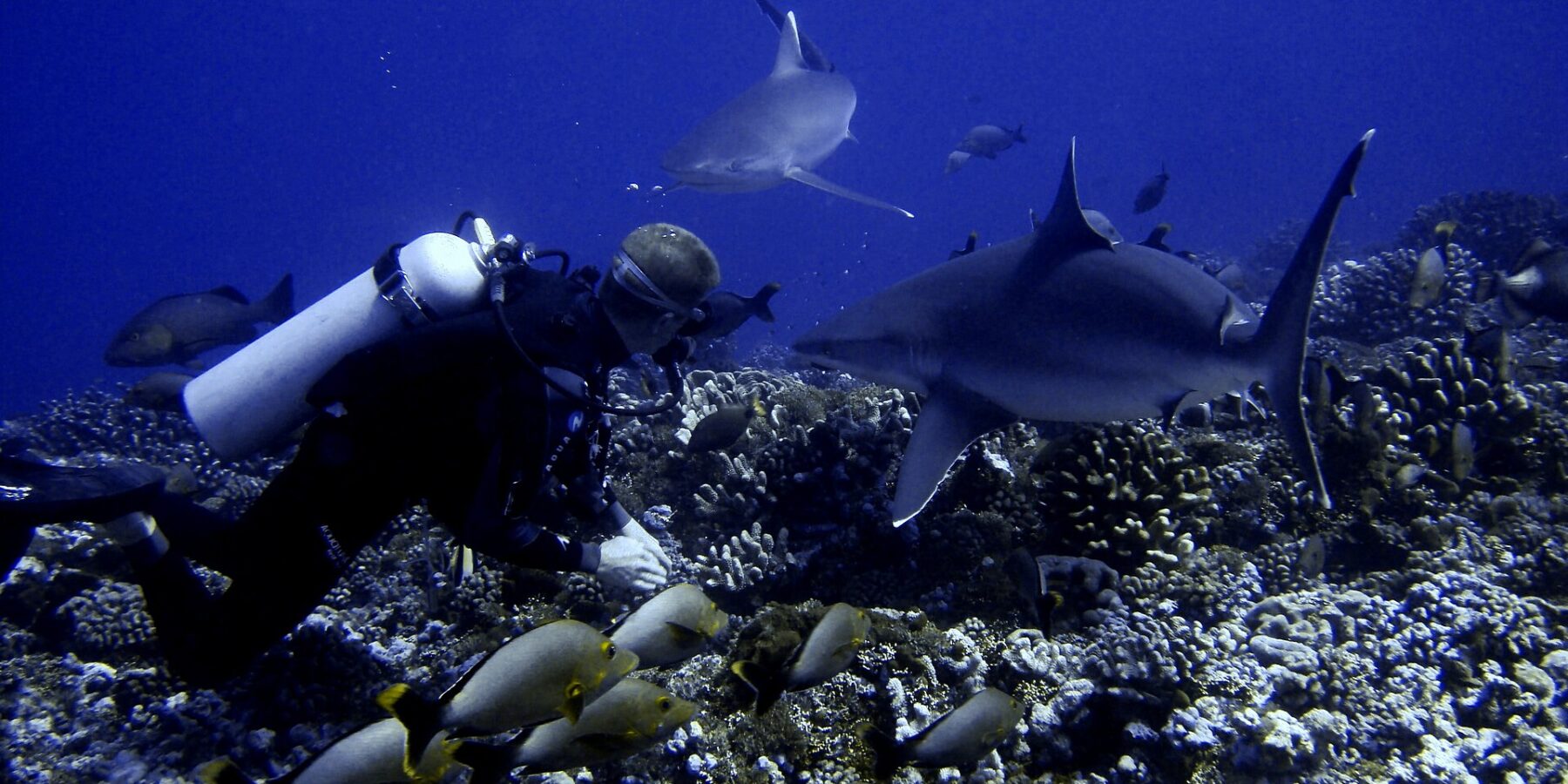
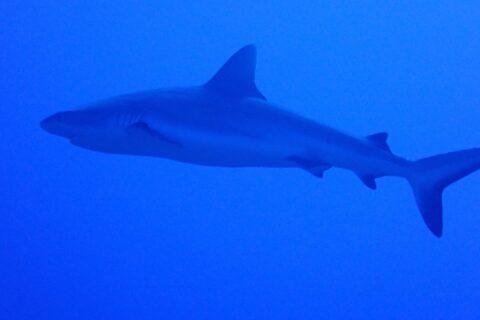
Diving in Tahiti happens on the outer wall and in the lagoon. The Aquarium, from 2 to 12 meters, holds a Cessna and two sunken boats for beginners. The Zélée, a broken-up wreck near Papeete harbor, carries black coral at around 21 meters. On Moorea, Tiki Point brings together blacktip, gray and lemon sharks. But Polynesian diving is mostly about the Tuamotu, in the passes that link the atoll lagoons to the ocean. At Rangiroa, the world's second-largest atoll, you drift through Tiputa Pass among gray reef sharks and bottlenose dolphins, and great hammerheads patrol the mouth at around 50 meters from December to March. At Fakarava, a UNESCO biosphere reserve, the South Pass, Tumakohua, holds 600 gray reef sharks on average and the spawning of more than 17,000 camouflage groupers in June and July.
When is the best time to dive French Polynesia?
You dive all year, and the Tuamotu dive centers open from January 1 to December 31. The water drops to 25°C from July to September and rises to 27 to 29°C from March to May. The great hammerheads of Rangiroa are there from December to March, and the Fakarava groupers spawn around the full moons of June and July. Humpback whales arrive around Tahiti, Moorea and the Austral Islands in July and stay until October, sometimes November.
How much does diving in French Polynesia cost?
In the Tuamotu, a fun dive with gear costs XPF 10,500 to XPF 11,500, or €88 to €96: XPF 11,500 at The 6 Passengers in Rangiroa, XPF 10,900 at O2 Fakarava, XPF 10,500 at Te Ava Nui. From ten dives, the price drops to XPF 9,200 to XPF 9,800 (€77 to €82). The day at Fakarava South Pass, with two dives and a meal, costs XPF 35,000 to XPF 35,600 (€293 to €298). There is no entry fee at the sites.
How do you get to French Polynesia?
From Paris, Air Tahiti Nui and Air France fly via Los Angeles, and French Bee via San Francisco: about 22 hours of travel, and an ESTA for the US stopover, so a passport. Air Tahiti then links Papeete to Rangiroa in about an hour, and to Fakarava in 2 hours 5 minutes. The Tuamotu pass costs from XPF 57,670 (€483) in low season. European Union citizens need no visa. The currency is the Pacific franc, with a fixed peg: €1 equals XPF 119.33.
What certification do you need to dive French Polynesia?
French Polynesia reads certifications on the CMAS scale: a Level 1, an Open Water or an Advanced diver is guided to 29 meters at most, a Level 3 or Level 4 diver to 49 meters, and others to 60 meters. Deeper than 9 meters, you are limited to three dives a day. The whole economic zone has been a marine mammal sanctuary since 2002. The only recompression chamber is in Tahiti.
 FrancePass