Réunion or Mayotte: where to dive in the French Indian Ocean?
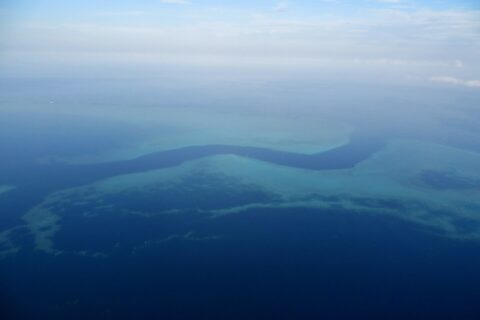
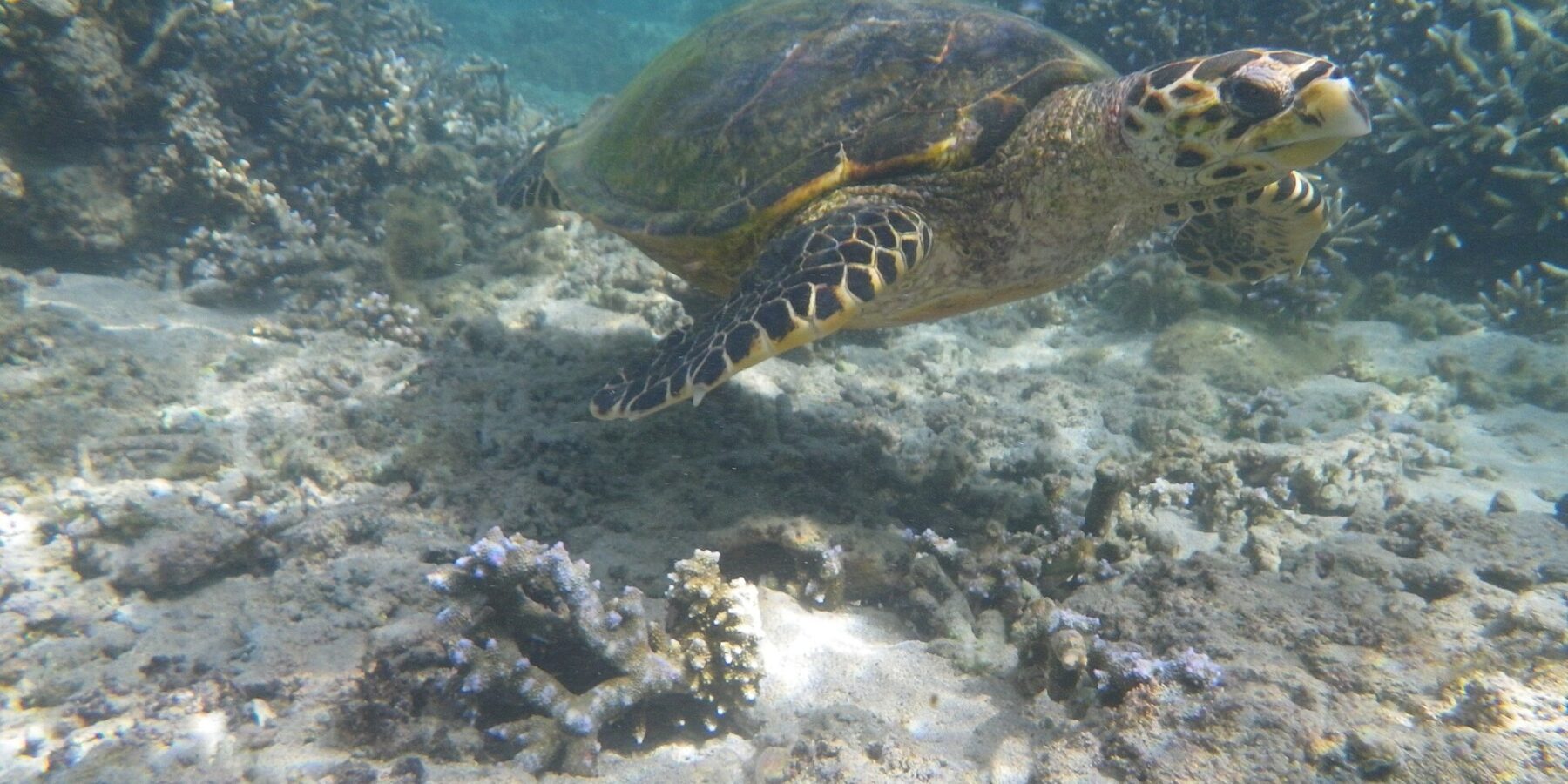
On Réunion, diving is concentrated on the west coast, in the National Marine Nature Reserve created in 2007: 3,500 hectares from Cap La Houssaye, in Saint-Paul, to L'Étang-Salé. Dive centers leave from the port of Saint-Gilles-les-Bains for the outer slope of the fringing reef. Cap La Houssaye, from 4 to 18 meters, with its green turtles and spiny lobsters, is the beginners' site. Mayotte lies 1,400 kilometers to the northwest. Its 1,500 km² lagoon, ringed by a double barrier reef, has been protected by the Marine Natural Park since 2010. The S Pass, an old riverbed that cuts through the eastern barrier, offers more than twenty dives on moorings, from coral heads for try dives to drift dives on spring tides, with turtles, groupers and gray reef sharks.
When is the best time to dive Réunion and Mayotte?
On Réunion, warm water runs from November to April, 28°C in February and March, but it is the rainy season, with cyclone risk mostly in January and February. From July to October, the water drops to 24°C and humpback whales swim along the west coast. Whale watching is allowed from July 1 to September 30. In Mayotte, the water stays between 26 and 30°C, and the dry season, from May to October, is the best. You dive the S Pass from April to November, and whales give birth in the lagoon from July to October.
How much does diving on Réunion and Mayotte cost?
In Saint-Gilles, a guided dive with gear costs €65 at Réunion Diving, Escapade Plongée and Bleu Marine, and €48 at Mascareignes Plongée. Ten dives cost €500 to €600. In Mayotte, the Nyamba Club and Nautilus Plongée list €55 to €70 per dive, €495 to €630 for ten and €80 for a try dive. No entry fee is charged in the reserve or the park.
How do you get to Réunion and Mayotte?
Corsair, French Bee and Air France fly nonstop from Paris to Saint-Denis in about 11 hours. Air Austral flies from Paris-Charles-de-Gaulle to Dzaoudzi, on Petite-Terre, in about ten hours, and a ferry barge links Petite-Terre to Mamoudzou. For French citizens, an ID card or passport is enough, and a passport becomes mandatory with a stopover outside the European Union. Mayotte is recovering from Cyclone Chido of December 14, 2024: accommodation is still limited, most jetties are damaged, and the outer side of the S Pass was hit hard. Book your dive center and accommodation before you fly.
What are the diving rules on Réunion and Mayotte?
Dive centers open guided dives from PE12, Level 1 or Open Water, and unguided diving from PA20, Level 2 or Advanced. In the Réunion reserve, anchoring is banned, boats moor on the 41 buoys, and diving is banned in the sanctuary zones. Outside the lagoon, swimming is regulated because of the shark risk: you dive with a dive center. The S Pass has been a no-fishing reserve since 1990. Allow 18 to 24 hours before flying after your last dive.
 FranceReef