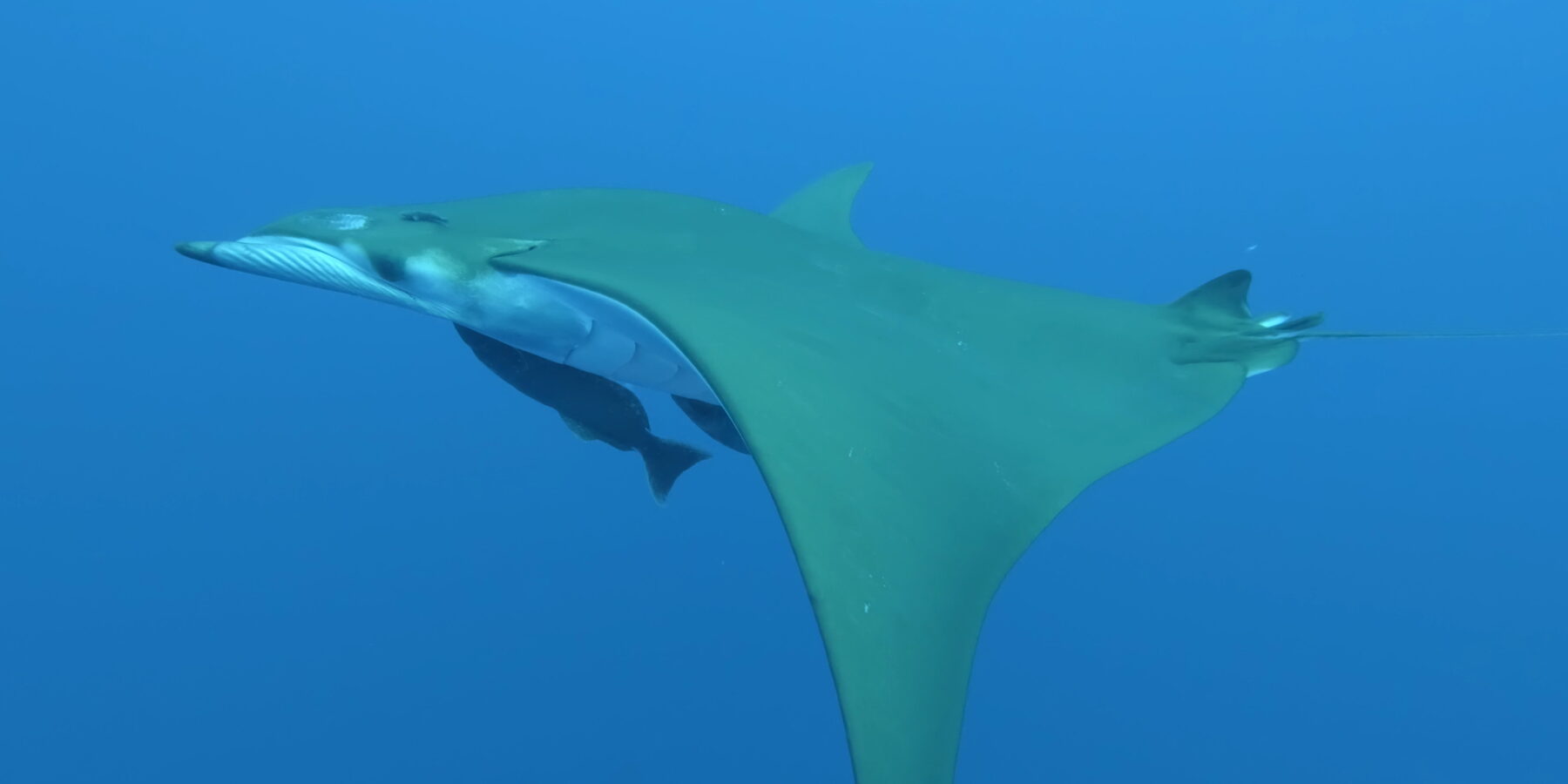
You can only dive Santa Maria from June to October, because the dive centers close in winter. The Ambrósio mobulas are there from late June to mid-October, peaking in August and September, when the water reaches 24°C. For the Formigas, keep a week free: the trip is confirmed the day before.
Budget
At Mantamaria, a dive costs €58 and ten dives €464, with tank, guide and insurance included. Ambrósio adds €44, free from eight dives, and the Formigas €112 in logistics. At Haliotis, Ambrósio costs €99 and the day at the Formigas €199.
Getting there
Santa Maria airport, 5 kilometers from Vila do Porto, has flights to Ponta Delgada, an hour at most, and to Lisbon. The dive centers are at the marina, 40 to 45 minutes by RIB from Ambrósio and 70 minutes from the Formigas. An EU ID card is enough, no visa needed.
Santa Maria is the southernmost and oldest island in the archipelago, at 8 million years. It is the only one with fossil-bearing limestone on top of its basalt, and the driest, with half the rain of the western islands and 2,000 hours of sunshine a year. Vila do Porto, the only municipality, has 5,400 residents. Its marina is home to the Mantamaria, Haliotis and Wahoo Diving centers. Its airport, 5 kilometers away, is served by SATA Air Açores from Ponta Delgada and by Azores Airlines from Lisbon. The island's nature park, created in 2008, brings together thirteen protected areas.
Where to dive on Santa Maria?
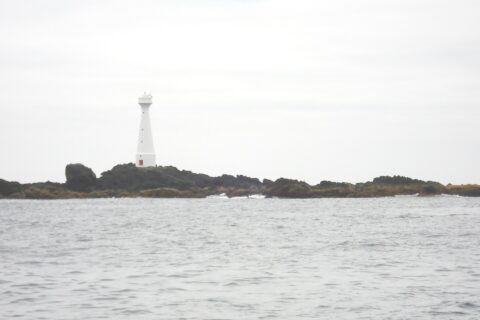
Two names bring divers here. Ambrósio is a shoal whose top sits at 45 meters, seven nautical miles north of the island, where mobulas spiral up the buoy line between late June and mid-October. The Formigas and Dollabarat nature reserve lies 37 kilometers to the northeast. On this isolated reef in the open sea, protected since 1988, groupers, schools of pelagics, mobulas and sometimes hammerheads cross paths in the clearest water in the Azores. Around the island, you have about fifty sites: Pedrinha and its lava spires down to 30 meters, Baixa da Maia and its caves nine nautical miles to the east, Ilhéu da Vila, Gruta dos Camarões, and the Canárias wreck for snorkelers.
What are the diving conditions on Santa Maria?
The season runs from June to October, and no longer, because the dive centers close in winter. The water is 19°C in June and rises to 24°C in August and September, so you need a 5 to 7 mm wetsuit. Visibility holds at 15 to 50 meters, often more than 30 offshore. The 300-horsepower RIBs do two dives per trip, with the surface interval on board, and come back to port by early afternoon. At Mantamaria, the offshore sites require Advanced Open Water or 25 logged dives. At Ambrósio, less experienced divers stay on the line between 5 and 15 meters, and snorkelers see the mobulas too.
How much does diving on Santa Maria cost?
Mantamaria's 2026 rates are €58 for one dive, €108 for two, €209 for four, €304 for six, €397 for eight and €464 for ten. A 12-liter tank, weights, guide and insurance are included, with a minimum of six people per trip. Ambrósio carries a €44 supplement, included from eight dives. The Formigas and Dollabarat add €112 in logistics, on top of two dives from your package. A night dive costs €77, snorkeling with the mobulas at Ambrósio €68, full gear €30 a day, and Nitrox €13 per 12-liter tank.
Where to stay on Santa Maria?
Hotels, apartments and rooms around Vila do Porto (Santa Maria), the starting point for dives at the Formigas and Dollabarat, with current prices.
 AzoresPelagic